

 Zobraziť v interiéri
 Odoslať
 Zdieľať
 Podrobnosti
 Príručka

 Stiahnuť
 Podobné položky
 RTG skúška
 Prehliadanie diapo\]
 Štatistiky
Figure


 Prečítať si viac
Giclée / Umenotlač
Giclée tlač alebo plátno múzeálnej kvality s rýchlou výrobou a rôznymi možnosťami povrchovej úpravy. ( Objednať ručne maľovanú reprodukciu Prepnúť na digitálnu verziu obrazu)




P118B €10

P118H €10

P118W €10

P438Z €10

P508JH €12

P508YH €12

P805H €10

P805Z €10

P919BZ €10

P919G €10

P919XJ €10

P959ZH €10

P968JZ €12

W106C €8

W218G €10

W218JH €8

W218Y €10

W307PJ €10

W316G €10

W316PJ €8

W316Y €10

W398PJ €8

W4111J €10

W500HY €15

W500JH €15

W692G €12

W849H €8

W940BG €15

W953PJ €8




Vyberte si z našich preddefinovaných rozmerov, ktoré zodpovedajú pôvodným pomeroḿ diela.

Zadajte šírku a výšku, ktoré potrebujete, aby sa reprodukcia hodila k vášmu rámu alebo stene. Print možno len orezávať, nikdy však nemennú veľkosť zvětšiť oproti pôvodnému obrázku, preto pri inom formáte stráca časť obrazu. Pred samotným vytlačiacím procesom vám pošleme digitálny náhľad na schválenie. Obrázok zobrazený na tejto stránke nezobrazuje reálny rez — len digitálny náhľad ukazuje presný výsledok.
Celosvetová doprava () do 2 týždňov namiesto štandardných 4 až 5 týždňov. (23 október)

Bezplatná expresná doprava po celom svete

Vysokokvalitné lnianske plátno

Úplné poistenie prepravy

Záruka vrátenia colného poplatku

Záruka presného farebného zhodnutia

100-dená politika vrátenia tovaru (iba pri vadách)

100% záruka vrátenia peňazí

Ponuka množstevnej zľavy
 Možnosť skla je dostupná len pri rozmeroch pod 110 cm

Figure
Giclée / Umenotlač
Veľkosť reprodukcie
-


Celková cena
€ 70
A Symphony of Motion: Unveiling Umberto Boccioni’s “Figure”
Umberto Boccioni's "Figure," painted in 1912, isn’t merely a depiction of a human form; it’s an embodiment of the Futurist ethos—a fervent celebration of dynamism, speed, and the fractured beauty of modern life. This artwork, rendered against a striking blue backdrop, immediately commands attention with its bold lines, fragmented composition, and palpable sense of movement. It's a window into the revolutionary artistic spirit that defined early 20th-century Italy, offering a glimpse into the mind of one of its most influential figures.
Boccioni’s approach to painting during this period was radically different from the established traditions of academic art. He rejected static representation in favor of capturing the fleeting essence of experience—the sensation of movement and change. “Figure” exemplifies this perfectly, utilizing a technique that anticipates elements of Cubism while firmly rooted within the tenets of Futurism. The figure itself is not presented as a solid, unified entity but rather as a collection of intersecting planes and angles, suggesting an ongoing process of becoming. This deliberate deconstruction mirrors the Futurist fascination with industrialization and the breakdown of traditional forms in the face of technological advancement.
The Language of Futurism
To truly understand “Figure,” one must appreciate the context of its creation – the explosive rise of Futurism. Spearheaded by Filippo Tommaso Marinetti in 1909, this movement rejected the past as a source of stagnation and embraced the future with unbridled enthusiasm. Futurist artists sought to capture the energy of machines, the speed of automobiles, and the dynamism of urban life. They celebrated violence, war, and all that was new and exciting. Boccioni, deeply involved in the movement, translated these ideals onto canvas, employing techniques designed to convey a sense of velocity and instability.
The use of color is particularly significant. The dominant blue serves not as a neutral background but rather as an active element, contributing to the overall feeling of motion. It’s a cool, almost vibrating hue that seems to push forward, drawing the viewer's eye into the fragmented form of the figure. Notice how the lines themselves are not smooth or continuous; they are broken and angular, mimicking the sharp edges of machinery and the fractured perspectives of modern urban landscapes. This deliberate disruption of traditional perspective was a key element of Futurist aesthetics – a rejection of illusionism in favor of conveying an immediate, visceral experience.
Symbolic Resonance and Emotional Impact
While “Figure” resists easy interpretation, it’s clear that the artist is exploring themes of transformation and dynamism. The elongated tail, reminiscent of a fish or perhaps a bird in flight, suggests movement, fluidity, and an escape from earthly constraints. It could be interpreted as representing the individual's journey through the complexities of modern life—a constant state of flux and change. The figure’s posture is ambiguous; it appears to be caught in a moment of transition, neither fully grounded nor entirely airborne.
Despite its fragmented composition, “Figure” evokes a powerful emotional response. It's not simply a depiction of an object or person but rather a representation of the *feeling* of movement—the exhilaration and disorientation that accompany rapid change. The artwork’s bold lines and vibrant colors create a sense of urgency and excitement, inviting the viewer to participate in this dynamic visual experience. It’s a testament to Boccioni's ability to capture the spirit of his time – a period of unprecedented technological advancement and social upheaval.
A Legacy of Innovation
Umberto Boccioni’s “Figure” stands as a pivotal work in the history of modern art. Its innovative use of line, color, and composition paved the way for subsequent movements such as Cubism and Constructivism. Reproductions of this artwork offer a unique opportunity to experience the energy and dynamism of Futurist aesthetics firsthand. OriginalUniqueArt’s hand-painted reproductions faithfully capture the original's intensity and detail, allowing you to bring this revolutionary masterpiece into your home or office – a vibrant reminder of a time when artists dared to challenge convention and embrace the future.
Otázky a odpovede
Patrí „Figure“ do verejnej domény?
Informácia o autorských právach pre „Figure“ od Umberto Boccioni: dielo je v stave v verejnom vlastníctve – autorské práva vypršali. To určuje, či je možné voľne vytvárať reprodukcie tohto obrazu.
Kde môžem kúpiť ručne maľovanú reprodukciu diela „Figure“ od Umberto Boccioni?
„Figure“ je k dispozícii ako ručne maľovaná olejná reprodukcia na plátne z ľanu. Objednávku môžete vložiť na jeho stránke Ručne maľovaná reprodukcia, pričom si môžete vybrať z rôznych veľkostí.
Do ktorej fázy kariéry Umberto Boccioni patrí dielo „Figure“ (1912)?
"Figure", vytvorené v roku 1912, patrí do obdobia Early Futurism v tvorbe umelca Umberto Boccioni.
Biografia umelca
A Life Forged in Motion: The Revolutionary Vision of Umberto Boccioni
Umberto Boccioni, narodený v Reggio Calabria v roku 1882, bol stelesnením futuristického hnutia – silou, ktorá sa snažila rozborkou umeleckých konvencií a prijatím dynamiky moderného sveta. Jeho život, tragicky skrátený na len tridsaťtri rokov, sa stal dôkazom tejto vážnej viery v pokrok, rýchlosť a očarujúcu energiu strojárstva. Boccioniho rané roky boli poznačené neustálymi presťahovaniami vďaka otcovmu postaveniu ako úradníka štátneho sektora – výchova, ktorá ho vystavila rôznorodým krajinám a vložila doňho neposedný duch. Tento nomádsky život nakoniec viedol do Ríma, kde sa na začiatok venoval dekoratívnym umeniam, no postupne sa upísal maľbe, pričom nasával vplyvy od umeleckých majstrov Liberty v oblasti plagátov. No presným impulzom k jeho umeleckej dráhe bol stret s futurizmom, ktorý nastal vďaka spisovateľským dielom Filipa Tomášo Marinettiho.Embracing the Whirlwind: The Rise of a Futurist
Rok 1910 sa stal pre Boccioni zásadným bodom. Podpísal *Manifesto dei Pittori Futuristi*, čím posilnil svoju snahu o vstup do hnutia, ktoré oslavovalo technológiu, rýchlosť a dokonca násilie ako symboly modernity. Toto nebolo len estetické rozhodnutie; bolo to filozofická rebélie proti váhe tradície, túžba zachytiť esenciu sveta, ktorý sa rútil do nejakej neurčitej budúcnosti. Boccioni sa rýchlo stal jedným z najvýhodnejších teoretikov futurizmu, rozvíjal Marinettiho pôvodné vyhlásenia a aplikoval ich na vizuálne umenie. Argumentoval za úplný rozpad reprezentácie, ktorý namiesto toho propagoval maľby, ktoré prejavujú nie len *čo* veci vyzerajú, ale aj *ako* sa cítia v pohybe – pocit rýchlosti, fragmentácia tvarov, pohlcujúca energia urbánneho života. Jeho rané diela, hoci stále naznačovali vplyvy impresionizmu a divisionizmu, začali demonštrovať tento rastúci záujem o dynamiku. Maľby ako *The City Rises* (1910-1911) sú monumentálne z hlediska rozsahu a ambície, zobrazujú chaotické stavanie modernej metropoly – vřavajúci sa vír ľudských postáv, budov a stroje, ktorý reprezentuje futuristický ideál. Obrázok je dôkazom jeho hľadania nových umeleckých postupov.Deconstructing Reality: Technique and Themes
Boccioniho umelecký rozvoj bol charakterizovaný stále radikálnejším prístupom k tvaru. Odmietol tradičné chápanie perspektívy a kompozície, prijímal fragmentáciu ako prostriedok na vyjadrenie pohybu a energie. Predmety boli rozoberané na ich zložité časti, čiary sily sa rozprestierali von, farby sa miešali v hravých vzoroch – všetko to malo vytvoriť pocit vizuálneho vibrácií. Táto dekonštrukcia nebola len štýlová; bola zakorenená v Boccioniho presvedčení, že samotná realita je tekutá a neustále sa mení. Hľadal reprezentáciu nie statického vzhľadu vecí, ale ich dynamickej esencie. To je jasne ukázané v jeho dielach, ako *Dynamism of a Human Body* (1913), kde postava nie je znázorňovaná ako pevný tvar, ale ako súbor fragmentovaných foriem naznačujúcich pohyb prostredníctvom priestoru. Jeho najikonickejšie dielo, *Unique Forms of Continuity in Space* (1913), prechádza za hranice maľby – bronzová socha, ktorá reprezentuje futuristický ideál s úžasnou silou. Postava sa zdá byť zachytená uprostred kroku, jej končiny a trup sú predlžené a deformované, vyjadrujúce pocit neubiženej energie.Influences and Legacy
Boccioniho nezvyčajná smrť v roku 1916, počas prvej svetovej vojny, odobrala umnému svetu skutočne vizionárskeho talentu. Napriek tomu jeho myšlienky a diela pokračovali v rezonovaní dlho po jeho smrti. Hlboko ovplyvnil nielen neskorších futuristických umelcov, ale aj hnutia ako konstruktivizmus a expresionizmus. Jeho skúmanie pohybu, dynamiky a reprezentácie modernej jari otvárajú cestu pre nové formy umeleckého vyjadrenia, zmenili tradičné chápanie krásy a reprezentácie. Jeho diela nie sú len o zobrazovaní pohybu; ide o jeho vnímanie.- Vplyvy: Techniky divisionizmu od Giacomo Balla, fragmentácia tvarov od Kubizmu, filozofické myšlienky od Nietzscheho.
- Významné diela: *Dynamism of a Human Body*, *Unique Forms of Continuity in Space*, *The City Rises*, *Dynamism of a Cyclist*.
- Historická významnosť: Kľúčová postava v 20. storočí, Boccioni zmenil umelecké konvencie a pomohol utvoriť smer moderného umenia. Jeho teórie o dynamike a reprezentácii pohybu inšpirujú umelcov dodnes.
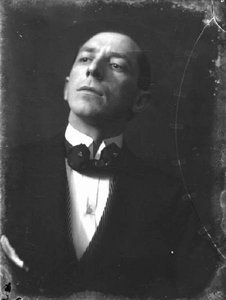
Umberto Boccioni
1882 - 1916 , Taliansko
Rýchle fakty
- Artistic Movement Or Style: Futurizmus
- Artists Or Movements Influenced By This Artist:
- Konstruktivizmus
- Abstraktná expresion
- Artists Who Influenced This Artist:
- Giacomo Balla
- Divisionizmus
- Date Of Birth: 1882-10-19
- Date Of Death: 1916-08-17
- Full Name: Umberto Boccioni
- Nationality: Talian
- Notable Artworks:
- Dynamizm Človeka
- Jedinečné formy kontinuit.
- Mesto Rýsuje sa
- Place Of Birth: Reggio Calabria, Taliansko
Súvisiace články

Serene Blue Backgrounds: Discover Soulful Art to Transform Your Space with Timeless Elegance
Transform your home with soulful blue art. From serene Monet impressions to modern textured sculptures, discover curated masterpieces designed to inspire calm. Explore expert art consultations and bespoke hand-painted reproductions to create your personal sanctuary.
The Allure of Azure: Exploring the Symbolic & Aesthetic Depths of Blue in Art History
Explore the rich history of blue in art! Discover its symbolism, from ancient pigments to modern masterpieces by Kandinsky & Seurat. Uncover the psychological impact and cultural meanings behind this captivating hue.

Umberto Boccioni: Dynamism, Futurist Ideals & the Evolution of Modern Sculpture
Explore the revolutionary art of Umberto Boccioni, a leading figure of Futurism. Discover his iconic sculptures & paintings, and delve into the movement's impact on modern art history with OriginalUniqueArt.

Speed, Power, and Motion: A Journey Through the Energetic Soul of Futurism
Explore the exhilarating energy of Futurism. From Italian dynamism to Russian Cubo-Futurism, journey through a masterclass in speed, power, and motion in art history with our expert cultural reflections.

Top 10 slávnych obrazov v odtieňoch sivomodrej: Umění pre váš domov s OriginalUniqueArt
Objavte top 10 slávnych obrazov v odtieňoch sivomodrej! Preskúmajte príbehy Van Gogha, Moneta a ďalších majstrov. Reprodukcie obrazov pre váš domov s OriginalUniqueArt – umenie online.


