

 Náhľad
 Odoslať
 Zdieľať
 Podrobnosti o dielo

 Stiahnuť
 Podobné diela
 RTG skúška
 Prezentácia
 Štatistiky
Boy with a Flask and Cabbages
 Oil On Canvas
- WallArt
- Baroque
 1610
1610- Early Modern
 99.0 x 73.0 cm
 Thyssen-Bornemisza Museo Nacional
 Zobraziť viac
Giclée / Umenotlač
Giclée tlač alebo plátno múzeálnej kvality s rýchlou výrobou a flexibilnými možnosťami povrchovej úpravy. ( Kúpiť ručne maľovaný obraz Prepnúť na digitálny obraz)




P118B $10

P118H $10

P118W $10

P438Z $10

P508JH $12

P508YH $12

P805H $10

P805Z $10

P919BZ $10

P919G $10

P919XJ $10

P959ZH $10

P968JZ $12

W106C $8

W218G $10

W218JH $8

W218Y $10

W307PJ $10

W316G $10

W316PJ $8

W316Y $10

W398PJ $8

W4111J $10

W500HY $15

W500JH $15

W692G $12

W849H $8

W940BG $15

W953PJ $8




Vyberte si z našich preddefinovaných rozmerov, ktoré zodpovedajú pôvodným pomeroḿ diela.

Môžete zadať vlastné rozmery, aby sa reprodukcia prispôsobila konkrétnemu rámu alebo priestoru. Ak zvolená veľkosť nebude zodpovedať proporciám originálu, dielo buď orežeme, alebo obraz rozšírime pomocou zrkadlenia či farebného doplnenia okrajov. Pred začatím výroby vám pošleme digitálnu ukážku na schválenie.
Máte na vedomí, že náhľad na obrazovke neodzrkadľuje skutočné orezanie alebo rozšírenie. Len digitálna ukážka presne zobrazí finálnu kompozíciu.
Hoci sú k dispozícii vlastné rozmery, pre zachovanie pôvodných proporcií odporúčame vybrať si rozmer z vopred definovaného zoznamu.
Celosvetová doprava () do 2 týždňov namiesto štandardných 4/5 týždňov. (13 september)

Bezplatná expresná doprava po celom svete

Prémiové lnianske plátno

Kompletné poistenie prepravy

Záruka vrátenia colného poplatku

Záruka presného farebného zhodnutia

100-dená politika vrátenia tovaru (iba pri vadách)

100% záruka vrátenia peňazí

Výhodná množstevná zľava
 Možnosť skla je dostupná len pri rozmeroch pod 110 cm

Boy with a Flask and Cabbages
Giclée / Umenotlač
Veľkosť reprodukcie
-


Celková cena za vybrané možnosti
$ 80
A Glimpse into Baroque Life: Tommaso Salini's Boy with a Flask and Cabbages
To stand before Boy with a Flask and Cabbages is to step directly into the vibrant, yet subtly enigmatic, atmosphere of early seventeenth-century Rome. This portrait by Tommaso Salini captures more than just a youthful figure; it arrests a moment brimming with potential energy—a confluence of natural bounty, scholarly curiosity, and burgeoning Baroque vitality. The subject, a smiling young man, holds aloft a basket teeming with bees, an image that immediately draws the eye and sparks the imagination. His gentle demeanor contrasts beautifully with the inherent industry suggested by the buzzing life within his grasp, inviting the viewer into a private, sunlit narrative.
Mastery of Form and Light in Baroque Technique
Salini’s handling of paint speaks to the technical brilliance characteristic of the Roman Baroque period. While the overall composition is rich with detail—from the delicate texture of the young man's necklace to the varied forms of the apples scattered nearby, and the presence of a central vase—the true magic lies in how light seems to articulate every surface. The technique employed allows for both crisp delineation and soft transitions, hallmarks of an artist navigating the shadow-drenched drama that Caravaggio had so profoundly influenced. One can almost feel the weight of the basket and smell the sweet nectar carried on the air.
Symbolism Woven into Everyday Objects
The objects surrounding the central figure are not mere decorative additions; they function as potent symbols, inviting layers of interpretation. The bees themselves are ancient emblems of industry, community, and the sweetness of life's rewards. Paired with the cabbages—a symbol often associated with abundance or even mortality in period art—and the ripe apples, the painting becomes a rich meditation on nature’s cycles. The flask itself hints at knowledge, perhaps poetry, or earthly pleasures, suggesting that this young man is a figure caught between rustic simplicity and cultivated intellect.
An Emotional Resonance for the Modern Collector
For the contemporary admirer of art, Boy with a Flask and Cabbages offers an unparalleled emotional connection. It possesses a warmth that transcends its historical distance. Whether you are seeking to infuse a gallery wall with the sophisticated drama of the Baroque era or desire a piece that whispers tales of pastoral life, this work resonates deeply. Owning a reproduction allows one to bring home not just paint on canvas, but a carefully preserved fragment of artistic history—a conversation starter imbued with the quiet joy of a sun-drenched Roman afternoon.
Biografia umelca
The Shadow of the Baroque: The Life and Legacy of Tommaso Salini
In the vibrant, often turbulent artistic landscape of late 16th-century Rome, few figures evoke as much mystery and scholarly intrigue as Tommaso Salini. Known to his contemporaries by the moniker Mao Salini, he emerged during a period of profound stylistic transition, where the structured elegance of Mannerism began to yield to the dramatic, visceral energy of the Baroque. While history has often relegated him to the periphery—frequently overshadowed by the monumental presence of Caravaggio or the biographical accounts of his contemporary Giovanni Baglione—Salini was far more than a mere footnote. He was a painter caught in the crosscurrents of revolution, a witness to the legal and artistic battles that defined an era, and an artist whose work sought a delicate balance between meticulous observation and dramatic light.
Born in Rome around 1575, Salini’s early life was deeply embedded in the Roman art scene. His presence in the prestigious Accademia di San Luca by 1605 signifies his standing among the city's elite practitioners. However, much of what we know of his character comes not from his brushstrokes, but from the courtroom. Salini famously stood as a courageous defender of his friend, Giovanni Baglione, during the infamous libel trial brought against Caravaggio and several other artists. This moment of intellectual and personal integrity highlights a man who navigated the competitive and often litigious milieu of Roman art circles with a steadfast commitment to his peers, even amidst the tempestuous rivalries that characterized the age.
A Synthesis of Light and Stillness
The stylistic evolution of Salini’s oeuvre presents a fascinating study in artistic synthesis. To look upon a Salini canvas is to witness a dialogue between two worlds: the lingering grace of the late Mannerist tradition, seen in the works of Santi di Tito, and the revolutionary naturalism introduced by Caravaggio. While he undeniably fell under the spell of Caravaggio’s dramatic chiaroscuro, Salini did not merely mimic the raw, often violent immediacy of the master. Instead, he tempered that darkness with a more restrained palette and a sense of compositional elegance that favored quiet dignity over visceral shock.
His mastery was particularly evident in his approach to different genres:
- Still Life: Salini was a specialist in the burgeoning genre of still life, often imbuing inanimate objects with a contemplative spirit. His works, such as those featuring luscious fruits, vegetables, and game, are characterized by a meticulous attention to texture and form that invites deep observation.
- Religious Compositions: In his sacred works, such as The Ecstasy of Saint Francis, one finds a profound sense of devotion expressed through nuanced rendering and a soft, atmospheric light that avoids the harshness of pure Caravaggism.
- Genre Scenes: His ability to capture the human element is seen in portraits and genre paintings where subjects possess a certain soulful stillness, bridging the gap between the mundane and the monumental.
Rediscovering a Forgotten Master
For centuries, the true identity of Salini’s hand was obscured by the emergence of "Pseudo-Salini" attributions—works that carried his name but lacked his specific touch. This scholarly fog led many to dismiss much of his output as anonymous or misattributed. Yet, recent connoisseurship and rigorous research are beginning to peel back these layers of doubt. By examining the original works documented by Baglione and identifying the consistent hallmarks of Salini’s technique—his unique way of handling light and his preference for a more tempered naturalism—art historians are reclaiming his place in the Baroque canon.
The historical significance of Tommaso Salini lies not only in the beauty of his surviving canvases but in what he represents: the essential, connective tissue of the Roman Baroque. He was an artist who stood at the crossroads of tradition and innovation, helping to shape a style that was neither purely Mannerist nor purely Caravaggesque, but something uniquely his own. As we continue to rediscover his contributions, Salini emerges from the shadows, no longer just a witness to history, but a vital voice in the grand narrative of Italian art.

Tommaso Salini
1575 - 1625 , Italy
Základné informácie
- Artistic Movement Or Style: Early Baroque
- Artists Or Movements Influenced By This Artist: ['Giovanni Baglione']
- Artists Who Influenced This Artist: ['Caravaggio']
- Date Of Birth: Rome, Italy (1575)
- Date Of Death: 1625
- Full Name: Tommaso Salini
- Nationality: Italian
- Notable Artworks:
- A boy eating a loaf of bread with a cat
- Natura morta con cardo, cavolo, angurie, melagrana, cacciagione e fiori
- Place Of Birth: Rome
Súvisiace články

Top 10 majstrovských diel baroka: Umění a dekor pre váš domov
Ponorte sa do sveta baroka! Objavte top 10 majstrovských diel od Caravaggia, Rembrandta a ďalších slávnych maliarov. Reprodukcie obrazov pre luxusný dekor vášho domova na OriginalUniqueArt.com.

Baroková Dráma: Umenie, ktoré prináša nádheru do domova
Objavte nádheru barokového štýlu! Spoznajte jeho históriu, kľúčové prvky a inšpirujte sa tipmi pre váš domov. Kvalitné reprodukcie diel od .

The Visceral Stage: Exploring Dramatic Narratives & Emotional Intensity in Baroque Art
Explore the dramatic world of Baroque art! Discover iconic masters like Caravaggio & Rembrandt, their techniques, and the movement's lasting impact. Expert insights for collectors & enthusiasts at OriginalUniqueArt.
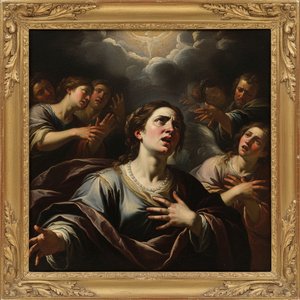
Chiaroscuro and Soul: A Definitive Guide to the Drama and Emotion of Italian Baroque Masterpieces
Embark on a sophisticated journey through Italian Baroque art. Discover the dramatic interplay of light and emotion in Caravaggio’s masterpieces and explore how to bring this timeless grandeur into your collection with expert art insights.

Italian Baroque Unlocked: High-Drama Art That Hits Hard
Dive into the high-drama world of Italian Baroque art. Discover how chiaroscuro, intense emotion, and theatrical lighting redefined aesthetics. Explore the visceral power of the Counter-Reformation through a modern lens with expert insights from OriginalUniqueArt.com.