Prepnúť na tlač
 Zobraziť viac







































 V prípade umeleckých diel alebo reprodukcií, ktorých ktorákoľvek strana je väčšia ako 105 cm (cca 41 palcov), sa rám dodáva v rozloženom stave ako sada. Táto metóda zabezpečuje bezpečnú доставu a chráni pred poškodením počas prepravy.


A Moment of Sacred Solitude
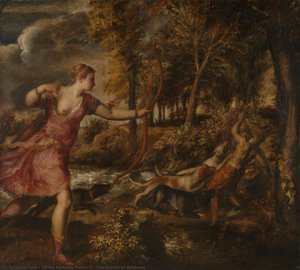
The sunlight filters through an outdoor setting, casting a soft glow upon the aged figure of Saint Jerome. He sits amidst the quietude of nature, his skin weathered by years of ascetic devotion and his white beard flowing with a sense of spiritual purity. There is a profound stillness in his posture as he engages with a book, perhaps lost in the very scriptures he seeks to translate. A deep red robe drapes heavily around his form, its folds catching the light in a way that suggests both the weight of his earthly existence and the passion of his faith. Nearby, birds drift through the air or rest upon branches, their presence acting as silent witnesses to his contemplation. The scene feels suspended in time, caught in that delicate breath between scholarly labor and divine revelation.
In the background, trees rise against a sky of serene blue, providing a natural sanctuary for the saint. Another figure lingers in the periphery, watching the scholar with an intensity that introduces a subtle layer of narrative tension. Is this observer a student, a fellow pilgrim, or perhaps a symbol of the world peering into the sanctity of the hermit's life? The interplay of light and shadow, known as chiaroscuro, defines the contours of Jerome’s face, highlighting the wisdom etched into his features while leaving parts of the landscape in soft, atmospheric mystery.
The Echo of Venetian Tradition
The technique reveals a deep connection to the visual language of Venice. The artist employs elongated figures and subtle drapery that mirror the Mannerist style, focusing on the way light interacts with texture. Every detail, from the coarse hair of the beard to the heavy fabric of the crimson garment, is rendered with a precision that speaks to a naturalist's eye. This approach brings a scientific clarity to the organic elements of the painting, yet it never loses the warmth of the human spirit.
The palette remains grounded in earthy browns and muted greens, creating a mood of deep introspection. This choice of color prevents the scene from feeling overly theatrical, instead grounding the spiritual subject in a tangible, physical reality. Through the careful use of atmospheric perspective, the distant trees seem to recede into a soft haze, pulling the viewer deeper into Jerome's private world. It is a composition where the boundaries between the natural world and the divine seem to blur, inviting anyone who looks upon it to pause and reflect on the quiet strength found in solitude.
Otázky a odpovede
Pod akými ďalšími menami je známy/á Titian Ramsay Peale II?
Titian Ramsay Peale II sa objavuje aj pod inými menami: Titian Peale.
K ktorej fáze tvorivého rozvoja Titian Ramsay Peale II patrí dielo „St Jerome“?
V rámci kariéry umelca Titian Ramsay Peale II spadá dielo „St Jerome“ do obdobia Mature Period, čo umožňuje jeho porovnanie s ostatnými prácami tohto umelca.
Kedy bolo dielo „St Jerome“ vytvorené a k ktorému umeleckému smeru patrí?
Dielo „St Jerome“ vzniklo v roku 1560 v rámci smeru Renaissance Echo. Časové určenie a umelecký smer zakotvujú toto dielo v dejinách umenia.
 Náhľad v interiéri
 Odoslať ako digitálnu kartu
 Zdieľať
 Podrobnosti o dielo
 Príručka

 Stiahnuť obraz
 Podobné položky
 RTG skúška
 Prehliadanie diapozoje
 Q&A
Q&A Štatistiky