Prepnúť na tlač
 Zobraziť viac







































 V prípade umeleckých diel alebo reprodukcií, ktorých ktorákoľvek strana je väčšia ako 105 cm (cca 41 palcov), sa rám dodáva v rozloženom stave ako sada. Táto metóda zabezpečuje bezpečnú доставu a chráni pred poškodením počas prepravy.


Titian Ramsey Peale II: A Renaissance Echo in the New World
Titian Ramsay Peale II occupies a fascinating, often overlooked niche within the landscape of 19th-century American art. Born in Philadelphia in 1799, he was steeped in artistic lineage as the youngest son of Charles Willson Peale, a pivotal figure in early American portraiture and founder of the nation’s first museum. While his father's legacy loomed large, Titian forged his own path, one deeply rooted in the aesthetic ideals of the High Renaissance, particularly those emanating from Venice. He wasn’t merely replicating styles; he was channeling a profound artistic sensibility, imbuing his canvases with a meticulous detail and vibrant color palette that set him apart from many of his contemporaries. His life unfolded against a backdrop of burgeoning American identity, yet his artistic heart remained tethered to the classical masters, creating a compelling tension between Old World reverence and New World expression.The Artist and His Work
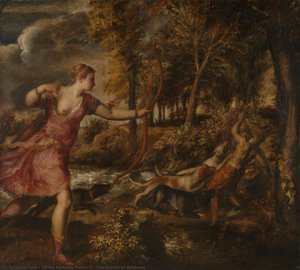
Titian Ramsay Peale II was an American artist known for his contributions to the field of natural history illustration. However, this self-portrait showcases his versatility as a painter. The painting is dated 1562, which places it within the Renaissance period, a time when artists were experimenting with new techniques and styles. This careful consideration of chronology underscores Peale’s commitment to honoring artistic traditions while simultaneously forging a distinctive visual language.Composition and Symbolism
The self-portrait depicts the artist in a contemplative mood, dressed in a robe or long coat, possibly a cape, and adorned with a necklace. The stern expression on his face suggests a deep sense of introspection. This deliberate pose—characteristic of Renaissance portraiture—serves as a conduit for conveying psychological depth. Furthermore, the attire adds texture to the scene and reinforces the artist’s status within the intellectual circles of his time. The necklace symbolizes wealth and prestige, reflecting Peale's position as a respected figure in Philadelphia society.Artistic Style
The painting is characterized by its Renaissance style, which was prevalent during the 15th to 17th centuries in Europe. This period saw a resurgence in classical Greek and Roman art forms, influencing the works of artists like Titian Ramsay Peale II. The use of oil on canvas gives the painting a rich and vibrant appearance, typical of Renaissance art. The meticulous blending of pigments—a hallmark of Venetian painters—creates luminous effects that capture the subtleties of light and shadow, enhancing the overall impression of realism.Historical Context
The Renaissance was a time of great cultural and artistic transformation. Palazzo Vescovile in Pienza, Italy, is an example of a building that houses numerous masterpieces from this era. This historic building, also known as the Bishop’s Palace, has been home to many artworks since its construction in the 15th century. Its grandeur embodies the ambition and innovation of the period—a spirit mirrored in Peale's artistic endeavors.Other Works by Titian Ramsay Peale II
Titian Ramsey Peale II was prolific in his work, producing several notable pieces. Some of his other works include:- Doge Antonio Grimani Kneeling Before the Faith
- Pieta
- Solome
Conclusion
The self-portrait by Titian Ramsay Peale II is a significant work that reflects the artistic trends of the Renaissance. It showcases the artist's ability to capture the essence of his subjects with precision and depth. For those interested in exploring more of his works, Titian Ramsay Peale II: Self-portrait is available on OriginalUniqueArt.com.References:
Otázky a odpovede
Aká je dominantná farba diela „Sebeportrét“ od Titian Ramsay Peale II?
Celé dielo „Sebeportrét“ od Titian Ramsay Peale II prechádza Od jantárovej po šafranovú odtieňom.
Ako veľmi je známe dielo „Sebeportrét“ od Titian Ramsay Peale II?
Dielo „Sebeportrét“ od Titian Ramsay Peale II má úroveň popularity Uznávaní. Táto klasifikácia odráža mier, do akej miery je toto dielo uznávané.
Ako sa dielo „Sebeportrét“ zapísalo do tém a štýlu umelca Titian Ramsay Peale II?
„Sebeportrét“ patrí k dielu Titian Ramsay Peale II v rámci smeru Renaissance, ktorého zachytané témy zahŕňajú classical revival, scientific observation, human dignity, family legacy, philadelphia museum influence, american identity formation, notable portrait series.
 Náhľad v interiéri
 Odoslať ako digitálnu kartu
 Zdieľať
 Podrobnosti o dielo
 Príručka

 Stiahnuť obraz
 Podobné položky
 RTG skúška
 Prehliadanie diapozoje
 Otázky a odpovede
 Štatistiky