

 Náhľad
 Odoslať
 Zdieľať
 Podrobnosti o dielo

 Stiahnuť
 Podobné diela
 RTG skúška
 Prezentácia
 Štatistiky
William Wynch

 Zobraziť viac
Giclée / Umenotlač
Giclée tlač alebo plátno múzeálnej kvality s rýchlou výrobou a flexibilnými možnosťami povrchovej úpravy. ( Kúpiť ručne maľovaný obraz Prepnúť na digitálny obraz)




































Vyberte si z našich preddefinovaných rozmerov, ktoré zodpovedajú pôvodným pomeroḿ diela.

Môžete zadať vlastné rozmery, aby sa reprodukcia prispôsobila konkrétnemu rámu alebo priestoru. Ak zvolená veľkosť nebude zodpovedať proporciám originálu, dielo buď orežeme, alebo obraz rozšírime pomocou zrkadlenia či farebného doplnenia okrajov. Pred začatím výroby vám pošleme digitálnu ukážku na schválenie.
Máte na vedomí, že náhľad na obrazovke neodzrkadľuje skutočné orezanie alebo rozšírenie. Len digitálna ukážka presne zobrazí finálnu kompozíciu.
Hoci sú k dispozícii vlastné rozmery, pre zachovanie pôvodných proporcií odporúčame vybrať si rozmer z vopred definovaného zoznamu.
Celosvetová doprava () do 2 týždňov namiesto štandardných 4/5 týždňov. (12 september)

Bezplatná expresná doprava po celom svete

Prémiové lnianske plátno

Kompletné poistenie prepravy

Záruka vrátenia colného poplatku

Záruka presného farebného zhodnutia

100-dená politika vrátenia tovaru (iba pri vadách)

100% záruka vrátenia peňazí

Výhodná množstevná zľava
 Možnosť skla je dostupná len pri rozmeroch pod 110 cm

William Wynch
Giclée / Umenotlač
Veľkosť reprodukcie
-


Celková cena za vybrané možnosti
$ 80
Biografia umelca
Prvý Angličan malujúci Indiu
Tilly Kettle (1735–1786) predstavuje výnimočnú postać v dejinách britského umenia – bol to prvý významný anglický portrétny maliar, ktorý sa úspešne etabloval v živobudúcom kultúrnom prostredí Indie počas vrcholu nadvlády Britskej východnoindickej kompánie. Narodený v Londýne ako syn maliara kočov, z rodiny hlboko zapustenej do pivovarníckej tradície už celé päťdesiate roky, začal Kettle svoju umeleckú cestu základným výkonom pod vedením Williama Shipleyho v oblasti Strand. Toto skoré učňovstvo ho vložilo do rozkvitajúceho umeleckého prostredia, ktoré túžilo objavovať nové obzory mimo tradičných hraníc anglického vidieka.
Jeho profesionálne kroky do sveta portrétnej maľby sa začali ррastú v 50. rokoch 18. storočia, kedy si rýchlo získal uznanie vďaka schopnosti zachytávať podobu s pozoruhodnou presnosťou a citom. Kettleho rané plátna – predovšetkým autoportréty z roku 1760 – okamžite naznačili jeho ambície a upevnili jeho postavenie ako vychádzajúceho talentu v Spoločnosti umelcov, založenej v roku 1761. Táto prvotná výstavba posilnila jeho pozíciu medzi spolupracovníkmi usilujúcimi o uznanie a pohnala ho k získavaniu väčších zakázok. Jeho raná kariéra bola poznačená vyvinutou schopnosťou dokumentovať dôstojnosť a status svojich subjektov, čo sa najvýraznejšie prejavilo v jeho práci s členmi rodiny Dartmouth.
Mimo hraníc Anglicie je Kettleho odkaz definovaný jeho mimoriadne významnou expedíciou v roku 1768. Cestujúc v sprievode Britskej východnoindickej kompánie, pristál v Madrase – čo bola skúsenosť, ktorá hlboko transformovala jeho umeleckú víziu aj témy jeho tvorby. Toto obdobie mu umožnilo premostiť dva svety a skombinovať európske neklasické techniky s exotikou a veľkoleposťou indického subkontinentu. Jeho dielo z tejto éry slúži ako dôležitý historický záznam, zachytávajúci komplexné pretiekanie britskej koloniálnej prítomnosti a miestneho indického života.
Umelecké majstrovstvo a významné diela
Kettleho technika bola charakteristická pozoruhodným realizmom a schopnosťou vykresliť nielen textúru luxusných tkanín, ale aj jemné nuansy ľudských emócií. Jeho repertoár zahŕňa široké spektrum tém, od aristokratickej elegancie georgskej Anglie až po dominantné postavy spojené s vplyvom východnoindickej kompánie v Indii. Medzi jeho najvýznamnejšie príspevky do sveta umenia patria:
- Portrét Anne Howard-Vyse: Úchvatný portrét z roku 1780, ktorý demonštruje opulentnú módu danej éry, s extravagantnou parochňou a čiapkou, ktoré ponúkajú pohľad do aristokratického štýlu georgskej Anglie.
- Kapitán Peter Marriette, kapitán lodí: V roku 1769 vytvorený neklasický portrét využíva paletu modrej a zelenej s prvkami zlata, aby vykreslil staršieho kapitána s hlbokým historickým významom a realizmom.
- Eliza a Mary Davidsonová: Pokojné neklasické dielo zobrazujúce dve mladé ženy v lesnatom prostredí, ktoré dokazuje Kettleovu majstrosť v 18. storočnej elegancii a naturalistických scenériách.
- Indické portréty: Jeho dokumentácia postáv ako Lord Pigot a Muhammad Ali Khan, ktoré stoja ako dôkaz jeho schopnosti navigovať a interpretovať kultúrne zložitosti Madrasu.
Protrávajúc tieto diela, Kettle robil viac než len prosté zaznamenávanie tvárí; zachytil samotnú podstatu éry definovanej expanziou, obchodom a stretnutím odlišných kultúr. Jeho schopnosť prispôsobiť svoj štýl tak, aby vyhovoval formálnym požiadavkám britskej portrétnej maľby aj živému, často ohromujúcemu zmyslovému prostrediu Indie, mu zabezpečuje trvajúce miesto v kronikách dejín umenia.

Tilly Kettle
1735 - 1786 , United Kingdom
Základné informácie
- Artistic Movement Or Style: Neaklasicizmus
- Artists Or Movements Influenced By This Artist: ['Brasenose College']
- Artists Who Influenced This Artist: ['William Shipley']
- Date Of Birth: Londýn, Spojené kráľovstvo (1735)
- Date Of Death: 1786
- Full Name: Tilly Kettle
- Nationality: Britská
- Notable Artworks:
- Eliza & Mary Davidson
- Captain Peter Marriette
- Commodore John Watson
- Place Of Birth: Londýn
Súvisiace články

Oil on Canvas: A Historical & Technical Exploration of a Timeless Artistic Medium
Explore the rich history & enduring techniques of oil painting on canvas. Discover the science behind its longevity, conservation practices, and contemporary relevance. Expert insights for art enthusiasts.

The Enduring Power of Painting: A Historical & Contemporary Exploration of Form and Emotion
Explore the rich history & enduring techniques of oil painting with OriginalUniqueArt. Discover masterpieces, learn about art collecting, and find authentic handmade reproductions crafted by skilled artists.

The Enduring Legacy of Oil on Canvas: Technique, History & Aesthetic Impact
Explore the rich history & techniques of oil painting – from Renaissance masters to Impressionism. Discover pigments, layering methods, and why this timeless medium endures. Expert insights for artists & art enthusiasts.
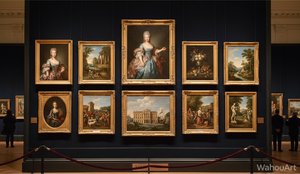
Top 10 diel 18. storočia: Majstri a príbehy v umení pre váš domov
Ponorte sa do sveta 18. storočia s OriginalUniqueArt! Objavte top 10 diel od David, Boucher a ďalších majstrov baroka a rokoka. Reprodukcie obrazov pre váš domov – luxusné dekorácie a inšpirácia na OriginalUniqueArt.com

Trvalé dedičstvo olejomaľby: Technika, história a súčasná prax
Objavte trvalé dedičstvo olejomaľby! Prehľad techník, histórie a súčasnej praxe. Naučte sa o majstrovských postupoch a kvalitných reprodukciách diel od renesancie po súčasnosť.