- Domov

- Tlač na plátno
- thomas spencer
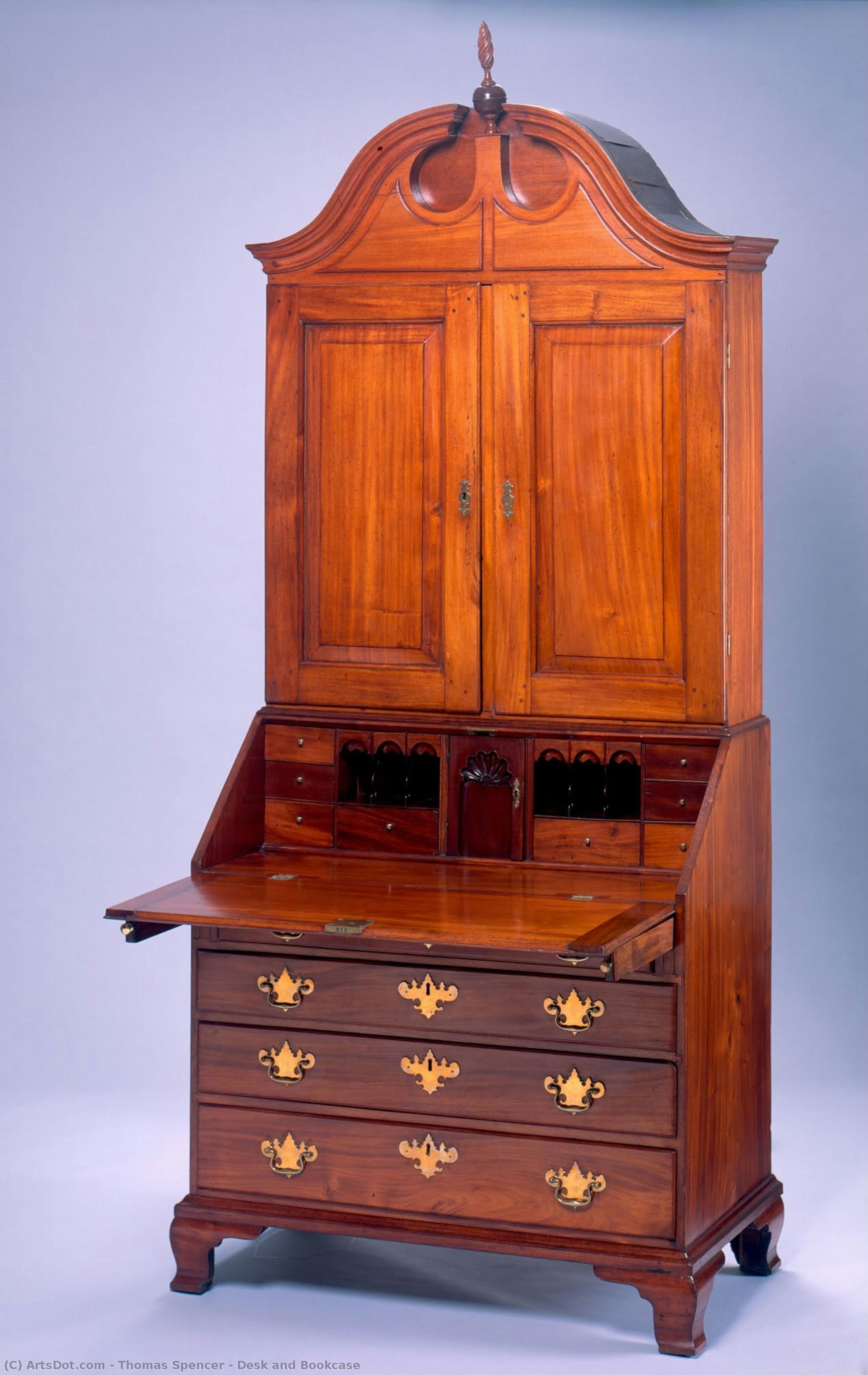
- Desk and Bookcase
 Náhľad
 Odoslať
 Zdieľať
 Podrobnosti o dielo

 Stiahnuť
 Podobné diela
 RTG skúška
 Prezentácia
Desk and Bookcase

 Zobraziť viac
Giclée / Umenotlač
Giclée tlač alebo plátno múzeálnej kvality s rýchlou výrobou a flexibilnými možnosťami povrchovej úpravy. ( Prejsť na ručne maľovanú reprodukciu Prepnúť na obrázok)




































Vyberte si z našich preddefinovaných rozmerov, ktoré zodpovedajú pôvodným pomeroḿ diela.

Môžete zadať vlastné rozmery, aby sa reprodukcia prispôsobila konkrétnemu rámu alebo priestoru. Ak zvolená veľkosť nebude zodpovedať proporciám originálu, dielo buď orežeme, alebo obraz rozšírime pomocou zrkadlenia či farebného doplnenia okrajov. Pred začatím výroby vám pošleme digitálnu ukážku na schválenie.
Máte na vedomí, že náhľad na obrazovke neodzrkadľuje skutočné orezanie alebo rozšírenie. Len digitálna ukážka presne zobrazí finálnu kompozíciu.
Hoci sú k dispozícii vlastné rozmery, pre zachovanie pôvodných proporcií odporúčame vybrať si rozmer z vopred definovaného zoznamu.
Celosvetová doprava () do 2 týždňov namiesto štandardných 4/5 týždňov. (30 júl)

Bezplatná expresná doprava po celom svete

Prémiové lnianske plátno

Kompletné poistenie prepravy

Záruka vrátenia colného poplatku

Záruka presného farebného zhodnutia

60-dňá politika vrátenia (iba pri defektoch)

100% záruka vrátenia peňazí

Výhodná množstevná zľava
 Možnosť skla je dostupná len pri rozmeroch pod 110 cm

Desk and Bookcase
Giclée / Umenotlač
Veľkosť reprodukcie
-


Celková cena za vybrané možnosti
$ 80
Biografia umelca
Early Life and Artistic Beginnings
Thomas Spencer, born in 1700 in East Greenwich, Kent County, Rhode Island, emerged from a lineage deeply rooted in the craft traditions of early America. His father, Thomas Spencer (1717–1753), was a versatile figure – shipwright, yeoman, cordwainer, and even high sheriff – embodying the industrious spirit of colonial life. This practical background, coupled with the artistic inclinations of his grandfather John Spencer, a carpenter, laid the foundation for young Thomas’s future path. While detailed records of his formal training remain elusive, it is clear that he apprenticed within the local joinery community, absorbing the techniques and aesthetic sensibilities prevalent in 18th-century New England. The early years were likely spent mastering the fundamentals of woodworking, learning to shape and refine materials before venturing into more specialized artistic endeavors. His maternal grandfather, Daniel Goddard, a housewright and shipwright, further solidified this familial connection to skilled trades.A Portraitist of Colonial Society
Spencer quickly established himself as a sought-after portrait painter in the mid-18th century, catering to the burgeoning gentry of Rhode Island and beyond. His work provides a fascinating glimpse into the lives and aspirations of colonial society. Unlike many artists of the period who focused on grand historical or mythological themes, Spencer’s canvases primarily depicted individuals – landowners, merchants, military figures – capturing their likenesses with remarkable clarity and attention to detail. A Gray Hunter Held by a Groom (1751) exemplifies his mastery of equestrian portraiture, showcasing not only the subject's social standing but also a deep appreciation for the natural world. The classical style he employed, while influenced by European traditions, was adapted to suit the American context, resulting in portraits that were both elegant and distinctly local. He wasn’t merely recording appearances; Spencer imbued his subjects with a sense of dignity and character, reflecting their roles within the community.The Greene Commission and Historical Significance
A pivotal moment in Spencer's career came with a commission from General Nathanael Greene in June 1775 for a “Mehogane Desk & Book Case.” This documented transaction, unearthed through research of Greene’s expenses, provides concrete evidence of Spencer’s professional activity and his connection to prominent figures during the Revolutionary War era. The desk-and-bookcase itself, now housed at the High Museum of Art in Atlanta, is a testament to Spencer's skill as a furniture maker and offers valuable insights into the tastes of the time. The discovery of this commission has elevated Spencer’s status from a relatively obscure colonial artist to a figure of historical importance, linking him directly to one of America’s founding fathers. Portrait of George Spencer, painted by Thomas Gainsborough, while not directly attributable to our Thomas Spencer, highlights the familial connections and artistic circles within which he operated.Style, Influences, and Lasting Legacy
Spencer's artistic style was characterized by a blend of realism and understated elegance. He favored a muted palette, employing subtle gradations of color to create depth and atmosphere. While influenced by the Rococo movement prevalent in Europe, his work lacked the excessive ornamentation often associated with that style. Instead, he prioritized clarity of form and meticulous attention to detail. His portraits are notable for their psychological insight, capturing not only the physical likenesses of his subjects but also their inner character. Although a comprehensive catalogue raisonné remains elusive, existing works suggest a consistent artistic vision throughout his career. He died in 1753, leaving behind a legacy that continues to resonate with scholars and art enthusiasts alike. His paintings offer a unique window into the lives and values of colonial America, providing invaluable insights into a pivotal period in American history. The rediscovery and reevaluation of his work underscore the importance of recognizing the contributions of lesser-known artists who played a vital role in shaping the nation’s cultural landscape.
Základné informácie
- Artistic Movement Or Style: Post-Impressionism
- Date Of Death: Living
- Full Name: Thomas Spencer
- Nationality: English
- Notable Artworks:
- A Gray Hunter Held by a Groom
- Portrait of George Spencer

