

 Zobraziť v interiéri
 Odoslať
 Zdieľať
 Podrobnosti
 Príručka

 Stiahnuť
 Podobné položky
 RTG skúška
 Prehliadanie diapo\]
 Štatistiky
Joseph Banks


 Prečítať si viac
Giclée / Umenotlač
Giclée tlač alebo plátno múzeálnej kvality s rýchlou výrobou a rôznymi možnosťami povrchovej úpravy. ( Objednať ručne maľovanú reprodukciu Prepnúť na digitálnu verziu obrazu)




P118B €10

P118H €10

P118W €10

P438Z €10

P508JH €12

P508YH €12

P805H €10

P805Z €10

P919BZ €10

P919G €10

P919XJ €10

P959ZH €10

P968JZ €12

W106C €8

W218G €10

W218JH €8

W218Y €10

W307PJ €10

W316G €10

W316PJ €8

W316Y €10

W398PJ €8

W4111J €10

W500HY €15

W500JH €15

W692G €12

W849H €8

W940BG €15

W953PJ €8




Vyberte si z našich preddefinovaných rozmerov, ktoré zodpovedajú pôvodným pomeroḿ diela.

Zadajte šírku a výšku, ktoré potrebujete, aby sa reprodukcia hodila k vášmu rámu alebo stene. Print možno len orezávať, nikdy však nemennú veľkosť zvětšiť oproti pôvodnému obrázku, preto pri inom formáte stráca časť obrazu. Pred samotným vytlačiacím procesom vám pošleme digitálny náhľad na schválenie. Obrázok zobrazený na tejto stránke nezobrazuje reálny rez — len digitálny náhľad ukazuje presný výsledok.
Celosvetová doprava () do 2 týždňov namiesto štandardných 4 až 5 týždňov. (24 október)

Bezplatná expresná doprava po celom svete

Vysokokvalitné lnianske plátno

Úplné poistenie prepravy

Záruka vrátenia colného poplatku

Záruka presného farebného zhodnutia

100-dená politika vrátenia tovaru (iba pri vadách)

100% záruka vrátenia peňazí

Ponuka množstevnej zľavy
 Možnosť skla je dostupná len pri rozmeroch pod 110 cm

Joseph Banks
Giclée / Umenotlač
Veľkosť reprodukcie
-


Celková cena
€ 70
A Portrait of Scientific Grandeur: Joseph Banks by Thomas Phillips
Thomas Phillips’s “Portrait of Joseph Banks” is more than simply a likeness; it's a meticulously crafted tableau of scientific ambition, colonial aspiration, and the burgeoning confidence of the British Enlightenment. Completed in 1809, this remarkable painting captures Sir Joseph Banks – a man who profoundly shaped our understanding of the natural world – at the apex of his influence as President of the Royal Society and a key figure in Captain James Cook’s groundbreaking voyages. The image isn't merely a representation of a man; it’s an embodiment of a nation’s expanding horizons, a visual testament to the era’s fervent belief in exploration and discovery.
The composition immediately draws the eye to Banks himself, seated with dignified composure within the opulent confines of the Royal Society's Presidential chair. The chair, adorned with its coat of arms – a potent symbol of authority and scientific prestige – anchors him firmly within his position of leadership. His posture is one of quiet strength, yet there’s an undeniable air of intellectual curiosity about him; his gaze, directed directly at the viewer, invites engagement and suggests a mind constantly engaged in observation and analysis. The subtle tilt of his head, combined with the slight downward cast of his eyes, hints at a contemplative nature, a man deeply immersed in the intricacies of the natural world.
The Language of Detail: Technique and Style
Phillips’s mastery lies not just in capturing Banks's likeness but in rendering the textures and nuances of his attire and surroundings with astonishing precision. The painting is executed in the style of English portraiture prevalent during the early 19th century, characterized by a refined elegance and an emphasis on realistic detail. The use of oil paints allows for a remarkable depth of color and shading, creating a sense of three-dimensionality that brings the scene to life. Note the meticulous rendering of Banks’s coat – the rich fabric, the subtle sheen of the buttons, the intricate embroidery—each element contributing to an overall impression of wealth, status, and scholarly dedication.
The background is equally significant. The marble fireplace, with its lion's head motif, speaks to the grandeur of the Royal Society’s headquarters. The inclusion of a manuscript detailing botanical discoveries – a clear reference to Banks’s life’s work – subtly reinforces his scientific credentials. Even the placement of the mace cushion and inkstand, symbols of authority and intellectual pursuit, are carefully considered, adding layers of meaning to the composition.
A Symbol of Colonial Ambition
“Portrait of Joseph Banks” is inextricably linked to the era’s colonial ambitions. Banks's role in Cook’s voyages was pivotal in establishing British presence in Australia and shaping early scientific understanding of the Pacific region. The painting, therefore, can be interpreted as a visual endorsement of this expansionist policy. Banks’s confident demeanor and association with the Royal Society project an image of British intellectual superiority—a narrative designed to justify colonial endeavors.
However, it's crucial to acknowledge the complexities inherent in this interpretation. While the painting undoubtedly celebrates British scientific achievement, it also reflects the ethical dilemmas associated with colonialism. Banks’s legacy is one of both remarkable discovery and complicity in a system that profoundly impacted Indigenous populations. Considering these historical nuances adds depth and resonance to our understanding of the artwork.
Emotional Resonance and Lasting Legacy
Beyond its historical context, “Portrait of Joseph Banks” possesses a powerful emotional resonance. The painting evokes a sense of intellectual curiosity, quiet determination, and the enduring human desire to explore and understand the world around us. Banks’s gaze invites viewers to share in his passion for knowledge and his belief in the transformative power of scientific discovery.
Reproductions of this iconic portrait continue to captivate audiences today, serving as a reminder of a pivotal figure in the history of science and exploration. It stands not just as a beautiful work of art but as a window into a fascinating era—an era defined by both remarkable progress and profound ethical challenges.
Otázky a odpovede
Ktorá farba dominuje v diele „Joseph Banks“?
Dominantnou farbou diela „Joseph Banks“ od Thomas Phillips je Espresso (#443225).
K ktorej fáze tvorivého rozvoja Thomas Phillips patrí dielo „Joseph Banks“?
"Joseph Banks" predstavuje Early Maturity umelca Thomas Phillips.
Kde sa nachádza „Joseph Banks“ v rámci opakujúcich sa tém umelca Thomas Phillips?
Opakujúce sa témy umelca Thomas Phillips zahŕňajú neoclassical ideals, scientific observation, british colonial ambitions, exploration, royal society patronage, prestige, portraiture’s social commentary”, banks's legacy; dielo „Joseph Banks“ sa zameriava na portraiture, naturalism, botany, science, exploration, society, british art.
Biografia umelca
Thomas Phillips: A Master of Light and Character in 19th-Century British Portraiture
Thomas Phillips, born in Dudley, Worcestershire, in 1770, represents a fascinating confluence of artistic disciplines – initially trained as a glass painter, he ultimately ascended to become one of the most celebrated portraitists of his era. His journey from the meticulous craft of decorative glass to the grand halls of London’s Royal Academy is a testament to his innate talent and unwavering dedication. Phillips's work isn’t merely about capturing likeness; it’s an exploration of character, imbued with a remarkable sensitivity to light, color, and the subtle nuances of human expression.
His early years were shaped by his apprenticeship under Francis Eginton in Birmingham, where he honed his skills in glass-painting. This foundational experience instilled within him a profound appreciation for detail – a meticulousness that would later become a hallmark of his portraiture. The intricate patterns and vibrant hues of stained glass demanded an acute eye for color mixing and composition, providing a crucial training ground for the artist’s future endeavors. It was in 1790 that Phillips embarked on a pivotal journey to London, armed with a letter of introduction to Benjamin West, a leading figure at the Royal Academy. West's mentorship proved transformative, opening doors to employment on the painted-glass windows of St George’s Chapel at Windsor Castle – a demanding but invaluable opportunity to refine his artistic abilities within a grand architectural setting.
The Rise of a Portraitist: Style and Subject Matter
Phillips’s transition into portraiture was gradual yet deliberate. While initially undertaking landscape and historical scenes, he quickly recognized the burgeoning demand for individual portraits amongst London's elite. His style evolved rapidly, drawing upon both his glass-painting training – particularly his understanding of light and shadow – and the prevailing artistic trends of the late 18th and early 19th centuries. He possessed a rare ability to capture not just physical likeness but also something of the sitter’s inner life—their character, intellect, and even their mood. This wasn't simply replication; it was an attempt to reveal the soul behind the surface.
His early subjects were largely unknown individuals – tradesmen, servants, and members of the lower classes. However, through perseverance and a growing reputation for skill, Phillips steadily ascended the social ladder, attracting increasingly prominent figures to his studio. The portraits he produced during this period—often unsigned in the catalogues—were characterized by their understated elegance and remarkable realism. He skillfully employed subtle gradations of tone and color to create a sense of depth and atmosphere, capturing not just the appearance but also the essence of his subjects.
Royal Patronage and Academic Recognition
The year 1804 marked a turning point in Phillips’s career with his election as an associate of the Royal Academy. This prestigious recognition solidified his position within the established art world, alongside luminaries such as Thomas Lawrence and John Hoppner. Shortly thereafter, he relocated to 8 George Street, Hanover Square – a prestigious address that would serve as his home and studio for the remainder of his life. His clientele expanded dramatically during this period, encompassing members of the royal family, including the Prince of Wales (later George IV), as well as prominent figures from the aristocracy, literary circles, and scientific communities.
Amongst his most celebrated portraits are those of William Blake, a visionary poet and artist; Lord Byron, the flamboyant Romantic hero; and Sir Joseph Banks, the renowned botanist. The portrait of William Blake, now housed in the National Portrait Gallery, is particularly noteworthy for its evocative depiction of the poet’s intense gaze and spiritual depth. Phillips's ability to capture the essence of these extraordinary individuals cemented his reputation as one of the foremost portraitists of his time.
Later Years: Professorship and Legacy
In 1825, Thomas Phillips was appointed Professor of Painting at the Royal Academy, a position he held until 1832. This role afforded him the opportunity to share his artistic knowledge and techniques with aspiring artists, shaping the future of British painting. He published *Lectures on the History and Principles of Painting* in 1833, offering insights into his artistic philosophy and pedagogical approach – a testament to his enduring influence on the art world.
Phillips’s legacy extends beyond his individual works. His meticulous attention to detail, combined with his profound understanding of human psychology, established him as a master of portraiture. His paintings offer a captivating glimpse into the lives and personalities of some of Britain's most influential figures—a testament to his skill, sensitivity, and enduring artistic vision. The portraits he created continue to be admired for their beauty, realism, and the profound sense of character they convey.

Thomas Phillips
1770 - 1845 , Spojené kráľovstvo
Rýchle fakty
- Artistic Movement Or Style: Romantizmus
- Artists Or Movements Influenced By This Artist: ['Benjamin West']
- Artists Who Influenced This Artist: ['Benjamin West']
- Date Of Birth: 1770
- Date Of Death: 1845
- Full Name: Thomas Phillips
- Nationality: Britský
- Notable Artworks:
- Venüs a Adonísa
- Lord Byron
- Place Of Birth: Dudley, UK
Súvisiace články

Sir Thomas Lawrence: Portraiture, Power & Regency Society's Aesthetics
Explore the captivating world of Sir Thomas Lawrence, Regency England's premier portraitist. Discover his artistic techniques, powerful representations of society, and enduring legacy. Expert insights for discerning art collectors.

Thomas Phillips: Portraiture, Patronage & the Rise of Victorian Society Art
Explore the life & work of Thomas Phillips (1770-1845), a leading Victorian portrait painter renowned for his captivating portrayals of Britain's 'men of genius'. Discover his artistic journey, patronage, and lasting legacy.
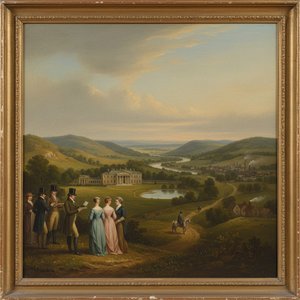
Thomas Barker of Bath: Landscape Painting & Societal Reflection in Early 19th-Century England
Explore the life & work of Thomas Barker of Bath, a key figure in 19th-century English Romanticism. Discover his Parisian success, iconic paintings like 'The Bride of Death', and lasting artistic legacy. Learn more at OriginalUniqueArt.

Majesty on Canvas: A Definitive Guide to Iconic Royal Portraits Through Art History
Explore the profound history of royal portraiture. From Baroque grandeur to Victorian elegance, discover how master artists captured power and lineage on canvas through the timeless medium of oil painting.

Sir Francis Grant: Portraiture, Patronage & Victorian Society
Explore the life & work of Sir Francis Grant, a leading Victorian portraitist. Discover his aristocratic clientele, role at the Royal Academy, and enduring artistic legacy. Learn about art patronage in 19th-century Britain.