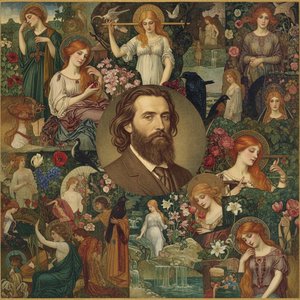
Everard Home
Ručne maľovaná olejová reprodukcia
Ručne maľovaný olej na plátne vo vašej zvolenej veľkosti a v ráme, vyrobený na mieru našimi umelcami.
P118B $10
P118H $10
P118W $10
P438Z $10
P508JH $12
P508YH $12
P805H $10
P805Z $10
P919BZ $10
P919G $10
P919XJ $10
P959ZH $10
P968JZ $12
W106C $8
W218G $10
W218JH $8
W218Y $10
W307PJ $10
W316G $10
W316PJ $8
W316Y $10
W398PJ $8
W4111J $10
W500HY $15
W500JH $15
W692G $12
W849H $8
W940BG $15
W953PJ $8
Vyberte si z našich preddefinovaných rozmerov, ktoré zodpovedajú pôvodným pomeroḿ diela.
Môžete zadať vlastné rozmery tak, aby sa hodili do konkrétneho rámu alebo priestoru. Ak sa váš zvolený rozmer nezhoduje s pôvodnými proporciami obrazu, dielo buď orezáme, alebo ho doplníme ručne maľovanými prvkami. Pred začiatkom výroby vám zašleme digitálny náhľad na schválenie.
Upozorňujeme, že ukážka na obrazovke neodráža skutočné orezanie alebo doplnenie. Skutočnú finálnu kompozíciu zobrazuje iba digitálny náhľad.
Hoci sú k dispozícii vlastné rozmery, odporúčame vybrať rozmer z preddefinovaného zoznamu, aby sme zachovali pôvodné proporcie.
Po odoslaní objednávky vám tím OriginalUniqueArt.com pošle e-mail s pokynmi a poskytne náhľad na návrh.
Celosvetová doprava () za 3 až 4 týždne namiesto štandardných 5 týždňov. (23 júl). Bez kompromisov v kvalite.
Bezplatná expresná doprava po celom svete
Prémiové lnianske plátno
Kompletné poistenie prepravy
Záruka vrátenia colného poplatku
Záruka presného farebného zhodnutia
60-dňá politika vrátenia (iba pri defektoch)
100% záruka vrátenia peňazí
Výhodná množstevná zľava
Everard Home
Technika reprodukcie
Veľkosť reprodukcie
-
Celková cena za vybrané možnosti
-
Popis diela
The Enigmatic Presence of Everard Home
Thomas Phillips’s 1829 portrait of Everard Home is more than a simple likeness; it's a carefully constructed tableau of intellectual authority and understated elegance, embodying the spirit of the early Victorian era. The painting immediately commands attention with its formal composition – Home sits rigidly upright, his posture radiating an almost unnerving self-assurance. His gaze, direct and unwavering, pierces the viewer, suggesting both profound knowledge and a hint of reserved judgment. The stark red walls behind him aren’t merely a backdrop; they create a sense of contained space, mirroring the disciplined mind within. The muted palette – dominated by deep browns, blacks, and subtle greys – reinforces this feeling of gravitas, lending the scene an air of scholarly seriousness.
- Subject Matter: The portrait focuses entirely on Home himself, minimizing any distractions or contextual elements. This deliberate isolation emphasizes his individual importance and intellectual standing.
- Technique: Phillips masterfully employs a technique known as ‘stale varnish,’ a process common in the period that gives the painting a slightly aged, almost sepia-toned appearance. This adds to the sense of historical weight and reinforces the image’s connection to the past. The brushwork is remarkably detailed, particularly in capturing the texture of Home's coat and the subtle nuances of his face – the furrowed brow, the slight downturn of the mouth, all contribute to a portrait brimming with character.
A Man of Science and Patronage
Everard Home’s life was inextricably linked to the burgeoning scientific community of London. A surgeon, anatomist, and pioneering naturalist, he made significant contributions to our understanding of animal physiology, particularly in his detailed studies of the platypus – a creature he famously identified as ovoviviparous, a groundbreaking observation at the time. Phillips’s portrait reflects this intellectual prowess; Home's attire—a dark coat and yellow tie—suggests a man of refined taste and scholarly pursuits. The inclusion of spectacles subtly underscores his dedication to scientific inquiry, hinting at countless hours spent poring over anatomical diagrams and conducting meticulous experiments.
Historical Context:The painting was created during a period of immense intellectual ferment in Britain – the rise of Newtonian science, the expansion of the British Empire, and the growing influence of the Royal Society. Home’s position within this landscape is subtly conveyed through the portrait; he represents the epitome of Victorian intellect and scientific achievement.
Symbolism and the Victorian Ideal
Beyond a simple likeness, Phillips's portrait operates on several symbolic levels. The rigid posture and direct gaze can be interpreted as representing the Victorian ideal of stoicism and self-control – qualities highly valued in men of science and public life. The red walls, often associated with power and authority, further reinforce this sense of importance. Furthermore, the painting’s formality—the carefully arranged composition, the restrained palette—reflects the prevailing aesthetic sensibilities of the era: a preference for order, restraint, and intellectual seriousness. The portrait is not merely a representation of a man; it's an embodiment of a particular worldview.
A Legacy in Reproduction
Reproductions of Thomas Phillips’s “Everard Home” offer a remarkable opportunity to bring this compelling portrait into contemporary homes and spaces. The painting’s rich detail, evocative atmosphere, and historical significance make it an ideal addition to libraries, studies, or any room where intellectual curiosity and appreciation for the past are valued. When selecting a reproduction, consider the quality of the print – a high-resolution digital print on archival paper will best capture the nuances of Phillips's original work, ensuring that this enduring portrait continues to captivate viewers for generations to come.
Biografia umelca
Thomas Phillips: A Master of Light and Character in 19th-Century British Portraiture
Thomas Phillips, born in Dudley, Worcestershire, in 1770, represents a fascinating confluence of artistic disciplines – initially trained as a glass painter, he ultimately ascended to become one of the most celebrated portraitists of his era. His journey from the meticulous craft of decorative glass to the grand halls of London’s Royal Academy is a testament to his innate talent and unwavering dedication. Phillips's work isn’t merely about capturing likeness; it’s an exploration of character, imbued with a remarkable sensitivity to light, color, and the subtle nuances of human expression.
His early years were shaped by his apprenticeship under Francis Eginton in Birmingham, where he honed his skills in glass-painting. This foundational experience instilled within him a profound appreciation for detail – a meticulousness that would later become a hallmark of his portraiture. The intricate patterns and vibrant hues of stained glass demanded an acute eye for color mixing and composition, providing a crucial training ground for the artist’s future endeavors. It was in 1790 that Phillips embarked on a pivotal journey to London, armed with a letter of introduction to Benjamin West, a leading figure at the Royal Academy. West's mentorship proved transformative, opening doors to employment on the painted-glass windows of St George’s Chapel at Windsor Castle – a demanding but invaluable opportunity to refine his artistic abilities within a grand architectural setting.
The Rise of a Portraitist: Style and Subject Matter
Phillips’s transition into portraiture was gradual yet deliberate. While initially undertaking landscape and historical scenes, he quickly recognized the burgeoning demand for individual portraits amongst London's elite. His style evolved rapidly, drawing upon both his glass-painting training – particularly his understanding of light and shadow – and the prevailing artistic trends of the late 18th and early 19th centuries. He possessed a rare ability to capture not just physical likeness but also something of the sitter’s inner life—their character, intellect, and even their mood. This wasn't simply replication; it was an attempt to reveal the soul behind the surface.
His early subjects were largely unknown individuals – tradesmen, servants, and members of the lower classes. However, through perseverance and a growing reputation for skill, Phillips steadily ascended the social ladder, attracting increasingly prominent figures to his studio. The portraits he produced during this period—often unsigned in the catalogues—were characterized by their understated elegance and remarkable realism. He skillfully employed subtle gradations of tone and color to create a sense of depth and atmosphere, capturing not just the appearance but also the essence of his subjects.
Royal Patronage and Academic Recognition
The year 1804 marked a turning point in Phillips’s career with his election as an associate of the Royal Academy. This prestigious recognition solidified his position within the established art world, alongside luminaries such as Thomas Lawrence and John Hoppner. Shortly thereafter, he relocated to 8 George Street, Hanover Square – a prestigious address that would serve as his home and studio for the remainder of his life. His clientele expanded dramatically during this period, encompassing members of the royal family, including the Prince of Wales (later George IV), as well as prominent figures from the aristocracy, literary circles, and scientific communities.
Amongst his most celebrated portraits are those of William Blake, a visionary poet and artist; Lord Byron, the flamboyant Romantic hero; and Sir Joseph Banks, the renowned botanist. The portrait of William Blake, now housed in the National Portrait Gallery, is particularly noteworthy for its evocative depiction of the poet’s intense gaze and spiritual depth. Phillips's ability to capture the essence of these extraordinary individuals cemented his reputation as one of the foremost portraitists of his time.
Later Years: Professorship and Legacy
In 1825, Thomas Phillips was appointed Professor of Painting at the Royal Academy, a position he held until 1832. This role afforded him the opportunity to share his artistic knowledge and techniques with aspiring artists, shaping the future of British painting. He published *Lectures on the History and Principles of Painting* in 1833, offering insights into his artistic philosophy and pedagogical approach – a testament to his enduring influence on the art world.
Phillips’s legacy extends beyond his individual works. His meticulous attention to detail, combined with his profound understanding of human psychology, established him as a master of portraiture. His paintings offer a captivating glimpse into the lives and personalities of some of Britain's most influential figures—a testament to his skill, sensitivity, and enduring artistic vision. The portraits he created continue to be admired for their beauty, realism, and the profound sense of character they convey.
Thomas Phillips
1770 - 1845 , Spojené kráľovstvo
Základné informácie
- Artistic Movement Or Style: Romantizmus
- Artists Or Movements Influenced By This Artist: ['Benjamin West']
- Artists Who Influenced This Artist: ['Benjamin West']
- Date Of Birth: 1770
- Date Of Death: 1845
- Full Name: Thomas Phillips
- Nationality: Britský
- Notable Artworks:
- Venüs a Adonísa
- Lord Byron
- Place Of Birth: Dudley, UK


Možnosť skla je dostupná len pri rozmeroch pod 110 cm