Contemporary Realism · 1874
Forgiven (Thomas Faed, 1874)
Thomas Faed (1826–1900) vytvoril Forgiven. Pochádza z roku 1874. Patrí k umeleckému smeru Contemporary Realism. Je vyrobené z Oil On Canvas. Nachádza sa v Guildhall Art Gallery v Londýn, United Kingdom. Rozmery sú 36 × 48 cm.
- 1874
- Oil On Canvas
- 36 × 48 cm
- Guildhall Art Gallery, Londýn

 Náhľad v interiéri

 Ručne maľovaná olejná reprodukcia
 Odoslať ako digitálnu kartu
 Zdieľať
 Informačný list pre študentov


 Stiahnuť obraz
 Podobné položky
 RTG skúška
 Prehliadanie diapozoje
 Otázky a odpovede

 Štatistiky
Forgiven v krátkosti
- Názov
- Forgiven
- Umelec
- Thomas Faed (1826–1900)
- Narodený v roku
- Kirkcudbright, Spojené kráľovstvo
- Dátum
- 1874
- Médium
- Oil On Canvas
- Rozmery
- 36 × 48 cm
- Kde si ho pozrieť
- Guildhall Art Gallery, Londýn, United Kingdom
- Pohyb
- Contemporary Realism
- Obdobie
- 19th Century
- Predmet
- family portrait, domestic scene, victorian era, warmth, rural life, intimate moment
Čo zobrazuje Forgiven?
Identification of Forgiven by Thomas Faed
In this intimate oil on canvas, titled Forgiven, the Scottish artist Thomas Faed explores the quietude of domestic life. Created in 1874, the work offers a glimpse into the sentimental realism that defined much of Faed's career. The piece is modest in scale, measuring 36 x 48 cm, which encourages a close, personal encounter with the figures depicted.
Faed, born in 1826 in Gatehouse of Fleet, United Kingdom, possessed a particular sensitivity to the textures of everyday existence. Through Forgiven, he captures a specific moment of familial connection, utilizing the medium of oil to build a sense of warmth within a humble setting. The work remains a significant example of his ability to translate human emotion into a visual narrative.
The Composition and Visual Elements
The scene unfolds within a dimly lit, rustic interior, capturing a quiet moment of domesticity. At the center of the composition, a family group is gathered around a table, consisting of an older man, a woman, and a young child. The arrangement feels somewhat cluttered, with various objects scattered throughout the space to suggest a lived-in, humble setting. This density of detail creates a sense of immediacy, as if we have stumbled upon a private, unposed instance of daily life.
Lighting is used with great subtlety here. The primary source of illumination emanates from a fireplace located on the left side of the frame, casting soft light across the figures and creating deep shadows that provide a sense of volume. This interplay of light and shadow allows for a clear sense of depth, achieved through the careful layering of the figures and the surrounding furniture. The atmosphere remains somber and quiet, grounded by a color palette dominated by muted greens, browns, and grays.
Technique and Style
The work is executed in oil on canvas, utilizing a painterly technique that prioritizes the immediate sensation of the scene. You can see the visible brushstrokes throughout the composition, which lend a sense of immediacy to the domestic setting. The lines are predominantly organic and slightly loose, avoiding the rigid precision of more academic works. This approach allows the forms to settle into the space with a natural, unforced quality.
The lighting is subdued, emanating from a fireplace to the side, which has a profound effect on how the shapes are perceived. Because of this soft illumination, the edges of the figures and objects lack sharpness; instead, they appear somewhat softened, blending gently into the shadows. This creates a palpable sense of volume and depth within the rustic interior. You can feel the tactile nature of the environment through the way the paint is applied to the rough wooden surfaces and the heavy folds of the fabric.
Where to See This Work Today
You may find this work at the Guildhall Art Gallery in London, United Kingdom. It is part of the collection held by the City of London, England. The gallery is situated within the Moorgate area, offering a quiet space to observe the nuances of Faed's brushwork.
The museum itself is housed in a stone building designed in a semi-Gothic style. It provides a dignified setting for such intimate domestic scenes. If you find yourself in the city, the architecture of the gallery complements the historical weight of the pieces within its walls.
Related Works by Thomas Faed
To understand the breadth of Faed's output, one might look toward his earlier compositions, such as His Only Pair, which dates from about 1860. This period of his career also produced Listeners Ne'er Hear Any Good Of Themselves, a work that reflects his interest in the nuances of human interaction. His ability to handle narrative was further demonstrated in The Last of the Clan, completed in 1865. These pieces offer a glimpse into the development of his specific approach to genre painting and the quietude of domestic life.
Several of his most significant paintings are held in permanent collections, allowing for a deeper study of his technical skill. The Silken Gown is part of the collection at the Tate Gallery. In the Aberdeen Art Gallery, one can find both Highland Mary and The Reaper. These works, alongside celebrated pieces like The Motherless Bairn and Scott and His Literary Friends at Abbotsford, illustrate the range of his subject matter, from intimate studies to more expansive, literary-inspired scenes.
V ktorom múzeu sa nachádza Forgiven?
Guildhall Art Gallery
Londýn, United Kingdom
Tapistéria času: Kde sa viktorianská sláva stretáva s rímskymi ozvenami V ticiucú historickej štvrti londýnskeho City ponúka Guildhall Art Gallery oveľa viac než len obyčajné pozorovanie plátien; poskytuje hlbokú zmyslovú cestu cez vrstvy ľudskej civilizácie. Krokom dovnútra vstupujete do priestoru, kde vedená elegancia viktorianskej éry dýcha spolu s drsnými a trvácnymi kameňmi rímskej Británie. Táto výnimočná inštitúcia dosahuje vo svetě múzeí vzácny úspech, keď sa bezšvovo prepláta jemné ťahy štetca devätnast Century majstrov s hmatateľnými, podzemnými ozvenami starovekej empire.

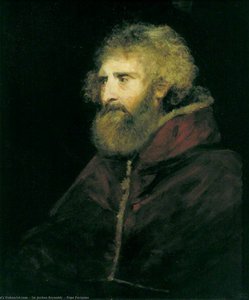

Vysoko rozlíšené fotografie diela Forgiven
Thomas Faed, Forgiven (1874), Guildhall Art Gallery. Doména verejného vlastníctva
Otázky k dielu Forgiven a ich odpovede
Kde môžem vidieť originál diela „Forgiven“ od Thomas Faed?
Originál diela „Forgiven“ si môžete pozrieť v múzeu Guildhall Art Gallery, Londýn, United Kingdom.
V ktorom roku bolo vytvorené dielo „Forgiven“?
Dielo „Forgiven“ od Thomas Faed vzniklo v roku 1874.
V akom médiu je vytvorené dielo „Forgiven“ od Thomas Faed?
Thomas Faed pre dielo „Forgiven“ použil/a techniku Oil On Canvas. Táto technika definuje materiálnu podstatu originálneho diela.
Aké sú reálne rozmery diela „Forgiven“ od Thomas Faed?
Originálne dielo „Forgiven“ od Thomas Faed má rozmery 36 x 48 cm.
Čo zobrazuje dielo "Forgiven"?
Témy predstavované v díle „Forgiven“ od Thomas Faed zahŕňajú family portrait, domestic scene, victorian era, warmth, rural life, intimate moment, family bonds, soft lighting. Spolu zhrňujú predmet skladby.
Je „Forgiven“ vo voľnom dostupe?
„Forgiven“ od Thomas Faed patrí do v slobodnom prostredí – autorské práva vypršali. Tento stav určuje pravidlá pre reprodukciu obrazu tohto diela.
Kto vytvoril "Forgiven"?
Dielo „Forgiven“ sa pripisuje autorovi Thomas Faed.
Do ktorého umeleckého smeru patrí „Forgiven“ od Thomas Faed?
„Forgiven“ od Thomas Faed patrí do smeru Contemporary Realism. Tento smer poskytuje štylistický kontext diela.
Do ktorej obdobia tvorby Thomas Faed spadá dielo "Forgiven"?
"Forgiven" predstavuje Mature Period umelca Thomas Faed.
O umelcovi, Thomas Faed

1826–1900, Spojené kráľovstvo
Thomas Faed
Odkaz škotskej sentimentálnosti Thomas Faed si predstavuje výnimočné miesto v kronikách škotskeho umenia, pričom jeho mená sa často spájajú s hlbokou úctou, ktorú by sme mohli pripiť dopadu Roberta Burnsa na škotskú ľudovú piesne. Narodený v regióne Kirkcudbrightshire v Barlay Mill bol Faed súčasťou výnimočnej umeleckej rodiny; jeho bratia James a John spolu so sestrou Susan všetci zdieľali toto hlboké umenie tvorivosti. Jeho raný život bol pevne zakorenený v drsnej, no nádhernej krajine Galloway, čo bezpochyby ovplyvnilo teplo a domácku pohodu, ktoré nachádzame v jeho najcenenejších dielach. Po absolvovaní formálneho výučenia na škole dizajnu v Edinburghu sa vydal na cestu, ktorá ho priviedla z srdca Škotska až do prestížnych ateliémskych kruhov Londýna.
Aj od Thomas Faed
 Worn Out
 Highland Mary1857
 Faults on Both Sides1861
 The Doctor's Visit1889
Eseje k dielu Forgiven
 The Timeless Beauty of Oil on Canvas: A Masterclass in Texture, Impasto, and Artistic MasteryDiscover the profound allure of oil on canvas. Explore the mastery of impasto textures, the science of pigment longevity, and expert guides…
 Masterpieces of Quinten Metsys: The Top 25 Essential ArtworksExplore 25 iconic works by Quinten Metsys, the master of the Antwerp School. Discover his Flemish Renaissance gems on OriginalUniqueArt.com.
 Masterpieces of Realism: The Top 25 Artworks by Thomas EakinsExplore the top 25 masterpieces of American Realism by Thomas Eakins. Discover his iconic works and find curated art on OriginalUniqueArt.c…