

 Zobraziť v interiéri
 Odoslať
 Zdieľať
 Podrobnosti
 Príručka

 Stiahnuť
 Podobné položky
 RTG skúška
 Prehliadanie diapo\]
 Štatistiky
Still Life with a Cornemuse
 Oil On Canvas
- WallArt
- Romanticism
 19th Century
 46.0 x 38.0 cm
 Fitzwilliam College
 Prečítať si viac
Ručne maľovaná olejová reprodukcia
Ručne maľovaný olej na plátne vo vašej zvolenej veľkosti a v ráme, vyrobený na mieru našimi umelcami. ( Prepnúť na tlač Prepnúť na digitálnu verziu obrazu)




P118B €10

P118H €10

P118W €10

P438Z €10

P508JH €12

P508YH €12

P805H €10

P805Z €10

P919BZ €10

P919G €10

P919XJ €10

P959ZH €10

P968JZ €12

W106C €8

W218G €10

W218JH €8

W218Y €10

W307PJ €10

W316G €10

W316PJ €8

W316Y €10

W398PJ €8

W4111J €10

W500HY €15

W500JH €15

W692G €12

W849H €8

W940BG €15

W953PJ €8




Vyberte si z našich preddefinovaných rozmerov, ktoré zodpovedajú pôvodným pomeroḿ diela.

Zadajte šírku a výšku, ktoré potrebujete, aby sa dielo hodilo k vášmu rámu alebo stene. Keďže ide o ručnú maľbu, pri rozmeroch s odlišným pomerom strán môže umelec namalovať o niečo viac okolo obrázka alebo ho mierne orezatú — výber patrí vám. Pred začatím maľovania vám pošleme digitálnu ukážku na schválenie. Obrázok zobrazený na tejto stránke nenahrádza reálny výsledok — ten zobrazuje iba digitálna ukážka.
Po odoslaní objednávky vám tím OriginalUniqueArt.com pošle e-mail s pokynmi a poskytne náhľad na návrh
Celosvetová doprava () za 3 až 4 týždne namiesto štandardných 5 týždňov. (22 október). Bez kompromisov v kvalite.

Bezplatná expresná doprava po celom svete

Vysokokvalitné lnianske plátno

Úplné poistenie prepravy

Záruka vrátenia colného poplatku

Záruka presného farebného zhodnutia

100-dená politika vrátenia tovaru (iba pri vadách)

100% záruka vrátenia peňazí

Ponuka množstevnej zľavy
 Možnosť skla je dostupná len pri rozmeroch pod 110 cm

Still Life with a Cornemuse
Spôsob reprodukcie
Veľkosť reprodukcie
-


Celková cena
€ 262
Still Life with a Cornemuse
Thomas Couture’s “Still Life with a Cornemuse” is more than just an arrangement of objects; it's a carefully constructed meditation on mortality and remembrance, rendered in the rich hues characteristic of Romanticism. Painted circa 1850-1855, this artwork resides within the Fitzwilliam Museum’s Keynes Collection, offering visitors a glimpse into Couture’s artistic vision during a pivotal moment in European art history.- Subject Matter: The composition centers around a cornemuse—a simple pipe instrument—alongside an apple and two bags hanging from it. These elements aren't merely decorative; they are imbued with symbolic significance, reflecting themes prevalent in Romantic thought.
- Style & Technique: Couture employed oil paint on canvas, utilizing meticulous brushwork to achieve a velvety texture that captures the subtle nuances of light and shadow. His technique demonstrates mastery of chiaroscuro—the dramatic interplay between light and dark—creating depth and enhancing the emotional impact of the scene.
- Historical Context: Couture’s work emerged during the waning years of the Napoleonic era, a period marked by disillusionment following Napoleon's defeat and a yearning for idealized beauty amidst societal upheaval. Romantic artists sought to express profound emotions and grapple with existential questions, rejecting the rationalism of Enlightenment thought.
- Symbolism: The apple, traditionally associated with temptation and knowledge in Christian iconography, serves as a poignant reminder of human vulnerability and the inevitability of decay. Similarly, the cornemuse symbolizes pastoral simplicity and remembrance—a connection to nature and to cherished memories—themes central to Romantic aesthetics.
- Emotional Impact: Couture’s masterful execution evokes a sense of melancholy contemplation. The subdued palette and careful attention to detail invite viewers to ponder the transient beauty of life and the enduring power of memory, mirroring the Romantic preoccupation with emotion and experience.
Otázky a odpovede
Akú saturáciu farieb má „Still Life with a Cornemuse“ od Thomas Couture?
Farby diela „Still Life with a Cornemuse“ od Thomas Couture majú Clear Color Presence saturáciu. Saturácia určuje, ako sú farby živé alebo tlmené.
Aká podkladová farba prechádza dielom „Still Life with a Cornemuse“ od Thomas Couture?
Celý dielo „Still Life with a Cornemuse“ od Thomas Couture prechádza Golden Yellow Range odtieň.
V ktorom múzeu sa nachádza originál diela „Still Life with a Cornemuse"]?
Originál diela „Still Life with a Cornemuse“ si môžete pozrieť v múzeu Fitzwilliam College, Kámbridž, Spojené kráľovstvo.
Biografia umelca
A Rebel in the Atelier: The Life and Legacy of Thomas Couture
Thomas Couture (1815–1879) was a pivotal French Romantic & Realist painter renowned for historical scenes like ‘Romans During the Decadence.’ Influential teacher of Manet, Fantin-Latour & Puvis de Chavannes. Explore his art & legacy! Born in 1815 in Senlis, France, Couture’s artistic journey began amidst considerable adversity. Despite repeated failures to secure the prestigious Prix de Rome—a competition that would have guaranteed him residency at the Académie de France in Rome—these setbacks instilled within him a profound conviction: the established art world was fundamentally flawed. Driven by this belief, he decisively rejected conventional academic instruction and established an independent atelier—a sanctuary for artists yearning for alternative approaches to artistic training. This rebellious spirit would define his entire career and profoundly shape the trajectory of subsequent generations of painters.The Decadence of Empires and a New Artistic Vision
Couture’s breakthrough arrived with *Romans During the Decadence* (1847), an ambitious undertaking that immediately captivated audiences at the Paris Salon. More than merely depicting Roman history, this monumental canvas served as a searing social critique—a response to Juvenal's satirical writings—that unflinchingly exposed the moral decay and opulent excess plaguing Roman society. The painting’s composition is deliberately jarring: classical ruins juxtaposed against scenes of unrestrained indulgence, figures draped in sumptuous fabrics amidst glittering grandeur. Couture skillfully employed tonal contrasts—rich dark hues punctuated by brilliant highlights—to amplify the dramatic impact and imbue the artwork with symbolic depth. This daring stylistic choice solidified Couture's reputation as a visionary artist who dared to challenge artistic conventions and articulate a powerful commentary on contemporary societal ills.A Teacher Shaping Artistic Innovation
Beyond his own remarkable achievements, Couture exerted an indelible influence through his role as an educator. Rejecting the rigid formalism of the École des Beaux-Arts, he championed an atelier environment characterized by experimentation and intellectual curiosity. Among his most celebrated pupils were luminaries who would reshape the landscape of modern art: Édouard Manet, whose groundbreaking canvases signaled a decisive break from academic tradition; Henri Fantin-Latour, famed for his evocative portraits and masterful depictions of still lifes; Pierre Puvis de Chavannes, considered a pioneer of Symbolism; and John La Farge, an innovator in stained glass who pushed the boundaries of artistic expression. Couture’s pedagogical methods prioritized fostering individual creativity while grounding students in foundational skills—draftsmanship and composition—a legacy that continues to inspire artists today. He famously advocated “quick painting,” anticipating techniques later embraced by Impressionists and emphasizing direct observation from life.Notable Works: Echoes of Classical Grandeur
Couture’s artistic output encompassed a diverse range of subjects, reflecting his fascination with history, mythology, and portraiture. However, *Romans During the Decadence* remains his most iconic masterpiece—a testament to his mastery of tonal contrasts and his ability to convey profound emotional resonance. Similarly impressive is *The Duel After Masked Ball*, portraying a dramatic confrontation amidst opulent surroundings—a scene imbued with psychological complexity and meticulously rendered detail. And finally, *A Lawyer Going to Court*, exemplifies Couture’s meticulous attention to realism and his skill in capturing human emotion within formal settings. These paintings stand as enduring symbols of Romantic artistic ambition and demonstrate Couture's unwavering commitment to exploring the complexities of human experience through masterful technique. ## Enduring Legacy: A Catalyst for Artistic Change Thomas Couture’s influence extended far beyond his own oeuvre, shaping the artistic sensibilities of a generation of artists who would revolutionize painting in the late 19th century. His insistence on independent thought and rejection of academic dogma paved the way for movements like Impressionism and Symbolism—movements that prioritized subjective experience and expressive color over strict adherence to traditional conventions. Couture’s legacy resides not only in his own stunning artworks but also in the transformative impact he had on the artistic landscape, securing his place as one of the most significant figures in French art history.
Thomas Couture
1815 - 1879 , Francúzsko
Rýchle fakty
- Artistic Movement Or Style: Romantizmus & Realizmus
- Artists Or Movements Influenced By This Artist:
- Édouard Manet
- Henri Fantin-Latour
- Artists Who Influenced This Artist:
- Antoine-Jean Gros
- Paul Delaroche
- Date Of Birth: 21. decembra 1815
- Date Of Death: 30. marca 1879
- Full Name: Thomas Couture
- Nationality: Francúzsko
- Notable Artworks:
- Romanov počas rozpadu
- Koncert
- Portrét Jána Couture
- Place Of Birth: Senlis, Francúzsko
Súvisiace články

Silent Narratives: Exploring the Enduring Appeal of Still Life Painting Across Centuries
Explore the rich history of still life painting with OriginalUniqueArt. Discover Dutch Masters, decode vanitas symbolism & learn about collecting timeless art. Expert insights and museum-quality reproductions.
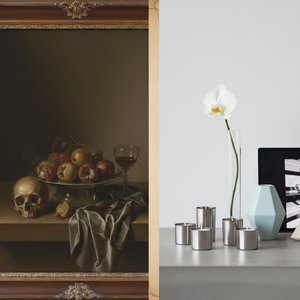
The Enduring Appeal of Still Life: A Historical & Contemporary Exploration
Explore the rich history & symbolism of still life painting with OriginalUniqueArt. Discover masterpieces from the Dutch Golden Age, learn about vanitas art, and find expert guidance for collecting timeless artworks.

The Enduring Legacy of Oil on Canvas: Technique, History & Aesthetic Impact
Explore the rich history & techniques of oil painting – from Renaissance masters to Impressionism. Discover pigments, layering methods, and why this timeless medium endures. Expert insights for artists & art enthusiasts.

Oil on Canvas: A Historical & Technical Exploration of a Timeless Artistic Medium
Explore the rich history & enduring techniques of oil painting on canvas. Discover the science behind its longevity, conservation practices, and contemporary relevance. Expert insights for art enthusiasts.

The Enduring Power of Painting: A Historical & Contemporary Exploration of Form and Emotion
Explore the rich history & enduring techniques of oil painting with OriginalUniqueArt. Discover masterpieces, learn about art collecting, and find authentic handmade reproductions crafted by skilled artists.


