

 Zobraziť v interiéri
 Odoslať
 Zdieľať
 Podrobnosti
 Príručka

 Stiahnuť
 Podobné položky
 RTG skúška
 Prehliadanie diapo\]
 Štatistiky
Little Bather
 Oil On Canvas
- WallArt
- Romanticism
 1849
1849 117.0 x 90.0 cm
 Ermitáž
 Prečítať si viac
Ručne maľovaná olejová reprodukcia
Ručne maľovaný olej na plátne vo vašej zvolenej veľkosti a v ráme, vyrobený na mieru našimi umelcami. ( Prepnúť na tlač Prepnúť na digitálnu verziu obrazu)




P118B €10

P118H €10

P118W €10

P438Z €10

P508JH €12

P508YH €12

P805H €10

P805Z €10

P919BZ €10

P919G €10

P919XJ €10

P959ZH €10

P968JZ €12

W106C €8

W218G €10

W218JH €8

W218Y €10

W307PJ €10

W316G €10

W316PJ €8

W316Y €10

W398PJ €8

W4111J €10

W500HY €15

W500JH €15

W692G €12

W849H €8

W940BG €15

W953PJ €8




Vyberte si z našich preddefinovaných rozmerov, ktoré zodpovedajú pôvodným pomeroḿ diela.

Zadajte šírku a výšku, ktoré potrebujete, aby sa dielo hodilo k vášmu rámu alebo stene. Keďže ide o ručnú maľbu, pri rozmeroch s odlišným pomerom strán môže umelec namalovať o niečo viac okolo obrázka alebo ho mierne orezatú — výber patrí vám. Pred začatím maľovania vám pošleme digitálnu ukážku na schválenie. Obrázok zobrazený na tejto stránke nenahrádza reálny výsledok — ten zobrazuje iba digitálna ukážka.
Po odoslaní objednávky vám tím OriginalUniqueArt.com pošle e-mail s pokynmi a poskytne náhľad na návrh
Celosvetová doprava () za 3 až 4 týždne namiesto štandardných 5 týždňov. (23 október). Bez kompromisov v kvalite.

Bezplatná expresná doprava po celom svete

Vysokokvalitné lnianske plátno

Úplné poistenie prepravy

Záruka vrátenia colného poplatku

Záruka presného farebného zhodnutia

100-dená politika vrátenia tovaru (iba pri vadách)

100% záruka vrátenia peňazí

Ponuka množstevnej zľavy
 Možnosť skla je dostupná len pri rozmeroch pod 110 cm

Little Bather
Spôsob reprodukcie
Veľkosť reprodukcie
-


Celková cena
€ 264
A Moment of Quietude: Thomas Couture’s “Little Bather”
Thomas Couture's "Little Bather," painted in 1849, is more than just a depiction of a young girl reclining amongst the trees; it’s a carefully constructed tableau brimming with Romantic sensibility and subtle social commentary. This intimate scene, measuring 117 x 90 cm, captures a fleeting moment of serene contemplation, inviting viewers to ponder themes of innocence, vulnerability, and the evolving role of women in 19th-century France. The painting’s power lies not just in its aesthetic beauty but also in the layers of meaning woven into its composition – from the deliberate use of light and shadow to the symbolic presence of scattered apples.
Couture, a pivotal figure bridging Romanticism and Realism, was a rebel within the rigid confines of the École des Beaux-Arts. Frustrated by repeated rejections for the prestigious Prix de Rome, he established his own atelier, fostering an environment where artistic freedom and innovation were prioritized over strict academic adherence. This independent spirit is palpable in “Little Bather,” which eschews the idealized nudes favored by many contemporary artists, opting instead for a more naturalistic portrayal of youthful beauty. The girl’s pose—legs crossed, head slightly tilted—suggests both repose and quiet observation, a deliberate departure from the overtly sensual depictions prevalent at the time.
The Language of Light and Color
Couture masterfully employs light to shape the narrative of the painting. A diffused, golden glow bathes the girl’s figure, highlighting her delicate features and creating an atmosphere of warmth and tranquility. The dappled sunlight filtering through the trees adds a sense of depth and realism, grounding the scene in a tangible environment. The artist's use of color is equally deliberate; the muted tones of the earth—browns, greens, and ochres—are punctuated by the vibrant reds and yellows of the scattered apples. These fruits, traditionally associated with temptation and knowledge, introduce an element of symbolic complexity, subtly hinting at a deeper narrative.
The placement of the apples is particularly noteworthy. They are not simply decorative elements but strategically positioned to draw the eye and create visual interest. Their proximity to the girl’s body suggests a connection between innocence and earthly delights—a delicate balance between purity and worldly experience. Furthermore, their varied colors – crimson, yellow, and green – mirror the hues of the surrounding foliage, seamlessly integrating them into the overall composition.
Historical Context and Artistic Intent
“Little Bather” was painted during a period of profound social and political upheaval in France—the years leading up to the Revolution of 1848. Couture’s decision to depict a nude child within this context is significant, challenging conventional notions of childhood innocence and inviting viewers to consider the changing attitudes towards women and sexuality. The painting can be interpreted as a subtle critique of societal expectations placed upon young girls—a plea for recognition of their inherent dignity and autonomy.
Interestingly, Couture’s work aligns with the broader Romantic movement's fascination with nature, emotion, and the sublime. However, unlike many Romantic artists who sought to evoke grand, awe-inspiring landscapes, Couture focuses on a more intimate and personal experience—the quiet beauty of a single moment in time. His meticulous attention to detail, combined with his expressive use of light and color, creates a work that is both visually stunning and emotionally resonant.
A Reproduction for the Home
OriginalUniqueArt offers meticulously hand-painted reproductions of “Little Bather,” capturing the essence of Couture’s original masterpiece. Our artists replicate the painting's nuanced details—from the delicate texture of the girl’s skin to the subtle variations in color—with unparalleled precision. Unlike mass-produced prints, our reproductions are created using genuine oil paints on canvas, ensuring a timeless quality and an authentic artistic experience. Each reproduction is a testament to Couture’s legacy, bringing this evocative image into your home or studio with exceptional fidelity.
Whether you're an art enthusiast, a collector seeking a unique addition to your collection, or simply someone who appreciates the beauty of fine art, OriginalUniqueArt’s “Little Bather” reproduction offers a captivating glimpse into the world of 19th-century French painting. Explore our selection and bring this timeless masterpiece into your life.
Otázky a odpovede
Kde kúpiť ručne maľované kópie diela „Little Bather“ od Thomas Couture?
„Little Bather“ je k dispozícii ako ručne maľovaná olejná reprodukcia na plátne z ľanu. Objednávku môžete vložiť na jeho stránke Ručne maľovaná reprodukcia, pričom si môžete vybrať z rôznych veľkostí.
K ktorej fáze tvorivého rozvoja Thomas Couture patrí dielo „Little Bather“?
V rámci kariéry umelca Thomas Couture spadá dielo „Little Bather“ do obdobia Mature Period. Táto etapa umožňuje porovnať ho s ostatnými prácami tohto umelca.
Koľko rokov mal/a Thomas Couture, keď vytvoril/a „Little Bather“ v roku 1849?
Thomas Couture mal 34 rokov, keď v roku 1849 vytvoril/a dielo „Little Bather“. Vek bol vypočítaný na základe roku narodenia umelca, 1815.
Biografia umelca
A Rebel in the Atelier: The Life and Legacy of Thomas Couture
Thomas Couture (1815–1879) was a pivotal French Romantic & Realist painter renowned for historical scenes like ‘Romans During the Decadence.’ Influential teacher of Manet, Fantin-Latour & Puvis de Chavannes. Explore his art & legacy! Born in 1815 in Senlis, France, Couture’s artistic journey began amidst considerable adversity. Despite repeated failures to secure the prestigious Prix de Rome—a competition that would have guaranteed him residency at the Académie de France in Rome—these setbacks instilled within him a profound conviction: the established art world was fundamentally flawed. Driven by this belief, he decisively rejected conventional academic instruction and established an independent atelier—a sanctuary for artists yearning for alternative approaches to artistic training. This rebellious spirit would define his entire career and profoundly shape the trajectory of subsequent generations of painters.The Decadence of Empires and a New Artistic Vision
Couture’s breakthrough arrived with *Romans During the Decadence* (1847), an ambitious undertaking that immediately captivated audiences at the Paris Salon. More than merely depicting Roman history, this monumental canvas served as a searing social critique—a response to Juvenal's satirical writings—that unflinchingly exposed the moral decay and opulent excess plaguing Roman society. The painting’s composition is deliberately jarring: classical ruins juxtaposed against scenes of unrestrained indulgence, figures draped in sumptuous fabrics amidst glittering grandeur. Couture skillfully employed tonal contrasts—rich dark hues punctuated by brilliant highlights—to amplify the dramatic impact and imbue the artwork with symbolic depth. This daring stylistic choice solidified Couture's reputation as a visionary artist who dared to challenge artistic conventions and articulate a powerful commentary on contemporary societal ills.A Teacher Shaping Artistic Innovation
Beyond his own remarkable achievements, Couture exerted an indelible influence through his role as an educator. Rejecting the rigid formalism of the École des Beaux-Arts, he championed an atelier environment characterized by experimentation and intellectual curiosity. Among his most celebrated pupils were luminaries who would reshape the landscape of modern art: Édouard Manet, whose groundbreaking canvases signaled a decisive break from academic tradition; Henri Fantin-Latour, famed for his evocative portraits and masterful depictions of still lifes; Pierre Puvis de Chavannes, considered a pioneer of Symbolism; and John La Farge, an innovator in stained glass who pushed the boundaries of artistic expression. Couture’s pedagogical methods prioritized fostering individual creativity while grounding students in foundational skills—draftsmanship and composition—a legacy that continues to inspire artists today. He famously advocated “quick painting,” anticipating techniques later embraced by Impressionists and emphasizing direct observation from life.Notable Works: Echoes of Classical Grandeur
Couture’s artistic output encompassed a diverse range of subjects, reflecting his fascination with history, mythology, and portraiture. However, *Romans During the Decadence* remains his most iconic masterpiece—a testament to his mastery of tonal contrasts and his ability to convey profound emotional resonance. Similarly impressive is *The Duel After Masked Ball*, portraying a dramatic confrontation amidst opulent surroundings—a scene imbued with psychological complexity and meticulously rendered detail. And finally, *A Lawyer Going to Court*, exemplifies Couture’s meticulous attention to realism and his skill in capturing human emotion within formal settings. These paintings stand as enduring symbols of Romantic artistic ambition and demonstrate Couture's unwavering commitment to exploring the complexities of human experience through masterful technique. ## Enduring Legacy: A Catalyst for Artistic Change Thomas Couture’s influence extended far beyond his own oeuvre, shaping the artistic sensibilities of a generation of artists who would revolutionize painting in the late 19th century. His insistence on independent thought and rejection of academic dogma paved the way for movements like Impressionism and Symbolism—movements that prioritized subjective experience and expressive color over strict adherence to traditional conventions. Couture’s legacy resides not only in his own stunning artworks but also in the transformative impact he had on the artistic landscape, securing his place as one of the most significant figures in French art history.
Thomas Couture
1815 - 1879 , Francúzsko
Rýchle fakty
- Artistic Movement Or Style: Romantizmus & Realizmus
- Artists Or Movements Influenced By This Artist:
- Édouard Manet
- Henri Fantin-Latour
- Artists Who Influenced This Artist:
- Antoine-Jean Gros
- Paul Delaroche
- Date Of Birth: 21. decembra 1815
- Date Of Death: 30. marca 1879
- Full Name: Thomas Couture
- Nationality: Francúzsko
- Notable Artworks:
- Romanov počas rozpadu
- Koncert
- Portrét Jána Couture
- Place Of Birth: Senlis, Francúzsko
Súvisiace články

Anne-Louis Girodet: Bridging Neoclassicism & Romanticism with Emotional Truth
Explore the captivating world of Anne-Louis Girodet, a pivotal figure bridging Neoclassicism & Romanticism. Discover his masterpieces and unique artistic vision with OriginalUniqueArt.
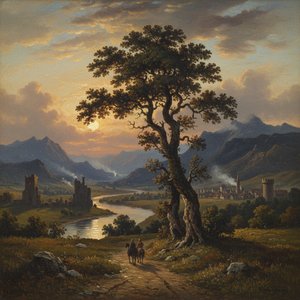
Paul Huet: Capturing the Essence of French Romanticism Through Light and Landscape
Explore the captivating world of Paul Huet (1803-1869), a master of French Romantic landscape painting. Discover his influence on Barbizon & Impressionism, and browse high-quality reproductions at OriginalUniqueArt.

The Eloquent Form: A Historical & Aesthetic Exploration of the Nude in Art
Explore the captivating history of the nude in art! From ancient Greece to modern masters, discover its evolving symbolism, techniques & enduring beauty. Expert insights for collectors and enthusiasts.
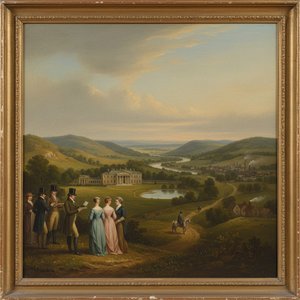
Thomas Barker of Bath: Landscape Painting & Societal Reflection in Early 19th-Century England
Explore the life & work of Thomas Barker of Bath, a key figure in 19th-century English Romanticism. Discover his Parisian success, iconic paintings like 'The Bride of Death', and lasting artistic legacy. Learn more at OriginalUniqueArt.

The Enduring Allure of the Nude: A Historical & Artistic Exploration of the Human Form
Explore the captivating history of nude art! Discover iconic paintings & artists from classical to modern eras. Uncover symbolism, techniques & find museum-quality reproductions at OriginalUniqueArt.


