

 Náhľad
 Odoslať
 Zdieľať
 Podrobnosti o dielo

 Stiahnuť
 Podobné diela
 RTG skúška
 Prezentácia
 Štatistiky
The Narrows, New York Bay


 Zobraziť viac
Giclée / Umenotlač
Giclée tlač alebo plátno múzeálnej kvality s rýchlou výrobou a flexibilnými možnosťami povrchovej úpravy. ( Kúpiť ručne maľovaný obraz Prepnúť na digitálny obraz)




P118B $10

P118H $10

P118W $10

P438Z $10

P508JH $12

P508YH $12

P805H $10

P805Z $10

P919BZ $10

P919G $10

P919XJ $10

P959ZH $10

P968JZ $12

W106C $8

W218G $10

W218JH $8

W218Y $10

W307PJ $10

W316G $10

W316PJ $8

W316Y $10

W398PJ $8

W4111J $10

W500HY $15

W500JH $15

W692G $12

W849H $8

W940BG $15

W953PJ $8




Vyberte si z našich preddefinovaných rozmerov, ktoré zodpovedajú pôvodným pomeroḿ diela.

Môžete zadať vlastné rozmery, aby sa reprodukcia prispôsobila konkrétnemu rámu alebo priestoru. Ak zvolená veľkosť nebude zodpovedať proporciám originálu, dielo buď orežeme, alebo obraz rozšírime pomocou zrkadlenia či farebného doplnenia okrajov. Pred začatím výroby vám pošleme digitálnu ukážku na schválenie.
Máte na vedomí, že náhľad na obrazovke neodzrkadľuje skutočné orezanie alebo rozšírenie. Len digitálna ukážka presne zobrazí finálnu kompozíciu.
Hoci sú k dispozícii vlastné rozmery, pre zachovanie pôvodných proporcií odporúčame vybrať si rozmer z vopred definovaného zoznamu.
Celosvetová doprava () do 2 týždňov namiesto štandardných 4/5 týždňov. (17 september)

Bezplatná expresná doprava po celom svete

Prémiové lnianske plátno

Kompletné poistenie prepravy

Záruka vrátenia colného poplatku

Záruka presného farebného zhodnutia

100-dená politika vrátenia tovaru (iba pri vadách)

100% záruka vrátenia peňazí

Výhodná množstevná zľava
 Možnosť skla je dostupná len pri rozmeroch pod 110 cm

The Narrows, New York Bay
Giclée / Umenotlač
Veľkosť reprodukcie
-


Celková cena za vybrané možnosti
$ 80
A Pastoral Vision: Thomas Birch’s “The Narrows”
Thomas Birch's "The Narrows," painted in 1812, isn’t merely a landscape; it’s a carefully constructed tableau of early American life interwoven with the romantic ideals of the Hudson River School. This captivating scene depicts a serene stretch of the Narrows, the channel connecting New York Bay to Staten Island, capturing a moment of quiet industry and rural beauty. The painting immediately draws the eye to the foreground – a modest cow grazing peacefully amidst lush grasses bordering the water’s edge. This humble subject, rendered with surprising detail, speaks volumes about the importance of agriculture in the burgeoning nation, suggesting a connection between the land and its people.
Birch's style leans heavily toward the Hudson River School aesthetic – characterized by luminous light, atmospheric perspective, and an emphasis on capturing the grandeur of the American landscape. The composition is deliberately balanced, with the expansive waters of the bay dominating the background and receding towards a hazy horizon. The artist masterfully employs a technique of soft brushstrokes and subtle color variations to create a sense of depth and atmosphere, mimicking the effects of light and shadow as seen through a misty morning. Notice how Birch uses cool blues and greens in the distance to convey the vastness of the bay, contrasting with the warmer tones of the foreground – a deliberate choice that anchors the viewer’s eye.
A Window into Early 19th-Century America
Understanding “The Narrows” requires placing it within its historical context. Painted in the aftermath of the War of 1812, a conflict that profoundly shaped American identity, the scene reflects a desire to celebrate and solidify a distinctly ‘American’ vision. The Hudson River School artists sought to establish an independent artistic tradition rooted in the observation of the natural world – a counterpoint to the European academic style prevalent at the time. Birch's work exemplifies this shift, prioritizing the depiction of American landscapes over grand historical or mythological subjects.
The inclusion of boats scattered across the bay hints at the growing importance of maritime trade and commerce in early America. Staten Island, strategically located near New York City, was a vital hub for shipping and industry. Birch’s choice to depict laborers unloading a smaller boat adds another layer of narrative – suggesting the everyday activities that underpinned this burgeoning economy. The painting isn't simply a pretty vista; it’s a subtle commentary on the nation’s economic development.
Symbolism and Narrative Detail
Beyond the broad landscape, “The Narrows” is rich in symbolic detail. The cow itself represents prosperity and abundance – a cornerstone of rural life. The birds soaring overhead add to the sense of tranquility and freedom. Even the placement of the boats contributes to the overall narrative: they are not imposing warships or grand merchant vessels, but rather smaller craft engaged in routine tasks, reinforcing the painting’s focus on the ordinary rhythms of daily life.
Notably, Birch includes a small figure near the boat unloading cargo – a detail often overlooked. This individual, likely a laborer, represents the working class and their contribution to the nation's growth. The artist subtly elevates this everyday subject, imbuing it with dignity and significance within the broader landscape.
A Legacy of American Landscape Painting
Thomas Birch’s “The Narrows” stands as a significant work in the history of American art. It exemplifies the Hudson River School's commitment to capturing the beauty and spirit of the American wilderness, while simultaneously offering a glimpse into the social and economic realities of early 19th-century America. Reproductions of this painting offer a captivating window into a bygone era – a testament to the enduring power of landscape art to evoke emotion, inspire contemplation, and connect us to our shared heritage.
Further Research: For more information on Thomas Birch and his work, explore resources such as the New York Historical Society (https://www.nyhs.org/) and the Art Commission of The City of New York (https://www.nycgovparks.org/art-commission). You can also delve deeper into Birch’s life and artistic legacy through online databases like Wikipedia (https://en.wikipedia.org/wiki/Thomas_Birch_(painter)).
Biografia umelca
A Transatlantic Vision: The Life and Art of Thomas Birch
Thomas Birch, born in London in 1779, embarked on a remarkable artistic journey that ultimately led him to become one of the most significant figures in American marine painting. His story is not simply about an artist’s evolution; it's a tale interwoven with transatlantic influences, familial legacy, and the burgeoning spirit of a young nation eager to define its identity through art. Birch’s early life laid the foundation for his future success – he was the son of William Russell Birch, a highly respected engraver and miniaturist, inheriting a deep appreciation for meticulous detail and artistic craftsmanship. In 1794, at the tender age of fifteen, the family immigrated to Philadelphia, joining a vibrant community of artisans and entrepreneurs seeking opportunity in the United States. This move marked a pivotal moment, setting the stage for Birch’s unique contribution to American art.Early Years: Portraits and the Birch Engraving Firm
Initially, Thomas Birch followed in his father's footsteps, dedicating himself to portraiture – a popular genre at the time. However, this wasn’t merely a matter of familial tradition; it provided him with invaluable experience in capturing likenesses and understanding human expression. Crucially, alongside his father, he established the engraving firm William Birch & Son, producing a series of meticulously detailed engravings known as “Birch’s Views of Philadelphia” (1800). This ambitious project wasn't just a commercial venture; it was a significant cultural undertaking. The views captured the essence of a rapidly evolving urban center – the bustling streets, grand buildings, and iconic landmarks that defined Philadelphia’s identity. The success of this series demonstrated Birch’s keen eye for composition and his ability to translate complex scenes into visually compelling images. It also instilled in him a deep understanding of printmaking techniques, skills he would later apply to his paintings.A Shift Towards the Sea: Influences and Early Marine Works
Around 1807, a profound shift occurred in Birch’s artistic trajectory – he turned his attention to marine painting. This transition wasn't arbitrary; it was driven by both a personal fascination with the sea and a growing national interest in naval power, particularly as tensions mounted leading up to the War of 1812. Birch’s early marine works reveal an evolving style, deeply influenced by the Dutch masters – Jacob van Ruisdael and Jan van Goyen foremost among them. He was captivated by their meticulous attention to atmospheric perspective, their ability to capture the subtle nuances of light on water, and their overall sense of realism. However, Birch wasn’t simply imitating; he was synthesizing these European techniques with an emerging American sensibility, imbuing his paintings with a patriotic fervor that resonated with audiences eager for artistic expressions of national pride. The dramatic lighting and dynamic compositions in works like *USS United States and HMS Macedonian* exemplify this fusion of influences.Naval Battles and National Identity
Birch’s name became inextricably linked with depictions of naval engagements during the War of 1812. His paintings weren't merely historical records; they were powerful visual narratives that celebrated American courage and resilience. USS United States and HMS Macedonian, perhaps his most famous work, immortalized a pivotal clash between American and British frigates. The painting’s dramatic composition, meticulous detail, and vibrant colors captured the intensity of battle while simultaneously conveying a sense of American triumph. Remarkably, this very canvas hung in the Oval Office during John F. Kennedy's presidency, a testament to its enduring symbolic power. Another significant work, Engagement Between the U.S. Frigate Constitution and the British Frigate Guerriere, further solidified his reputation as a master of marine painting. Beyond these iconic battle scenes, Birch also excelled at portraying tranquil harbor views and detailed ship portraits, showcasing his versatility and technical skill. He was, in essence, the first American artist to truly specialize in ship portraiture, setting a standard for accuracy and detail that would influence generations of artists to come.Legacy and Lasting Influence
Thomas Birch’s contributions to American art are undeniable. He didn't just paint ships; he captured a moment in history, reflecting the nation’s growing confidence and its aspirations on the world stage. His works provided valuable documentation of naval engagements, offering insights into maritime life during a crucial period of American development. His paintings served as both historical records and powerful symbols of national identity. Birch's influence extended beyond his immediate contemporaries; he helped establish marine painting as a significant genre within the American artistic landscape, paving the way for later artists to explore the beauty and drama of the sea. His works are now held in prestigious museum collections across the country – including the Pennsylvania Academy of the Fine Arts, the Smithsonian American Art Museum, and the Museum of Fine Arts, Boston – ensuring that his legacy will continue to inspire and captivate audiences for years to come. Elected an honorary member of the National Academy of Design in 1833, Birch’s life and art stand as a testament to the power of artistic vision and its ability to shape our understanding of history and national identity.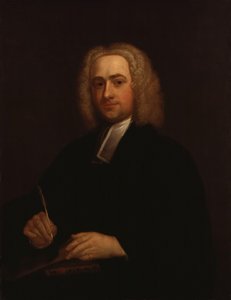
Thomas Birch
1779 - 1851 , Spojené kráľovstvo
Základné informácie
- Artistic Movement Or Style: Marináreľské maľovanie
- Artists Or Movements Influenced By This Artist: ['Hudson River School']
- Artists Who Influenced This Artist:
- Jacob van Ruisdael
- Jan van Goyen
- Date Of Birth: 1779
- Date Of Death: 1851
- Full Name: Thomas Birch
- Nationality: Britsko-americký
- Notable Artworks:
- USS United States
- Guerriere
- Place Of Birth: Londýn, UK
Súvisiace články

Top 10 Majstrov Romantickej Krajinomaľby: Obrazy, ktoré zmenili svet umenia
Ponorte sa do sveta romantickej krajinomaľby! Objavte top 10 majstrovských diel od Friedricha, Turnera a ďalších. Historické obrazy prírody s nádychom emócií. Reprodukcie obrazov pre váš interiér na OriginalUniqueArt.com.

John Constable: Top 25 Majstrovských Diel pre Váš Domov | OriginalUniqueArt.sk
Ponorte sa do sveta Johna Constabla s OriginalUniqueArt.sk! Objavte top 25 majstrovských diel anglického romantizmu – od ikonického Hay Wain až po krajinárske motívy Suffolku. Kvalitné reprodukcie obrazov pre váš domov. Preskúmajte celú kolekciu online!

Evocations of Place: A Historical Journey Through Landscape Art
Explore the rich history of landscape art with OriginalUniqueArt. Discover renowned artists, movements like Impressionism & tonalism, and expert guidance for collecting timeless pieces. Find your perfect serene escape today!

Evocations of Place: A Historical Journey Through Landscape Art
Explore the rich history of landscape art with OriginalUniqueArt. Discover renowned artists, movements like Impressionism & Romanticism, and expert guidance for collecting timeless pieces. Find your perfect serene escape today!

Grahame Sydney: Evoking Otago's Soul Through Light & Landscape
Explore the captivating landscapes of Sir Grahame Sydney, a leading New Zealand artist renowned for his magic realism & evocative depictions of Otago's beauty. Discover key works and delve into his artistic legacy.