De Stijl · 1923
Composition (Theo van Doesburg, 1923)
Theo van Doesburg (1883–1931) vytvoril Composition. Pochádza z roku 1923. Patrí k umeleckému smeru De Stijl. Je vyrobené z Oil On Canvas. Rozmery sú 41 × 33 cm.
- 1923
- Oil On Canvas
- 41 × 33 cm

 Náhľad v interiéri

 Ručne maľovaná olejná reprodukcia
 Odoslať ako digitálnu kartu
 Zdieľať
 Príručka


 Stiahnuť obraz
 Podobné položky
 RTG skúška
 Prehliadanie diapozoje
 Otázky a odpovede

 Štatistiky
Composition: základné informácie
- Názov
- Composition
- Umelec
- Theo van Doesburg (1883–1931)
- Narodený v roku
- Utrecht, Holandsko
- Dátum
- 1923
- Technika
- Oil On Canvas
- Rozmery
- 41 × 33 cm
- Pohyb
- De Stijl
- Obdobie
- Modern
- Motív
- red, blue, yellow, black, white, rectangles
Čo zobrazuje Composition?
Identification of Composition by Theo van Doesburg
The canvas known as Composition emerges from the mind of Theo van Doesburg, a work that captures a specific moment in 1923. This piece exists as a precise arrangement of form and color, born from a period of intense creative focus. The artist, Theo van Doesburg, brings a sense of equilibrium to the surface, translating abstract thought into a tangible presence. It is a work that demands attention through its structural clarity and its commitment to the principles of the De Stijl movement.
The history of this object is tied to a specific circle of thinkers and patrons. Antony Kok commissioned the work, setting it on its path through the hands of those who shaped the modern era. From there, the painting finds its way into the hands of Bart de Ligt (1883–1938), who becomes its first owner. This transition marks the beginning of a long lineage of stewardship, as the work moves from the artist's studio into a private collection where its presence remains constant.
Every line and color choice within Composition reflects the artist's pursuit of a universal visual language. As we observe the work, we see the direct result of a vision that seeks to strip away the unnecessary to find a fundamental truth. The painting remains a vital part of the history of abstraction, holding the weight of its 1923 origins in every carefully placed rectangle and primary hue.
Visual Composition and Geometric Elements
The canvas unfolds as a precise grid of rectangles, where vertical and horizontal lines intersect to dictate the movement of the eye. There is a profound sense of equilibrium achieved through this arrangement, as non-representational forms find their place within a structured, rhythmic order. The eye moves across the surface, guided by the intersections of these straight lines, finding balance in the way the shapes occupy the space. It is a study in pure geometry, where the subject matter is stripped of any external reference, leaving only the essence of form and relation.
Color acts as the primary force within this structured environment. The palette relies on the fundamental strength of red, yellow, and blue, which anchor the composition. These primary hues interact with a supporting cast of black, white, and grey, creating a tension between the boldest tones and the more neutral shades. The colors appear solid and flat, avoiding any blending or shading, which emphasizes the stark, clean nature of the geometric arrangement. Each rectangle holds its own weight, contributing to a visual language that seeks a universal harmony through simplicity.
Provenance and History of the Object
The history of this work begins in the creative atmosphere of Paris, where it finds its way from the artist's studio into the hands of Bart de Ligt. This acquisition likely occurs in late 1923, marking the start of a long and steady lineage. De Ligt, a man deeply connected to the avant-garde circles of the time, holds the piece within his personal collection until his passing in 1938.
From that moment, the painting enters a quiet, private chapter. It remains within the same family, passing through the hands of descendants for nearly a century. This continuity preserves the work's integrity, keeping it sheltered within a single domestic line since 1923. The colors and forms remain as they were when they first left the artist's side, held in a state of careful preservation through the decades.
Documented Interpretations and Artistic Debates
The canvas captures a moment of profound transition, acting as a key work within the artist's entire oeuvre. It reveals a growing complexity within his purist style, where the rigid logic of geometry begins to dance with a more nuanced sense of equilibrium. One senses the tension between the absolute and the evolving, as the lines and colors find a new, sophisticated rhythm. This evolution suggests a mind moving beyond simple shapes toward a more intricate visual language.
A deep connection between the realm of architecture and the act of painting pulses through the work. The composition feels less like a mere arrangement of pigment and more like a blueprint for a structured reality. This link is no accident; the artist himself articulated the concept behind its creation in the magazine Architectura on 17th July 1923. The painting exists as a bridge, where the spatial logic of built environments meets the spiritual pursuit of pure abstraction.
Related Works by the Same Artist
The evolution of this geometric language unfolds through several other pieces that trace the artist's shifting focus. One can look back to Composition XX from 1920 to see the early movements of these shapes. Nearby in the timeline, the 1923 work Study for a Composition offers a glimpse into the creative process behind these structured arrangements. These works exist as part of a continuous search for balance and order within the frame.
As the years progress, the compositions grow more complex and dynamic. The 1925 Counter composition XIV introduces a different energy to the grid. Later, the Simultaneous Counter-Composition from 1929–1930 pushes the boundaries of the aesthetic even further. Each piece captures a specific moment in a lifelong pursuit of a new visual language, moving from the rigid to the more fluid and experimental.
Composition vo vysokom rozlíšení
Theo van Doesburg, Composition (1923). Verejné vlastníctvo
Digitálny expert porovnáva farby s originálnym obrazom a retušuje súbor tak, aby verne odovzdal ťah pędzla umelca.
Kúpiť obraz vo vysokom rozlíšeníOtázky k Composition
Kedy bolo vytvorené dielo „Composition“ od Theo van Doesburg?
Dielo „Composition“ od Theo van Doesburg vzniklo v roku 1923.
Aká technika bola použitá pre „Composition“ od Theo van Doesburg?
Technikou diela „Composition“ od Theo van Doesburg je Oil On Canvas. Reprodukcie majú za cieľ verné odovzdanie vzhľadu tejto techniky.
Aké sú rozmery originálu „Composition“ od Theo van Doesburg?
Zaznamenané rozmery diela „Composition“ od Theo van Doesburg sú 41 x 33 cm. Reprodukcie je možné objednať aj v iných rozmeroch pri zachovaní rovnakých pomerov.
Čo zobrazuje „Composition“ od Theo van Doesburg?
Témy predstavované v díle „Composition“ od Theo van Doesburg zahŕňajú red, blue, yellow, black, white, rectangles, lines. Spolu zhrňujú predmet skladby.
Patrí „Composition“ od Theo van Doesburg do verejnej domény?
„Composition“ od Theo van Doesburg patrí do v slobodnom prostredí – autorské práva vypršali. Tento stav určuje pravidlá pre reprodukciu obrazu tohto diela.
Kto vytvoril "Composition"?
Dielo „Composition“ vytvoril/a Theo van Doesburg. Informácie na tejto stránke opisujú originálne dielo umelca/ky Theo van Doesburg.
K ktorému umeleckému smeru patrí „Composition“ od Theo van Doesburg?
„Composition“ od Theo van Doesburg patrí do smeru De Stijl. Tento smer poskytuje štylistický kontext diela.
K ktorej fáze tvorivého rozvoja Theo van Doesburg patrí dielo „Composition“?
V rámci kariéry umelca Theo van Doesburg spadá dielo „Composition“ do obdobia Mature Period, čo umožňuje jeho porovnanie s ostatnými prácami tohto umelca.
V akom veku vytvoril/a Theo van Doesburg dielo „Composition“?
Keď bolo dielo „Composition“ vytvorené v roku 1923, umelec Theo van Doesburg – narodený v roku 1883 – mal 40 rokov.
O umelcovi, Theo van Doesburg

1883–1931, Holandsko
Theo van Doesburg
The Architect of Abstraction: A Life in Geometric Harmony Theo van Doesburg, narodený Christian Emil Marie Küpper v roku 1883 v Utřici, Holandsko, bol viac než len maľiar – stal sa revolučnou silou, ktorá zásadne premenila základy modernej umenia. Jeho cesta začínala medzi dozvukmi impresionizmu a postimpresionizmu, spočiatku odrážajúc štýly podobné Vincentovi van Gogghovi – nielen v témach, ale aj v emocionálnej intenzite. Avšak tento skorý štádium slúžilo ako kľúčová záležitosť, nevyhnutný prechod k radikálnemu zmeneniu, ktoré definovalo jeho trvalé dedičstvo. Kľúčový moment nastal v roku 1913 s stretom s Kandinským a jeho *Rückblicke*.
O umelci Theo van Doesburg Významné diela umelca Theo van Doesburg
Aj od Theo van Doesburg
 Counter composition XV1925
 Rhythm of a Russian Dance
 Troelstra1910
 Study for Composition VIII (The Cow)1918
Eseje k dielu Composition
 The Geometry of Balance: Decoding Equilibrium and Rhythm in Mondrian’s Neo-PlasticismMaster the logic of Mondrian's Neo-Plasticism through expert analysis of balance and rhythm. Decode the geometry of modern art today.
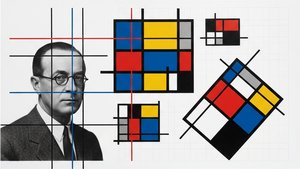 Theo van Doesburg: Pioneering De Stijl & the Evolution of Neo-PlasticismExplore the revolutionary De Stijl movement & Neo-Plasticism with our expert guide. Discover Piet Mondrian, Theo van Doesburg, and the last…
 Dutch artworks of the 1910sDutch modernism in the 1910s features the iconic works of Piet Mondrian, Kees van Dongen, and Isaac Israëls. Find museum-quality art on Ori…