
 Náhľad v interiéri
 Odoslať ako digitálnu kartu
 Zdieľať
 Podrobnosti o dielo
 Príručka

 Stiahnuť obraz
 Podobné položky
 RTG skúška
 Prehliadanie diapozoje
 Q&A
Q&A Štatistiky
Ďalšie jazdy koní

- 45.0 x 60.0 cm


 Zobraziť viac
Giclée / Umenotlač
Giclée tlač alebo plátno múzeálnej kvality s rýchlou výrobou a rôznymi možnosťami povrchovej úpravy. ( Kúpiť ručne maľovaný obraz Prepnúť na digitálny obraz)




P118B €10

P118H €10

P118W €10

P438Z €10

P508JH €12

P508YH €12

P805H €10

P805Z €10

P919BZ €10

P919G €10

P919XJ €10

P959ZH €10

P968JZ €12

W106C €8

W218G €10

W218JH €8

W218Y €10

W307PJ €10

W316G €10

W316PJ €8

W316Y €10

W398PJ €8

W4111J €10

W500HY €15

W500JH €15

W692G €12

W849H €8

W940BG €15

W953PJ €8




Vyberte si z našich preddefinovaných rozmerov, ktoré zodpovedajú pôvodným pomeroḿ diela.

Zadajte šírku a výšku, ktoré potrebujete, aby sa reprodukcia hodila k vášmu rámu alebo stene. Print možno len orezávať, nikdy však nemennú veľkosť zvětšiť oproti pôvodnému obrázku, preto pri inom formáte stráca časť obrazu. Pred samotným vytlačiacím procesom vám pošleme digitálny náhľad na schválenie. Obrázok zobrazený na tejto stránke nezobrazuje reálny rez — len digitálny náhľad ukazuje presný výsledok.
Celosvetová doprava () do 2 týždňov namiesto štandardných 4 až 5 týždňov. (1 november)

Bezplatná expresná doprava po celom svete

Vysokokvalitné lnianske plátno

Kompletné poistenie prepravy

Záruka vrátenia colného poplatku

Záruka presného farebného zhodnutia

100-dená politika vrátenia tovaru (iba pri vadách)

100% záruka vrátenia peňazí

Zľava pri väčšom množstve
 Možnosť skla je dostupná len pri rozmeroch pod 110 cm

Ďalšie jazdy koní
Giclée / Umenotlač
Veľkosť reprodukcie
-


Celková cena
€ 71
Jean-Louis André Théodore Géricault: Výrazný Romantický Pionier
Jean-Louis André Théodore Géricault (1791–1824) bol francúzsky maliar a kresťanský ilustrátor, ktorý je najznámejší svojím obrazom „Raft Medúzy“ (La Raft de la Méduse), ktorý predstavuje vrchol romantického obdobia v európskej výtvarníctve. Aj keď zomrel mladý, bol jedným z prvých pionierov romantizmu – umeleckého smeru, ktorý sa vyznačoval intenzívnym emocionálnym vyjadrením a oslavou ľudských pocitov.
- Ranné roky a Vzdelávanie: Géricaultovo životné cestička začala v Rouen, kde získal základné umelecké znalosti pod vedením Carle Verneta, odborníka na anglický športový obraz. Vernet ho naučil anatomii a pohyb – prvky, ktoré budú mať zásadný význam pri tvorbe jeho ďalších diel.
- Poznámky Guérinovi: Jeho štúdium pod Pierre-Narcisse Guérinom poskytlo základ klasickej kompozície, čo však Géricaulta poháňalo k nezávislému získavaniu poznatkov v Louvre – kde sa stretol s umeleckými hodnotami klasického obdobia.
- „Raft Medúzy“: Jeho najvýznamnejšie dielo „Raft Medúzy“ vzniklo medzi rokmi 1818–19 a predstavuje dramatické vyjadrenie aktu súčasného francúzskeho pobrežného nešťastia. Obraz upozornil na korupciu vlády, ale zároveň oslavoval večnú tému ľudského boja s prírodou.
Géricaultovo umelecké diela sú charakteristické kombináciou klasických princípov kompozície a výrazného emocionálneho pôsobenia. Jeho tvorba bola ovplyvnená dielami velikánov ako Michelangelo, Rubens alebo Rembrandt – čo sa odráža v jeho obrazovej technike a estetickej filozofii.
- Technika Olejovej Maľby: Géricault používal olejovu maľbu – jednu z najvýznamnejších technik výtvarníkov romantizmu. Jeho obrazy sú často veľké rozmerovo, čo umožňuje vytvorenie dramatického efektu a presnosťou vykreslenie ľudských pohybov.
- Symbolizmus: Géricaultove diela sú bohaté na symbolické významy – ktoré odkazujú k filozofickým ideám romantizmu. Jeho obrazy často zobrazujú boj medzi človekom a prírodou, ale aj otázky morálky a hodnotových zásad.
„Raft Medúzy“ je ikonický obraz, ktorý si získal uznanie kritikov i širokej verejnosti. Jeho monumentalná škála a dramatické vyjadrenie ľudských pocitov sú dôkazom Géricaultovej umeleckej geniality – ktorá má stále aktuálne hodnoty a inspiruje mladých umelcov po celom svete.
Otázky a odpovede
Z akých krajín pochádzajú návštevníci diela „Ďalšie jazdy koní“ od Teódor Gericault?
Stránka Štatistiky diela „Ďalšie jazdy koní“ od Teódor Gericault prezentuje štatistiky návštevnosti: mesačnú návštevnosť tohto diela, jeho porovnanie s najnavštevovanejšími prácami daného umelca a informácie o pôvode návštevníkov.
Aký emocionálny tón sprevádza štýl Romantic Painting diela „Ďalšie jazdy koní“?
„Ďalšie jazdy koní“ vyžaruje Dramatický emóciu v rámci smeru Romantic Painting.
Akú mieru kontrastu vykazuje „Ďalšie jazdy koní“ od Teódor Gericault?
Svetlo-tmavý kontrast diela „Ďalšie jazdy koní“ je zaznamenaný ako Vyvážený. Kontrast popisuje, ako výrazne sa líšia svetlé a tmavé oblasti.
Biografia umelca
A Life Forged in Romantic Fire
Jean-Louis André Théodore Géricault, a name that resonates with the burgeoning spirit of French Romanticism, was born into a world poised on the brink of dramatic change. Arriving in Rouen, France, in 1791, his early life unfolded amidst the echoes of revolution and the rising tide of Napoleonic ambition. Though inheriting a comfortable existence through his family’s legal and business ventures – including a tobacco enterprise – Géricault's destiny lay not in law or commerce but within the realm of artistic expression. His initial training under Carle Vernet, a master of English sporting art, instilled in him a keen eye for anatomy and movement, particularly evident in his depictions of horses. However, it was his subsequent studies with Pierre-Narcisse Guérin that provided a foundation in classical composition, though Géricault’s restless spirit soon led him to seek knowledge independently within the hallowed halls of the Louvre.The Louvre as Academy: A Dialogue with Masters
From 1810 to 1815, the Louvre became Géricault's true academy. He immersed himself in the works of the Old Masters – Rubens, Titian, Velázquez, and Rembrandt – not merely copying their techniques but engaging in a profound dialogue with their artistic philosophies. This period was crucial in shaping his distinctive style, characterized by dramatic chiaroscuro, dynamic compositions, and an intense emotionality that set him apart from his contemporaries. He wasn’t simply replicating; he was absorbing the essence of these masters, internalizing their approaches to light, shadow, and human form. This self-directed education fostered a unique artistic voice, one that would soon challenge the prevailing Neoclassical conventions. His early works, like *The Charging Chasseur* (1812), already hinted at this emerging sensibility, showcasing a boldness of execution and a fascination with movement reminiscent of Rubens’ energetic canvases. He continued to explore equestrian themes, honing his skills in depicting the power and grace of horses – a subject that would remain a recurring motif throughout his career.The Raft of the Medusa: A Monument to Human Suffering
Géricault's name is inextricably linked with *The Raft of the Medusa* (1818-1819), a monumental canvas that transcends mere historical depiction and becomes a searing indictment of human fallibility and societal injustice. Inspired by the harrowing true story of the shipwreck of the French frigate Méduze in 1816, where negligence and incompetence led to unimaginable suffering for its passengers, the painting is a visceral portrayal of desperation, hope, and despair. Géricault undertook meticulous research, interviewing survivors, studying corpses at hospitals, and even constructing a scale model of the raft itself to ensure accuracy. The resulting work is not simply a depiction of tragedy; it’s an immersive experience that confronts viewers with the raw reality of human suffering. The composition, built around two pyramidal structures – one representing despair and death, the other embodying hope and potential rescue – creates a dynamic tension that draws the eye across the canvas. *The Raft of the Medusa* was controversial upon its exhibition at the Salon of 1819, sparking political debate and solidifying Géricault’s reputation as a daring and unconventional artist. The painting's impact extended beyond the art world, becoming a symbol of governmental incompetence and human resilience in the face of unimaginable hardship.Beyond Tragedy: Military Themes and Artistic Legacy
While *The Raft of the Medusa* remains his most celebrated achievement, Géricault’s artistic output extended beyond this singular masterpiece. He continually returned to military themes, evident in works like *Wounded Cuirassier* (1814) and *The Derby of Epsom* (1821), demonstrating a fascination with drama and expressive force. These paintings reveal his continued exploration of human emotion under duress, often focusing on the physical and psychological toll of conflict. He also ventured into portraiture and lithography, further expanding his artistic repertoire. Sadly, Géricault’s life was cut short by illness at the age of 32 in 1824, following years of suffering from riding accidents and a chronic tubercular infection. His premature death robbed the art world of a prodigious talent, but his influence on subsequent generations of artists – particularly Eugène Delacroix – was profound. He is remembered as a pioneer of Romanticism, an artist who dared to confront difficult truths and imbue his work with a powerful emotional resonance that continues to captivate audiences today. His bronze figure reclines, brush in hand, on his tomb at Père Lachaise Cemetery in Paris, above a low-relief panel depicting the harrowing scene from *The Raft of the Medusa* – a fitting tribute to an artist who dedicated his life to capturing the complexities and contradictions of the human condition.Key Characteristics & Influences
- Romanticism: Géricault is considered one of the first French Romantic painters, moving away from Neoclassical ideals towards emotional intensity and dramatic expression.
- Dramatic Composition: His paintings are known for their dynamic compositions, often utilizing diagonal lines and contrasting light and shadow to create a sense of movement and tension.
- Realism & Research: Géricault was committed to realism, conducting extensive research – including studying corpses and interviewing survivors – to ensure the accuracy and emotional impact of his work.
- Influence of Old Masters: He drew inspiration from Baroque masters like Rubens, Titian, and Velázquez, adopting their techniques for dramatic lighting and expressive brushwork.
- Focus on Human Suffering: His art often depicts scenes of tragedy, despair, and the darker aspects of human experience, reflecting a Romantic fascination with intense emotions.

Teódor Gericault
1791 - 1824 , Francúzsko
Základné informácie
- Artistic Movement Or Style: Romantizmus
- Artists Or Movements Influenced By This Artist: ['Delacroix']
- Artists Who Influenced This Artist:
- Carle Vernet
- Guérin
- Date Of Birth: 26. september 1791
- Date Of Death: 26. január 1824
- Full Name: Jean-Louis André Théodore Géricault
- Nationality: Francúzsky
- Notable Artworks:
- Raft of the Medusa
- Wounded Cuirassier
- Derby Epsom
- Place Of Birth: Rouen, Francúzsko
Súvisiace články

The Equine Muse: A Historical & Artistic Exploration of Horses in Painting
Explore the captivating history of horses in painting! Discover Renaissance masterpieces, Baroque grandeur & expert insights for collecting equestrian art. Learn about symbolism, techniques & lasting value with OriginalUniqueArt.

Émile Jean Horace Vernet: Romantic Realism & Depicting 19th-Century Life
Explore the life & art of Émile Jean Horace Vernet, a master of Romantic Realism. Discover his captivating battle scenes, portraits, and Orientalist works – a window into 19th-century France. Learn about his techniques & enduring legacy.

Top 10 diel 19. storočia: Majstri a príbehy v umení pre váš domov
Ponorte sa do sveta 19. storočia s top 10 dielami impresionizmu, realizmu a romantizmu! Objavte príbehy Courbeta, Moneta a Van Gogha. Reprodukcie obrazov pre luxusný interiér na OriginalUniqueArt.com – umenie online.

Romantic Realism's Finest: 10 Masterpieces for Your Home | OriginalUniqueArt
Explore 10 defining masterpieces of Romantic Realism! Discover Courbet, Millet & Daumier's powerful paintings—capturing emotion and social realities. Find museum-quality reproductions for your home at OriginalUniqueArt.com.
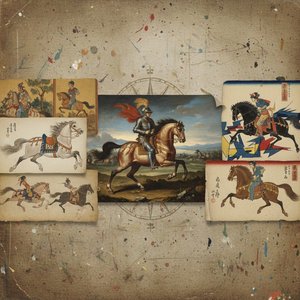
The Noble Steed on Canvas: A Historical & Artistic Exploration of Horse Painting Across Cultures
Explore the rich history of horse painting! Discover masterpieces from Stubbs to Munnings & learn about symbolism, techniques & artists. Find museum-quality reproductions at OriginalUniqueArt.


