Pop Art/Conceptual art · 1962
Objectivity (Sol Lewitt, 1962)
Sol Lewitt (1928–2007) vytvoril Objectivity. Pochádza z roku 1962. Patrí k umeleckému smeru Pop Art/Conceptual art. Je vyrobené z Mixed Media. Rozmery sú 128 × 128 cm.
- 1962
- Mixed Media
- 128 × 128 cm

 Náhľad v interiéri

 Ručne maľovaná olejná reprodukcia
 Odoslať ako digitálnu kartu
 Zdieľať
 Informačný list


 Stiahnuť obraz
 Podobné položky
 RTG skúška
 Prehliadanie diapozoje
 Otázky a odpovede

 Štatistiky
Objectivity v krátkosti
- Názov
- Objectivity
- Umelec
- Sol Lewitt (1928–2007)
- Narodený v roku
- Hartford, Spojené štáty americké
- Dátum
- 1962
- Technika
- Mixed Media
- Rozmery
- 128 × 128 cm
- Obdobie
- Modern
- Motív
- grid, text, minimalism, conceptual, repetition, objectivity
Čo zobrazuje Objectivity?
Objectivity by Sol LeWitt: A Grid of Conceptual Precision
Sol LeWitt's "Objectivity," created in 1962, is a seminal work within the realms of Minimalism and Conceptual Art. This striking piece challenges traditional notions of artistic representation, prioritizing idea and system over subjective expression or illusionistic depiction. Measuring an impressive 128 x 128 cm, it commands attention with its rigorous structure and deliberate repetition.
Composition and Technique: A Three-Dimensional Grid
"Objectivity" presents as a square canvas meticulously divided into a three-dimensional grid of twenty-five squares. Each row contains five squares across and five down. The word "OBJECTIVITY," rendered in bold blue capital letters, is repeated five times across the rows. However, it's not simply a straightforward repetition. Each square displays two letters – “OB,” “JE,” “CT,” and “IV” – with the rightmost squares completing the word “ITY.” A key element of the work lies in its layering: the top row projects outward from the canvas surface, while subsequent rows recede further back, creating a subtle illusion of depth. The background color shifts progressively from orange in the upper row to increasingly darker shades of red as one descends, contributing to a sense of diminishing visibility and an overall darkening effect.
Style and Historical Context: Minimalism and Conceptualism
“Objectivity” emerged during a pivotal period in art history. The late 1950s and early 1960s witnessed the rise of Minimal Art, which rejected Abstract Expressionism’s emphasis on gesture and emotion, favoring instead geometric forms, industrial materials, and a reduction to essential elements. Simultaneously, Conceptual Art began to gain momentum, prioritizing the idea behind the artwork over its physical manifestation. LeWitt's work brilliantly embodies both movements. "Objectivity" exemplifies Minimalism through its grid structure, precise geometry, and serial repetition. It aligns with Conceptualism by foregrounding the underlying concept – in this case, a meditation on objectivity itself – and minimizing the artist’s hand in the final product. The systematic nature of the piece reflects LeWitt's interest in mathematical principles and logical systems.
Symbolism and Emotional Impact: Questioning Perception
The title "Objectivity" is inherently provocative, given the work's visual complexity and layered construction. By repeatedly presenting the word within a receding grid, LeWitt seems to question the very notion of objective truth or perception. The darkening effect as one descends suggests that objectivity becomes increasingly elusive, obscured by layers of interpretation and perspective. The rigid structure can evoke feelings of detachment, artificiality, and even a subtle unease. While seemingly impersonal, "Objectivity" invites viewers to contemplate the complexities of seeing and understanding, prompting reflection on how our perceptions are shaped by context and distance.
Materials and Legacy
LeWitt utilized mixed media in “Objectivity,” primarily employing cardboard or similar rigid material painted with acrylics. The choice of materials reinforces the work's industrial aesthetic and its rejection of traditional artistic techniques. "Objectivity" remains a significant piece within LeWitt’s oeuvre, demonstrating his pioneering approach to artmaking and solidifying his place as a key figure in 20th-century art. Its influence can be seen in subsequent generations of artists exploring conceptual frameworks and systematic processes.
Vysoko rozlíšené fotografie diela Objectivity
Protected by copyright: these files are for personal reference, not a licence to republish.
Sol Lewitt, Objectivity (1962).
Otázky k dielu Objectivity, odpovede
V ktorom roku bolo vytvorené dielo „Objectivity“ od Sol Lewitt?
Dielo „Objectivity“ pochádza z roku 1962, čo umožňuje zaradiť ho do tvorby umelca Sol Lewitt aj do jeho éry.
Aká technika bola použitá pre „Objectivity“ od Sol Lewitt?
„Objectivity“ je realizované v technike Mixed Media.
Aké sú rozmery originálu „Objectivity“ od Sol Lewitt?
Pôvodné rozmery diela "Objectivity" sú 128 x 128 cm. Pôvodné rozmery sú užitočným vodidlom pri výbere veľkosti reprodukcie.
Čo zobrazuje „Objectivity“ od Sol Lewitt?
„Objectivity“ od Sol Lewitt zobrazuje: grid, text, minimalism, conceptual, repetition, objectivity, geometric.
Možno voľne reprodukovať obraz diela „Objectivity“ od Sol Lewitt?
„Objectivity“ od Sol Lewitt patrí do stále chránené autorským právom. Tento stav určuje pravidlá pre reprodukciu obrazu tohto diela.
K ktorému umelcovi sa pripisuje dielo "Objectivity"?
Autorom diela „Objectivity“ je Sol Lewitt. Prácu nájdete v katalógu pod menom Sol Lewitt.
K ktorému umeleckému smeru patrí „Objectivity“ od Sol Lewitt?
Uvedený umelecký smer spojený s dielom „Objectivity“ od Sol Lewitt je Pop Art/Conceptual art. Táto klasifikácia umiestňuje toto dielo medzi súvisiace umelcov a umelecké diela.
Do ktorého obdobia tvorby Sol Lewitt patrí dielo „Objectivity“?
Dielo „Objectivity“ pochádza z obdobia Mature Period v tvorbe umelca Sol Lewitt. Táto klasifikácia spája toto dielo s vývojom umeleckej dráhy autora.
Koľko rokov mal/a Sol Lewitt, keď vzniklo dielo „Objectivity“?
Sol Lewitt vytvoril/a „Objectivity“ vo veku 34 rokov. Umenec sa narodil/a v roku 1928 a dielo pochádza z roku 1962.
O umelcovi, Sol Lewitt

1928–2007, Spojené štáty americké
Sol Lewitt
Architekt myšlienok: Život a odkaz Sol LeWitta V nekonečnej krajine modernizmu dvadsiateho storočia máloktorá postava nezasiahla tak dlhým alebo intelektuálne hlbokým tieňom ako Solomon LeWitt. Narodený 9. septembra 1928 v Hartforde v Connecticut v rodine židovských imigrantov z Ruska, LeWittova cesta bola definovaná snahou o čistú myšľanku namiesto pouhej fyzickej realizácie. Jeho rané roky formovala prísna analytická zvedavosť, vlastnosť vychovaná štúdiom na Syracuse University v rokoch 1945 až 1949.
Aj od Sol Lewitt
 Serial Project #1 ABCD1966
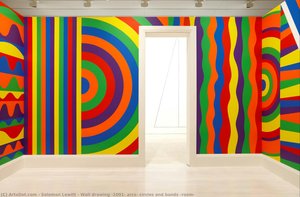 Wall drawing #1091: arcs, circles and bands (room)2003
 Distorted Cubes Bozuk Küpler
 Wall Drawing #3911983
Eseje k dielu Objectivity
 Geometry with Purpose: Distinguishing Suprematism from ConstructivismMaster the differences between Suprematism and Constructivism with our expert guide. Discover the soul of the Russian avant-garde now.
 Beyond the Object: Top 10 Masterpieces of Conceptual ArtExplore 10 iconic works of Conceptual Art by Duchamp and Ono. Discover the power of ideas on OriginalUniqueArt.com.
 Expressionism vs. New Objectivity: Emotion vs. Precision in German ArtMaster the tension between Expressionist emotion and New Objectivity precision. Explore the soul of German modern art now.