
 Náhľad
 Odoslať
 Zdieľať
 Podrobnosti o dielo

 Stiahnuť
 Podobné diela
 RTG skúška
 Prezentácia
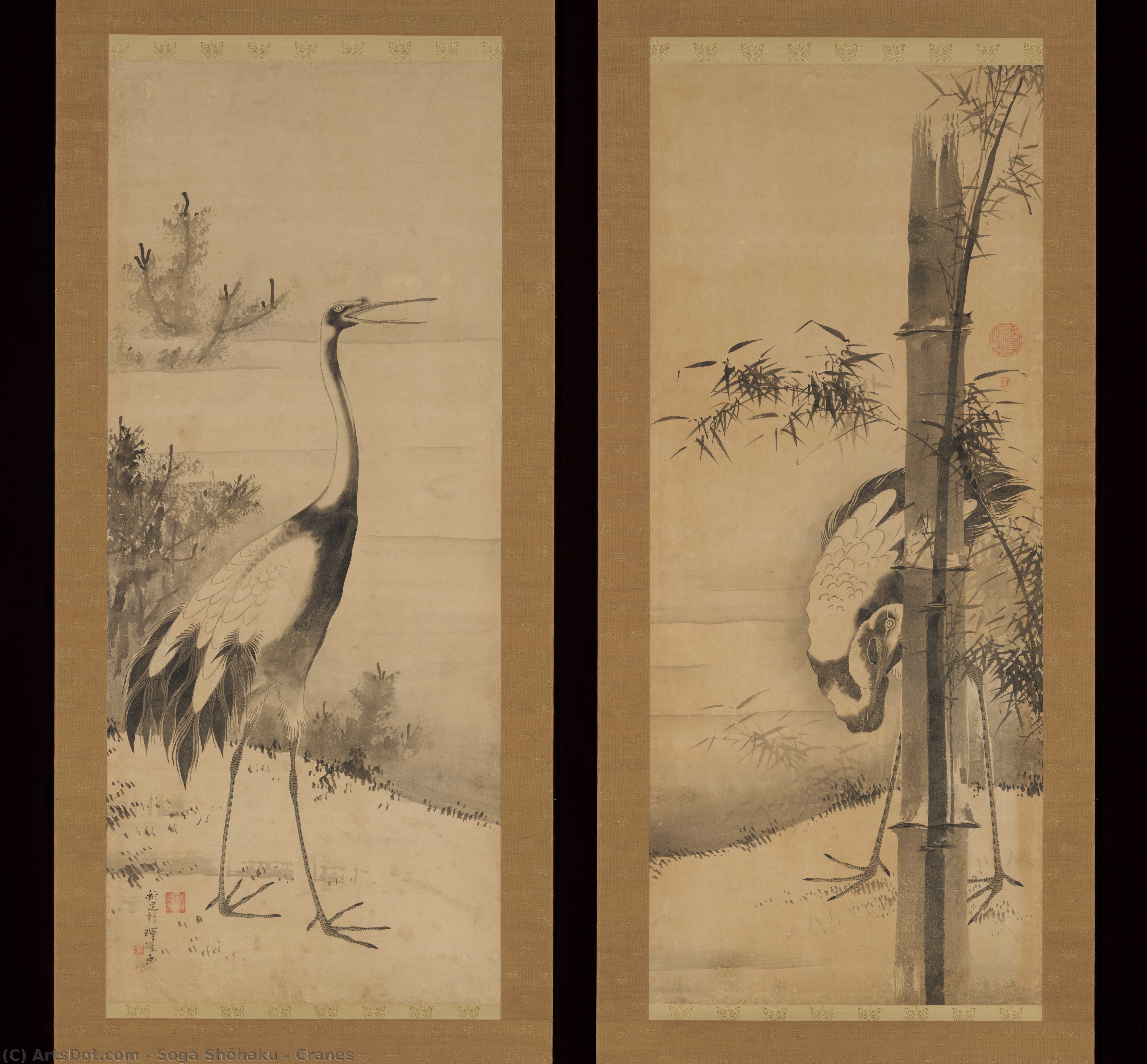
Cranes
 Muromachi Period”
 1760
1760 134.0 x 56.0 cm
 Zobraziť viac
Giclée / Umenotlač
Giclée tlač alebo plátno múzeálnej kvality s rýchlou výrobou a flexibilnými možnosťami povrchovej úpravy. ( Prejsť na ručne maľovanú reprodukciu Prepnúť na obrázok)




































Vyberte si z našich preddefinovaných rozmerov, ktoré zodpovedajú pôvodným pomeroḿ diela.

Môžete zadať vlastné rozmery, aby sa reprodukcia prispôsobila konkrétnemu rámu alebo priestoru. Ak zvolená veľkosť nebude zodpovedať proporciám originálu, dielo buď orežeme, alebo obraz rozšírime pomocou zrkadlenia či farebného doplnenia okrajov. Pred začatím výroby vám pošleme digitálnu ukážku na schválenie.
Máte na vedomí, že náhľad na obrazovke neodzrkadľuje skutočné orezanie alebo rozšírenie. Len digitálna ukážka presne zobrazí finálnu kompozíciu.
Hoci sú k dispozícii vlastné rozmery, pre zachovanie pôvodných proporcií odporúčame vybrať si rozmer z vopred definovaného zoznamu.
Celosvetová doprava () do 2 týždňov namiesto štandardných 4/5 týždňov. (10 august)

Bezplatná expresná doprava po celom svete

Prémiové lnianske plátno

Kompletné poistenie prepravy

Záruka vrátenia colného poplatku

Záruka presného farebného zhodnutia

60-dňá politika vrátenia (iba pri defektoch)

100% záruka vrátenia peňazí

Výhodná množstevná zľava
 Možnosť skla je dostupná len pri rozmeroch pod 110 cm

Cranes
Giclée / Umenotlač
Veľkosť reprodukcie
-


Celková cena za vybrané možnosti
$ 81
Popis predmetu
Biografia umelca
life and artistic style
soga shōhaku, a japanese painter from the edo period (1730-1781), defied conventions with his unique brush style, reminiscent of the muromachi period, which was already 150 years out of vogue by the time of his birth. this distinctive approach set him apart from his contemporaries.notable works and their significance
* race at uji river (harvard art museums, cambridge, united states): this polychromatic screen, depicting a famous episode from the 14th-century war epic "the tale of the heike," showcases shōhaku's pictorial grotesquerie. it is a rare example of his work in full color. * the immortal li tieguai (128 x 28 cm, paper): this piece illustrates the story of one of the eight chinese immortals, li tieguai, and demonstrates shōhaku's ability to convey complex narratives through his art.artistic influences and legacy
* shōhaku's preference for the muromachi period's brush style reflects an aesthetic that was already passé by the time of his birth. this choice not only distinguishes him from his contemporaries but also highlights his unique artistic vision. * his monstrous depictions of prominent figures were extremely unusual compared to other painters of his time, further solidifying his position as an unconventional artist.explore more at OriginalUniqueArt
- discover soga shōhaku's works in the artist profile on OriginalUniqueArt.
- learn more about japanese art movements, including the bunjinga art movement, which influenced shōhaku's style.
- view other notable artists from the edo period in OriginalUniqueArt's extensive collection, including mori ransai.
conclusion
soga shōhaku's unorthodox approach to japanese painting during the edo period has left an indelible mark on art history. his unique style, characterized by monstrous depictions and a preference for outdated aesthetics, continues to fascinate art lovers today. explore his works and those of other influential artists at OriginalUniqueArt, the virtual museum for art aficionados. references:- soga shōhaku - artist profile, OriginalUniqueArt
- the bunjinga art movement, OriginalUniqueArt
- mori ransai - artist profile, OriginalUniqueArt
- ito jakuchu, known for his unique use of vegetables and plants in his art.
- kano einō, a prominent member of the preeminent kano family workshop.
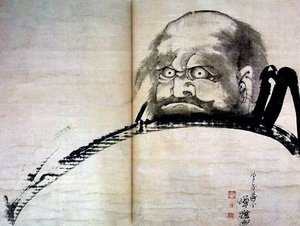
soga shohaku
1730 - 1781 , Japan
Základné informácie
- Artistic Movement Or Style: Muromachi Style
- Artists Or Movements Influenced By This Artist: ['Bunjinga']
- Artists Who Influenced This Artist: ['Takada Keiho']
- Date Of Birth: Kyoto, Japan (1730)
- Full Name: Soga Shōhaku
- Nationality: Japanese
- Notable Artworks:
- Race at Uji River
- The Immortal Li Tieguai
- Place Of Birth: Kyoto
Súvisiace články

Katsushika Hokusai: 25 Majstrovských Diel pre Krásu Vášho Domova | OriginalUniqueArt.com
Ponorte sa do sveta Katsushika Hokusaiho a objavte 25 jeho najznámejších umeleckých diel. Ukiyo-e, The Great Wave, Fujiyama – príbehy za ikonickými obrazmi. Kvalitné reprodukcie pre váš domov na OriginalUniqueArt.com.
The Alchemy of Ink: Mastering the Timeless Beauty and Art History of Paper and Brush
Embark on a sophisticated exploration of ink wash painting and Sumi-e. Uncover the profound historical lineages, Zen philosophies, and technical mastery behind this timeless medium in our authoritative guide for fine art enthusiasts.

Ephemeral Expressions: Exploring the Nuances of Ink on Paper Through History & Contemporary Art
Explore the captivating world of ink wash painting – from its ancient origins to contemporary masters. Discover techniques, symbolism & conservation insights with OriginalUniqueArt.com.
Floating World: The Captivating Art and Legacy of Japanese Ukiyo-e
Explore the profound beauty of Japanese Ukiyo-e. Discover the history, masters like Hokusai, and the enduring legacy of the 'Floating World' through an expert art-historical lens.
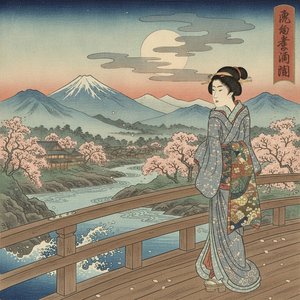
Ukiyo-e's Greatest Hits: 10 Masterpieces That Shaped a Movement | OriginalUniqueArt
Journey into Japan's 'Floating World'! Explore 10 Ukiyo-e masterpieces by Hokusai, Hiroshige & more. Discover the stories behind these iconic woodblock prints and bring timeless Japanese art to your home with OriginalUniqueArt.com. Explore the full collection online.

