
() ·
Obraz vytvorený ručne, pripravený špeciálne pre vás
Ručne maľovaná olejová reprodukcia
Ručne maľovaný olej na plátne vo vašej zvolenej veľkosti a v ráme, vyrobený na mieru našimi umelcami. ( Prepnúť na tlač Prepnúť na digitálny obraz)
Biografia umelca
Discover Alfred Smith, a French Impressionist painter known for atmospheric landscapes of Bordeaux, Venice & the Creuse Valley. Explore his Monet-inspired works!
 Zobraziť viac
od ·
Kapitola 1
Akú veľkosť by mala mať?
Posuňte pre zmenu veľkosti; obrázok vľavo zobrazuje rám v jeho reálnej šírke. Priebeh pôvodného diela zostáva zachovaný.
Vyberte si z našich preddefinovaných rozmerov, ktoré zodpovedajú pôvodným pomeroḿ diela.

Zadajte šírku a výšku, ktoré potrebujete, aby sa dielo hodilo k vášmu rámu alebo stene. Keďže ide o ručnú maľbu, pri rozmeroch s odlišným pomerom strán môže umelec namalovať o niečo viac okolo obrázka alebo ho mierne orezatú — výber patrí vám. Pred začatím maľovania vám pošleme digitálnu ukážku na schválenie. Obrázok zobrazený na tejto stránke nenahrádza reálny výsledok — ten zobrazuje iba digitálna ukážka.
Kapitola 2
V akom stave by mal doraziť?
Vyberte si opletenie plátna
Vyberte si rám

Biele okraje €1

rozostrené okraje €1

Vytiahnutý okraj €1

P118B €10

P118H €10

P118W €10

P438Z €10

P508JH €12

P508YH €12

P805H €10

P805Z €10

P919BZ €10

P919G €10

P919XJ €10

P959ZH €10

P968JZ €12

W106C €8

W218G €10

W218JH €8

W218Y €10

W307PJ €10

W316G €10

W316PJ €8

W316Y €10

W398PJ €8

W4111J €10

W500HY €15

W500JH €15

W692G €12

W849H €8

W940BG €15

W953PJ €8

H24-GOLD €30

H24-SILVER €30

H36-GOLD €45

H36-SILVER €45
V rámoch
Profil: . Celkový rozmer vrátane rámov: .
Kapitola 3
Kto ho maľuje a malo by sa niečo meniť?
Po objednávke vám tím OriginalUniqueArt.com pošle e-mail s pokynmi a poskytne náhľad návrhu
Celosvetová doprava () za 3 až 4 týždne namiesto štandardných 5 týždňov. (3 november). Bez kompromisov v kvalite.
Kapitola 4
Posledné dotahy
Štítok, ako v múzeu?
Detaily vygravírovaného bronzového pláka
This elegant plaque features the artist's name and the title of the artwork, finely engraved for a timeless presentation.
It is made from bronze with a refined, elegant finish. The text is precisely laser-engraved for a sharp and permanent result. Measuring 9x2 cm, the plaque is compact yet easy to read. It's built to be durable and scratch-resistant, offering a professional, museum-quality look. Mounting is simple thanks to the included adhesive backing.
Detaily transparentnej akrylovej plăty
The plaque includes essential engraved details such as the artist's name, the title of the artwork, the date it was created, the type of media used-like oil on canvas or watercolor-a brief description of the piece, and a QR code that links to the complete artwork information.
It is crafted from clear acrylic, offering a sleek, modern appearance. The text is UV-engraved in black to ensure strong visual contrast. With a size of 10x15 cm, it ensures optimal readability. It comes equipped with two metal hooks for secure wall mounting. The plaque is designed to be weather-resistant, making it suitable for various environments, and it includes interactive features that work seamlessly with smartphone scanning.
Detaily čiernej akrylovej plăty
This elegant plaque includes engraved information such as the artist's name, the title of the artwork, the date it was created, the type of media used (like oil on canvas or watercolor), a short description of the artwork, and a QR code for quick access to more information.
The plaque itself is made from refined black acrylic with a premium finish. The text is laser-engraved in white for high contrast and readability. Its size is 10x15 cm, designed to be easy to read. It comes with two metal hooks for professional mounting. The design is sleek and fits any interior style. It is also weather-resistant and durable, with built-in digital integration for mobile compatibility.
Ochranný lak?
Kedy vám má byť doručené?
Kapitola 5
Vaša maľba presne podľa vašej objednávky

LA MEULE
Technika reprodukcie
Veľkosť reprodukcie
-

Výborne skúsený umelec
Viac detailov, jemnosti a dodatočného času na výrobu
-

Rámovanie reprodukcie
-
-
V prípade umeleckých diel alebo reprodukcií, ktorých ktorákoľvek strana je väčšia ako 105 cm (cca 41 palcov), sa rám dodáva v rozloženom stave ako sada. Táto metóda zabezpečuje bezpečnú доставu a chráni pred poškodením počas prepravy.
Vyžaduje sa odborná montáž – toto nie je produkt na vlastnú prípravu (DIY).
Sada musí byť zmontovaná a plátno napnuté skúseným profesionálnym rámovaníkom, s použitím drevárneho lepidla (nie je súčasťou sady), klieš na napínanie plátna a svoriek na udržanie prav角的 rámov počas schnutia lepidla. Nesprávna montáž alebo nerovnomerné napnutie plátna môže trvalo poškodiť umelecké dielo, čo nie je kryté našou zárukou.
 V prípade umeleckých diel alebo reprodukcií, ktorých ktorákoľvek strana je väčšia ako 105 cm (cca 41 palcov), sa rám dodáva v rozloženom stave ako sada. Táto metóda zabezpečuje bezpečnú доставu a chráni pred poškodením počas prepravy.
Všetky lišty z masívneho dreva sú súčasťou balenia, presne narezané na mieru.
Montuje sa pomocou súčasťou balenia dodaných skrutiek, plus drevolepu na spoje v rohoch, ktorý nie je súčasťou balenia a musí si ho zabezpečiť váš montážnik.
Vyžadujú sa profesionálne nástroje, ktoré nie sú súčasťou sady: kliešte na napínanie plátna (napínací nástroj) a svorky na udržanie pravých uhlov rámov počas schnutia lepidla.
Dôležité:
Spoje v rohoch si vyžadujú lepidlo na drevo, tyče je potrebné upevniť pomocou svoriek, kým lepidlo úplne newyschne, a napnutie plátna na zostavený rám si vyžaduje klieže na napínanie plátna. Žiadna z týchto pomôcok nie je súčasťou sady. Pred objednaním tejto veľkosti si, prosím, zabezpečte skúseného odborníka na zakladanie rámov.

Popisné označenie
-
-

Ochranný lak
Lesklý lak (zvýrazňuje farby, chráni pred svetlom a vlhkosťou)
-

Prispôsobiť moje dielo
Príklady možností úprav: nahradenie tváre vlastnou fotografiou; pridanie domáceho zvieraťa (napr. nahradenie mačky psom); vloženie skrytého odkazu do pozadia; zmena krajiny alebo prvkov v pozadí.
-

Prioritné doručenie
Celosvetová doprava () za 3 až 4 týždne namiesto štandardných 5 týždňov. (3 november). Bez kompromisov v kvalite.
-
Rýchle doručenie
Celosvetová doprava do za 5 týždňov. (10 november).
V cene
Celková cena
€ 268
Možnosť skla je dostupná len pri rozmeroch pod 110 cm
Súčasťou každej objednávky
- Bezplatná expresná doprava po celom svete
- Vysokokvalitné lnianske plátno
- Kompletné poistenie prepravy
- Záruka vrátenia colného poplatku
- Záruka presného farebného zhodnutia
- 100-dená politika vrátenia tovaru (iba pri vadách)
- 100% záruka vrátenia peňazí
- Zľava pri väčšom množstve


 Náhľad v interiéri
 Odoslať ako digitálnu kartu
 Zdieľať
 Podrobnosti o dielo
 Príručka

 Stiahnuť obraz
 Podobné položky
 RTG skúška
 Prehliadanie diapozoje
 Otázky a odpovede
 Štatistiky
V číslach
- 29výber z dostupných rámov
- štandardné veľkosti, v ich vlastných proporciách
- 5týždňov na vytvorenie a doručenie
O origináli
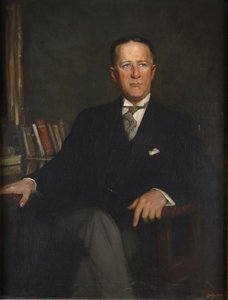
Smith Alfred
1853 - 1936, France
Rýchle fakty o umelcovi Smith Alfred
- Full Name: Vincent Willem van Gogh
- Nationality: Dutch
- Date Of Birth: 1853
- Date Of Death: 1936
- Place Of Birth: Bordeaux, France
- Notable Artworks:
- Sunflowers
- Bedroom in Arles
- Starry Night
- Wheatfield with Crows
- Artistic Movement Or Style: Post-Impressionism
- Artists Who Influenced This Artist: ['Jean-François Millet']
- Artists Or Movements Influenced By This Artist:
- Fauves
- Expressionism
Biografia umelca
A Life Bathed in Light: The Story of Alfred Smith
Alfred Smith, a name that whispers of quiet landscapes and the gentle touch of Impressionism, was born in Bordeaux, France, in 1854. Though his surname evokes English heritage—a lineage stemming from his father’s Welsh roots—Smith became intrinsically linked to the artistic spirit of his adopted homeland. He wasn't merely a painter; he was an interpreter of atmosphere, a chronicler of fleeting moments, and a subtle innovator within the vibrant French art scene of the late 19th and early 20th centuries.
Smith’s initial artistic journey unfolded within a circle of local Bordeaux artists who admired the realism of Gustave Courbet and the poetic lyricism of Jean-Baptiste-Camille Corot. He formally studied under Hippolyte Pradelles in 1876, followed by Léonce Chabry in 1880 and Amadeus Baudit in 1884—a foundational education that instilled a respect for traditional techniques while simultaneously opening his mind to the burgeoning possibilities of modern painting. His debut at the Paris Salon in 1880, earning an honorable mention, signaled the beginning of a career marked by consistent recognition.
From Bordeaux to Monet: Early Influences and Development
The early works of Alfred Smith bear a striking resemblance to those of Claude Monet—a testament to the profound impact the master Impressionist had on his artistic vision. Smith’s initial canvases were characterized by a similar fascination with light, color, and the ephemeral qualities of nature. He captured scenes around Bordeaux, depicting the bustling quays along the Garonne River, the sun-drenched vineyards that defined the region, and intimate garden views. However, Smith wasn't simply an imitator; he possessed a unique sensitivity to nuance, a subtle palette that distinguished his work from the bolder strokes of many of his contemporaries.
By the 1880s, Smith had risen as a leading figure in the Bordeaux school of painters. While financially independent allowed him to pursue his art without immediate commercial pressures, he didn’t fully dedicate himself to painting until 1886. This period of exploration and refinement saw him move beyond mere imitation, developing a distinctive style that blended Impressionistic techniques with elements of Post-Impressionism.
The Creuse Valley and the Crozant School
A pivotal moment in Smith’s artistic development came with his discovery of the Creuse valley. This region, known for its rugged landscapes and picturesque villages, became a source of endless inspiration. He associated himself with the Crozant School—a loose collective of artists drawn to the area's natural beauty and influenced by Courbet’s emphasis on realism. Here, Smith’s palette began to evolve, embracing brighter tones and more expressive brushwork.
His paintings from this period capture the essence of rural life in the Creuse valley—woods bathed in golden light, tranquil gardens teeming with flowers, and intimate scenes of everyday existence. He wasn't interested in grand narratives or dramatic compositions; instead, he focused on capturing the subtle beauty of the ordinary, imbuing his canvases with a sense of quiet contemplation.
Recognition and Legacy
Alfred Smith enjoyed consistent recognition throughout his career. He received a third-class medal at the Salon des Artistes Français in 1888, followed by a bronze medal in 1889. In 1894, he was honored with the title of chevalier of the Legion of Honour—a testament to his contributions to French art. He continued exhibiting regularly at French salons into the 1920s, solidifying his reputation as a respected and accomplished painter.
Today, Smith’s works are held in numerous French and Italian museums, including the Musée des Beaux-Arts de Bordeaux and the Musée d'Orsay. His paintings offer a glimpse into a bygone era—a world of quiet beauty, subtle emotions, and the enduring power of light. While perhaps not as widely celebrated as some of his more famous contemporaries, Alfred Smith’s contribution to Impressionism is significant. He was a master of atmosphere, a chronicler of everyday life, and an artist whose work continues to resonate with viewers seeking moments of peace and contemplation.
- Key Characteristics: Atmospheric landscapes, subtle palette, Impressionistic techniques blended with Post-Impressionist elements.
- Influences: Gustave Courbet, Jean-Baptiste-Camille Corot, Claude Monet.
- Major Themes: Rural life, gardens, cityscapes, the beauty of everyday existence.
Smith’s legacy lies not in revolutionary innovation but in his ability to capture the essence of a place and time with remarkable sensitivity. He reminds us that true artistry often resides in the quiet moments—the fleeting glimpses of light, the subtle nuances of color, and the enduring power of human connection.