Náhľad
 Odoslať
 Zdieľať
 Podrobnosti o dielo

 Stiahnuť
 Podobné diela
 RTG skúška
 Prezentácia
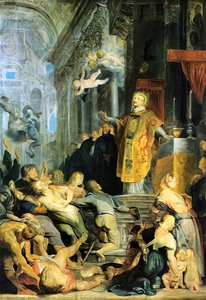
The Three Graces
 Olej na plátne
- WallArt
- Baroque
 1639
1639- Renesancia
 221.0 x 181.0 cm
 Zobraziť viac
Giclée / Umenotlač
Giclée tlač alebo plátno múzeálnej kvality s rýchlou výrobou a flexibilnými možnosťami povrchovej úpravy. ( Kúpiť ručne maľovaný obraz Kúpiť obrázok)




P118B $10

P118H $10

P118W $10

P438Z $10

P508JH $12

P508YH $12

P805H $10

P805Z $10

P919BZ $10

P919G $10

P919XJ $10

P959ZH $10

P968JZ $12

W106C $8

W218G $10

W218JH $8

W218Y $10

W307PJ $10

W316G $10

W316PJ $8

W316Y $10

W398PJ $8

W4111J $10

W500HY $15

W500JH $15

W692G $12

W849H $8

W940BG $15

W953PJ $8




Vyberte si z našich preddefinovaných rozmerov, ktoré zodpovedajú pôvodným pomeroḿ diela.

Môžete zadať vlastné rozmery, aby sa reprodukcia prispôsobila konkrétnemu rámu alebo priestoru. Ak zvolená veľkosť nebude zodpovedať proporciám originálu, dielo buď orežeme, alebo obraz rozšírime pomocou zrkadlenia či farebného doplnenia okrajov. Pred začatím výroby vám pošleme digitálnu ukážku na schválenie.
Máte na vedomí, že náhľad na obrazovke neodzrkadľuje skutočné orezanie alebo rozšírenie. Len digitálna ukážka presne zobrazí finálnu kompozíciu.
Hoci sú k dispozícii vlastné rozmery, pre zachovanie pôvodných proporcií odporúčame vybrať si rozmer z vopred definovaného zoznamu.
Celosvetová doprava () do 2 týždňov namiesto štandardných 4/5 týždňov. (30 august)

Bezplatná expresná doprava po celom svete

Prémiové lnianske plátno

Kompletné poistenie prepravy

Záruka vrátenia colného poplatku

Záruka presného farebného zhodnutia

60-dňá politika vrátenia (iba pri defektoch)

100% záruka vrátenia peňazí

Výhodná množstevná zľava
 Možnosť skla je dostupná len pri rozmeroch pod 110 cm

The Three Graces
Giclée / Umenotlač
Veľkosť reprodukcie
-


Celková cena za vybrané možnosti
$ 80
The Three Graces: A Baroque Tapestry of Beauty and Allegory
Peter Paul Rubens’ “The Three Graces” is more than just a painting; it's an immersive experience, a vibrant embodiment of the ideals of beauty, grace, and pleasure that defined the High Renaissance and profoundly influenced the Baroque era. Completed in 1639 during his time in Madrid, this masterpiece at the Museo del Prado offers a glimpse into Rubens’ unparalleled ability to capture movement, color, and the very essence of human emotion – all within a meticulously constructed allegorical scene.
At first glance, the painting presents three nude women, seemingly adrift in a tranquil space. However, beneath this surface lies a complex web of symbolism rooted in classical mythology. The Graces—Euphrosyne (representing joy and mirth), Aglaea (symbolizing beauty and splendor), and Thalia (depicting youth and fertility)—were daughters of Zeus and the bringers of good fortune to mortals. Rubens masterfully portrays them not as static figures, but as dynamic presences engaged in a gentle, intimate dance – a shared moment of contemplation and delight. The loose drapery, rendered with an almost tactile quality through Rubens’ signature impasto technique, adds to this sense of movement and vitality.
Rubens' distinctive Baroque style is immediately apparent. He abandons the rigid formality of Mannerism in favor of a dramatic, emotionally charged realism. Notice the explosion of color – rich reds, deep blues, and shimmering golds—that dominates the canvas. These aren’t merely decorative; they are carefully chosen to evoke specific moods and sensations. The lighting, too, is masterful, utilizing *tenebrismo* (a technique borrowed from Caravaggio) to create a dramatic chiaroscuro effect, highlighting the figures while casting the background in shadow. This interplay of light and dark intensifies the sense of drama and draws the viewer’s eye directly to the central group.
Beyond its aesthetic brilliance, “The Three Graces” is deeply embedded within the historical context of the Counter-Reformation. Rubens was a court painter for both Philip IV of Spain and Charles I of England, and his work served as a powerful tool for promoting Catholic ideals. The painting’s celebration of beauty and pleasure resonated with audiences seeking solace and inspiration during a period of religious upheaval. It offered an alternative to the austere austerity often associated with Protestantism, suggesting that earthly delights could be harmonious with spiritual devotion.
The composition itself is carefully orchestrated. The figures are arranged in a shallow space, creating a sense of intimacy and immediacy. The tree behind them isn’t merely a backdrop; it symbolizes life, growth, and the cyclical nature of existence. The subtle inclusion of additional figures—a man on the left, another further back, and two more towards the top-right – adds layers of complexity to the scene, suggesting that beauty and grace are not confined to these three women but are interwoven into the fabric of human experience. Rubens’ ability to seamlessly integrate multiple elements within a single composition is a testament to his artistic genius.
Peter Paul Rubens: A Life Dedicated to Artistic Flourishing
Born in Siegen, Germany in 1577, Peter Paul Rubens was a true Renaissance man—a painter, diplomat, and scholar. His early life was marked by upheaval; following his father’s death, the family relocated to Antwerp, a vibrant center of art and commerce. This move proved pivotal, exposing young Rubens to the artistic traditions of the Netherlands and laying the foundation for his future success.
A formative period in Rubens' career began with training under Adam van Noort, where he honed his technical skills and developed an appreciation for the stylistic nuances of Mannerism. However, it was his journey to Italy between 1600 and 1608 that truly transformed him. He immersed himself in the works of masters like Leonardo da Vinci, Michelangelo, and Raphael, but it was Caravaggio’s dramatic use of light and shadow that had the most profound impact on his artistic vision. Rubens absorbed these influences, developing a dynamic style characterized by vibrant colors, energetic compositions, and an emphasis on emotional expression.
Rubens' career spanned over four decades, during which he produced an astonishing volume of work—over 1,400 paintings, drawings, and prints. He served as court painter to both Philip IV of Spain and Charles I of England, undertaking commissions for royalty, nobility, and religious institutions across Europe. His versatility is remarkable; he excelled in a wide range of genres, including altarpieces, portraits, landscapes, history paintings, and mythological scenes.
Beyond his artistic achievements, Rubens was also a skilled diplomat, serving as an ambassador for the Spanish crown. This role exposed him to diverse cultures and perspectives, enriching his understanding of the world and informing his art. He was knighted by both Philip IV and Charles I in recognition of his service.
The Museo del Prado: A Sanctuary for Artistic Masterpieces
“The Three Graces” is a cornerstone of the Museo del Prado’s collection, representing one of its most beloved and frequently studied works. The museum itself, housed in a former royal palace in Madrid, Spain, stands as a testament to centuries of artistic patronage and cultural heritage.
Founded in 1819, the Prado was initially intended to showcase the art collections of Spanish monarchs. Over time, it has grown to encompass an unparalleled range of European masterpieces, spanning from the Middle Ages to the early 20th century. The museum’s collection includes works by Goya, Velázquez, El Greco, and countless other renowned artists.
Visiting “The Three Graces” at the Museo del Prado is a truly immersive experience. The painting's scale—measuring 221 x 181 cm—allows viewers to appreciate the intricate details of Rubens’ brushwork and the richness of his color palette. The museum provides ample space for contemplation, allowing visitors to fully absorb the beauty and symbolism of this iconic work.
Furthermore, the Prado offers a wealth of contextual information about “The Three Graces,” including scholarly essays, audio guides, and interactive displays that illuminate the painting’s historical significance and artistic techniques. It's a place where art history comes alive, inviting visitors to delve deeper into the world of Peter Paul Rubens and his enduring legacy.
Experience the Baroque Brilliance: Reproductions Available at OriginalUniqueArt.com
At OriginalUniqueArt.com, we are passionate about bringing the beauty of masterworks like “The Three Graces” to a wider audience through meticulously crafted oil painting reproductions. Our skilled artisans painstakingly recreate Rubens’ original techniques and color palette, ensuring that each reproduction captures the essence of the original with stunning accuracy.
We offer a range of sizes and canvas materials to suit your individual needs and preferences. Whether you're seeking a statement piece for your living room or a cherished addition to your art collection, our reproductions provide an authentic and affordable way to own a genuine slice of Baroque history. Explore our selection today and bring the timeless beauty of “The Three Graces” into your home.
Learn More: The Three Graces by Peter Paul Rubens | Peter Paul Rubens | The Museum Prado (Madrid, Spain)
Biografia umelca
Sir Peter Paul Rubens: A Baroque Master Forged in Drama and Color
Peter Paul Rubens, meno známe ako Rubens, bol oveľa viac než len maliar – bol diplomat, učenec a umelecký architekt, ktorý zásadne zmenil umelecký krajinu 17. storočia v Európe. Narodenie v Siege v roku 1577 bolo pre neho začiatkom života plného prehier a osudových momentov. Jeho otec, Jan Rubens, právnik utečiac s Calvinistickými názormi, rodinu vyviedol z ich pôvodného prístanku v Antverpách, pod španielskou nadvládou. Tento prvý exil nechal na mladom Petrovi Paulovi hlbokú stopu – podtón dramatičnosti a emocionálnej hĺbky sa začal prejavovať v jeho tvorbe. Po smrti otca v roku 1587 sa rodina vrátila do Antverp, kde získal humanistické vzdelanie a okolo roku 1590 začal s umeleckou praxou, ako učeník Tobiasa Verhaechta a Adama van Noorta, kde zdokonalil základy kreslenia a maľby. Jeho čas pod vedením Otta van Veeňa však bol zásadný – predstavil mu bohaté dedičstvo talianskych renesančných umelcov, s ktorými sa rozhodol hlboko spojiť.The Italian Awakening and Artistic Synthesis
V roku 1600 sa Rubens vydal na transformačnú cestu do Talianska, púhru, ktorá zásadne ovplyvnila jeho umelecké videnie. Po osemnásť rokov sa nepretržite ponáhal v majstrovských dielach Michelangeloa, Rafaela a Titiana, absorboval ich zručnosť v forme, farbe a kompozícii. Vplyv týchto renesančných velikánov je jasne viditeľný v jeho skorých talianskych prácach, charakterizovaných klasickými tématikami a idealizovanými postavami. Rubens však nešiel len kopírovať – spájal tieto vplyvy so svojou vlastnou talentom, rozvíjali jedinečný štýl, ktorý sa vyznačoval živými farbami, dynamickými kompozíciami a smiešnym vyjadrením ľudského tela. Dôsledne študoval anatómia, čo viedlo k tomu, že jeho postavy mali fyzickú reálnosť a emocionálnu hĺbku – robustné telá naplnené životom a pohybom. Tento čas bol však viac než len umelecký rozvoj; bol to hlboké intelektuálne probdnutie, ktoré podporovalo vážnu obhajobu klasickej mytológie a literatúry, ktoré sa stali opakujúcimi sa motívmi v jeho dielach. Po návrate do Antverp v roku 1608 sa Rubens rýchlo etabloval ako vedúci umelec svojho času, čo potvrdzuje nablízky prúd objednávok, ktorý svedčil o jeho rastúcej povesti a pevnej pozícii na čele flamského umenia.A Master of Many Forms: Painting Beyond Boundaries
Rubensova umelecká produkcia bola úžasne rozmanitá a rozsiahla. Nevylučoval si jedinečný žánr; namiesto toho vynikal v histórijské maľbe, mytologických scénoch, portrétoch, krajinách a náboženských prácach – čo je dôkazom jeho všestrannosti a neobmedzenej kreativity. Jeho rozsiahle plátna, často určené pre kostoly, paláce a verejne priestory, boli nádherné ukážky technickej zručnosti a dramatického rozprávačstva. Zosnutie z kríža (c. 1612-1614) je príkladom jeho mistrovského ovládania svetla a tieňa na vytvorenie scény hlbokej emocionálnej intenzity, vtáča diváka do srdca rozprávky. Zosnutie z kríža (c. 1612-1614) je príkladom jeho mistrovského ovládania svetla a tieňa na vytvorenie scény hlbokej emocionálnej intenzity, vtáča diváka do srdca rozprávky. Zosnutie z kríža (c. 1612-1614) je príkladom jeho mistrovského ovládania svetla a tieňa na vytvorenie scény hlbokej emocionálnej intenzity, vtáča diváka do srdca rozprávky. Zosnutie z kríža (c. 1612-1614) je príkladom jeho mistrovského ovládania svetla a tieňa na vytvorenie scény hlbokej emocionálnej intenzity, vtáča diváka do srdca rozprávky. Zosnutie z kríža (c. 1612-1614) je príkladom jeho mistrovského ovládania svetla a tieňa na vytvorenie scény hlbokej emocionálnej intenzity, vtáča diváka do srdca rozprávky. Zosnutie z kríža (c. 1612-1614) je príkladom jeho mistrovského ovládania svetla a tieňa na vytvorenie scény hlbokej emocionálnej intenzity, vtáča diváka do srdca rozprávky. Zosnutie z kríža (c. 1612-1614) je príkladom jeho mistrovského ovládania svetla a tieňa na vytvorenie scény hlbokej emocionálnej intenzity, vtáča diváka do srdca rozprávky. Zosnutie z kríža (c. 1612-1614) je príkladom jeho mistrovského ovládania svetla a tieňa na vytvorenie scény hlbokej emocionálnej intenzity, vtáča diváka do srdca rozprávky. Zosnutie z kríža (c. 1612-1614) je príkladom jeho mistrovského ovládania svetla a tieňa na vytvorenie scény hlbokej emocionálnej intenzity, vtáča diváka do srdca rozprávky. Zosnutie z kríža (c. 1612-1614) je príkladom jeho mistrovského ovládania svetla a tieňa na vytvorenie scény hlbokej emocionálnej intenzity, vtáča diváka do srdca rozprávky. Zosnutie z kríža (c. 1612-1614) je príkladom jeho mistrovského ovládania svetla a tieňa na vytvorenie scény hlbokej emocionálnej intenzity, vtáča diváka do srdca rozprávky. Zosnutie z kríža (c. 1612-1614) je príkladom jeho mistrovského ovládania svetla a tieňa na vytvorenie scény hlbokej emocionálnej intenzity, vtáča diváka do srdca rozprávky. Zosnutie z kríža (c. 1612-1614) je príkladom jeho mistrovského ovládania svetla a tieňa na vytvorenie scény hlbokej emocionálnej intenzity, vtáča diváka do srdca rozprávky. Zosnutie z kríža (c. 1612-1614) je príkladom jeho mistrovského ovládania svetla a tieňa na vytvorenie scény hlbokej emocionálnej intenzity, vtáča diváka do srdca rozprávky. Zosnutie z kríža (c. 1612-1614) je príkladom jeho mistrovského ovládania svetla a tieňa na vytvorenie scény hlbokej emocionálnej intenzity, vtáča diváka do srdca rozprávky. Zosnutie z kríža (c. 1612-1614) je príkladom jeho mistrovského ovládania svetla a tieňa na vytvorenie scény hlbokej emocionálnej intenzity, vtáča diváka do srdca rozprávky. Zosnutie z kríža (c. 161
Peter Paul Rubens
1577 - 1640 , Nemecko
Základné informácie
- Artistic Movement Or Style: Barok
- Artists Or Movements Influenced By This Artist:
- Anthony van Dyck
- Jacob Jordaens
- Eugén Delacroix
- Artists Who Influenced This Artist:
- Michelangelo
- Rafaello
- Tician
- Date Of Birth: 1577
- Date Of Death: 1640
- Full Name: Peter Paul Rubens
- Nationality: Flámsky
- Notable Artworks:
- Zosnutie z kríža
- Vzostup kríže
- Posúdenie Pariy
- Place Of Birth: Siegen, Nemecko
Súvisiace články

Baroque Classicism: Reconciling Drama & Order in 17th-Century Art
Explore the captivating world of Baroque Classicism! Discover its history, key artists like Caravaggio & Rubens, and defining characteristics. Expert insights & high-quality reproductions at OriginalUniqueArt.

Top 10 majstrovských diel baroka: Umění a dekor pre váš domov
Ponorte sa do sveta baroka! Objavte top 10 majstrovských diel od Caravaggia, Rembrandta a ďalších slávnych maliarov. Reprodukcie obrazov pre luxusný dekor vášho domova na OriginalUniqueArt.com.

Peter Paul Rubens: A Baroque Master's Life, Legacy & Enduring Influence
Discover the life & art of Peter Paul Rubens, the most influential artist of the Flemish Baroque tradition. Explore his masterpieces, legacy, and impact on art history with OriginalUniqueArt.

Top 10 majstrovských diel neoklasicizmu: Umění, krása a dekor pre váš domov
Objavte top 10 majstrovských diel neoklasicizmu od David, Ingres a Canova. Prežite príbeh umenia, techniky a nadčasnej krásy. Reprodukcie obrazov pre váš domov na OriginalUniqueArt.com! Preskúmajte kolekciu online.

The Enduring Allure of the Nude: A Historical & Artistic Exploration of the Human Form
Explore the captivating history of nude art! Discover iconic paintings & artists from classical to modern eras. Uncover symbolism, techniques & find museum-quality reproductions at OriginalUniqueArt.