

 Zobraziť v interiéri
 Odoslať
 Zdieľať
 Podrobnosti
 Príručka

 Stiahnuť
 Podobné položky
 RTG skúška
 Prehliadanie diapo\]
 Štatistiky
The Black Brunswicker
 Oil On Canvas
- WallArt
- Pre-Raphaelite Brotherhood
 103.0 x 69.0 cm
 Royal Scottish Academy of Art - Architecture
 Prečítať si viac
Giclée / Umenotlač
Giclée tlač alebo plátno múzeálnej kvality s rýchlou výrobou a rôznymi možnosťami povrchovej úpravy. ( Objednať ručne maľovanú reprodukciu Prepnúť na digitálnu verziu obrazu)




P118B €10

P118H €10

P118W €10

P438Z €10

P508JH €12

P508YH €12

P805H €10

P805Z €10

P919BZ €10

P919G €10

P919XJ €10

P959ZH €10

P968JZ €12

W106C €8

W218G €10

W218JH €8

W218Y €10

W307PJ €10

W316G €10

W316PJ €8

W316Y €10

W398PJ €8

W4111J €10

W500HY €15

W500JH €15

W692G €12

W849H €8

W940BG €15

W953PJ €8




Vyberte si z našich preddefinovaných rozmerov, ktoré zodpovedajú pôvodným pomeroḿ diela.

Zadajte šírku a výšku, ktoré potrebujete, aby sa reprodukcia hodila k vášmu rámu alebo stene. Print možno len orezávať, nikdy však nemennú veľkosť zvětšiť oproti pôvodnému obrázku, preto pri inom formáte stráca časť obrazu. Pred samotným vytlačiacím procesom vám pošleme digitálny náhľad na schválenie. Obrázok zobrazený na tejto stránke nezobrazuje reálny rez — len digitálny náhľad ukazuje presný výsledok.
Celosvetová doprava () do 2 týždňov namiesto štandardných 4 až 5 týždňov. (23 október)

Bezplatná expresná doprava po celom svete

Vysokokvalitné lnianske plátno

Úplné poistenie prepravy

Záruka vrátenia colného poplatku

Záruka presného farebného zhodnutia

100-dená politika vrátenia tovaru (iba pri vadách)

100% záruka vrátenia peňazí

Ponuka množstevnej zľavy
 Možnosť skla je dostupná len pri rozmeroch pod 110 cm

The Black Brunswicker
Giclée / Umenotlač
Veľkosť reprodukcie
-


Celková cena
€ 70
The Black Brunswicker: A Victorian Tableau of Duty and Desire
John Everett Millais’s “The Black Brunswicker,” painted in 1860, is more than just a depiction of a soldier preparing for battle; it's a meticulously crafted tableau vivant—a staged scene designed to evoke both the drama of historical conflict and the poignant intimacy of personal relationships. This remarkable work, now housed at the Lady Lever Art Gallery in Port Sunlight, Merseyside, offers a captivating glimpse into Victorian sensibilities, Pre-Raphaelite aesthetics, and the complex interplay between duty, love, and loss.
At first glance, the painting presents a seemingly straightforward scene: a young soldier, clad in the dark, imposing uniform of the Black Brunswickers—a German mercenary unit that fought valiantly at the Battle of Waterloo—is about to depart for war. His sweetheart, a woman of striking beauty adorned with a delicate pink sash and pearl-white satin gown, attempts to restrain him, her face etched with worry as she struggles to close the heavy wooden door behind him. A loyal black dog sits attentively at their feet, seemingly mirroring the soldier’s conflicted emotions. However, beneath this surface narrative lies a rich tapestry of symbolism and historical allusion, meticulously woven by Millais.
A Collision of Eras and Influences
Millais masterfully juxtaposes elements from different eras within a single composition. The soldier's attire, reminiscent of 19th-century military garb, immediately anchors the scene in a specific historical context—the Napoleonic Wars. Yet, the woman’s dress, with its elaborate detailing and delicate fabrics, hints at a more refined Victorian sensibility. Crucially, the painting is not simply a portrait of two lovers; it's deeply intertwined with a broader narrative inspired by Tennyson’s poem “Mariana,” which explores themes of unrequited love, loss, and the constraints imposed upon women in Victorian society. The inclusion of Jacques-Louis David’s monumental painting "Napoleon Crossing the St. Bernard Pass" further complicates the scene, adding an element of grand historical drama and subtly commenting on the romantic ideals of heroism and conquest.
The presence of the print is not merely decorative; it serves as a visual counterpoint to the intimate moment unfolding before the viewer. David’s painting, with its heroic depiction of Napoleon, embodies masculine power and military triumph—qualities that stand in stark contrast to the woman's desperate attempt to prevent her lover from embracing such ambition. The soldier’s struggle against his duty, symbolized by the open door, becomes a metaphor for the broader conflict between personal desires and societal expectations.
Technique and Detail: A Pre-Raphaelite Masterpiece
Millais's technical skill is evident in every detail of “The Black Brunswicker.” He employed the meticulous observation characteristic of the Pre-Raphaelites, painstakingly rendering the textures of the fabrics—the heavy velvet of the soldier’s uniform, the delicate lace of the woman’s gown, and the rough grain of the wooden door. The use of a white ground technique, where thin layers of translucent paint are applied over a primed surface, creates an illusion of depth and luminosity, enhancing the realism of the scene. The artist's attention to detail extends beyond mere representation; he deliberately incorporates symbolic elements—the falling autumn leaves representing the passage of time and the inevitability of loss, the dog’s watchful gaze reflecting the soldier’s internal turmoil.
Notably, Millais employed a unique method for creating this complex scene. Rather than posing his subjects directly, he utilized wooden stand-ins to capture their gestures and expressions. The soldier's pose was achieved by having an anonymous soldier clasp a lay-figure to his breast, while the woman’s posture was replicated using a similar technique. This innovative approach allowed Millais to achieve remarkable accuracy in conveying the emotional nuances of the scene, despite the lack of direct interaction between the models.
Emotional Resonance and Lasting Legacy
"The Black Brunswicker" transcends its historical subject matter to resonate with viewers on a deeply emotional level. The painting captures the poignant tension between love and duty, highlighting the sacrifices individuals make in the face of societal pressures. The woman’s desperate attempt to hold her lover back speaks to the constraints placed upon women during the Victorian era, while the soldier's conflicted emotions reflect the burden of military service.
Millais’s masterpiece remains a powerful testament to the Pre-Raphaelite movement’s commitment to realism, symbolism, and narrative storytelling. It is a captivating work that continues to fascinate art lovers and collectors alike, offering a glimpse into the complexities of Victorian life and the enduring power of human emotion.
Otázky a odpovede
Je „The Black Brunswicker“ od John Everett Millais portrétna, krajinárska alebo štvorcová kompozícia?
Formát diela „The Black Brunswicker“ je Portrait. Je to užitočné pri plánovaní miesta, kam bude reprodukcia umiestnená.
K ktorému umeleckému smeru patrí „The Black Brunswicker“ od John Everett Millais?
Uvedené smer v kontexte diela „The Black Brunswicker“ od John Everett Millais je Pre-Raphaelite Brotherhood. Táto klasifikácia umiestňuje toto dielo medzi súvisiace umelcov a umelecké diela.
Kde sa odporúča vystaviť obraz vo formáte Portrait s názvom „The Black Brunswicker“?
Vďaka svojmu tvaru Portrait je reprodukcia diela „The Black Brunswicker“ ideálnou voľbou do Living Room.
Biografia umelca
A Prodigy of the Pre-Raphaelites: The Život a Umelá John Everett Millais
John Everett Millais, narodený v roku 1829 v meste Southampton, bol už od detstva známy svojimi výnimočnými umelými schopnosťami. V trinásť rokoch vstúpil do Kráľovských akadémií v Londýne – najmladší študent, ktorý kedy bol prijatý. Tento skorý prejav nadácie naznačoval kariéru, ktorá by ne len definovala umelckú hnutie, ale aj uchvátila obrazotvorivé predstavivanie viktoriánskej spoločnosti svojimi nádhernými realistickými detailmi a emocionálnou hĺbkou. Od samého začiatku Millais mal pozoruhodný talent na vnímanie, kvalita, ktorá sa stala základom jeho umelckej techniky. On ne len maľoval to, čo videl; precínovo ho reprodukoval, vkladajúc do každej štetinovej linky takmer fotografickú presnosť. Toto oddanie pravde v reprezentácii ho odlišovalo a nakoniec ho priviedlo k tomu, aby zpochybňoval ustanovené konvencie britského umelctva.Narodenie Bratstva a Umelcký Rebeľ
Millaisova umelcká dráha sa prelomila v roku 1848, keď, spolu s Danteom Gabrielom Rossettiho a Williamom Holman Huntom, založil Pre-Raphaelite Brotherhood. Toto ne bolo len estetické rozhodnutie; bolo to úmyselná rebeľnosť proti tomu, čo považovali za umelckú umelost. Umelost, ktorá sa príliš vzdialila od prírody a úprimnosti raných renesančných majstrov – tých, ktorí pracovali *pred* Rafaelom. Pre-Raphaeliti hľadali obnovu jasnosti, detailov a živých farieb majstrov ako Jan van Eyck a Fra Angelico. Ich program bol pravda k prírode, odmietanie idealizovaných foriem a prijatie tém z literatúry, mytológie a každodenného života. Millaisove rané diela, ako *Isabella*, okamžite ukázali tento nový prístup – precínový dôraz na detail v kombinácii s vyprávaniu príbehu, ktoré zaujalo a často vyprovokovalo publikum. Jeho najkontroverznejšie dielo z tejto doby, *Kristus v Dome Jeho Rodičov* (1849-50), zobrazoval svätú rodinu nie ako éterické bytosti, ale ako obyvateľov pracujúceho triedy, čo vyvolalo rozhorčenie kritikov, ktorí považovali jeho realizmus za znepokojivý a dokonca blužný.Evolúcia Štýlov a Viktoriánske Požiadavky
Stred 50-tych rokov predstavoval pre Millaisa významnú zmenu, nielen osobnú, ale aj umelckú. Jeho manželstvo s Effie Gray po rozvrate s Johnom Ruskinom hlboko ovplyvnilo jeho diela. Odchýlil sa od intenzívne detailného a symbolického štýlu svojich skorých Pre-Raphaelitných maľieb k širšej, atmosférickejšej realite. Táto zmena ne bola len otázkou umeleckého preferencie; odrážala zvyšujúcu angažovanosť v súčasnom živote a túžbu zachytiť mihotavú krásu prírody. Maľby ako *Autumn Leaves* ilustrujú tento nový smer – pokojné znázornenie skupiny mladých žien, ktoré nechávajú listá na rieke, nabité pocitom melanchólie a nostalgie. Získal tiež značnú úspešnosť ako portrétista, zachytávajúc podobnosti významných viktoriánskych osobností, vrátane Johna Gladstonea a Benjamina Disraeliho. Táto éra priniesla Millaisovi všeobecnú obľubu a finančnú bezpečnosť, ale zároveň si získala kritiku od tých, ktorí tvrdili, že sa vzdal svojich umelckých princípov.Dielo a Trvalý Vplyv
Napriek týmto kritikám zostáva Sir John Everett Millais jednou z najdôležitejších postáv 19. storočia v britskom umelctve. Jeho vplyv sa rozširuje ďalej ako Pre-Raphaelite Brotherhood; pomohol definovať štandardy realismu a vyprávacieho maľby, inšpirujúc generácie umelcov. Jeho ikonické obrazy – *Ophelia*, s jej strašidelnou krásou a symbolickou hĺbkou, *A Huguenot*, zobrazujúci dramatickú scénu náboženského konfliktu a zakázanej lásky, a mnohé ďalšie – stále rezonancia s publikom dnes. Millaisova schopnosť precínovo pozorovať a zároveň vyjadrovať emócie, jeho zručnosť v práci s farbami a kompozíciou a jeho ochota zpochybňovať umelckú konvenciu zabezpečili mu miesto ako skutočnému inovatorkovi. V roku 1896 bol zvolený prezidentom Kráľovského akadémie, čo bolo dôkazom jeho trvalejšieho odkázania – hoci smutne zomrel len šesť mesiacov po svojom zvolení. Jeho diela sú dodnes oslavované v múzeách a zbierkach po celom svete, čím zabezpečujú, že ich krása a sila budú pretrvávať pre ďalšie generácie.Kľúčové Diály a Zbierky
- Kristus v Dome Jeho Rodičov (1849-1850): Tate Britain, Londýn – Kontroverzný majstrovský diel, ktorý ukazuje skorý Pre-Raphaelitný realizmus.
- Ophelia (1851-1852): Tate Britain, Londýn – Možno jeho najznámejší obraz, známy svojou strašidelnou krásou a symbolickou hĺbkou.
- A Huguenot (1851-1852): Privátna zbierka – Dramatické znázornenie náboženského konfliktu a zakázanej lásky.
- Mariana (1850-1851): Manchester Art Gallery – Vzťahuje sa na Shakespearea a Tennysona, ukazuje Millaisovu zručnosť v zachytávaní nálady a atmosféry.
- Autumn Leaves (1855-1856): City of Manchester Art Galleries – pokojný a sugestívny obraz, ktorý odráža jeho rozvíjajúci sa štýl.

John Everett Millais
1829 - 1896 , Spojené kráľovskstvo
Rýchle fakty
- Artistic Movement Or Style: Pre-rafaelisti, Realizmus
- Artists Or Movements Influenced By This Artist: ['Pre-rafaelisti']
- Artists Who Influenced This Artist: ['Pre-rafaelisti']
- Date Of Birth: 8. jún 1829
- Date Of Death: 13. aug. 1896
- Full Name: Sir John Everett Millais
- Nationality: Anglický
- Notable Artworks:
- Christ v dome...
- Ophelia
- Hugenot
- Mariana
- Place Of Birth: Southampton, UK
Súvisiace články

Pre-Raphaelite Romanticism: A Guide to Vivid Detail and Medieval Beauty in Victorian Art
Explore the vivid detail and medieval beauty of Pre-Raphaelite Romanticism. Discover the history of masters like Rossetti and Millais through our expert guide to Victorian art, perfect for collectors and professionals seeking authentic, museum-quality reproductions.

Sir John Everett Millais: Pre-Raphaelite Rebellion & Victorian Narrative Detail
Explore the revolutionary art of Sir John Everett Millais & the Pre-Raphaelite Brotherhood. Discover their radical realism, symbolic narratives, and lasting impact on Victorian aesthetics. A deep dive into 19th-century masterpieces.
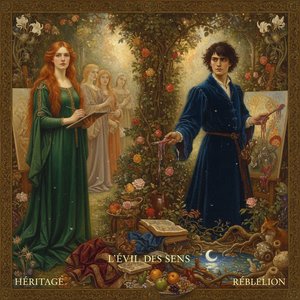
The Pre-Raphaelite Brotherhood: Reclaiming Beauty, Nature, and Truth in Victorian Art History
Explore the revolutionary Pre-Raphaelite Brotherhood. Discover how these visionary artists rejected academic tradition to reclaim beauty, nature, and truth through luminous detail and literary depth in Victorian art history.

Dante Gabriel Rossetti: Top 25 diel pre milovníkov umenia a luxusného interiéru
Ponorte sa do sveta Dante Gabriela Rossettiho! Objavte top 25 diel predrafaelitizmu, symbolizmu a viktoriánskej romantiky. Kvalitné reprodukcie obrazov pre váš interiér na OriginalUniqueArt.com. Preskúmajte celú kolekciu online.

The Pre-Raphaelite Brotherhood: Rediscovering Romanticism, Mythological Depth, and Vivid Detail in Victorian Art
Explore the breathtaking world of the Pre-Raphaelite Brotherhood. Discover how this movement redefined Victorian art through vivid detail, mythological depth, and romanticism. An expert guide for classic art enthusiasts seeking to rediscover these timeless masterpieces.


