

 Zobraziť v interiéri
 Odoslať
 Zdieľať
 Podrobnosti
 Príručka

 Stiahnuť
 Podobné položky
 RTG skúška
 Prehliadanie diapo\]
 Štatistiky
Classical Landscape
 Oil
Oil- WallArt
- Romanticism
 1817
1817- 19th Century
 146.0 x 150.0 cm
 Prečítať si viac
Giclée / Umenotlač
Giclée tlač alebo plátno múzeálnej kvality s rýchlou výrobou a rôznymi možnosťami povrchovej úpravy. ( Objednať ručne maľovanú reprodukciu Prepnúť na digitálnu verziu obrazu)




































Vyberte si z našich preddefinovaných rozmerov, ktoré zodpovedajú pôvodným pomeroḿ diela.

Zadajte šírku a výšku, ktoré potrebujete, aby sa reprodukcia hodila k vášmu rámu alebo stene. Print možno len orezávať, nikdy však nemennú veľkosť zvětšiť oproti pôvodnému obrázku, preto pri inom formáte stráca časť obrazu. Pred samotným vytlačiacím procesom vám pošleme digitálny náhľad na schválenie. Obrázok zobrazený na tejto stránke nezobrazuje reálny rez — len digitálny náhľad ukazuje presný výsledok.
Celosvetová doprava () do 2 týždňov namiesto štandardných 4 až 5 týždňov. (26 október)

Bezplatná expresná doprava po celom svete

Vysokokvalitné lnianske plátno

Úplné poistenie prepravy

Záruka vrátenia colného poplatku

Záruka presného farebného zhodnutia

100-dená politika vrátenia tovaru (iba pri vadách)

100% záruka vrátenia peňazí

Ponuka množstevnej zľavy
 Možnosť skla je dostupná len pri rozmeroch pod 110 cm

Classical Landscape
Giclée / Umenotlač
Veľkosť reprodukcie
-


Celková cena
€ 70
A Serene Encounter with the Sublime
In the quietude of 1817, Sir Augustus Wall Callcott captured a moment of profound stillness that transcends the boundaries of time. His Classical Landscape is not merely a depiction of nature, but an invitation into a world where the human spirit and the natural environment exist in perfect, rhythmic harmony. As one gazes upon this expansive scene, the eye is immediately drawn to the gentle interaction between man and beast; a solitary figure stands beside a cow, their presence anchored by the weight of a peaceful existence. This intimate vignette serves as the emotional heartbeat of the piece, suggesting a life lived in rhythm with the seasons and the slow, steady pulse of the earth.
The composition unfolds like a beautifully composed symphony, guiding the viewer through layers of breathtaking scenery. Beyond the immediate foreground, a shimmering body of water reflects the soft light of an English afternoon, leading the gaze toward a distant, majestic castle that rises against the horizon. A bridge arches gracefully over the water, acting as a symbolic link between the known world and the mysterious, far-reaching landscapes beyond. The inclusion of a horse in the distance and additional figures scattered throughout the greenery adds a sense of lived reality to the scene, transforming a static landscape into a breathing, inhabited ecosystem.
Mastery of Light and Romantic Technique
Sir Augustus Wall Callcott, a distinguished academician of the Royal Academy, brings his profound mastery of light to this work, utilizing a technique that defines the transition from classical precision to the emotive depths of the Romantic era. The painting is characterized by an exquisite attention to detail, where every leaf in the surrounding trees and every ripple on the water’s surface feels intentional and alive. His ability to manipulate tone creates a luminous atmosphere, where the light seems to filter through the air itself, casting soft shadows that lend volume and depth to the terrain.
For the discerning collector or interior designer, this piece offers more than just visual beauty; it provides an atmospheric anchor for any sophisticated space. The subtle interplay of earth tones, lush greens, and the ethereal blues of the water creates a palette that is both calming and intellectually stimulating. Whether placed in a grand library or a contemporary living area, the Classical Landscape acts as a window into a more tranquil era, offering a sense of permanence and grace. It is a work that invites contemplation, making it an ideal centerpiece for those looking to infuse their surroundings with a sense of historical prestige and timeless serenity.
Otázky a odpovede
Môžem si pozrieť RTG pohľad diela „Classical Landscape“ od Sir Augustus Wall Callcott?
Stránka RTG skenovanie diela „Classical Landscape“ od Sir Augustus Wall Callcott slúži ako interaktívny prehliadač, ktorý vám umožňuje prechádzať jedenásť optických vrstiev obrazu diela, vrátane pohľadu v štýle RTG snímky.
Kedy bolo vytvorené dielo „Classical Landscape“ a k ktorému smeru patrí?
Dielo „Classical Landscape“ od Sir Augustus Wall Callcott pochádza z roku 1817 a patrí do smeru Romanticism.
Aká je odporúčaná veľkosť tlače pre „Classical Landscape“ od Sir Augustus Wall Callcott?
Pre dielo „Classical Landscape“ od Sir Augustus Wall Callcott sa odporúča reprodukcia vo veľkom formáte Large. Veľkosť je možné upraviť pri zachovaní pomerov.
Biografia umelca
rané život a vzdelanie
Sir Augustus Wall Callcott, tento významný anglický krajinársky maliar, sa narodil 20. februára 1779 v Kensington Gravel Pits, niekde na západnom okraji Londýna. Jeho rané roky boli hlboko prepojené s láskou k hudbe, čo ho počas niekoľkých rokov viedlo až do chóru Westminster Abbey. Neskôr sa stal študentom v Royal Academy, kde začal svoju umeleckú dráhu ako portrétista pod odborným vedením Johna Hoppnera.cesta k slávne
Callcottov sklon k krajinárskej maľbe sa čoskoro stal jasným a po roku 1804 začal vystavovať výhradne krajiny. Jeho technická zručnosť, elegantná kompozícia a očarujúca tonalita viedli k neustálemu rastu jeho reputácie. V roku 1806 bol zvolený za člena Royal Academy a v roku 1810 sa stal plnohodnotným akademikom.významné diela a výstavy
Medzi najvýznamnejšie Callcottove diela patria:- The Entrance to the Pool of London (1816)
- The Mouth of the Tyne (1818)
- A Dead Calm on the Medway (1820)
- Rochester (1824)
- Raffaele and the Fornarina (1837) – vzácny príklad jeho figuratívnej maľby, ktorý možno nájsť v South Kensington Museum (zbierka Sheepshanks), ktorý je dnes súčasťou V&A
odkaz a neskorší život
Callcott získal rytiersky titul v roku 1837 pri nástupe kráľovnej Viktórie. V roku 1843 nahradil Williama Seguiera v funkcii dozorcu kráľovských obrazov. Callcott skonal 25. novembra 1844 a bol pohodený na cintoríne Kensal Green. Zobraziť viac diel Sir Augustus Wall Callcott na OriginalUniqueArt.com: Viac na Wikipedia:
Sir Augustus Wall Callcott
1779 - 1844 , Spojené kráľovskства
Rýchle fakty
- Artistic Movement Or Style: Romantický krajinský impresionizmus
- Artists Or Movements Influenced By This Artist: ['Turner']
- Artists Who Influenced This Artist: ['John Hoppner']
- Date Of Birth: februára 20., 1779.
- Date Of Death: novembera 25., 1844.
- Full Name: Augustus Wall Callcott
- Nationality: Británska
- Notable Artworks:
- Entré do jazera Lúdenického
- Ústie Tyne
- Čistá pokojná hladina Medway
- Rochester
- Raffaello a Fornarina
- Place Of Birth: Kensington, Veľká Británia
Súvisiace články
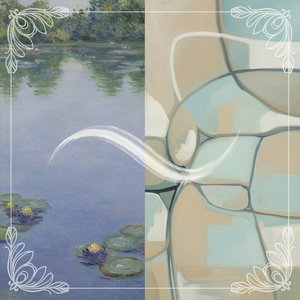
Serene Visions: Exploring Themes of Tranquility in Art History & Contemporary Practice
Explore the history of serene landscape art & discover artists who evoke tranquility. Find the perfect calming artwork for your home with expert guidance from OriginalUniqueArt.

Evocations of Place: A Historical Journey Through Landscape Art
Explore the rich history of landscape art with OriginalUniqueArt. Discover renowned artists, movements like Impressionism & Romanticism, and expert guidance for collecting timeless pieces. Find your perfect serene escape today!

Top 10 Majstrov Romantickej Krajinomaľby: Obrazy, ktoré zmenili svet umenia
Ponorte sa do sveta romantickej krajinomaľby! Objavte top 10 majstrovských diel od Friedricha, Turnera a ďalších. Historické obrazy prírody s nádychom emócií. Reprodukcie obrazov pre váš interiér na OriginalUniqueArt.com.

John Constable: Top 25 Majstrovských Diel pre Váš Domov | OriginalUniqueArt.sk
Ponorte sa do sveta Johna Constabla s OriginalUniqueArt.sk! Objavte top 25 majstrovských diel anglického romantizmu – od ikonického Hay Wain až po krajinárske motívy Suffolku. Kvalitné reprodukcie obrazov pre váš domov. Preskúmajte celú kolekciu online!
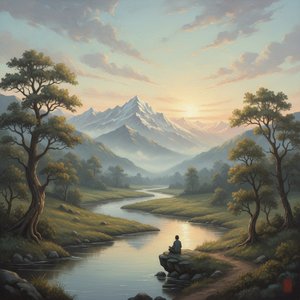
Evoking Tranquility: A Comprehensive Exploration of Serene Landscapes in Art History
Explore the history of serene landscapes in art! Discover renowned artists like Monet & Munch, movements from Impressionism to Tonalism, and find the perfect piece to bring tranquility to your home. Expert insights at OriginalUniqueArt.
