Zobraziť v interiéri
 Odoslať
 Zdieľať
 Podrobnosti
 Príručka

 Stiahnuť
 Podobné položky
 RTG skúška
 Prehliadanie diapo\]
 Štatistiky
Pentecost
 Acrylic On Canvas
- WallArt
- Baroque Painting
 1618
1618 265.0 x 221.0 cm
 Staatliche Museen zu Berlin
 Prečítať si viac
Ručne maľovaná olejová reprodukcia
Ručne maľovaný olej na plátne vo vašej zvolenej veľkosti a v ráme, vyrobený na mieru našimi umelcami. ( Prepnúť na tlač Prepnúť na digitálnu verziu obrazu)




P118B €10

P118H €10

P118W €10

P438Z €10

P508JH €12

P508YH €12

P805H €10

P805Z €10

P919BZ €10

P919G €10

P919XJ €10

P959ZH €10

P968JZ €12

W106C €8

W218G €10

W218JH €8

W218Y €10

W307PJ €10

W316G €10

W316PJ €8

W316Y €10

W398PJ €8

W4111J €10

W500HY €15

W500JH €15

W692G €12

W849H €8

W940BG €15

W953PJ €8




Vyberte si z našich preddefinovaných rozmerov, ktoré zodpovedajú pôvodným pomeroḿ diela.

Zadajte šírku a výšku, ktoré potrebujete, aby sa dielo hodilo k vášmu rámu alebo stene. Keďže ide o ručnú maľbu, pri rozmeroch s odlišným pomerom strán môže umelec namalovať o niečo viac okolo obrázka alebo ho mierne orezatú — výber patrí vám. Pred začatím maľovania vám pošleme digitálnu ukážku na schválenie. Obrázok zobrazený na tejto stránke nenahrádza reálny výsledok — ten zobrazuje iba digitálna ukážka.
Po odoslaní objednávky vám tím OriginalUniqueArt.com pošle e-mail s pokynmi a poskytne náhľad na návrh
Celosvetová doprava () za 3 až 4 týždne namiesto štandardných 5 týždňov. (22 október). Bez kompromisov v kvalite.

Bezplatná expresná doprava po celom svete

Vysokokvalitné lnianske plátno

Úplné poistenie prepravy

Záruka vrátenia colného poplatku

Záruka presného farebného zhodnutia

100-dená politika vrátenia tovaru (iba pri vadách)

100% záruka vrátenia peňazí

Ponuka množstevnej zľavy
 Možnosť skla je dostupná len pri rozmeroch pod 110 cm

Pentecost
Spôsob reprodukcie
Veľkosť reprodukcie
-


Celková cena
€ 263
The Dramatic Revelation: Van Dyck’s “Pentecost”
Sir Anthony van Dyck's "Pentecost," painted in 1618, is more than just a religious depiction; it’s a vibrant tableau of spiritual awakening rendered with the artist’s signature elegance and masterful use of light. This monumental work, measuring an impressive 265 x 221 cm, captures a pivotal moment in Christian history – the descent of the Holy Spirit upon the apostles, as described in Acts chapter two. The scene unfolds within what appears to be a richly appointed interior, likely a cloister or chapel space, evidenced by the classical columns and architectural details receding into the background. These elements ground the miraculous event in a tangible reality, creating a compelling juxtaposition between earthly setting and divine intervention. Van Dyck’s choice of composition—a group gathered around a woman giving birth—is particularly striking. While seemingly unconventional at first glance, it subtly alludes to the birth of the Church itself, with Christ's sacrifice serving as its foundational event.A Baroque Masterpiece: Style and Technique
Van Dyck’s style in “Pentecost” is a testament to his evolution from a student of Peter Paul Rubens to a distinct artistic voice. He retains Rubens’s dynamic energy and rich color palette, but tempers it with an unparalleled refinement and grace. Notice the meticulous attention to detail – the folds of the drapery, the textures of the fabrics, the subtle variations in skin tone. Van Dyck was renowned for his ability to capture a sense of movement and emotion through brushwork, and this is evident here. The figures are not static; they are caught in moments of intense feeling—awe, joy, and perhaps even a touch of confusion. His use of *chiaroscuro* – the dramatic contrast between light and shadow – further enhances the scene’s emotional impact, drawing the viewer's eye to key elements like the radiant light emanating from above and the expressions on the apostles’ faces. The painting is executed in oil on canvas, a medium that allowed Van Dyck to achieve both luminous colors and remarkable detail.Symbolism and Narrative Depth
Beyond the literal depiction of the Pentecost event, “Pentecost” is laden with symbolic meaning. The woman lying prone, seemingly giving birth, represents the Church – born through the sacrifice of Christ. The apostles, gathered around her, are receiving the Holy Spirit, symbolizing their empowerment to spread the Gospel. The book visible on the right side, a common motif in religious paintings of the period, likely signifies scripture and the foundation upon which this new faith is built. The ties worn by some figures suggest a formal gathering, emphasizing the importance and solemnity of the occasion. Even the architectural setting contributes to the symbolism – the classical columns evoke ancient wisdom and divine authority, while the receding space creates a sense of depth and transcendence. The overall atmosphere suggests a profound reverence and devotion, inviting contemplation on themes of faith, salvation, and community.Emotional Resonance and Artistic Legacy
“Pentecost” is not merely a historical record; it’s an emotionally charged depiction of spiritual transformation. Van Dyck masterfully conveys the sense of wonder and excitement that must have permeated the room as the apostles received the Holy Spirit. The painting's vibrant colors, dynamic composition, and skillful rendering of human emotion combine to create a truly captivating experience for the viewer. It’s a testament to Van Dyck’s ability to elevate religious subject matter into works of profound beauty and artistic merit. Today, reproductions of this masterpiece offer an opportunity to bring this powerful scene into any space, fostering reflection on faith, community, and the enduring legacy of one of Europe's greatest artists. OriginalUniqueArt offers meticulously crafted hand-painted reproductions that faithfully capture the essence and detail of Van Dyck’s “Pentecost,” allowing you to experience its beauty and significance firsthand.Otázky a odpovede
Aký silný je kontrast v díle „Pentecost“ od Antón van Dyck?
Úroveň kontrastu diela „Pentecost“ od Antón van Dyck je Statement.
Ktorá farba dominuje v diele „Pentecost“?
Farbou, ktorá v diele „Pentecost“ najvýraznejšie vyniká, je Espresso (#3d2c2f). Dominantná farba je užitočná pri prispôsobovaní umelackého diela interiéru.
Do ktorej fázy kariéry Antón van Dyck patrí dielo „Pentecost“ (1618)?
"Pentecost", vytvorené v roku 1618, patrí do obdobia Mature Baroque v tvorbe umelca Antón van Dyck.
Biografia umelca
Sir Anthony van Dyck: A Flemish Master at the Courts of Europe
Sir Anthony van Dyck, narodený v Antverpachách v roku 1599, sa stal jedným z najvýznamnejších a najvplyvovejších portrétistov barokovej éry. Jeho život, tragicky prerušený vted'aj len vo veku štyrdesiatich dvoch rokov, bol dynamickým umeleckým výcvikom a prestížnymi povelmi, ktoré ho z jeho rodnej Flandrie doviedli do Talianska a nakoniec k srdcu anglického dvora. Od útleho veku prejavoval van Dyck pozoruhodný talent, začal ako učník Hendricka van Balena a rýchlo absorboval vládajúce štýly doby. Avšak jeho asociácia s Peterom Paulom Rubensom – nie len ako študent, ale aj ako spolupracovník – skutočne formovala jeho umelecké základy. Naučil sa od Rubensova dynamické kompozície, bohaté farebné palety a mistrné spracovanie svetla a tieňa, no van Dyck čoskoro začal vytvárať vlastný, odlišný štýl, charakterizovaný eleganciou a nadmernou jemnosťou, ktorá sa stala jeho signatúrou.Italian Sojourns and the Birth of a Style
Roky strávené v Taliansku, začínajúce okolo roku 1621, boli pre van Dycka zásadné pre jeho umelecký rozvoj. Najprv sa usadil v Gènie, kde si získal obľubu medzi aristokratickými rodinami mesta. Tu začal formovať sofistikovaný štýl, ktorý sa stal známkou jeho diela – štýl charakterizovaný gráciou postáv, luxusnými látkami a takmer hmatateľnou noblesou. Na rozdiel od robustnej energie často nájdená v Rubensovom dieli, van Dyckove talianske portréty vyžarujú jemnú pohotovosť, zachytávajúce nielen fyzické podobnosti, ale aj vnútorný charakter a spoločenský postoj modelov. Boli to obdobie intenzívneho štúdia a tvorby *Iconography*, série precínovo spracovaných portrétnych rytiniek zobrazujúcich vedúcich umelcov, učencov a vládcuvnikov tej doby. Tento projekt ukázal jeho výborné technické schopnosti a etabloval ho ako vedúceho rytára. Tieto rytiny neboli len záznamy; boli starostlivo vytvorené obrazy navrhnuté na immortalizáciu modelov a vyjadrenie ich postavenia a intelektu.The Influence of Rubens and the Development of His Signature Style
Van Dyckovo umelecké vzdelávanie bolo hlboko ovplyvnené Rubensovom dielom, ktorý mu poskytol rozsiahlu škálu techník a viedol k rozvoju jeho vlastného štýlu. Van Dyck sa naučil od Rubensova dynamické kompozície, bohaté farebné palety a mistrné spracovanie svetla a tieňa, no van Dyck čoskoro začal vytvárať vlastný, odlišný štýl, charakterizovaný eleganciou a nadmernou jemnosťou, ktorá sa stala jeho signatúrou. Van Dyck bol schopný zachytiť podstatu svojich modelov – ich osobnosť, spoločenské postavenie a túžby. Jeho portréty sú známe svojou gráciou, luxusnými látkami a jemným psychologickým hĺbkom.The King’s Painter: Van Dyck in England
V roku 1632 dostal van Dyck pozvánku, ktorá navždy zmenila smer jeho kariéry – výzvu od Charlesa I. z Anglicka, aby sa stal dvorným portrétistom. Táto nominácia znamenala prelom, nie len pre van Dycka, ale aj pre anglickú portrétnu tvorbu. Prispel do Londýna s rozsiahlou réputáciou a rýchlo sa stal neoceniteľným členom kráľovskej rodiny, povereným vytváraním obrazov, ktoré vyvolávali pocit moci, majestátu a božského práva. Van Dyckove portréty Charlesa I. sú osobitne hodnotné; odchýlil sa od formálnych reprezentácií, ktoré preferovali predošlí umelci, namiesto toho zobrazoval kráľa ako dynamického, charizmatického lídra. Používal inovatívne techniky – dramatické osvetlenie, široké gestá a starostlivo vybrané pozadiaň – na vytvorenie obrazov, ktoré boli vizuálne úchvatné a politicky nabité. Jeho vplyv sa rozšiel za hranice kráľovskej rodiny a formoval vizuálnu kultúru anglického šľachticstva po celé generácie. Van Dyck nebol len portrétistom; vytváral obraz kráľovskej moci, ovplyvňujúc, ako bola monarchia vnímaná na viac ako sto rokov.Legacy and Enduring Influence
Van Dyckovo tragické úmrtie v roku 1641 odobral umnému svetu vynikajúceho talentu, no jeho dedičstvo žije dodnes. Jeho vplyv na anglickú portrétnu tvorbu je nevedený; stanovil štandard elegance a sofistikovanosti, ku ktorému sa snažili nasledovníci napodobňovať. Van Dyck bol najvýznamnejším flamským maliarom storočia po Rubensovi, jeho diela ovplyvnila mladého Van Dycka. Jeho portréty sú známe svojou gráciou, luxusnými látkami a jemným psychologickým hĺbkom.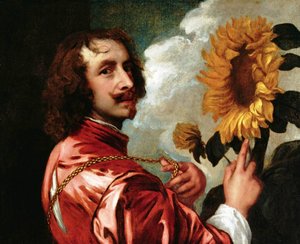
Antón van Dyck
1599 - 1641 , Belgicko
Rýchle fakty
- Artistic Movement Or Style: Barokový
- Artists Or Movements Influenced By This Artist: ['Anglické portrétovanie']
- Artists Who Influenced This Artist: ['Peter Paul Rubens']
- Date Of Birth: 22 marca 1599
- Date Of Death: 9 decembra 1641
- Full Name: Sir Anthony van Dyck
- Nationality: Flámsky
- Notable Artworks:
- Portrét ženy a dieťaťa
- Kopyto Charlesa I.
- Lord John Stuart & brat
- Place Of Birth: Antverpy, Belgicko
Súvisiace články

Top 10 majstrov raného nizozemského maliarstva: Diela, ktoré zmenili dejiny umenia | OriginalUniqueArt
Objavte 10 majstrov raného nizozemského maliarstva – Jan van Eyck, Rogier van der Weyden a ďalší. Prežite príbehy ikonických diel renesancie a inšpirujte sa pre váš interiér s kvalitnými reprodukciami na OriginalUniqueArt.com.

The Dramatic Flourish: Exploring the Baroque Movement's Enduring Legacy in Art History
Explore the dramatic world of Baroque art! Discover iconic artists like Caravaggio & Rubens, defining techniques, and its lasting impact on art history. Expert insights for collectors & enthusiasts at OriginalUniqueArt.

Rembrandt van Rijn: Top 25 Majstrovských Diel pre Váš Domov | OriginalUniqueArt
Ponorte sa do sveta Rembrandta van Rijna s OriginalUniqueArt.com! Objavte 25 majstrovských diel holandského baroka, portrétov a ikonických obrazov plných svetla a tieňa. Kúpiť kvalitné reprodukcie pre váš interiér. Preskúmajte celú kolekciu online!
The Grandeur of Baroque Portraiture: Power, Emotion & Artistic Innovation
Explore the grandeur of Baroque portraiture! Discover Rubens, Van Dyck & the masters of 17th-century art. Uncover symbolism, techniques & lasting influence. Expert insights for collectors and enthusiasts.
Sir Anthony van Dyck: Courtly Portraiture & the Shaping of Baroque Identity
Explore the life & legacy of Sir Anthony van Dyck, the leading court painter of his era. Discover his innovative portraiture, Baroque masterpieces, and investment potential for discerning collectors. Learn more at OriginalUniqueArt.