Zobraziť v interiéri
 Odoslať
 Zdieľať
 Podrobnosti
 Príručka

 Stiahnuť
 Podobné položky
 RTG skúška
 Prehliadanie diapo\]
 Štatistiky
Deux têtes d
 Oil
Oil- WallArt
- Baroque
 1650
1650 5.0 x 61.0 cm
 Museum of Fine Arts
 Prečítať si viac
Giclée / Umenotlač
Giclée tlač alebo plátno múzeálnej kvality s rýchlou výrobou a rôznymi možnosťami povrchovej úpravy. ( Objednať ručne maľovanú reprodukciu Prepnúť na digitálnu verziu obrazu)




P118B €10

P118H €10

P118W €10

P438Z €10

P508JH €12

P508YH €12

P805H €10

P805Z €10

P919BZ €10

P919G €10

P919XJ €10

P959ZH €10

P968JZ €12

W106C €8

W218G €10

W218JH €8

W218Y €10

W307PJ €10

W316G €10

W316PJ €8

W316Y €10

W398PJ €8

W4111J €10

W500HY €15

W500JH €15

W692G €12

W849H €8

W940BG €15

W953PJ €8




Vyberte si z našich preddefinovaných rozmerov, ktoré zodpovedajú pôvodným pomeroḿ diela.

Zadajte šírku a výšku, ktoré potrebujete, aby sa reprodukcia hodila k vášmu rámu alebo stene. Print možno len orezávať, nikdy však nemennú veľkosť zvětšiť oproti pôvodnému obrázku, preto pri inom formáte stráca časť obrazu. Pred samotným vytlačiacím procesom vám pošleme digitálny náhľad na schválenie. Obrázok zobrazený na tejto stránke nezobrazuje reálny rez — len digitálny náhľad ukazuje presný výsledok.
Celosvetová doprava () do 2 týždňov namiesto štandardných 4 až 5 týždňov. (26 október)

Bezplatná expresná doprava po celom svete

Vysokokvalitné lnianske plátno

Úplné poistenie prepravy

Záruka vrátenia colného poplatku

Záruka presného farebného zhodnutia

100-dená politika vrátenia tovaru (iba pri vadách)

100% záruka vrátenia peňazí

Ponuka množstevnej zľavy
 Možnosť skla je dostupná len pri rozmeroch pod 110 cm

Deux têtes d
Giclée / Umenotlač
Veľkosť reprodukcie
-


Celková cena
€ 70
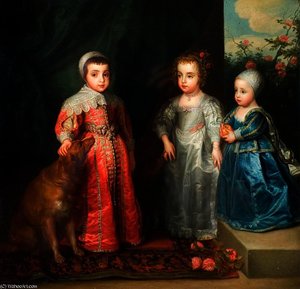
A Portrait of Shared Intensity: Exploring Van Dyck’s “Deux têtes d”
Sir Anthony van Dyck's "Deux têtes d" – literally, “Two Heads” – is not merely a painting; it’s an arresting tableau of psychological depth and subtle drama. Completed in 1650, this double portrait transcends the conventional formality of courtly portraiture, offering instead a glimpse into a complex exchange between two figures shrouded in shadow and suggestion. The work immediately commands attention with its unusual composition: two male heads, rendered with Van Dyck’s signature meticulous detail and masterful use of light, are presented side-by-side within a dark, almost claustrophobic space. The faces themselves are not overtly expressive – there's no boisterous laughter or triumphant gaze – but rather convey an undercurrent of contemplation, perhaps even unease. The artist’s skill lies in the way he uses darkness and light to create a sense of intimacy and shared experience, inviting the viewer to become an active participant in deciphering the unspoken narrative.
The Master at Work: Technique and Style
Van Dyck's technique is instantly recognizable. He employs a loose, almost impasto application of paint, particularly noticeable in the rendering of the hair and beards – textures that seem to practically leap off the canvas. The use of chiaroscuro—the dramatic contrast between light and dark—is exceptionally sophisticated here. The figures are bathed in a soft, diffused light emanating from an unseen source, while the background plunges into deep shadow, intensifying the sense of intimacy and drawing focus entirely onto the faces. This technique wasn’t simply aesthetic; it was integral to Van Dyck's approach to portraiture. He sought not just to capture likeness but also to convey character—the mood, temperament, and even the inner life of his subjects. The subtle variations in tone and texture across each face contribute significantly to this effect, revealing a remarkable sensitivity to human expression.
Historical Context: Courtly Intrigue and Artistic Influence
"Deux têtes d" was painted during a pivotal period in Van Dyck’s career. Having established himself as the leading court painter for Charles I of England, he was deeply immersed in the world of aristocratic patronage. The painting reflects this environment – it's not a grand, celebratory portrait but rather something more intimate and psychologically probing. It’s believed that the subjects were likely members of the English nobility, possibly connected to a complex web of courtly alliances and rivalries. Van Dyck was heavily influenced by the Italian Renaissance masters, particularly Titian and Raphael, evident in his masterful use of color, composition, and anatomical accuracy. However, he skillfully adapted these influences to create a distinctly personal style—one characterized by elegance, grace, and an unparalleled ability to capture the nuances of human emotion.
Symbolism and Interpretation: A Dialogue Unspoken
The true meaning of “Deux têtes d” remains open to interpretation, adding to its enduring appeal. The positioning of the heads – close together, almost touching – suggests a profound connection between the two figures, yet their averted gazes hint at an unspoken tension or perhaps even a concealed disagreement. Some art historians speculate that the painting represents a philosophical debate, a discussion about morality, politics, or simply the nature of human existence. The shadows enveloping them could symbolize hidden secrets or unresolved conflicts. The lack of explicit narrative allows viewers to project their own interpretations onto the scene, transforming it into a mirror reflecting our own anxieties and desires. It’s this ambiguity—this refusal to offer easy answers—that makes “Deux têtes d” such a compelling and thought-provoking work of art.
The painting's enduring power lies in its ability to evoke a sense of mystery and invite contemplation. Reproductions, meticulously crafted to capture the original’s atmospheric depth and nuanced details, offer a remarkable opportunity to experience Van Dyck’s genius firsthand. Whether displayed as a centerpiece in a grand salon or a subtle addition to a more intimate space, “Deux têtes d” continues to captivate viewers with its arresting composition, masterful technique, and profound psychological insight.
Otázky a odpovede
Existuje k dielu „Deux têtes d“ od Antón van Dyck informačný list pre študentov?
Pre dielo „Deux têtes d“ od Antón van Dyck je k dispozícii stránka Sprievodca: tlačiteľný informačný list o umedení, navrhnutý pre študentov a využitie v triedach.
Kde môžem vidieť originál diela „Deux têtes d“ od Antón van Dyck?
Originál diela „Deux têtes d“ od Antón van Dyck sa nachádza v múzeu Museum of Fine Arts, Lyon, Francúzsko. Reprodukcia umožňuje toto dielo vystaviť priamo vo vašom domove.
Je Antón van Dyck, autor diela „Deux têtes d“, známy aj pod inými menami?
Antón van Dyck sa objavuje aj pod inými menami: Sir Anthony van Dyck, Anthonie van Dyck, Anton van Dyck.
Biografia umelca
Sir Anthony van Dyck: A Flemish Master at the Courts of Europe
Sir Anthony van Dyck, narodený v Antverpachách v roku 1599, sa stal jedným z najvýznamnejších a najvplyvovejších portrétistov barokovej éry. Jeho život, tragicky prerušený vted'aj len vo veku štyrdesiatich dvoch rokov, bol dynamickým umeleckým výcvikom a prestížnymi povelmi, ktoré ho z jeho rodnej Flandrie doviedli do Talianska a nakoniec k srdcu anglického dvora. Od útleho veku prejavoval van Dyck pozoruhodný talent, začal ako učník Hendricka van Balena a rýchlo absorboval vládajúce štýly doby. Avšak jeho asociácia s Peterom Paulom Rubensom – nie len ako študent, ale aj ako spolupracovník – skutočne formovala jeho umelecké základy. Naučil sa od Rubensova dynamické kompozície, bohaté farebné palety a mistrné spracovanie svetla a tieňa, no van Dyck čoskoro začal vytvárať vlastný, odlišný štýl, charakterizovaný eleganciou a nadmernou jemnosťou, ktorá sa stala jeho signatúrou.Italian Sojourns and the Birth of a Style
Roky strávené v Taliansku, začínajúce okolo roku 1621, boli pre van Dycka zásadné pre jeho umelecký rozvoj. Najprv sa usadil v Gènie, kde si získal obľubu medzi aristokratickými rodinami mesta. Tu začal formovať sofistikovaný štýl, ktorý sa stal známkou jeho diela – štýl charakterizovaný gráciou postáv, luxusnými látkami a takmer hmatateľnou noblesou. Na rozdiel od robustnej energie často nájdená v Rubensovom dieli, van Dyckove talianske portréty vyžarujú jemnú pohotovosť, zachytávajúce nielen fyzické podobnosti, ale aj vnútorný charakter a spoločenský postoj modelov. Boli to obdobie intenzívneho štúdia a tvorby *Iconography*, série precínovo spracovaných portrétnych rytiniek zobrazujúcich vedúcich umelcov, učencov a vládcuvnikov tej doby. Tento projekt ukázal jeho výborné technické schopnosti a etabloval ho ako vedúceho rytára. Tieto rytiny neboli len záznamy; boli starostlivo vytvorené obrazy navrhnuté na immortalizáciu modelov a vyjadrenie ich postavenia a intelektu.The Influence of Rubens and the Development of His Signature Style
Van Dyckovo umelecké vzdelávanie bolo hlboko ovplyvnené Rubensovom dielom, ktorý mu poskytol rozsiahlu škálu techník a viedol k rozvoju jeho vlastného štýlu. Van Dyck sa naučil od Rubensova dynamické kompozície, bohaté farebné palety a mistrné spracovanie svetla a tieňa, no van Dyck čoskoro začal vytvárať vlastný, odlišný štýl, charakterizovaný eleganciou a nadmernou jemnosťou, ktorá sa stala jeho signatúrou. Van Dyck bol schopný zachytiť podstatu svojich modelov – ich osobnosť, spoločenské postavenie a túžby. Jeho portréty sú známe svojou gráciou, luxusnými látkami a jemným psychologickým hĺbkom.The King’s Painter: Van Dyck in England
V roku 1632 dostal van Dyck pozvánku, ktorá navždy zmenila smer jeho kariéry – výzvu od Charlesa I. z Anglicka, aby sa stal dvorným portrétistom. Táto nominácia znamenala prelom, nie len pre van Dycka, ale aj pre anglickú portrétnu tvorbu. Prispel do Londýna s rozsiahlou réputáciou a rýchlo sa stal neoceniteľným členom kráľovskej rodiny, povereným vytváraním obrazov, ktoré vyvolávali pocit moci, majestátu a božského práva. Van Dyckove portréty Charlesa I. sú osobitne hodnotné; odchýlil sa od formálnych reprezentácií, ktoré preferovali predošlí umelci, namiesto toho zobrazoval kráľa ako dynamického, charizmatického lídra. Používal inovatívne techniky – dramatické osvetlenie, široké gestá a starostlivo vybrané pozadiaň – na vytvorenie obrazov, ktoré boli vizuálne úchvatné a politicky nabité. Jeho vplyv sa rozšiel za hranice kráľovskej rodiny a formoval vizuálnu kultúru anglického šľachticstva po celé generácie. Van Dyck nebol len portrétistom; vytváral obraz kráľovskej moci, ovplyvňujúc, ako bola monarchia vnímaná na viac ako sto rokov.Legacy and Enduring Influence
Van Dyckovo tragické úmrtie v roku 1641 odobral umnému svetu vynikajúceho talentu, no jeho dedičstvo žije dodnes. Jeho vplyv na anglickú portrétnu tvorbu je nevedený; stanovil štandard elegance a sofistikovanosti, ku ktorému sa snažili nasledovníci napodobňovať. Van Dyck bol najvýznamnejším flamským maliarom storočia po Rubensovi, jeho diela ovplyvnila mladého Van Dycka. Jeho portréty sú známe svojou gráciou, luxusnými látkami a jemným psychologickým hĺbkom.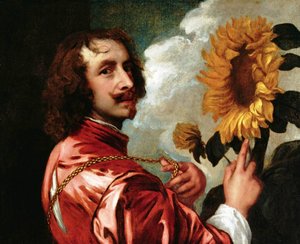
Antón van Dyck
1599 - 1641 , Belgicko
Rýchle fakty
- Artistic Movement Or Style: Barokový
- Artists Or Movements Influenced By This Artist: ['Anglické portrétovanie']
- Artists Who Influenced This Artist: ['Peter Paul Rubens']
- Date Of Birth: 22 marca 1599
- Date Of Death: 9 decembra 1641
- Full Name: Sir Anthony van Dyck
- Nationality: Flámsky
- Notable Artworks:
- Portrét ženy a dieťaťa
- Kopyto Charlesa I.
- Lord John Stuart & brat
- Place Of Birth: Antverpy, Belgicko
Súvisiace články

Rembrandt van Rijn: Top 25 Majstrovských Diel pre Váš Domov | OriginalUniqueArt
Ponorte sa do sveta Rembrandta van Rijna s OriginalUniqueArt.com! Objavte 25 majstrovských diel holandského baroka, portrétov a ikonických obrazov plných svetla a tieňa. Kúpiť kvalitné reprodukcie pre váš interiér. Preskúmajte celú kolekciu online!

Top 10 majstrov raného nizozemského maliarstva: Diela, ktoré zmenili dejiny umenia | OriginalUniqueArt
Objavte 10 majstrov raného nizozemského maliarstva – Jan van Eyck, Rogier van der Weyden a ďalší. Prežite príbehy ikonických diel renesancie a inšpirujte sa pre váš interiér s kvalitnými reprodukciami na OriginalUniqueArt.com.
Sir Anthony van Dyck: Courtly Portraiture & the Shaping of Baroque Identity
Explore the life & legacy of Sir Anthony van Dyck, the leading court painter of his era. Discover his innovative portraiture, Baroque masterpieces, and investment potential for discerning collectors. Learn more at OriginalUniqueArt.
The Grandeur of Baroque Portraiture: Power, Emotion & Artistic Innovation
Explore the grandeur of Baroque portraiture! Discover Rubens, Van Dyck & the masters of 17th-century art. Uncover symbolism, techniques & lasting influence. Expert insights for collectors and enthusiasts.

Top 10 majstrovských diel baroka: Umění a dekor pre váš domov
Ponorte sa do sveta baroka! Objavte top 10 majstrovských diel od Caravaggia, Rembrandta a ďalších slávnych maliarov. Reprodukcie obrazov pre luxusný dekor vášho domova na OriginalUniqueArt.com.