

 Zobraziť v interiéri
 Odoslať
 Zdieľať
 Podrobnosti
 Príručka

 Stiahnuť
 Podobné položky
 RTG skúška
 Prehliadanie diapo\]
 Štatistiky
Grass and Insects


 Prečítať si viac
Giclée / Umenotlač
Giclée tlač alebo plátno múzeálnej kvality s rýchlou výrobou a rôznymi možnosťami povrchovej úpravy. ( Objednať ručne maľovanú reprodukciu Prepnúť na digitálnu verziu obrazu)




P118B €10

P118H €10

P118W €10

P438Z €10

P508JH €12

P508YH €12

P805H €10

P805Z €10

P919BZ €10

P919G €10

P919XJ €10

P959ZH €10

P968JZ €12

W106C €8

W218G €10

W218JH €8

W218Y €10

W307PJ €10

W316G €10

W316PJ €8

W316Y €10

W398PJ €8

W4111J €10

W500HY €15

W500JH €15

W692G €12

W849H €8

W940BG €15

W953PJ €8




Vyberte si z našich preddefinovaných rozmerov, ktoré zodpovedajú pôvodným pomeroḿ diela.

Zadajte šírku a výšku, ktoré potrebujete, aby sa reprodukcia hodila k vášmu rámu alebo stene. Print možno len orezávať, nikdy však nemennú veľkosť zvětšiť oproti pôvodnému obrázku, preto pri inom formáte stráca časť obrazu. Pred samotným vytlačiacím procesom vám pošleme digitálny náhľad na schválenie. Obrázok zobrazený na tejto stránke nezobrazuje reálny rez — len digitálny náhľad ukazuje presný výsledok.
Celosvetová doprava () do 2 týždňov namiesto štandardných 4 až 5 týždňov. (25 október)

Bezplatná expresná doprava po celom svete

Vysokokvalitné lnianske plátno

Úplné poistenie prepravy

Záruka vrátenia colného poplatku

Záruka presného farebného zhodnutia

100-dená politika vrátenia tovaru (iba pri vadách)

100% záruka vrátenia peňazí

Ponuka množstevnej zľavy
 Možnosť skla je dostupná len pri rozmeroch pod 110 cm

Grass and Insects
Giclée / Umenotlač
Veľkosť reprodukcie
-


Celková cena
€ 70
Sin Saimdang's "Grass and Insects": A Window into Joseon Dynasty Korea
“Grass and Insects,” painted in 1500 by the remarkable Sin Saimdang, offers a captivating glimpse into the artistic sensibilities of the Joseon dynasty. This exquisite piece, part of a ten-panel folding screen, transcends mere botanical illustration; it’s a vibrant testament to a woman's creative genius within a rigidly structured society. Born in Gangneung in 1504, Saimdang was far more than just a painter – she was a poet, calligrapher, and writer, deeply connected to her family’s legacy at Ojukheon, a site still preserved as a cultural treasure today. The painting's meticulous detail and luminous colors speak volumes about the artistic traditions of the time, reflecting a profound appreciation for nature’s beauty and a mastery of brushwork that would influence generations of Korean artists.
A Symphony of Natural Detail
The scene depicted is a meticulously rendered garden teeming with life. Saimdang's skill lies in her ability to capture the essence of each element – from the plump watermelons and vibrant eggplants to the delicate poppies, hibiscus, and intricate patterns of cockscomb feathers and princess flowers. A remarkable array of insects populate the composition: long-headed grasshoppers, frogs, lizards, dragonflies, dung beetles, mantises, and cicadas, each rendered with astonishing precision. The inclusion of bees flitting around a purple flower highlights the artist's keen observation of the natural world and her ability to translate it onto silk. This isn’t simply a representation; it’s an immersive experience of a Korean garden at its most vibrant.
Technique and Symbolism
The painting is executed with characteristic fine brushstrokes, a hallmark of Saimdang's style, and employs vivid colors achieved through mineral pigments – a testament to the sophisticated techniques employed during the Joseon period. The tenth panel adds another layer of meaning, featuring a critique by O Sechang, a prominent art critic of the time. This suggests that Saimdang’s work was not only admired for its aesthetic qualities but also subjected to rigorous artistic evaluation, reflecting the importance placed on scholarly discourse within Korean art circles. The selection of specific plants and insects likely held symbolic significance, though interpretations vary; watermelons often represented prosperity, while certain flowers were associated with particular virtues or seasons.
Historical Context and Legacy
Created in 1500, “Grass and Insects” provides a valuable window into the artistic landscape of the Joseon dynasty. Saimdang’s work stands as a remarkable achievement for a woman operating within a patriarchal society where artistic pursuits were often considered secondary to domestic duties. Her influence extended beyond her own creations; she mentored younger artists and contributed significantly to the development of Korean painting techniques. Today, reproductions of this stunning artwork offer an opportunity to appreciate not only Saimdang’s exceptional talent but also the rich cultural heritage of Korea – a legacy that continues to inspire awe and admiration.
Otázky a odpovede
Aká je dominantná farba diela „Grass and Insects“ od Shin Saimdang?
Dominantnou farbou diela „Grass and Insects“ od Shin Saimdang je Driftwood (#c99865).
Ako môžem získať print diela „Grass and Insects“ od Shin Saimdang?
Potlač diela „Grass and Insects“ od Shin Saimdang si môžete objednať priamo na jeho stránke Výškovotlač fine art: umelecká tlač na bavlnenom plátne alebo archivnom plátnovom papieri.
Kde sa nachádza „Grass and Insects“ v rámci opakujúcich sa tém umelca Shin Saimdang?
Medzi zaznamenané témy umelca Shin Saimdang – an gyeon influence, korean court culture, female artistic legacy, ten-panel screen format, o sechang critique – prináša dielo „Grass and Insects“ vlastný dôraz na korean painting, shin saimdang, folding screen, plants & insects, joseon dynasty, calligraphy critique, garden scene.
Biografia umelca
pionirska ženská umelkyňa korejskej dynastie joseon
shin saimdang, mnohostranná umelkyňa z Južnej Kórey, žila počas éry joseon a v dejinách kórejského umenia zanechala nezmazateľnú stopu. Narodila sa 29. októbra 1504 v meste Gangneung v provincii Gangwon a jej nadanie presahovalo rámce samotného maliarstva; bola to zároveň spisovateľka, kaligrafka a poetka.skoré roky a umelecké začiatky
Umelecký talent shin saimdang bol zjavný už od najranšieho detstva. Už v siedmich rokoch napodobovala štýl kreslenia an gyeon, ďalšieho významného kórejského umelca. Jej rodné domov, ojukheon, ktorý slúži aj ako sídlo jej maternálnej strany rodiny, zostáva dodnes v skvelom stave a pripomína jej pôvod.umelecký prínos a štýl
Maľby shin saimdang, ktoré sú charakteristické jemnými ťahmi štetca a živými farbami, tvoria súčasť desiatopanelovej skladanej záložky. Jej diela, ako napríklad tráva a hmyz, predstavujú bohatú paletu motivov zahŕňajúcich melóny, baklažány, poppy, hibiskus a rôzne druhy hmyzu. Tieto kreľby možno nájsť v Národnom múzeu v Kórei (Seoul, Južná Kórea), kde neustále pôsobia ako zdroj inšpirácie pre milovníkov umenia.- pozrite si diela shin saimdang na OriginalUniqueArt: https://OriginalUniqueArt.com/@/shin-saimdang
- preskúmajte zbierku Národného múzea v Kórei: /en/art/show/national-museum-of-korea-seoul/
- dozvedzte sa viac o umeleckom hnutí dynastie joseon: umelecké hnutie dynastie joseon
oddedičnosť a vplyv
Oddedičnosť shin saimdang presahuje samotné umenie, keďže je známa aj ako matka yi i, významného učenca a politika dynastie joseon. Jej život a tvorba slúžia mnohým ako inšpirácia, pričom v sebe nesú podstatu kórejského umenia počas obdobia joseon. kľúčové diela shin saimdang:- tráva a hmyz (národné múzeum v Kórei, soul, južná kórea)
- iné významné práce s jemnými ťahmi štetca a jasnými živými farbami, súčasť desiatopanelovej skladanej záložky.
- an gyeon, ďalší významný kórejský maliar raného obdobia joseon.

Shin Saimdang
1504 - 1551 , Južná Kórea
Rýchle fakty
- Artistic Movement Or Style: Umenie dynastie Joseon
- Artists Or Movements Influenced By This Artist: Umenie dynastie Joseon
- Artists Who Influenced This Artist: An Gyeon
- Date Of Birth: 29. október 1504
- Date Of Death: 1551
- Full Name: Shin Saimdang
- Nationality: Kórejská
- Notable Artworks: ['Tráva a hmyz']
- Place Of Birth: Gangneung, Južná Kórea
Súvisiace články
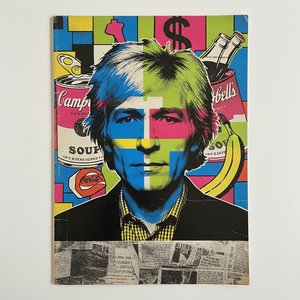
Andy Warhol: Deconstructing Pop Culture & Redefining Artistic Expression
Explore the revolutionary art of Andy Warhol & the Pop Art movement. Discover his iconic techniques, cultural impact, and investment potential. A guide for discerning collectors.
Dots & Screens: The Industrial Secrets Behind 1960s Pop Art Masterpieces
Explore the industrial secrets of 1960s Pop Art. Discover how Ben-Day dots and silk screening transformed mass media into masterpieces by Roy Lichtenstein. An in-depth look at the intersection of mechanical printing and fine art history for students and collectors.

Beyond the Screen: Transforming Personal Memories into Timeless AI-Driven Anime Masterpieces
Experience the magic of digital metamorphosis. Transform your cherished photos into stunning, hand-painted anime masterpieces using our proprietary AI technology and professional artists. Elevate your personal story with a timeless, high-quality oil painting on canvas.
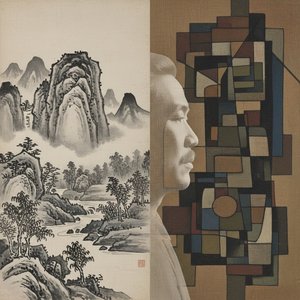
Yi Eungro: Bridging East & West in the Landscape of Korean Modernism
Explore the captivating world of Yi Eungro (Lee Ungno), a pivotal figure in Korean modernism. Discover his unique fusion of Eastern and Western artistic traditions, abstract masterpieces, and lasting legacy. A must-read for discerning art collectors.
Pop Art Unveiled: The Industrial Secrets of Silk Screens and Ben-Day Dots
Explore the industrial artistry of Pop Art. Delve into the sophisticated history of Ben-Day dots and silk screen techniques that transformed mass media into high art, perfect for discerning collectors seeking deep historical insight and aesthetic excellence.