

 Zobraziť v interiéri
 Odoslať
 Zdieľať
 Podrobnosti
 Príručka

 Stiahnuť
 Podobné položky
 RTG skúška
 Prehliadanie diapo\]
 Štatistiky
Grass and Insects


 Prečítať si viac
Ručne maľovaná olejová reprodukcia
Ručne maľovaný olej na plátne vo vašej zvolenej veľkosti a v ráme, vyrobený na mieru našimi umelcami. ( Prepnúť na tlač Prepnúť na digitálnu verziu obrazu)




P118B €10

P118H €10

P118W €10

P438Z €10

P508JH €12

P508YH €12

P805H €10

P805Z €10

P919BZ €10

P919G €10

P919XJ €10

P959ZH €10

P968JZ €12

W106C €8

W218G €10

W218JH €8

W218Y €10

W307PJ €10

W316G €10

W316PJ €8

W316Y €10

W398PJ €8

W4111J €10

W500HY €15

W500JH €15

W692G €12

W849H €8

W940BG €15

W953PJ €8




Vyberte si z našich preddefinovaných rozmerov, ktoré zodpovedajú pôvodným pomeroḿ diela.

Zadajte šírku a výšku, ktoré potrebujete, aby sa dielo hodilo k vášmu rámu alebo stene. Keďže ide o ručnú maľbu, pri rozmeroch s odlišným pomerom strán môže umelec namalovať o niečo viac okolo obrázka alebo ho mierne orezatú — výber patrí vám. Pred začatím maľovania vám pošleme digitálnu ukážku na schválenie. Obrázok zobrazený na tejto stránke nenahrádza reálny výsledok — ten zobrazuje iba digitálna ukážka.
Po odoslaní objednávky vám tím OriginalUniqueArt.com pošle e-mail s pokynmi a poskytne náhľad na návrh
Celosvetová doprava () za 3 až 4 týždne namiesto štandardných 5 týždňov. (25 október). Bez kompromisov v kvalite.

Bezplatná expresná doprava po celom svete

Vysokokvalitné lnianske plátno

Úplné poistenie prepravy

Záruka vrátenia colného poplatku

Záruka presného farebného zhodnutia

100-dená politika vrátenia tovaru (iba pri vadách)

100% záruka vrátenia peňazí

Ponuka množstevnej zľavy
 Možnosť skla je dostupná len pri rozmeroch pod 110 cm

Grass and Insects
Spôsob reprodukcie
Veľkosť reprodukcie
-


Celková cena
€ 263
Shin Saimdang’s “Grass and Insects”: A Symphony of Color and Quiet Observation
Shin Saimdang (1504–1551), a trailblazing female artist in Joseon dynasty Korea, stands as an emblem of intellectual curiosity and artistic prowess—a woman who defied societal constraints to pursue her passions for poetry, calligraphy, and painting. Her legacy resides not merely in the exquisite beauty of her artwork but also in its profound reflection of the era’s cultural values and philosophical ideals. This examination delves into “Grass and Insects,” one of her most celebrated panels from a monumental ten-panel folding screen—a masterpiece that encapsulates Saimdang's distinctive artistic vision and offers invaluable insight into Korean art history.A Window Into Joseon Aesthetic Principles
“Grass and Insects” exemplifies the dominant aesthetic sensibilities of the late 16th century, characterized by meticulous detail, harmonious color palettes, and a reverence for nature’s subtle grandeur. The screen embodies Neo-Confucian ideals—a belief system that prioritized moral cultivation alongside intellectual pursuits—reflected in Saimdang's careful composition and her masterful execution of brushstrokes. Unlike Western art traditions focused on dramatic narratives or idealized figures, Korean painting during this period favored contemplative scenes depicting landscapes and flora, intended to inspire serenity and contemplation. The screen’s overall design adheres to the principles of “Yonghwa,” meaning “harmonious beauty”—a concept central to Joseon artistic philosophy that sought to achieve balance between form and content.Technique and Material Considerations
Saimdang employed a technique rooted in meticulous observation and painstaking layering—a hallmark of Korean painting at the time. Using mineral pigments mixed with animal glue, she achieved remarkable luminosity and vibrancy, capturing the delicate textures of grass blades and the iridescent sheen of insects’ wings. The screen's surface is covered with thin layers of lacquer, providing protection while enhancing the colors and creating a tactile experience for the viewer. Furthermore, Saimdang skillfully utilized “Ma,” or negative space—a technique that deliberately leaves areas unfilled to create visual balance and emphasize the subject matter—demonstrating an understanding of compositional principles that transcended mere representation. The careful blending of pigments and meticulous brushwork contribute to the screen’s enduring beauty and artistic significance.Symbolism: Echoes of Confucian Thought
Beyond its technical brilliance, “Grass and Insects” resonates with deeper symbolic meanings rooted in Confucian cosmology—a worldview that viewed humanity as intrinsically linked to the natural world. The depiction of various insects—including beetles, dragonflies, cicadas, and moths—represents transformation and renewal—themes central to Confucian teachings concerning reincarnation and moral progress. Similarly, the inclusion of flowers like hibiscus, poppies, and lilies symbolizes purity and virtue—values upheld by Joseon society as markers of moral excellence. The meticulous rendering of grass blades underscores the importance of simplicity and humility—qualities considered essential for achieving inner harmony and cultivating compassion.Emotional Resonance: A Moment Frozen in Time
“Grass and Insects” transcends mere visual representation; it evokes a profound emotional response—a feeling of tranquility and appreciation for the beauty of the natural world. The screen’s muted color palette—dominated by greens, blues, and reds—creates an atmosphere of serenity and contemplation—inviting viewers to pause and reflect on the passage of time. Saimdang's masterful brushwork conveys a sense of quiet observation—capturing not just what is seen but also what is felt—a testament to her artistic sensitivity and her ability to communicate complex ideas through subtle visual cues. Viewing this artwork inspires contemplation about the interconnectedness of humanity and nature, reminding us of the enduring power of art to elevate our spirits and enrich our understanding of the human experience.Concluding Remarks: An Artistic Legacy Enduring Through Centuries
Shin Saimdang’s “Grass and Insects” remains a cornerstone of Korean art history—a testament to her artistic genius and her unwavering commitment to intellectual pursuits. Its harmonious composition, masterful technique, and evocative symbolism continue to captivate audiences today—serving as an enduring reminder of Joseon dynasty Korea's aesthetic ideals and its profound appreciation for the natural world. The screen’s legacy extends beyond its visual splendor; it embodies a spirit of contemplation and moral cultivation—values that resonate powerfully across cultures and generations—solidifying Saimdang’s place as one of Korea’s most celebrated artists and an inspiration to aspiring creatives everywhere.Otázky a odpovede
Aké je pres слаva diela „Grass and Insects“ od Shin Saimdang?
Úroveň popularity zaznamenaná pre „Grass and Insects“ od Shin Saimdang je Recognized.
V ktorom roku bolo vytvorené dielo „Grass and Insects“ od Shin Saimdang?
Dielo „Grass and Insects“ od Shin Saimdang vzniklo v roku 1500.
Možno voľne reprodukovať obraz diela „Grass and Insects“ od Shin Saimdang?
„Grass and Insects“ od Shin Saimdang je v v verejnom vlastníctve – autorské práva vypršali. Tento stav určuje pravidlá pre reprodukciu obrazu tohto diela.
Biografia umelca
pionirska ženská umelkyňa korejskej dynastie joseon
shin saimdang, mnohostranná umelkyňa z Južnej Kórey, žila počas éry joseon a v dejinách kórejského umenia zanechala nezmazateľnú stopu. Narodila sa 29. októbra 1504 v meste Gangneung v provincii Gangwon a jej nadanie presahovalo rámce samotného maliarstva; bola to zároveň spisovateľka, kaligrafka a poetka.skoré roky a umelecké začiatky
Umelecký talent shin saimdang bol zjavný už od najranšieho detstva. Už v siedmich rokoch napodobovala štýl kreslenia an gyeon, ďalšieho významného kórejského umelca. Jej rodné domov, ojukheon, ktorý slúži aj ako sídlo jej maternálnej strany rodiny, zostáva dodnes v skvelom stave a pripomína jej pôvod.umelecký prínos a štýl
Maľby shin saimdang, ktoré sú charakteristické jemnými ťahmi štetca a živými farbami, tvoria súčasť desiatopanelovej skladanej záložky. Jej diela, ako napríklad tráva a hmyz, predstavujú bohatú paletu motivov zahŕňajúcich melóny, baklažány, poppy, hibiskus a rôzne druhy hmyzu. Tieto kreľby možno nájsť v Národnom múzeu v Kórei (Seoul, Južná Kórea), kde neustále pôsobia ako zdroj inšpirácie pre milovníkov umenia.- pozrite si diela shin saimdang na OriginalUniqueArt: https://OriginalUniqueArt.com/@/shin-saimdang
- preskúmajte zbierku Národného múzea v Kórei: /en/art/show/national-museum-of-korea-seoul/
- dozvedzte sa viac o umeleckom hnutí dynastie joseon: umelecké hnutie dynastie joseon
oddedičnosť a vplyv
Oddedičnosť shin saimdang presahuje samotné umenie, keďže je známa aj ako matka yi i, významného učenca a politika dynastie joseon. Jej život a tvorba slúžia mnohým ako inšpirácia, pričom v sebe nesú podstatu kórejského umenia počas obdobia joseon. kľúčové diela shin saimdang:- tráva a hmyz (národné múzeum v Kórei, soul, južná kórea)
- iné významné práce s jemnými ťahmi štetca a jasnými živými farbami, súčasť desiatopanelovej skladanej záložky.
- an gyeon, ďalší významný kórejský maliar raného obdobia joseon.

Shin Saimdang
1504 - 1551 , Južná Kórea
Rýchle fakty
- Artistic Movement Or Style: Umenie dynastie Joseon
- Artists Or Movements Influenced By This Artist: Umenie dynastie Joseon
- Artists Who Influenced This Artist: An Gyeon
- Date Of Birth: 29. október 1504
- Date Of Death: 1551
- Full Name: Shin Saimdang
- Nationality: Kórejská
- Notable Artworks: ['Tráva a hmyz']
- Place Of Birth: Gangneung, Južná Kórea
Súvisiace články
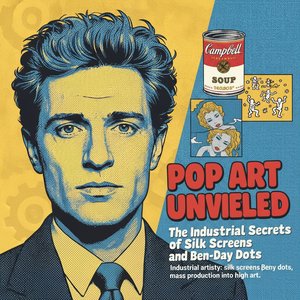
Pop Art Unveiled: The Industrial Secrets of Silk Screens and Ben-Day Dots
Explore the industrial artistry of Pop Art. Delve into the sophisticated history of Ben-Day dots and silk screen techniques that transformed mass media into high art, perfect for discerning collectors seeking deep historical insight and aesthetic excellence.
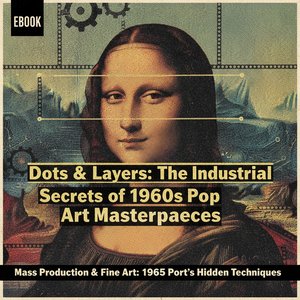
Dots & Screens: The Industrial Secrets Behind 1960s Pop Art Masterpieces
Explore the industrial secrets of 1960s Pop Art. Discover how Ben-Day dots and silk screening transformed mass media into masterpieces by Roy Lichtenstein. An in-depth look at the intersection of mechanical printing and fine art history for students and collectors.

Beyond the Screen: Transforming Personal Memories into Timeless AI-Driven Anime Masterpieces
Experience the magic of digital metamorphosis. Transform your cherished photos into stunning, hand-painted anime masterpieces using our proprietary AI technology and professional artists. Elevate your personal story with a timeless, high-quality oil painting on canvas.
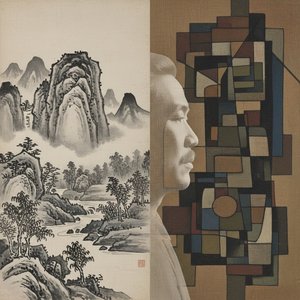
Yi Eungro: Bridging East & West in the Landscape of Korean Modernism
Explore the captivating world of Yi Eungro (Lee Ungno), a pivotal figure in Korean modernism. Discover his unique fusion of Eastern and Western artistic traditions, abstract masterpieces, and lasting legacy. A must-read for discerning art collectors.
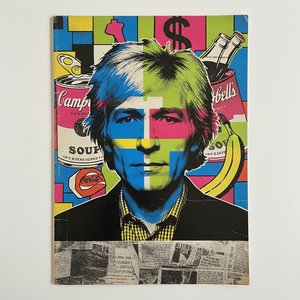
Andy Warhol: Deconstructing Pop Culture & Redefining Artistic Expression
Explore the revolutionary art of Andy Warhol & the Pop Art movement. Discover his iconic techniques, cultural impact, and investment potential. A guide for discerning collectors.