

 Náhľad
 Odoslať
 Zdieľať
 Podrobnosti o dielo

 Stiahnuť
 Podobné diela
 RTG skúška
 Prezentácia
 Štatistiky
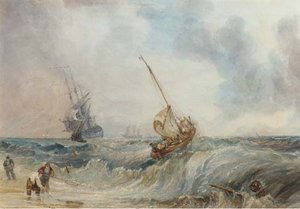
Margate harbour,


 Zobraziť viac
Giclée / Umenotlač
Giclée tlač alebo plátno múzeálnej kvality s rýchlou výrobou a flexibilnými možnosťami povrchovej úpravy. ( Kúpiť ručne maľovaný obraz Prepnúť na digitálny obraz)




































Vyberte si z našich preddefinovaných rozmerov, ktoré zodpovedajú pôvodným pomeroḿ diela.

Môžete zadať vlastné rozmery, aby sa reprodukcia prispôsobila konkrétnemu rámu alebo priestoru. Ak zvolená veľkosť nebude zodpovedať proporciám originálu, dielo buď orežeme, alebo obraz rozšírime pomocou zrkadlenia či farebného doplnenia okrajov. Pred začatím výroby vám pošleme digitálnu ukážku na schválenie.
Máte na vedomí, že náhľad na obrazovke neodzrkadľuje skutočné orezanie alebo rozšírenie. Len digitálna ukážka presne zobrazí finálnu kompozíciu.
Hoci sú k dispozícii vlastné rozmery, pre zachovanie pôvodných proporcií odporúčame vybrať si rozmer z vopred definovaného zoznamu.
Celosvetová doprava () do 2 týždňov namiesto štandardných 4/5 týždňov. (15 september)

Bezplatná expresná doprava po celom svete

Prémiové lnianske plátno

Kompletné poistenie prepravy

Záruka vrátenia colného poplatku

Záruka presného farebného zhodnutia

100-dená politika vrátenia tovaru (iba pri vadách)

100% záruka vrátenia peňazí

Výhodná množstevná zľava
 Možnosť skla je dostupná len pri rozmeroch pod 110 cm

Margate harbour,
Giclée / Umenotlač
Veľkosť reprodukcie
-


Celková cena za vybrané možnosti
$ 80
Biografia umelca
Early Life and Artistic Beginnings
Samuel Owen (circa 1769 – December 8, 1857) emerged from obscurity as a prominent English marine painter and illustrator during the Romantic era. Precise details of his birthdate remain elusive, though records indicate he was born sometime around 1769 in England—a time marked by significant artistic innovation and burgeoning interest in exploring the natural world. Little is known about Owen’s formative years prior to 1791, when he debuted his artwork “A Sea View” at the Royal Academy, marking a pivotal moment in establishing his professional career.Note: Wikipedia- His early artistic training remains undocumented, suggesting self-taught proficiency combined with exposure to prevailing artistic trends of the period.
- Owen’s initial works demonstrated an acute observational skill and a commitment to capturing the essence of maritime landscapes—characteristics that would define his distinctive style throughout his prolific output.
Royal Academy Exhibitions and Maritime Observation
Owen swiftly gained recognition within London's artistic circles following his debut at the Royal Academy in 1797, capitalizing on the fervor surrounding Napoleon’s invasion of Spain. His ambitious depiction “A View of the British and Spanish Fleets” powerfully conveyed the grandeur and tension of naval warfare—a subject that would become a cornerstone of his oeuvre.Note: Tate- He continued to impress audiences with subsequent exhibitions showcasing scenes from engagements like Camperdown, meticulously rendered in watercolor.
- Owen’s artistic vision was profoundly influenced by the Romantic movement's emphasis on emotion and sublime beauty—a sensibility evident in his detailed depictions of ships and coastal vistas.
Collaboration with William Blake and Artistic Style
Owen’s association with William Blake, a fellow artist and visionary, fostered intellectual exchange and contributed to the development of his artistic style.Note: Tate- Blake's influence encouraged Owen to explore expressive techniques—particularly tonal gradation—that heightened the dramatic impact of his paintings.
- Owen’s meticulous attention to detail—capturing textures, light effects, and atmospheric conditions—became a hallmark of his work.
Notable Projects: Thames River Views and Engravings
Among Owen's most enduring achievements were the series of 84 watercolor drawings commissioned for William Westall’s “Picturesque Tour of the River Thames,” published in 1838.Note: Tate- These panoramic views celebrated the Thames as a symbol of British identity and artistic aspiration.
- Furthermore, Owen's collaboration with William Bernard Cooke resulted in the engraving of “The Thames”—a monumental undertaking that solidified his reputation as a master draftsman and illustrator.Note: Tate
Legacy and Historical Significance
Samuel Owen died peacefully at Sunbury in Surrey on December 8, 1867, leaving behind a substantial body of work that continues to inspire admiration for its artistic merit and historical documentation.Note: Tate- His paintings exemplify the Romantic ideal of capturing sublime landscapes—a genre that profoundly shaped British art history.
- Owen’s meticulous observation and skillful rendering of maritime subjects cemented his place as one of the foremost marine painters of his era, ensuring his enduring legacy within the annals of artistic achievement.
Samuel Owen
1769 - 1857 , United Kingdom
Základné informácie
- Artistic Movement Or Style: Marine Painting
- Date Of Death: 1857
- Full Name: Samuel Owen
- Nationality: British
- Notable Artworks:
- Low Tide At Rochester
- Margate harbour,
- A Frigate In A Busy Shipping Lane
- Place Of Birth: United Kingdom
Súvisiace články

Ephemeral Visions: Exploring the Artistic Legacy & Nuances of Watercolor Painting
Explore the captivating world of watercolor painting! Discover its rich history, essential techniques, influential artists & collecting tips from art experts. A comprehensive guide for enthusiasts.

Top 10 legendárnych vodafarieb, ktoré zmenili svet umenia | OriginalUniqueArt.com
Objavte top 10 legendárnych vodafarieb od Turner, Homer a ďalších majstrov! História umenia, techniky a inšpirácia pre váš interiér. Reprodukcie obrazov na OriginalUniqueArt.com – kvalita múzejnej úrovne.

Nadčasová príťažlivosť akvarelu: História, techniky a súčasná prax
Objavte fascinujúci svet akvarelu! História, techniky, tipy od majstrov a inšpirácia pre vašu tvorbu. Sprievodca pre začiatočníkov aj pokročilých.

Ephemeral Visions: Exploring the Artistic Legacy & Contemporary Practice of Watercolor Painting
Explore the captivating world of watercolor painting! Discover its rich history, essential techniques, influential artists & collecting tips. A comprehensive guide for art enthusiasts from OriginalUniqueArt.

Ephemeral Visions: Exploring the History & Emotional Resonance of Watercolor Painting
Explore the captivating history of watercolor painting, from ancient techniques to modern masters like Kandinsky & Blake. Discover essential artists, collecting tips & the emotional power of this luminous medium. Expert insights for art enthusiasts.