
 Zobraziť v interiéri
 Odoslať
 Zdieľať
 Podrobnosti
 Príručka

 Stiahnuť
 Podobné položky
 RTG skúška
 Prehliadanie diapo\]
 Štatistiky
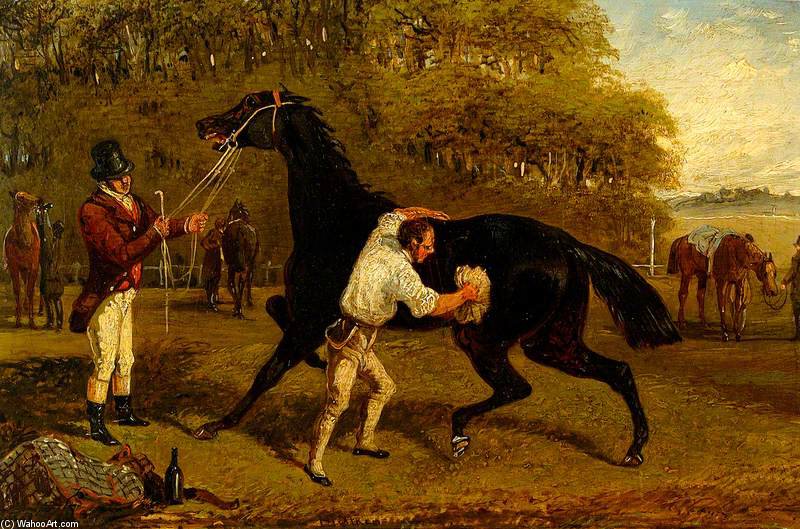
Rubbing Down
 Prečítať si viac
Giclée / Umenotlač
Giclée tlač alebo plátno múzeálnej kvality s rýchlou výrobou a rôznymi možnosťami povrchovej úpravy. ( Objednať ručne maľovanú reprodukciu Prepnúť na digitálnu verziu obrazu)




































Vyberte si z našich preddefinovaných rozmerov, ktoré zodpovedajú pôvodným pomeroḿ diela.

Zadajte šírku a výšku, ktoré potrebujete, aby sa reprodukcia hodila k vášmu rámu alebo stene. Print možno len orezávať, nikdy však nemennú veľkosť zvětšiť oproti pôvodnému obrázku, preto pri inom formáte stráca časť obrazu. Pred samotným vytlačiacím procesom vám pošleme digitálny náhľad na schválenie. Obrázok zobrazený na tejto stránke nezobrazuje reálny rez — len digitálny náhľad ukazuje presný výsledok.
Celosvetová doprava () do 2 týždňov namiesto štandardných 4 až 5 týždňov. (22 október)

Bezplatná expresná doprava po celom svete

Vysokokvalitné lnianske plátno

Úplné poistenie prepravy

Záruka vrátenia colného poplatku

Záruka presného farebného zhodnutia

100-dená politika vrátenia tovaru (iba pri vadách)

100% záruka vrátenia peňazí

Ponuka množstevnej zľavy
 Možnosť skla je dostupná len pri rozmeroch pod 110 cm

Rubbing Down
Giclée / Umenotlač
Veľkosť reprodukcie
-


Celková cena
€ 70
Biografia umelca
Raný život a umelecká príprava
Samuel Henry Gordon Alken (1810–1894) sa narodil v meste Ipswich v hrabstve Suffolk v Anglicku ako tretí syn Henryho Thomasa Alkena, slávneho športového umelca, a Marie Gordonovej. Jeho umelecká línia siahala až k Samuelovi Alkenovi (1756–1815), ktorého odkaz hlboko formoval jeho vlastnú tvorivú cestu. Už od raného veku sa Henry ponorel do sveta umenia, pričom spočiatku študoval pod vedením svojho otca, ktorý v ňom zakorenil vášeň pre zachytávanie dynamického pohybu a portrétovanie zvierat s pozoruhodným realizmom. Po uznaní jeho talentu si následne vyhľadal formálne vzdelanie u Johna Thomasa Barbera Beaumonta, ďalšieho významného miniatúristu, ktorý bol známy svojou precíznosťou v detailoch a vyvinutou estetickou citlivosťou. Toto formujúce obdobie položilo základy Alkenových schopností a upevnilo jeho oddanososť umeleckým tradíciám jeho rodiny.Plodné obdobie maľby a ilustrácie
V období medzi rokmi 1816 a 1831 zažíval Alken neobvyklý nárast produktivity – bol to skutočný zával málieň, kresieb a akvatifov, ktoré upevnili jeho reputáciu jedného z najvýznamnejších britských športových umelcov. Počas tohto obdobia si pod vedením Barbera Beaumonta zdokonaloval svoju techniku a osvojoval si jemné nuansy akvarelu a olejných farieb. Získal značné uznanie najmä pre svoje zobrazenia jazdeckých športov, konkrétne loveckých scén a kočovných expedícií – tém, ktoré hlboko rezonovali s fascináciou viktoriánskej spoločnosti pre šport a voľný čas. Jeho diela zachytávali nielen vizuálny nádych, ale aj emocionálnu intenzitu týchto aktivít, vyjadrujúc pocit vzrušenia a spolupripútňosti.Významné úspechy a mecenášstvo
Alkenova umelecká zručnosť priťiahla pozornosť vplyvných patronov – jednotlivcov, ktorí jeho talent rozpoznali a poverili ho tvorbou ohrobných umeleckých diel, ktoré demonštrovali jeho majstrovstvo. Osobitnú slávu získal za svoju monumentálnu akvatintovú akvavitu zobrazujúcą pohrebný sprievod vojvodinského Wellingtona, čo bol kolaboratívny projekt s Georgeom Salou, ktorý zahŕňal dvadsaťosem listov o rozmeroch 13,5 x 2072 cm a bol publikovaný v roku 1853. Tento ambiciózny podnik vyžadoval výnimočnú umeleckú presnosť a technickú majstrosť – čo je dôkazom Alkenovej vytrvalosti a neochvejnej snahy o dokonalosť. Navyše, jeho maľby zdobili zbierky mnohých aristokratických rodín a múzeí po celej Británii, čím zabezpečili, že jeho odkaz pretrvá v nasledujúcich generáciaca.Štýl a technika
Alkenov špecifický umelecký štýl bol charakterizovaný spojením realismu a expresívneho dynamizmu – čo bolo typickým znakom viktoriánskeho umenia. Umelecky využíval techniky měkkokrizového leptania, pričom metódicky prenášal obrazy na kovové dosky pomocou kyselinových kúpeľní ešte pred ručným nanášaním farebných glazúr. Tento náročný proces viedol k vytvoreniu printov, ktoré disponovali nezhľaditeľnou luminovanciou a živosťou, zachytujúc podstatu jeho predmetov s dychberúcim presnosťou. Jeho kompozície boli často rámované v dôkladne premyslených krajinách, ktoré poskytovali kontext a umocňovali emocionálny dopad jeho zobrazení. Alkenova precízna pozornosť k detailu a majstrovské ovládanie umeleckých konvencií ho etablovali ako dominantnú postavy medzi britskými umelcami jeho éry.Odkaz a vplyv
Príspevok Samuela Henryho Gordona Alkena k viktoriánskemu umeniu je nepoprchateľný – jeho maľby a gravúry naďalej inšpirujú obdiv svojou krásou, technickou brilanciou a evokatívnym zobrazením športového sveta. Stojí vedľa iných slávnych umelcov svojej doby – ako napríklad Maurice Appleby Felton a Thomas Rowlandson – ako obranca umeleckej inovácie a majstrovský interpret súčasnej kultúry. Jeho trvajúci vplyv je viditeľný aj u nasledujúcich generácií maliarov, ktorí sa snažili napodobniť jeho štylistický prístup a zachytiť ducha viktoriánskeho voľného času a dobrodružstva. Alkenov odkaz spočíva nielen v jeho jednotlivých umeleckých dielach, ale aj v širšom kontexte britskej dejiny umenia – ako svedectvo jeho mimoriadneho talentu a trvalého dopadu na vizuálne umenie.
Samuel Henry Gordon Alken
1810 - 1894 , Spojené kráľovstvo
Rýchle fakty
- Artistic Movement Or Style: Sportovné umenie
- Artists Who Influenced This Artist:
- Henry Thomas Alken Snr
- Thomas Rowlandson
- Date Of Birth: 1810
- Date Of Death: 1894
- Full Name: Samuel Henry Gordon Alken
- Nationality: Britská
- Notable Artworks:
- Over The Ditch; And Heading For The Fence
- The Chase; And The Kill
- A Coach And Four On The Open Road
- Place Of Birth: Ipswich, Spojené kráľovstvo