
 Náhľad v interiéri
 Odoslať ako digitálnu kartu
 Zdieľať
 Podrobnosti o dielo
 Príručka

 Stiahnuť obraz
 Podobné položky
 RTG skúška
 Prehliadanie diapozoje
 Otázky a odpovede
 Štatistiky
Kimo sandal


 Zobraziť viac
Umelecké dielo zobrazené na tejto stránke je chránené autorským zákonom, čo znamená, že nemôžeme legálne vytvárať ani predávať jeho identickú reprodukciu. Táto ochrana je vymáhaná na základe medzinárodných dohôd, ako napríklad Bernská konvencia a národnými zákonmi, vrátane tých, ktoré sú stanovené v Autorské právo USA – Title 17. Všetky práva vyhradené.
Táto metóda plne dodržiava autorské práva, pretože nezahŕňa kopírovanie ani duplikovanie chráneného diela. Ide skôr o kreatívnu reinterpretáciu – nový obraz, ktorý je ovplybnený originálom, no nie je s ním identický.
Giclée / Umenotlač
Giclée tlač alebo plátno múzeálnej kvality s rýchlou výrobou a rôznymi možnosťami povrchovej úpravy. ( Kúpiť ručne maľovaný obraz Prepnúť na digitálny obraz)




P118B €10

P118H €10

P118W €10

P438Z €10

P508JH €12

P508YH €12

P805H €10

P805Z €10

P919BZ €10

P919G €10

P919XJ €10

P959ZH €10

P968JZ €12

W106C €8

W218G €10

W218JH €8

W218Y €10

W307PJ €10

W316G €10

W316PJ €8

W316Y €10

W398PJ €8

W4111J €10

W500HY €15

W500JH €15

W692G €12

W849H €8

W940BG €15

W953PJ €8




Vyberte si z našich preddefinovaných rozmerov, ktoré zodpovedajú pôvodným pomeroḿ diela.

Zadajte šírku a výšku, ktoré potrebujete, aby sa reprodukcia hodila k vášmu rámu alebo stene. Print možno len orezávať, nikdy však nemennú veľkosť zvětšiť oproti pôvodnému obrázku, preto pri inom formáte stráca časť obrazu. Pred samotným vytlačiacím procesom vám pošleme digitálny náhľad na schválenie. Obrázok zobrazený na tejto stránke nezobrazuje reálny rez — len digitálny náhľad ukazuje presný výsledok.
Celosvetová doprava () do 2 týždňov namiesto štandardných 4 až 5 týždňov. (12 november)

Bezplatná expresná doprava po celom svete

Vysokokvalitné lnianske plátno

Kompletné poistenie prepravy

Záruka vrátenia colného poplatku

Záruka presného farebného zhodnutia

100-dená politika vrátenia tovaru (iba pri vadách)

100% záruka vrátenia peňazí

Zľava pri väčšom množstve
 Možnosť skla je dostupná len pri rozmeroch pod 110 cm

Kimo sandal
Giclée / Umenotlač
Veľkosť reprodukcie
-


Celková cena
€ 72
A Timeless Icon of Hollywood Style
The Salvatore Ferragamo ‘Kimo’ sandal, a seemingly simple pair of gold leather shoes, represents far more than just footwear. It's a tangible artifact of the mid-20th century, a whisper of Hollywood glamour, and a testament to the visionary craftsmanship that defined a legendary designer. Born in 1898 in Italy, Salvatore Ferragamo’s journey began with humble beginnings – a childhood spent observing a cobbler – but quickly blossomed into a global brand synonymous with innovation and luxury. The Kimo sandal, launched in 1951, perfectly encapsulates this evolution, embodying the spirit of an era defined by elegance, sophistication, and a touch of daring.
This particular example, captured in a striking studio photograph, is a remarkable window into that world. The stark white background immediately draws attention to the shoes themselves, highlighting their intricate design and luxurious materials. The metallic sheen of the gold leather reflects light with an almost liquid quality, creating a sense of movement and depth. It’s not merely a shoe; it's a miniature sculpture, meticulously crafted with a level of detail that speaks volumes about Ferragamo’s dedication to his art.
Deconstructing the Design: A Symphony of Lines and Forms
The Kimo sandal’s design is deceptively complex. The interwoven straps, rendered in a rich gold hue, create a mesmerizing network of lines that both define and enhance the shape of the footbed. These aren't just decorative elements; they are integral to the shoe’s structure, providing support and stability while adding a layer of visual interest. The curved heel, a signature element of Ferragamo’s designs, contributes to the sandal’s elegant silhouette, lending it a touch of sophistication and poise. The interplay of these lines – straight, curved, and interwoven – creates a dynamic composition that is both visually arresting and remarkably balanced.
- Lines: The intricate strapwork establishes a complex network of linear patterns, adding depth and visual interest.
- Shapes: The sandal’s form combines the organic curves of the footbed with the geometric precision of the heel, creating a harmonious balance.
- Textures: While the background is smooth, the leather itself possesses subtle textural variations, reflecting light in an intriguing manner.
A Legacy Forged in Hollywood and Beyond
The Kimo sandal’s story is inextricably linked to the golden age of Hollywood. Ferragamo's shoes were a coveted accessory for stars like Joan Crawford, Greta Garbo, and Marilyn Monroe, who embraced his innovative designs and unparalleled craftsmanship. The shoe became synonymous with glamour and sophistication, appearing in countless films and gracing the feet of some of the most iconic figures of the era. The photograph itself evokes this atmosphere – it’s a studio shot, meticulously staged to capture the essence of Hollywood style.
Beyond its association with Hollywood, the Kimo sandal represents Ferragamo's broader legacy as a pioneer in footwear design. He was a true innovator, constantly experimenting with new materials and techniques, pushing the boundaries of what was possible in shoemaking. His commitment to anatomical precision – studying the structure of the foot to create shoes that were both comfortable and stylish – remains a cornerstone of his enduring reputation.
Symbolism and Emotional Resonance
The Kimo sandal is more than just a beautiful shoe; it’s a symbol of aspiration, luxury, and timeless style. The gold color itself represents wealth, sophistication, and indulgence—a visual shorthand for the glamour of Hollywood. The intricate detailing speaks to Ferragamo's dedication to craftsmanship and his belief in the power of beauty. When viewed today, the Kimo sandal evokes a sense of nostalgia for a bygone era, reminding us of a time when style was paramount and every detail mattered.
Reproductions of this iconic design offer a chance to bring a touch of mid-century glamour into your own home or wardrobe, preserving a piece of fashion history while celebrating the genius of Salvatore Ferragamo.
Otázky a odpovede
Je možné reprodukovat dielo „Kimo sandal“ od Salvatore Ferragamo z hľadiska autorského práva?
Originál diela „Kimo sandal“ sa nachádza v múzeu Museo Salvatierra Ferragamo a toto dielo je stále chránené autorským právom.
Akú techniku a štýl charakterizuje „Kimo sandal“ od Salvatore Ferragamo?
V diele „Kimo sandal“ sa spája technika Acrylic On Canvas s movementom Contemporary Realism.
Kde môžem kúpiť print diela „Kimo sandal“ od Salvatore Ferragamo?
Potlač diela „Kimo sandal“ od Salvatore Ferragamo si môžete objednať priamo na jeho stránke Fine art tlač: umelecká tlač na bavlnenom plátne alebo archivnom plátnovom papieri.
Biografia umelca
Odovládený kožou: Život a vízia Salvatore Ferragamo
Salvatore Ferragamo, meno synonymické s eleganciou, inováciou a zlatou érou hollywoodského glamouru, sa narodil v roku 1898 do skromných pomerov v talianskom Bonite. Daleko od oslnivého sveta, ktorý mal neskôr definovať, bol raný život mladého Salvatore ponorený do vidieckej jednoduchosti, no práve tu začala jeho výnimočná cesta. Ako jedenaden z štrnástich detí prejavoval vrodenú fascináciu shoppením a trávil nekonečné hodiny pri pozorovaní miestneho šustára – remeslo, ktoré jeho otec spočiatku neodporúčal, pretože ho považoval za povolanie nízkeho spoločenského postavenia. Avšak vášeň mladého Salvatore sa ukázala ako neústupná; už v deväť rokoch vyhotovil svoju prvú pár topánok pre prvé sviečkovanie svojej sestry, čo bolo dôkazom jeho rastúceho talentu a odhodlania. Tento čin nebol len vytvorením obuvi; bolo to kovanie osudu. Signaloval zrod umeleckej vízie, ktorá mala preformátovať celú krajinu módy.Od Bostonu k Hollywoodu: Transatlantický vzostup
Voctovaný ambíciou emigroval Ferragamo v roku 1915 do Ameriky, kde sa pripojil k svojim bratom v Bostone, než sa nakoniec gravitoval smerom k prosperajúcemu filmovému priemyslu Kalifornie. Tento krok sa ukázal ako kľúčový. Pôvodne si založil opravovňu, ale rýchlo si uvedomil neuspokojenú potrebu po nádherne vyrobenenej obuvi prispôsobenej nárokom strieborného plátna. Hviezdy Hollywoodu – Lillian Gish, Mary Pickford a neskôr mnohé ďalšie – sa stali jeho oddanými klientkami. Ferragamo neviertvoril len topánky; vytváral ilúzie, ktoré dopĺňali filmové postavy fascinujúce celé národy. Pochopil silu vizuálneho rozprávania a to, ako môže obuv prispievať k príbehu postavy. Toto pochopenie ho priviedlo k štúdiu anatómie na University of Southern California, pretože veril, že skutočné pohodlie a elegancia vychádzajú z hlbokého porozumenom štruktúry chodidla. Jeho inovatívne použitie oceľových vložiek pre podporu klenby revolučne zmenilo konštrukciu obuvi, pričom uprednostnil estetiku aj zdravie – čo sa stalo hlavným znakom jeho dizajnového filozofie.Návrat domov: Florentská renesancia a umelecký rozkvet
V roku 1927 sa Ferragamo vrátil do svojej rodnej Itálie a usadil sa vo Florencii – meste prepln Atom umeleckou tradíciou a remeselnou zručnosťou. Založil dielňu, ktorá sa rýchlo stala laboratórom inovácií. Napriek finančným ťažkostiam počas Veľkej hospodárskej krízy a vyhláseniu bankrotu v roku 1933 vytrval, poháňaný neochvejnou vierou vo svoju víziu. Po obnovení svojho podniku v roku 1938 v historickom Palazzo Spini Feroni sa Ferragamo vydal do obdobia nadprodukcie kreativity. Nebojácne experimentoval s netradičnými materiálmi – korkom, rybijou kožou, dokonca aj kovom – a posúval hranice toho, čo sa v výrobe obuvi považovalo za možné. Táto ochota brániť sa konvenciám sa stala jeho podpisom. Jeho návrhy neboli len funkčnými predmetmi; boli to sochárske diela umenia, odrážajúce hlbokú úctu k histórii a odvážneho ducha modernity. Ikona wedge heel (klinová podpätka), zrodená zo nedostatku materiálu počas vojny, stojí ako dôkaz jeho šikovnosti a nápaditosti, čím si v roku 1947 získal prestížnú cenu Neiman Marcus Award.Trvalá stopa: Odkaz a vplyv
Vplyv Salvatore Ferragamo presahuje rámec obuvi. Založil Salvatore Ferragamo S.p.A., impérium luxusného tovaru, ktorý prosperuje aj dnes so stovkami butikov po celom svete. Hoci je oslavovaný pre svoje návrhy pre hollywoodské ikony ako Marilyn Monroe – pre ktorú vytvoril jej ikonické ihličkové podpätko – a Audrey Hepburn, jeho vplyv rezonuje v súčasnej móde. Jeho záväzok k anatomickému pohodliu, inovatívnym materiálom a sochárnym formám otvoril cestu generáciám návrhárov. Ferragamo Museum vo Florencii slúži ako živý tribute jeho odkazu, prezentujúc nielen jeho revolučné dizajny obuvi, ale aj jeho širšie umelecké záujmy, vrátane zbieriek ako La Collezione Bonello (Malta) a Palumbo-Fossati Collection (Benátky). Jeho práca presahuje čistú módu; je oslavou umenia, inovácie a trvalej sily talianskeho remesla. Hoci zomrel v roku 1960, duch Salvatore Ferragamo nás naďalej inšpiruje a pripomína nám, že skutočný štýl nespočíva len v tom, čo nosíme, ale v príbehu, ktorý to vyprávame.Významné diela a kolekcie
- Pollicino: Žiarivá Pop Art socha topánky prezentujúca odvážne farby a hravý dizajn.
- Sandal (1952): Ikona luxusného remesla a geometrického dizajnu, zhmotňujúca eleganciu danej éry.
- Prototipo di sandalo (1938): Úchvatná antická obuv demonštrujúca zložité vyšívanie a remeselnú zručnosť.
- La Collezione Bonello (Malta): Kurátorovaná kolekcia obsahujúca diela majstrov ako Caravaggio a Alberto Morrocco, odrážajúca Ferragamovu lásku k vysokému umeniu.
- The Palumbo-Festa Collection (Benátky, Taliansko): Renomovaná zostava európskeho maliarstva pokrývajúca celé storočia, zdôrazňujúca širšie kultúrne záujmy Ferragema.

Salvatore Ferragamo
1898 - 1960 , Taliansko
Základné informácie
- Artistic Movement Or Style: Štýl Hollywoodu
- Artists Or Movements Influenced By This Artist: ['Christian Dior']
- Artists Who Influenced This Artist: ['Guccio Gucci']
- Date Of Birth: 5. júna 1898
- Date Of Death: 7. augusta 1960
- Full Name: Salvatore Ferragamo
- Nationality: Talian
- Notable Artworks:
- Sandalo (1952)
- Pollicino
- Place Of Birth: Bonito, Taliansko
Súvisiace články

Style on Canvas: The Timeless Allure of Fashion Illustration Artworks
Discover the exquisite world of fashion illustration art. From Art Deco elegance to bespoke oil reproductions, explore how timeless sartorial beauty transforms luxury interiors through masterfully crafted canvas works and curated historical masterpieces.

Draped Narratives: Fashion as Symbol & Subject in Historical Art
Explore the fascinating history of fashion as a symbol of power & status in art! Discover masterpieces from Gainsborough to Tissot and learn how clothing shaped societal narratives. Find museum-quality reproductions at OriginalUniqueArt.

The Lens of Luxury: A Visual Journey Through the Evolution and Artistry of Fashion Photography
Embark on a visual journey through the evolution of fashion photography. Discover how masters like Gianfranco Ferré blended geometry, surrealism, and texture to redefine high-fashion art for collectors and connoisseurs of luxury imagery.
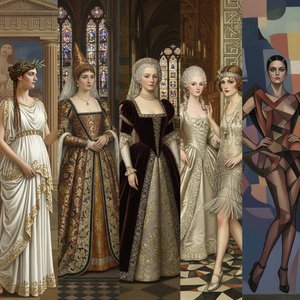
Style Through the Ages: Iconic Artworks That Defined the Evolution of Fashion Design
Explore the breathtaking intersection of fine art and high fashion. Discover how iconic masterpieces from Art Deco to Impressionism have shaped the world of luxury couture and timeless design in this curated visual journey.

Gianfranco Ferré: Deconstructing Haute Couture – A Legacy of Architectural Form
Explore the revolutionary world of Gianfranco Ferré, 'the architect of fashion.' Discover his architectural approach to haute couture, iconic Dior designs, and lasting influence on luxury style. A deep dive for collectors & enthusiasts.

