

 Zobraziť v interiéri
 Odoslať
 Zdieľať
 Podrobnosti
 Príručka

 Stiahnuť
 Podobné položky
 RTG skúška
 Prehliadanie diapo\]
 Štatistiky
Ruton Robot


 Prečítať si viac
Umelecké dielo zobrazené na tejto stránke je chránené autorským zákonom, čo znamená, že nemôžeme legálne vytvárať ani predávať jeho identickú reprodukciu. Táto ochrana je vymáhaná na základe medzinárodných dohôd, ako napríklad Bernská konvencia a národnými zákonmi, vrátane tých, ktoré sú stanovené v Autorské právo USA – Title 17. Všetky práva vyhradené.
Táto metóda plne dodržiava autorské práva, pretože nezahŕňa kopírovanie ani duplikovanie chráneného diela. Ide skôr o kreatívnu reinterpretáciu – nový obraz, ktorý je ovplybnený originálom, no nie je s ním identický.
Giclée / Umenotlač
Giclée tlač alebo plátno múzeálnej kvality s rýchlou výrobou a rôznymi možnosťami povrchovej úpravy. ( Objednať ručne maľovanú reprodukciu Prepnúť na digitálnu verziu obrazu)




































Vyberte si z našich preddefinovaných rozmerov, ktoré zodpovedajú pôvodným pomeroḿ diela.

Zadajte šírku a výšku, ktoré potrebujete, aby sa reprodukcia hodila k vášmu rámu alebo stene. Print možno len orezávať, nikdy však nemennú veľkosť zvětšiť oproti pôvodnému obrázku, preto pri inom formáte stráca časť obrazu. Pred samotným vytlačiacím procesom vám pošleme digitálny náhľad na schválenie. Obrázok zobrazený na tejto stránke nezobrazuje reálny rez — len digitálny náhľad ukazuje presný výsledok.
Celosvetová doprava () do 2 týždňov namiesto štandardných 4 až 5 týždňov. (22 október)

Bezplatná expresná doprava po celom svete

Vysokokvalitné lnianske plátno

Úplné poistenie prepravy

Záruka vrátenia colného poplatku

Záruka presného farebného zhodnutia

100-dená politika vrátenia tovaru (iba pri vadách)

100% záruka vrátenia peňazí

Ponuka množstevnej zľavy
 Možnosť skla je dostupná len pri rozmeroch pod 110 cm

Ruton Robot
Giclée / Umenotlač
Veľkosť reprodukcie
-


Celková cena
€ 70
Biografia umelca
The Dawn of Robotic Art: Ruton Robot’s Pioneering Lamp
Ruton Robot, a name synonymous with the nascent field of robotic art, emerged from Finland in 1960, crafting an instantly recognizable and profoundly influential piece – his iconic lamp. More than just a lighting fixture, the Ruton Robot represents a pivotal moment in automation history, demonstrating early experimentation with self-operating mechanisms and sparking imaginations about the potential of machines as artistic creators. Born in Finland, (though precise birth details remain elusive), Robot’s journey began not with grand ambitions but with a simple desire to explore the possibilities of combining mechanics and aesthetics. The lamp itself is a testament to this exploration: a chrome-plated automaton that slowly rotates its head and arm, mimicking a human gesture – a subtle dance of movement designed to captivate and intrigue. The use of plastic as the primary material was remarkably innovative for the time, offering both affordability and a lightweight construction suitable for intricate mechanical systems.A Finnish Roots in Mechanical Ingenuity
Robot’s early life appears largely undocumented, shrouded in the quiet simplicity of rural Finland. However, anecdotal evidence suggests a deep-seated fascination with mechanics and engineering from a young age. His work wasn't driven by commercial aspirations initially; rather, it stemmed from a genuine curiosity about how things worked and a desire to bring those workings to life. This inherent mechanical aptitude, combined with a burgeoning interest in design, laid the foundation for his unique artistic vision. The Finnish landscape itself – characterized by its vast forests, intricate waterways, and a tradition of craftsmanship – undoubtedly influenced his aesthetic sensibilities, fostering an appreciation for both natural forms and precise construction. The post-war era in Finland was one of rebuilding and innovation, and Robot’s work can be seen as reflecting this spirit of progress and experimentation.Influences and Early Development
While often considered a singular creation, the Ruton Robot wasn't born in isolation. Robot’s work drew inspiration from several sources. The burgeoning field of automation, fueled by advancements in transistor technology and early computer science, provided a technological backdrop for his explorations. Furthermore, he was influenced by the mid-century modern design movement, characterized by its emphasis on functionality, simplicity, and geometric forms – qualities that are clearly evident in the lamp’s sleek lines and polished chrome finish. The work of early industrial designers like Dieter Rams also subtly informed Robot's approach to integrating mechanical components with an aesthetically pleasing form. Crucially, Robot was experimenting with a then-novel technique of using miniature motors and gears to create controlled movement – a process that required considerable skill and patience.The Lamp’s Enduring Legacy
Despite its relatively modest production run (only a handful of lamps were ever created), the Ruton Robot quickly gained recognition as a landmark achievement in robotic art. Its unique blend of mechanical ingenuity, sculptural form, and subtle animation captivated critics and collectors alike. The lamp became an icon of the 1960s, representing the optimistic vision of a future where machines could augment human creativity. It’s often cited as one of the earliest examples of “kinetic sculpture,” predating many later developments in robotic art by decades. Today, the Ruton Robot is housed in the OriginalUniqueArt collection and remains a celebrated example of early automation and a testament to Robot's pioneering spirit. Its influence can be seen in subsequent generations of robotic artists who have built upon his foundational work.A Continuing Mystery
Ruton Robot’s life after the creation of the lamp remains somewhat enigmatic. He largely retreated from public attention, dedicating himself to further mechanical experimentation and design projects, though details about these endeavors are scarce. He continued to live in Finland until his death, a quiet figure who left behind a remarkable legacy. The Ruton Robot stands as a powerful reminder that art can be found not just in traditional mediums but also in the intricate workings of machines – a testament to the enduring power of human curiosity and innovation.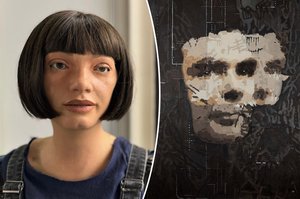
Ruton Robot
1960 - , Finland
Rýchle fakty
- Full Name: Ruton Robot
- Nationality: Finnish
- Date Of Birth: 1960
- Place Of Birth: Finland
- Notable Artworks: ['Ruton Robot']
- Artistic Movement Or Style: Robotic art, Automaton
Súvisiace články

Angelo Chiacchio: A Mid-Century American Illustration Master & the Rise of Commercial Art
Explore the captivating world of Angelo Chiacchio, a master of mid-century American illustration. Discover his evolution, signature style, and lasting impact on commercial art & design. Learn about his legacy at the Museum of American Illustration.
Top 10 slávnych obrazov v odtieňoch chrómovej žltej: Majstri a ich farebná symfónia | OriginalUniqueArt.sk
Objavte top 10 slávnych obrazov v odtieňoch chrómovej žltej! Van Gogh, Monet a ďalší majstri. Farebná symfónia impresionizmu a postimpresionizmu pre váš interiér. Reprodukcie obrazov na OriginalUniqueArt.com – umenie s príbehom.
The Retro Remix: Decoding the Power of Historical Illustration in Modern Visual Identity
Discover how historical illustration fuels today's boldest design trends. From Victorian drama to mid-century cool, explore the 'Retro Remix' shaping modern visual impact. Elevate your space with high-impact, hand-painted art from OriginalUniqueArt.com—where history meets pop culture.
Top 10 slávnych obrazov s dominantnou čierou: Majstri tmy a svetla | OriginalUniqueArt
Ponorte sa do sveta 10 slávnych obrazov s dominantnou čierou od Rembrandta, Caravaggia a ďalších majstrov. Objavte príbehy umenia, techniky a silu tmy a svetla. Reprodukcie obrazov pre váš interiér na OriginalUniqueArt.com.
Top 10 slávnych obrazov v odtieňoch Chrome Green: Umění pre váš domov s OriginalUniqueArt
Objavte top 10 slávnych obrazov v odtieňoch Chrome Green! Van Gogh, Monet a ďalší majstri. História umenia, techniky a inšpirácia pre váš domov s OriginalUniqueArt.com – reprodukcie najvyššej kvality.