 Zobraziť v interiéri
 Odoslať
 Zdieľať
 Podrobnosti
 Príručka

 Stiahnuť
 Podobné položky
 RTG skúška
 Prehliadanie diapo\]
 Štatistiky
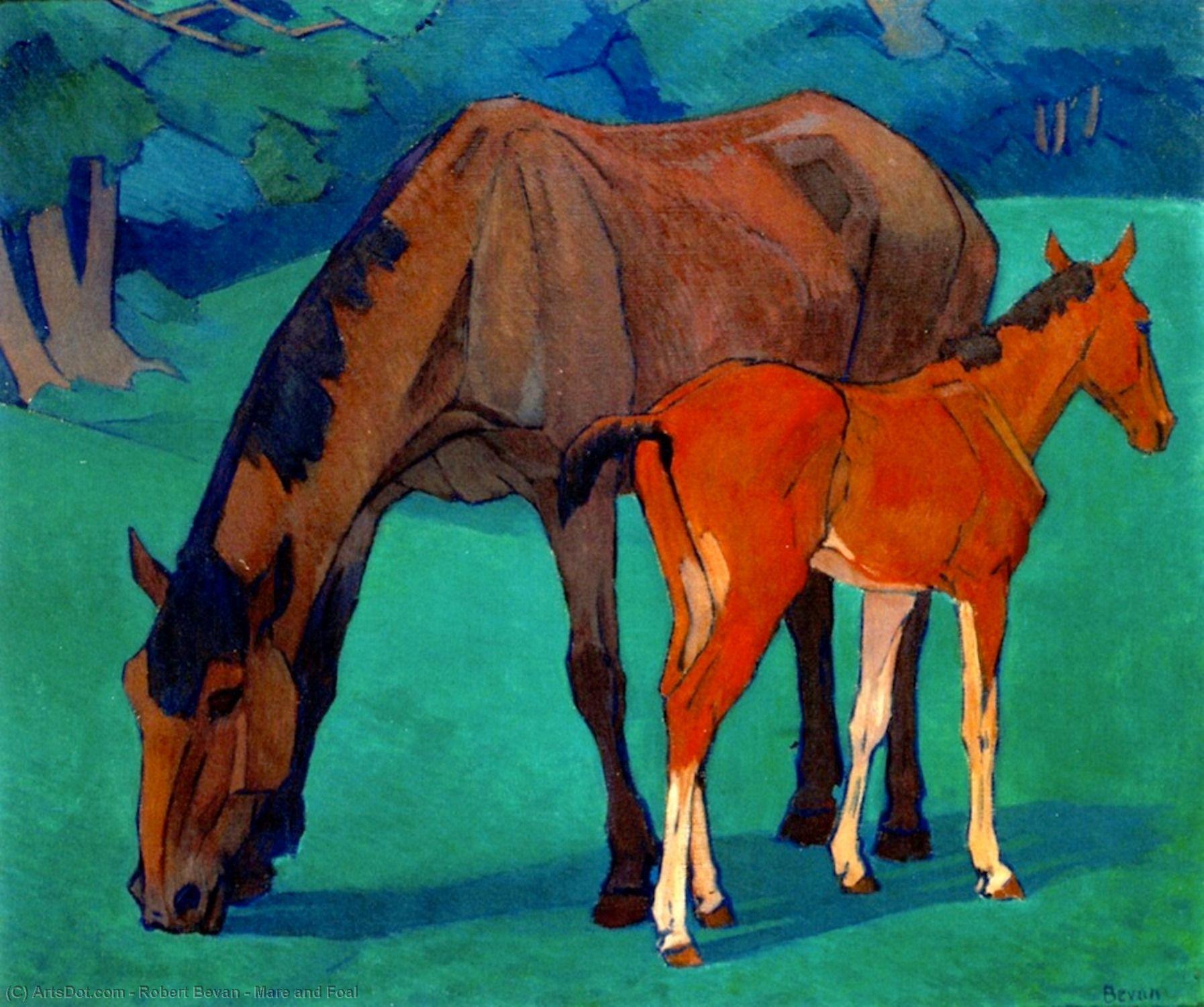
Mare and Foal
 Oil On Canvas
- WallArt
- Post-Impressionism
 1917
1917- Modern
 56.0 x 66.0 cm
 Prečítať si viac
Giclée / Umenotlač
Giclée tlač alebo plátno múzeálnej kvality s rýchlou výrobou a rôznymi možnosťami povrchovej úpravy. ( Objednať ručne maľovanú reprodukciu Prepnúť na digitálnu verziu obrazu)




P118B $10

P118H $10

P118W $10

P438Z $10

P508JH $12

P508YH $12

P805H $10

P805Z $10

P919BZ $10

P919G $10

P919XJ $10

P959ZH $10

P968JZ $12

W106C $8

W218G $10

W218JH $8

W218Y $10

W307PJ $10

W316G $10

W316PJ $8

W316Y $10

W398PJ $8

W4111J $10

W500HY $15

W500JH $15

W692G $12

W849H $8

W940BG $15

W953PJ $8




Vyberte si z našich preddefinovaných rozmerov, ktoré zodpovedajú pôvodným pomeroḿ diela.

Môžete zadať vlastné rozmery, aby sa reprodukcia prispôsobila konkrétnemu rámu alebo priestoru. Ak zvolená veľkosť nebude zodpovedať proporciám originálu, dielo buď orežeme, alebo obraz rozšírime pomocou zrkadlenia či farebného doplnenia okrajov. Pred začatím výroby vám pošleme digitálnu ukážku na schválenie.
Máte na vedomí, že náhľad na obrazovke neodzrkadľuje skutočné orezanie alebo rozšírenie. Len digitálna ukážka presne zobrazí finálnu kompozíciu.
Hoci sú k dispozícii vlastné rozmery, pre zachovanie pôvodných proporcií odporúčame vybrať si rozmer z vopred definovaného zoznamu.
Celosvetová doprava () do 2 týždňov namiesto štandardných 4 až 5 týždňov. (26 september)

Bezplatná expresná doprava po celom svete

Vysokokvalitné lnianske plátno

Úplné poistenie prepravy

Záruka vrátenia colného poplatku

Záruka presného farebného zhodnutia

100-dená politika vrátenia tovaru (iba pri vadách)

100% záruka vrátenia peňazí

Ponuka množstevnej zľavy
 Možnosť skla je dostupná len pri rozmeroch pod 110 cm

Mare and Foal
Giclée / Umenotlač
Veľkosť reprodukcie
-


Celková cena
$ 80
A Tender Encounter in Color and Light
In the quietude of 1917, amidst a world often defined by upheaval, Robert Polhill Bevan captured a moment of profound stillness and maternal grace in his masterpiece, Mare and Foal. This exquisite oil on canvas serves as more than just a pastoral scene; it is an intimate window into the heartbeat of the natural world. The composition centers on the tender bond between a mother horse and her young offspring, positioned with a delicate proximity that suggests a shared breath. As the foal nuzzles against its mother, the viewer is drawn into a sanctuary of peace, where the boundaries between animal and environment seem to dissolve into a singular, harmonious existence.
The painting’s strength lies in its ability to evoke emotion through the masterful application of color and texture. Bevan, a pioneer of British Modernism, moves beyond mere representation to embrace a more expressive language. His use of bold brushstrokes lends a rhythmic vitality to the grass and the sturdy forms of the horses, while his palette—rich with vivid, sun-drenched tones—breathes life into the landscape. The three trees rising in the background do not merely provide depth; they act as silent sentinels, framing the central figures and grounding the scene in a sense of timelessness and permanence.
The Mastery of Modernist Technique
To observe Mare and Foal is to witness the intersection of Impressionist light and the burgeoning energy of early 20th-century modernism. Bevan’s technique, honed during his transformative years in Paris, allows him to manipulate the medium of oil on canvas to achieve a remarkable level of luminosity. The way light dances across the coats of the horses and filters through the surrounding greenery demonstrates a sophisticated understanding of shadow and atmosphere. This interplay of light creates a tactile quality, where one can almost feel the softness of the foal's coat and the sturdy weight of the mare.
For the discerning collector or interior designer, this piece offers a rare balance of structural strength and emotional warmth. The painting’s composition is balanced yet dynamic, making it an ideal focal point for spaces that require a sense of calm sophistication. Unlike more chaotic modern works, Bevan’s approach in this period retains a classical reverence for subject matter while utilizing a contemporary, expressive hand. It is a work that invites the eye to linger, rewarding repeated viewings with new discoveries of color nuance and textural depth.
A Timeless Legacy for the Modern Interior
Beyond its aesthetic brilliance, Mare and Foal carries a symbolic weight that resonates across generations. The theme of maternal protection and the innocence of youth are universal, making the artwork deeply relatable to any viewer. In an era where art is often used to define the character of a home, this reproduction offers an infusion of serenity and organic beauty. It brings the restorative power of nature indoors, acting as a bridge between the wild, untamed world and the curated elegance of a contemporary living space.
Whether placed in a sunlit gallery or a quiet study, the painting serves as a testament to the enduring power of the natural bond. It stands alongside the works of great innovators like Picasso and Repin, not merely as a depiction of animals, but as an exploration of life's most fundamental rhythms. For those seeking to invest in art that inspires contemplation and provides a sense of groundedness, Bevan’s 1917 triumph remains an incomparable choice—a soulful fragment of history captured in vibrant, everlasting oil.
Biografia umelca
Robert Polhill Bevan (1865–1925): British painter & Camden Town Group founder
Robert Polhill Bevan, born in Hove in 1865, occupies a pivotal yet often understated position within the narrative of early 20th-century British art. Emerging from a Quaker background steeped in banking connections – his parents were Richard Alexander Bevan and Laura Maria Polhill – he defied conventional expectations to become a daring innovator, a key figure in the transition from Impressionism towards more radical explorations of color and form. His journey was one of constant experimentation, absorbing influences from across Europe while forging a distinctly personal artistic vision that would profoundly impact the development of modern art in Britain. Bevan’s early education at Westminster School of Art under Fred Brown provided a solid foundation, but it was his subsequent studies at the Académie Julian in Paris that truly ignited his creative spark. There, he encountered a constellation of rising stars – Paul Sérusier, Pierre Bonnard, Édouard Vuillard, and Maurice Denis – artists who were challenging academic conventions and embracing new approaches to painting. These encounters proved formative, exposing Bevan to the principles of synthetism and laying the groundwork for his future explorations.Early Influences & Parisian Awakening
Bevan’s artistic sensibilities were profoundly shaped by his formative years in Paris. The Académie Julian served as a crucible for innovation, immersing him in the vibrant intellectual atmosphere of the Belle Époque and fostering connections with artists who championed groundbreaking ideas. He was particularly captivated by the work of Gauguin and Cézanne, whose expressive use of color and simplified forms resonated deeply within his artistic sensibilities. These encounters instilled in Bevan a conviction that art should transcend mere representation, prioritizing emotional impact and conveying subjective experience—a stance that would become central to his subsequent artistic endeavors. The influence of Brittany is undeniable; two significant journeys undertaken between 1890 and 1891 cemented his fascination with the region’s dramatic landscapes and bold chromatic palette. Observing Gauguin's pioneering approach to depicting indigenous cultures and simplifying forms captivated Bevan, prompting him to translate these principles into his own artistic practice. His sketchbook pages from this period—now housed in the Ashmolean Museum—offer invaluable insight into the genesis of his distinctive visual language.The Fauvist Breakthrough & Divisionist Technique
Around 1904 Bevan embarked on a transformative path of experimentation with pure color, anticipating the emergence of Fauvism on the continent and marking a decisive break from Impressionistic conventions. His painting “Courtyard” exemplifies this audacious stylistic choice—a deliberate rejection of naturalistic hues in favor of vibrant, emotionally charged pigments—demonstrating a willingness to prioritize expressive intensity over accurate depiction. This bold move wasn’t merely aesthetic; it reflected Bevan's belief that color possessed inherent power to communicate emotion and convey psychological states—a conviction that would inform his artistic vision throughout his career. Furthermore, Bevan honed his technique by adopting divisionist or pointillist principles, evident in masterpieces such as “Ploughing on the Downs” and “The Chestnut Tree.” This meticulous method involved applying tiny dots of color onto a canvas surface, allowing for subtle blending effects and creating luminous textures—a stylistic innovation that distinguished Bevan from many of his contemporaries. He drew inspiration from masters like Velázquez and Goya, recognizing their masterful use of chiaroscuro and capturing the essence of human emotion through nuanced tonal variations.Collective Artistic Endeavors & Recognition
Bevan’s artistic pursuits weren't confined to solitary contemplation; he actively engaged in collaborative projects that propelled him into the forefront of British modern art. He was a founding member of the Camden Town Group, alongside artists like Walter Sickert and Frank Auerbach, who sought to depict urban life with uncompromising honesty and expressive fervor—challenging academic traditions and forging a new visual language rooted in direct observation. This collective spirit extended to his involvement with the London Group and the Cumberland Market Group, fostering an exchange of ideas that enriched his artistic repertoire. Notably, Bevan joined Walter Sickert’s Fitzroy Street group in 1908, where he encountered encouragement from Sickert to explore themes of everyday life—a pivotal moment that steered Bevan towards a more socially conscious aesthetic. His membership in the New English Art Club and participation in exhibitions underscored his commitment to disseminating innovative artistic concepts and engaging with broader cultural dialogues.Legacy & Enduring Influence
Robert Polhill Bevan’s contribution to British art history is undeniable, securing his place as a pioneer of Fauvist principles and shaping the trajectory of modern British painting. His landscapes—particularly those depicting Sussex and Brittany—remain celebrated for their luminous color palettes and expressive brushwork—capturing the spirit of rural life with remarkable sensitivity. Works like “In the Downs near Lewes” and “The Chestnut Tree” exemplify Bevan’s ability to convey both visual beauty and emotional resonance—a testament to his artistic mastery and enduring influence on subsequent generations of painters. A retrospective exhibition at Colnaghi’s in 1961 served as a crucial moment of recognition, solidifying Bevan's legacy and ensuring that his innovative spirit continues to inspire artists today. His unwavering dedication to experimentation and his profound engagement with the visual arts cemented his position as one of Britain’s foremost artistic figures—a visionary who dared to challenge conventions and forge a path toward a radically new aesthetic horizon.
Robert Polhill Bevan
1865 - 1925 , Spojené kráľovskosti
Rýchle fakty
- Artistic Movement Or Style: Fauvizmus, Divizionizmus
- Artists Or Movements Influenced By This Artist: ['Modern Británska umenie']
- Artists Who Influenced This Artist:
- Paul Gauguin
- Velázquez
- Goya
- Renoir
- Date Of Birth: 1865
- Date Of Death: 1925
- Full Name: Robert Polhill Bevan
- Nationality: Británia
- Notable Artworks:
- The Farmhouse
- Ploughing on the Downs
- Queen's Grove
- The Cab Horse
- Place Of Birth: Hove, Veľká Británia
Súvisiace články

The Equine Muse: A Historical & Artistic Exploration of Horses in Painting
Explore the captivating history of horses in painting! Discover Renaissance masterpieces, Baroque grandeur & expert insights for collecting equestrian art. Learn about symbolism, techniques & lasting value with OriginalUniqueArt.

Tučné diela umenia: Top 10 obrazov plných sily a výrazu | OriginalUniqueArt.sk
Objavte 10 ikonických obrazov plných sily a výrazu! Prežite príbehy Picassa, Van Gogha a ďalších majstrov. Reprodukcie múzejnej kvality pre váš interiér na OriginalUniqueArt.sk – inšpirujte sa a kúpite si umenie online.
The Noble Steed: A Historical and Artistic Exploration of Horses in Fine Art
Explore the rich history of horses in fine art! From ancient depictions to Renaissance masterpieces & beyond, discover iconic artworks and artists. Learn about symbolism, techniques, and find museum-quality reproductions at OriginalUniqueArt.

The Noble Steed on Canvas: A Historical & Artistic Exploration of Horse Painting Across Cultures
Explore the rich history of horse painting! Discover masterpieces from Stubbs to Munnings & learn about symbolism, techniques & artists. Find museum-quality reproductions at OriginalUniqueArt.
Roy Lichtenstein: Top 25 diel pop artu pre váš domov | OriginalUniqueArt.sk
Objavte top 25 diel Roy Lichtensteina – ikony pop artu, ktoré zmenili svet umenia. Prežite príbeh farieb, techník a inšpirácie. Reprodukcie obrazov pre váš domov na OriginalUniqueArt.sk! Preskúmajte celú kolekciu online.