Zobraziť v interiéri
 Odoslať
 Zdieľať
 Podrobnosti
 Príručka

 Stiahnuť
 Podobné položky
 RTG skúška
 Prehliadanie diapo\]
 Štatistiky
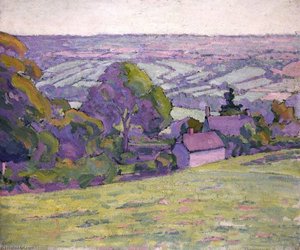
Devonská dolina č. 1
 Olej na plátne
- WallArt
- Post-Impressionist Landscape
 1913
1913 20.0 x 24.0 cm
 Royal Albert Memorial Museum
 Prečítať si viac
Giclée / Umenotlač
Giclée tlač alebo plátno múzeálnej kvality s rýchlou výrobou a rôznymi možnosťami povrchovej úpravy. ( Objednať ručne maľovanú reprodukciu Prepnúť na digitálnu verziu obrazu)




P118B €10

P118H €10

P118W €10

P438Z €10

P508JH €12

P508YH €12

P805H €10

P805Z €10

P919BZ €10

P919G €10

P919XJ €10

P959ZH €10

P968JZ €12

W106C €8

W218G €10

W218JH €8

W218Y €10

W307PJ €10

W316G €10

W316PJ €8

W316Y €10

W398PJ €8

W4111J €10

W500HY €15

W500JH €15

W692G €12

W849H €8

W940BG €15

W953PJ €8




Vyberte si z našich preddefinovaných rozmerov, ktoré zodpovedajú pôvodným pomeroḿ diela.

Zadajte šírku a výšku, ktoré potrebujete, aby sa reprodukcia hodila k vášmu rámu alebo stene. Print možno len orezávať, nikdy však nemennú veľkosť zvětšiť oproti pôvodnému obrázku, preto pri inom formáte stráca časť obrazu. Pred samotným vytlačiacím procesom vám pošleme digitálny náhľad na schválenie. Obrázok zobrazený na tejto stránke nezobrazuje reálny rez — len digitálny náhľad ukazuje presný výsledok.
Celosvetová doprava () do 2 týždňov namiesto štandardných 4 až 5 týždňov. (21 október)

Bezplatná expresná doprava po celom svete

Vysokokvalitné lnianske plátno

Úplné poistenie prepravy

Záruka vrátenia colného poplatku

Záruka presného farebného zhodnutia

100-dená politika vrátenia tovaru (iba pri vadách)

100% záruka vrátenia peňazí

Ponuka množstevnej zľavy
 Možnosť skla je dostupná len pri rozmeroch pod 110 cm

Devonská dolina č. 1
Giclée / Umenotlač
Veľkosť reprodukcie
-


Celková cena
€ 70
Robert Polhill Bevan – Pionier britického postmoderního umění a základní stavebník skupiny Camden Town
Robert Polhill Bevan (1865–1925) představuje klíčovou, byť často podceňovanou roli v dějinách počátku 20. století britského umění. Narodil se ve Hove roku 1865 a vytrvalý rebel proti konvenčním očekáváním se stal pozoruhodným inovátorem – významnou osobností přechodu od impresionismu k radikálnějším průzkumům barvy a tvaru. Jeho cesta byla cestou neustálého experimentování, kdy přijímal vlivy z celé Evropy při vytváření vlastního uměleckého vidění, které prohlubovalo vývoj moderního umění ve Velké Británii. Jeho vzdělání na Westminster School of Art pod vedením Freda Browna poskytlo pevný základ, ale jeho další studia na Académie Julian v Paříži skutečně rozvinula jeho kreativní potenciál. Tam se setkal s rostoucí řadou hvězd – P…- Styl: Bevanův obraz „A Devonshire Valley, Number 1“ patří mezi díla skupiny Camden Town Group, která vykazovala výrazné znaky postmoderního impresionismu. Tento styl byl charakteristický intenzivními barvami a důrazem na subjektivní zážitky pozorovatele.
- Technika: Výtvarník používal olejovou techniku na plátno, což umožňovalo dosáhnout bohatých pigmentů a vysoké úrovně detailu. Jeho práce byly známé svou pečlivostí a přesností při reprodukování přírody.
- Historický Kontext: Obraz vznikl v roce 1913, což byl vrchol období modernistického výtvarného ruchu ve Velké Británii. Významnou roli hrála skupina Camden Town Group, která se snažila překonat tradiční estetické hodnoty a vyjádřit nové hodnoty společnosti.
- Symbolismus: Zelená barva pozadí představuje životaschopnost a obnovu přírody – základní téma výtvarného díla tohoto období. Černý strom v centru obrazu může symbolizovat odolávání času a sílu přírody.
- Emoční Dopad: „A Devonshire Valley, Number 1“ vyvolává pocit klidu a harmonie – atmosféru idylického venkovského života. Dílo působí pozitivně na oko pozorovatele a inspiruje ho k úvahám o krásě přírody.
Otázky a odpovede
Aké je pres слаva diela „Devonská dolina č. 1“ od Robert Polhill Bevan?
Úroveň popularity zaznamenaná pre „Devonská dolina č. 1“ od Robert Polhill Bevan je Uznávaní.
Akú veľkosť by som mal pre svoju miestnosť vytlačiť pri diele "Devonská dolina č. 1"?
Odporúčaná kombinácia pre „Devonská dolina č. 1“ od Robert Polhill Bevan: tlač vo veľkosti Large do miestnosti typu Denná miestnosť.
Čo zobrazuje „Devonská dolina č. 1“ od Robert Polhill Bevan?
Témy predstavované v díle „Devonská dolina č. 1“ od Robert Polhill Bevan zahŕňajú british landscape, valley scene, tree composition, rural tranquility, clock tower motif, farmhouse architecture, color palette harmony. Spolu zhrňujú predmet skladby.
Biografia umelca
Robert Polhill Bevan (1865–1925): British painter & Camden Town Group founder
Robert Polhill Bevan, born in Hove in 1865, occupies a pivotal yet often understated position within the narrative of early 20th-century British art. Emerging from a Quaker background steeped in banking connections – his parents were Richard Alexander Bevan and Laura Maria Polhill – he defied conventional expectations to become a daring innovator, a key figure in the transition from Impressionism towards more radical explorations of color and form. His journey was one of constant experimentation, absorbing influences from across Europe while forging a distinctly personal artistic vision that would profoundly impact the development of modern art in Britain. Bevan’s early education at Westminster School of Art under Fred Brown provided a solid foundation, but it was his subsequent studies at the Académie Julian in Paris that truly ignited his creative spark. There, he encountered a constellation of rising stars – Paul Sérusier, Pierre Bonnard, Édouard Vuillard, and Maurice Denis – artists who were challenging academic conventions and embracing new approaches to painting. These encounters proved formative, exposing Bevan to the principles of synthetism and laying the groundwork for his future explorations.Early Influences & Parisian Awakening
Bevan’s artistic sensibilities were profoundly shaped by his formative years in Paris. The Académie Julian served as a crucible for innovation, immersing him in the vibrant intellectual atmosphere of the Belle Époque and fostering connections with artists who championed groundbreaking ideas. He was particularly captivated by the work of Gauguin and Cézanne, whose expressive use of color and simplified forms resonated deeply within his artistic sensibilities. These encounters instilled in Bevan a conviction that art should transcend mere representation, prioritizing emotional impact and conveying subjective experience—a stance that would become central to his subsequent artistic endeavors. The influence of Brittany is undeniable; two significant journeys undertaken between 1890 and 1891 cemented his fascination with the region’s dramatic landscapes and bold chromatic palette. Observing Gauguin's pioneering approach to depicting indigenous cultures and simplifying forms captivated Bevan, prompting him to translate these principles into his own artistic practice. His sketchbook pages from this period—now housed in the Ashmolean Museum—offer invaluable insight into the genesis of his distinctive visual language.The Fauvist Breakthrough & Divisionist Technique
Around 1904 Bevan embarked on a transformative path of experimentation with pure color, anticipating the emergence of Fauvism on the continent and marking a decisive break from Impressionistic conventions. His painting “Courtyard” exemplifies this audacious stylistic choice—a deliberate rejection of naturalistic hues in favor of vibrant, emotionally charged pigments—demonstrating a willingness to prioritize expressive intensity over accurate depiction. This bold move wasn’t merely aesthetic; it reflected Bevan's belief that color possessed inherent power to communicate emotion and convey psychological states—a conviction that would inform his artistic vision throughout his career. Furthermore, Bevan honed his technique by adopting divisionist or pointillist principles, evident in masterpieces such as “Ploughing on the Downs” and “The Chestnut Tree.” This meticulous method involved applying tiny dots of color onto a canvas surface, allowing for subtle blending effects and creating luminous textures—a stylistic innovation that distinguished Bevan from many of his contemporaries. He drew inspiration from masters like Velázquez and Goya, recognizing their masterful use of chiaroscuro and capturing the essence of human emotion through nuanced tonal variations.Collective Artistic Endeavors & Recognition
Bevan’s artistic pursuits weren't confined to solitary contemplation; he actively engaged in collaborative projects that propelled him into the forefront of British modern art. He was a founding member of the Camden Town Group, alongside artists like Walter Sickert and Frank Auerbach, who sought to depict urban life with uncompromising honesty and expressive fervor—challenging academic traditions and forging a new visual language rooted in direct observation. This collective spirit extended to his involvement with the London Group and the Cumberland Market Group, fostering an exchange of ideas that enriched his artistic repertoire. Notably, Bevan joined Walter Sickert’s Fitzroy Street group in 1908, where he encountered encouragement from Sickert to explore themes of everyday life—a pivotal moment that steered Bevan towards a more socially conscious aesthetic. His membership in the New English Art Club and participation in exhibitions underscored his commitment to disseminating innovative artistic concepts and engaging with broader cultural dialogues.Legacy & Enduring Influence
Robert Polhill Bevan’s contribution to British art history is undeniable, securing his place as a pioneer of Fauvist principles and shaping the trajectory of modern British painting. His landscapes—particularly those depicting Sussex and Brittany—remain celebrated for their luminous color palettes and expressive brushwork—capturing the spirit of rural life with remarkable sensitivity. Works like “In the Downs near Lewes” and “The Chestnut Tree” exemplify Bevan’s ability to convey both visual beauty and emotional resonance—a testament to his artistic mastery and enduring influence on subsequent generations of painters. A retrospective exhibition at Colnaghi’s in 1961 served as a crucial moment of recognition, solidifying Bevan's legacy and ensuring that his innovative spirit continues to inspire artists today. His unwavering dedication to experimentation and his profound engagement with the visual arts cemented his position as one of Britain’s foremost artistic figures—a visionary who dared to challenge conventions and forge a path toward a radically new aesthetic horizon.
Robert Polhill Bevan
1865 - 1925 , Spojené kráľovskosti
Rýchle fakty
- Artistic Movement Or Style: Fauvizmus, Divizionizmus
- Artists Or Movements Influenced By This Artist: ['Modern Británska umenie']
- Artists Who Influenced This Artist:
- Paul Gauguin
- Velázquez
- Goya
- Renoir
- Date Of Birth: 1865
- Date Of Death: 1925
- Full Name: Robert Polhill Bevan
- Nationality: Británia
- Notable Artworks:
- The Farmhouse
- Ploughing on the Downs
- Queen's Grove
- The Cab Horse
- Place Of Birth: Hove, Veľká Británia
Súvisiace články

Hubert Robert: Picturing Ruins, Preserving Memory – A Study of Romantic Antiquarianism & Artistic Innovation
Explore the captivating world of Hubert Robert, master of Romantic landscape painting & 'capriccio' ruins. Discover his historical context, artistic innovations, and collecting insights with OriginalUniqueArt.
Robert Bevan: Pioneering British Post-Impressionism & the Camden Town Group's Intimate Vision
Explore the life & work of Robert Bevan, a pioneer of British Post-Impressionism and founding member of the Camden Town Group. Discover his vibrant landscapes and lasting impact on early 20th-century art.

Evocations of Place: A Historical Journey Through Landscape Art
Explore the rich history of landscape art with OriginalUniqueArt. Discover renowned artists, movements like Impressionism & Romanticism, and expert guidance for collecting timeless pieces. Find your perfect serene escape today!

Top 10 Majstrov Romantickej Krajinomaľby: Obrazy, ktoré zmenili svet umenia
Ponorte sa do sveta romantickej krajinomaľby! Objavte top 10 majstrovských diel od Friedricha, Turnera a ďalších. Historické obrazy prírody s nádychom emócií. Reprodukcie obrazov pre váš interiér na OriginalUniqueArt.com.

John Constable: Top 25 Majstrovských Diel pre Váš Domov | OriginalUniqueArt.sk
Ponorte sa do sveta Johna Constabla s OriginalUniqueArt.sk! Objavte top 25 majstrovských diel anglického romantizmu – od ikonického Hay Wain až po krajinárske motívy Suffolku. Kvalitné reprodukcie obrazov pre váš domov. Preskúmajte celú kolekciu online!