Zobraziť v interiéri
 Odoslať
 Zdieľať
 Podrobnosti
 Príručka

 Stiahnuť
 Podobné položky
 RTG skúška
 Prehliadanie diapo\]
 Štatistiky
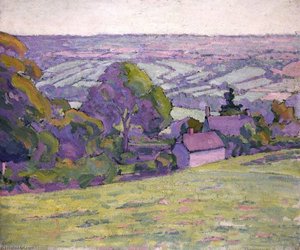
Brimley Hill
 Akryl na plátne
- WallArt
- British Fauvism
 1916
1916 51.0 x 60.0 cm
 Herbert Art Gallery - Museum
 Prečítať si viac
Giclée / Umenotlač
Giclée tlač alebo plátno múzeálnej kvality s rýchlou výrobou a rôznymi možnosťami povrchovej úpravy. ( Objednať ručne maľovanú reprodukciu Prepnúť na digitálnu verziu obrazu)




P118B €10

P118H €10

P118W €10

P438Z €10

P508JH €12

P508YH €12

P805H €10

P805Z €10

P919BZ €10

P919G €10

P919XJ €10

P959ZH €10

P968JZ €12

W106C €8

W218G €10

W218JH €8

W218Y €10

W307PJ €10

W316G €10

W316PJ €8

W316Y €10

W398PJ €8

W4111J €10

W500HY €15

W500JH €15

W692G €12

W849H €8

W940BG €15

W953PJ €8




Vyberte si z našich preddefinovaných rozmerov, ktoré zodpovedajú pôvodným pomeroḿ diela.

Zadajte šírku a výšku, ktoré potrebujete, aby sa reprodukcia hodila k vášmu rámu alebo stene. Print možno len orezávať, nikdy však nemennú veľkosť zvětšiť oproti pôvodnému obrázku, preto pri inom formáte stráca časť obrazu. Pred samotným vytlačiacím procesom vám pošleme digitálny náhľad na schválenie. Obrázok zobrazený na tejto stránke nezobrazuje reálny rez — len digitálny náhľad ukazuje presný výsledok.
Celosvetová doprava () do 2 týždňov namiesto štandardných 4 až 5 týždňov. (23 október)

Bezplatná expresná doprava po celom svete

Vysokokvalitné lnianske plátno

Úplné poistenie prepravy

Záruka vrátenia colného poplatku

Záruka presného farebného zhodnutia

100-dená politika vrátenia tovaru (iba pri vadách)

100% záruka vrátenia peňazí

Ponuka množstevnej zľavy
 Možnosť skla je dostupná len pri rozmeroch pod 110 cm

Brimley Hill
Giclée / Umenotlač
Veľkosť reprodukcie
-


Celková cena
€ 70
Robert Polhill Bevan: Významný Pionier Britického Modernizmu a Jeho Majestná Krajina Brimley Hill
Robert Polhill Bevan (1865–1925) predstavuje nezvyčajne významnú osobu v dejinách skorého 20. storočia britského umenia – často prehľadaného, no nesmierneho odborníka a inovátora. Jeho životný príbeh bol cestou plnou experimentovania, pričom získaval inspiráciu z celého Európy a zároveň si vybudoval osobný umelecký svet, ktorý zásadne ovplyvnil rozvoj modernej tvorby v Británii. Jeho začiatky boli pevne zakorenené v Quaker komunite – jeho rodičia boli Richard Alexander Bevan a Laura Maria Polhill –, čo ho odlišovalo od konvenčných očakávaní svojho času. Jeho vzdelanie na Westminster School of Art pod vedením Freda Browna poskytlo základné znalosti, no jeho štúdium na Académie Julian v Paríži rozohralo pravú úlohu pri rozžiarení jeho kreatívneho potenciálu. Tam stretol množstvo mladých talentovaných umelcov – Henri Matisseho, André Deraina a ďalších –, ktorí ho ovplyvnili jeho umeleckým smerom.- Štýl: Bevanova tvorba sa vyznačuje výrazným presunom od impresionizmu k novému smeru, ktorý nazývame Fauvizmus. Tento pohyb kladie dôraz na intenzívne použitie farieb – často mimo prírodných farebných škál – aby vyjadril emócie a atmosféru.
- Technika: Bevan používal olejové maľovanie s technikou tzv. „alla prima“, čo znamená „priamo“. Tento postup umožňuje rýchle aplikáciu farieb na plátno bez vytvárania vrstiev, čím sa dosahuje vysoká úroveň intenzity a dynamiky obrazu.
- Rozchod s impresionistickou estetickou: Bevan odmietal tradičné impresionistické zásady ako analýzu svetla a zvukové pozorovanie prírody. Jeho cieľom bolo vyjadriť subjektívne dojmy pozorovateľa, čo je výrazný znak moderného umenia.
Brimley Hill: Krajina Naplnená Symbolizmom Červeného a Žltého
Výstava Brimley Hill, Devon, vytvorená Robertom Polhillom Bevanom v roku 1914/1916, predstavuje fascinujúci príklad toho, ako umelecký výraz môže byť ovplyvnený filozofiou a estetickou doby. Výrazné použitie červenej a žltej farby nie je náhodné – tieto základné farebné tony sú často asociované s energiou, životom a svetlom, čo odkazuje na základné hodnoty Quaker filozofie. Zároveň však Brimley Hill nesmie byť chápaný len ako estetický objekt; pôvodcami obrazu boli skúsenosti Bevanovej skupiny Camden Town Group, ktorá bojovala za nové možnosti vyjadrenia umeleckých ideálov.- Symbolizmus: Červená farba môže reprezentovať odvahu, lásku a životnú energiu – hodnoty, ktoré sú charakteristické pre Quakerstvo a zároveň sú základom krásneho obrazu Brimley Hill.
- Kompozícia: Pozorovateľ je vedený očami cez panorámu hory Brimley Hill, ktorá vytvára pocit perspektívy a vzdialenosti. Tento efekt podporuje atmosféru pokojného rozvoja prírody.
- Význam prostredia: Výstava Brimley Hill odkazuje na krásu Devonského kraja – oblasti bohatého na prírodu a kultúru, ktorá bola zdrojom inspirácie mnohých významných umelcov.
Emocionálny Dopad Obrázka: Pohľad do Duše Umelca
Brimley Hill nie je len obraz krajiny; predstavuje výstup Bevanovej duše – jeho schopnosť vyjadriť svoje emocionálne dojmy a skúsenosti prostredníctvom umeleckého jazyka. Jeho práce sú dôkazom toho, že umenie môže byť zdrojom krásy, ale aj filozofického rozvoja. Výstava Brimley Hill nám umožňuje ponoriť sa do sveta tvorby Robert Polhill Bevan – pioniera britického modernizmu a oslávu nových estetických možností. Obrázok Brimley Hill si zaslúži miesto v srdci každého milovníka umenia, ktorý hľadá inspiráciu a krásu prírody.Otázky a odpovede
Je "Brimley Hill" k dispozícii ako umelecká tlač (fine art print)?
Ak si chcete objednať print diela „Brimley Hill“ od Robert Polhill Bevan, stačí si ho objednať priamo na jeho stránke Výškovotlač fine art: umelecká tlač na bavlnenom plátne alebo archivnom plátnovom papieri.
Patrí dielo „Brimley Hill“ od Robert Polhill Bevan do verejnej vlastnícky sféry a prečo?
„Brimley Hill“ od Robert Polhill Bevan je v v verejnom vlastníctve – autorské práva vypršali. Doba trvania autorského práva sa začína dňom smrti umelca, ktorého smrť nastala v roku 1925.
Kto vytvoril "Brimley Hill"?
Autorom diela „Brimley Hill“ je Robert Polhill Bevan. Prácu nájdete v katalógu pod menom Robert Polhill Bevan.
Biografia umelca
Robert Polhill Bevan (1865–1925): British painter & Camden Town Group founder
Robert Polhill Bevan, born in Hove in 1865, occupies a pivotal yet often understated position within the narrative of early 20th-century British art. Emerging from a Quaker background steeped in banking connections – his parents were Richard Alexander Bevan and Laura Maria Polhill – he defied conventional expectations to become a daring innovator, a key figure in the transition from Impressionism towards more radical explorations of color and form. His journey was one of constant experimentation, absorbing influences from across Europe while forging a distinctly personal artistic vision that would profoundly impact the development of modern art in Britain. Bevan’s early education at Westminster School of Art under Fred Brown provided a solid foundation, but it was his subsequent studies at the Académie Julian in Paris that truly ignited his creative spark. There, he encountered a constellation of rising stars – Paul Sérusier, Pierre Bonnard, Édouard Vuillard, and Maurice Denis – artists who were challenging academic conventions and embracing new approaches to painting. These encounters proved formative, exposing Bevan to the principles of synthetism and laying the groundwork for his future explorations.Early Influences & Parisian Awakening
Bevan’s artistic sensibilities were profoundly shaped by his formative years in Paris. The Académie Julian served as a crucible for innovation, immersing him in the vibrant intellectual atmosphere of the Belle Époque and fostering connections with artists who championed groundbreaking ideas. He was particularly captivated by the work of Gauguin and Cézanne, whose expressive use of color and simplified forms resonated deeply within his artistic sensibilities. These encounters instilled in Bevan a conviction that art should transcend mere representation, prioritizing emotional impact and conveying subjective experience—a stance that would become central to his subsequent artistic endeavors. The influence of Brittany is undeniable; two significant journeys undertaken between 1890 and 1891 cemented his fascination with the region’s dramatic landscapes and bold chromatic palette. Observing Gauguin's pioneering approach to depicting indigenous cultures and simplifying forms captivated Bevan, prompting him to translate these principles into his own artistic practice. His sketchbook pages from this period—now housed in the Ashmolean Museum—offer invaluable insight into the genesis of his distinctive visual language.The Fauvist Breakthrough & Divisionist Technique
Around 1904 Bevan embarked on a transformative path of experimentation with pure color, anticipating the emergence of Fauvism on the continent and marking a decisive break from Impressionistic conventions. His painting “Courtyard” exemplifies this audacious stylistic choice—a deliberate rejection of naturalistic hues in favor of vibrant, emotionally charged pigments—demonstrating a willingness to prioritize expressive intensity over accurate depiction. This bold move wasn’t merely aesthetic; it reflected Bevan's belief that color possessed inherent power to communicate emotion and convey psychological states—a conviction that would inform his artistic vision throughout his career. Furthermore, Bevan honed his technique by adopting divisionist or pointillist principles, evident in masterpieces such as “Ploughing on the Downs” and “The Chestnut Tree.” This meticulous method involved applying tiny dots of color onto a canvas surface, allowing for subtle blending effects and creating luminous textures—a stylistic innovation that distinguished Bevan from many of his contemporaries. He drew inspiration from masters like Velázquez and Goya, recognizing their masterful use of chiaroscuro and capturing the essence of human emotion through nuanced tonal variations.Collective Artistic Endeavors & Recognition
Bevan’s artistic pursuits weren't confined to solitary contemplation; he actively engaged in collaborative projects that propelled him into the forefront of British modern art. He was a founding member of the Camden Town Group, alongside artists like Walter Sickert and Frank Auerbach, who sought to depict urban life with uncompromising honesty and expressive fervor—challenging academic traditions and forging a new visual language rooted in direct observation. This collective spirit extended to his involvement with the London Group and the Cumberland Market Group, fostering an exchange of ideas that enriched his artistic repertoire. Notably, Bevan joined Walter Sickert’s Fitzroy Street group in 1908, where he encountered encouragement from Sickert to explore themes of everyday life—a pivotal moment that steered Bevan towards a more socially conscious aesthetic. His membership in the New English Art Club and participation in exhibitions underscored his commitment to disseminating innovative artistic concepts and engaging with broader cultural dialogues.Legacy & Enduring Influence
Robert Polhill Bevan’s contribution to British art history is undeniable, securing his place as a pioneer of Fauvist principles and shaping the trajectory of modern British painting. His landscapes—particularly those depicting Sussex and Brittany—remain celebrated for their luminous color palettes and expressive brushwork—capturing the spirit of rural life with remarkable sensitivity. Works like “In the Downs near Lewes” and “The Chestnut Tree” exemplify Bevan’s ability to convey both visual beauty and emotional resonance—a testament to his artistic mastery and enduring influence on subsequent generations of painters. A retrospective exhibition at Colnaghi’s in 1961 served as a crucial moment of recognition, solidifying Bevan's legacy and ensuring that his innovative spirit continues to inspire artists today. His unwavering dedication to experimentation and his profound engagement with the visual arts cemented his position as one of Britain’s foremost artistic figures—a visionary who dared to challenge conventions and forge a path toward a radically new aesthetic horizon.
Robert Polhill Bevan
1865 - 1925 , Spojené kráľovskosti
Rýchle fakty
- Artistic Movement Or Style: Fauvizmus, Divizionizmus
- Artists Or Movements Influenced By This Artist: ['Modern Británska umenie']
- Artists Who Influenced This Artist:
- Paul Gauguin
- Velázquez
- Goya
- Renoir
- Date Of Birth: 1865
- Date Of Death: 1925
- Full Name: Robert Polhill Bevan
- Nationality: Británia
- Notable Artworks:
- The Farmhouse
- Ploughing on the Downs
- Queen's Grove
- The Cab Horse
- Place Of Birth: Hove, Veľká Británia
Súvisiace články

John Constable: Top 25 Majstrovských Diel pre Váš Domov | OriginalUniqueArt.sk
Ponorte sa do sveta Johna Constabla s OriginalUniqueArt.sk! Objavte top 25 majstrovských diel anglického romantizmu – od ikonického Hay Wain až po krajinárske motívy Suffolku. Kvalitné reprodukcie obrazov pre váš domov. Preskúmajte celú kolekciu online!

Top 10 Majstrov Romantickej Krajinomaľby: Obrazy, ktoré zmenili svet umenia
Ponorte sa do sveta romantickej krajinomaľby! Objavte top 10 majstrovských diel od Friedricha, Turnera a ďalších. Historické obrazy prírody s nádychom emócií. Reprodukcie obrazov pre váš interiér na OriginalUniqueArt.com.
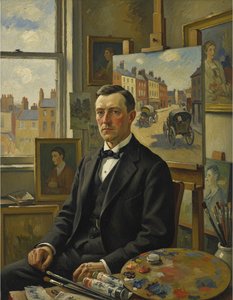
Robert Bevan: Pioneering British Post-Impressionism & the Camden Town Group's Intimate Vision
Explore the life & work of Robert Bevan, a pioneer of British Post-Impressionism and founding member of the Camden Town Group. Discover his vibrant landscapes and lasting impact on early 20th-century art.

Evocations of Place: A Historical Journey Through Landscape Art
Explore the rich history of landscape art with OriginalUniqueArt. Discover renowned artists, movements like Impressionism & Romanticism, and expert guidance for collecting timeless pieces. Find your perfect serene escape today!

William James Müller: Navigating Victorian Sentiment & Realism in British Landscape Painting
Explore the captivating landscapes of William James Müller, the leading artist of the Bristol School. Discover his Victorian masterpieces, Egyptian travels & Lycian sketches – a journey through 19th-century art and technique.