

 Zobraziť v interiéri
 Odoslať
 Zdieľať
 Podrobnosti
 Príručka

 Stiahnuť
 Podobné položky
 RTG skúška
 Prehliadanie diapo\]
 Štatistiky
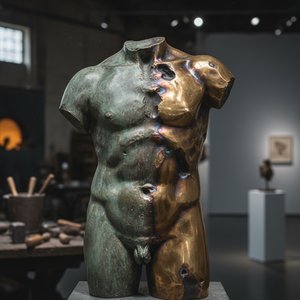
Spatial force


 Prečítať si viac
Giclée / Umenotlač
Giclée tlač alebo plátno múzeálnej kvality s rýchlou výrobou a rôznymi možnosťami povrchovej úpravy. ( Objednať ručne maľovanú reprodukciu Prepnúť na digitálnu verziu obrazu)




































Vyberte si z našich preddefinovaných rozmerov, ktoré zodpovedajú pôvodným pomeroḿ diela.

Môžete zadať vlastné rozmery, aby sa reprodukcia prispôsobila konkrétnemu rámu alebo priestoru. Ak zvolená veľkosť nebude zodpovedať proporciám originálu, dielo buď orežeme, alebo obraz rozšírime pomocou zrkadlenia či farebného doplnenia okrajov. Pred začatím výroby vám pošleme digitálnu ukážku na schválenie.
Máte na vedomí, že náhľad na obrazovke neodzrkadľuje skutočné orezanie alebo rozšírenie. Len digitálna ukážka presne zobrazí finálnu kompozíciu.
Hoci sú k dispozícii vlastné rozmery, pre zachovanie pôvodných proporcií odporúčame vybrať si rozmer z vopred definovaného zoznamu.
Celosvetová doprava () do 2 týždňov namiesto štandardných 4 až 5 týždňov. (26 september)

Bezplatná expresná doprava po celom svete

Vysokokvalitné lnianske plátno

Úplné poistenie prepravy

Záruka vrátenia colného poplatku

Záruka presného farebného zhodnutia

100-dená politika vrátenia tovaru (iba pri vadách)

100% záruka vrátenia peňazí

Ponuka množstevnej zľavy
 Možnosť skla je dostupná len pri rozmeroch pod 110 cm

Spatial force
Giclée / Umenotlač
Veľkosť reprodukcie
-


Celková cena
$ 80
Biografia umelca
The Emergence of a Roman Visionary
Born in the quiet Italian town of Galliera in 1907, Renato Marino Mazzacurati would eventually become a cornerstone of the Scuola Romana. His journey began in earnest when he moved to Rome in 1926, a city that provided the fertile ground necessary for his artistic spirit to flourish. Mazzacurati was not merely a creator of aesthetics; he was an artist driven by a profound conviction that art must serve a social function, acting as a mirror and a catalyst for the human condition.A Synthesis of Form and Emotion
The trajectory of Mazzacurati’s talent underwent a transformative shift following his pivotal journey to Paris in 1931. It was amidst the legendary streets of France that he encountered the revolutionary echoes of Rodin, Matisse, and Picasso. This exposure acted as a creative crucible, allowing him to weave together disparate threads of modernism into a singular, cohesive language. His work became a masterful dialogue between several powerful movements:- Cubism, which provided him with the structural complexity and geometric rigor to deconstruct reality.
- Expressionism, through which he channeled raw, emotive energy and psychological depth.
- Realism, ensuring that despite his stylistic experimentation, the human element remained grounded and poignant.
The Enduring Legacy of an Eclectic Master
Throughout his life, until his passing in Parma in 1969, Mazzacurati remained a steadfast explorer of the modern movement. His ability to navigate the complexities of the twentieth century's shifting artistic tides—moving seamlessly from the structured lines of Cubism to the visceral intensity of Expressionism—marks him as one of the most versatile figures of his era. He left behind a body of work that does more than capture light and shadow; it captures the very essence of social responsibility in art. His legacy continues to resonate within the annals of Italian art, reminding us that true creativity lies in the ability to embrace change while remaining anchored to the fundamental truths of human existence.
renato marino mazzacurati
1907 - 1969 , Italy
Rýchle fakty
- Artistic Movement Or Style: Scuola Romana, Cubism, Expressionism, Realism
- Artists Who Influenced This Artist:
- Rodin
- Matisse
- Picasso
- Date Of Birth: 1907
- Date Of Death: 1969
- Full Name: Renato Marino Mazzacurati
- Nationality: Italian
- Place Of Birth: Galliera, Italy
Súvisiace články

The Enduring Form: Sculpture Across History, Technique & Emotional Resonance
Explore the rich history of sculpture with OriginalUniqueArt. Discover key techniques, influential artists & investment potential for discerning collectors. Expert insights into valuing and collecting timeless masterpieces.

Top 10 Bronzových Sôch, ktoré Zmenili Umenie Navždy | OriginalUniqueArt
Objavte top 10 legendárnych bronzových sôch, ktoré zmenili umenie! Michelangelo, Rodin a ďalší majstri. História, techniky a nadčasová krása pre váš interiér. Reprodukcie múzejnej kvality na OriginalUniqueArt.com

The Enduring Form: Exploring Themes & Techniques in Sculpture Across Historical Periods
Explore the rich history of sculpture from ancient masterpieces to contemporary innovations. Discover key techniques, influential artists & investment potential for discerning art collectors.
Trvalé dedičstvo bronzovej plastiky: História, techniky a súčasné interpretácie
Objavte trvalé dedičstvo bronzovej plastiky! História, techniky liatia, význam Kremnickej školy a súčasné trendy. Pre zberateľov a nadšencov umenia.

Top 10 Bronzových Majstrovských Diel, ktoré Zmenili Umění Navždy | OriginalUniqueArt
Objavte top 10 legendárnych bronzových majstrovských diel, ktoré zmenili umenie navždy! Rodin, Michelangelo a ďalší. Prežite príbehy slávnych sôch a nájdite inšpiráciu pre váš interiér na OriginalUniqueArt.com.