
 Náhľad v interiéri
 Odoslať ako digitálnu kartu
 Zdieľať
 Podrobnosti o dielo
 Príručka

 Stiahnuť obraz
 Podobné položky
 RTG skúška
 Prehliadanie diapozoje
 Otázky a odpovede
 Štatistiky
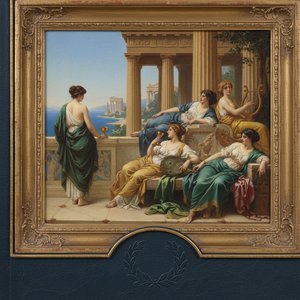
Athenais

- 101.0 x 61.0 cm


 Zobraziť viac
Giclée / Umenotlač
Giclée tlač alebo plátno múzeálnej kvality s rýchlou výrobou a rôznymi možnosťami povrchovej úpravy. ( Kúpiť ručne maľovaný obraz Prepnúť na digitálny obraz)




P118B €10

P118H €10

P118W €10

P438Z €10

P508JH €12

P508YH €12

P805H €10

P805Z €10

P919BZ €10

P919G €10

P919XJ €10

P959ZH €10

P968JZ €12

W106C €8

W218G €10

W218JH €8

W218Y €10

W307PJ €10

W316G €10

W316PJ €8

W316Y €10

W398PJ €8

W4111J €10

W500HY €15

W500JH €15

W692G €12

W849H €8

W940BG €15

W953PJ €8




Vyberte si z našich preddefinovaných rozmerov, ktoré zodpovedajú pôvodným pomeroḿ diela.

Zadajte šírku a výšku, ktoré potrebujete, aby sa reprodukcia hodila k vášmu rámu alebo stene. Print možno len orezávať, nikdy však nemennú veľkosť zvětšiť oproti pôvodnému obrázku, preto pri inom formáte stráca časť obrazu. Pred samotným vytlačiacím procesom vám pošleme digitálny náhľad na schválenie. Obrázok zobrazený na tejto stránke nezobrazuje reálny rez — len digitálny náhľad ukazuje presný výsledok.
Celosvetová doprava () do 2 týždňov namiesto štandardných 4 až 5 týždňov. (5 november)

Bezplatná expresná doprava po celom svete

Vysokokvalitné lnianske plátno

Kompletné poistenie prepravy

Záruka vrátenia colného poplatku

Záruka presného farebného zhodnutia

100-dená politika vrátenia tovaru (iba pri vadách)

100% záruka vrátenia peňazí

Zľava pri väčšom množstve
 Možnosť skla je dostupná len pri rozmeroch pod 110 cm

Athenais
Giclée / Umenotlač
Veľkosť reprodukcie
-


Celková cena
€ 72
A Vision of Classical Splendor
In the luminous realm of Neo-Classicism, few works capture the serene intersection of human grace and architectural grandeur as exquisitely as John William Godward’s Athenais. Painted in 1908, this masterpiece serves as a breathtaking window into a lost era of antiquity, reimagined through the meticulous lens of the late Victorian era. The painting presents us with a central figure of incomparable elegance, draped in a flowing, vibrant red gown that commands the viewer's gaze. As she stands with a poised hand upon her hip, her presence is not merely decorative but foundational to the composition, embodying a sense of quiet confidence and timeless beauty. The rich, crimson hue of her attire creates a striking visual dialogue with the pale, marble textures surrounding her, ensuring that the subject remains the beating heart of this classical dreamscape.
The setting of Athenais is nothing short of theatrical, designed to transport the observer to a world of myth and marble. Godward surrounds his protagonist with an array of sculpted figures—Greek gods and goddesses carved into architectural elements—which lend the scene an air of sacred permanence. These statues, rendered with such precision that one can almost feel the coolness of the stone, provide a structural rhythm to the piece. The inclusion of delicate birds, fluttering near the periphery, introduces a subtle layer of life and movement, breaking the stillness of the marble and infusing the atmosphere with a sense of tranquil harmony. This careful balance between the static permanence of architecture and the fleeting vitality of nature is what makes the work so profoundly captivating.
Mastery of Technique and Light
To behold Athenais is to witness the pinnacle of academic realism and the masterful application of oil on canvas. Godward’s technique is characterized by an extraordinary attention to texture; he layers his pigments with a devotion that allows the viewer to distinguish between the soft, supple folds of silk and the hard, weathered grain of ancient stone. The lighting within the painting is masterfully diffused, casting gentle shadows that sculpt the woman's form and provide a realistic sense of depth. This soft illumination avoids harsh contrasts, instead bathing the entire scene in a warm, nostalgic glow that enhances the romanticism of the subject matter.
The color palette is a sophisticated study in balance, dominated by deep reds, pristine whites, and muted earth tones. These colors work in concert to create a sense of stability and order, reflecting the core tenets of the Neo-Classical movement. The lines are predominantly smooth and flowing, guiding the eye through the organic curves of the human form and into the geometric precision of the classical backdrop. For the discerning collector or interior designer, this painting offers more than just visual beauty; it provides a sophisticated focal point that brings an aura of cultured refinement and historical depth to any space.
Symbolism and Lasting Emotional Resonance
Beyond its aesthetic brilliance, Athenais is steeped in symbolic resonance. The figure herself, often interpreted through the lens of classical mythology, evokes themes of purity, vulnerability, and the eternal nature of beauty. The architectural setting—a monument to civilization and human achievement—serves as a powerful counterpoint to the organic grace of the woman, suggesting a harmonious coexistence between humanity and the enduring legacies of the past. There is a profound sense of nostalgia in Godward's work, a longing for the perceived order and moral seriousness of the ancient world.
For those seeking to adorn their homes with art that inspires contemplation, this painting offers an emotional journey into the sublime. It invites the viewer to pause, to breathe in the stillness of the scene, and to reconnect with the classical ideals of beauty and grace. Whether viewed as a historical document of the late 19th-century academic style or as a timeless piece of decorative art, Athenais remains an enduring testament to the power of the brush to resurrect the splendor of antiquity.
Otázky a odpovede
Akú mieru kontrastu vykazuje „Athenais“ od John William Godward?
„Athenais“ od John William Godward vykazuje Bold kontrast medzi svetlými a tmavými časťami diela.
Kde a za akým účelom sa odporúča dielo "Athenais"?
„Athenais“ sa odporúča pre Focal, ideálnym priestorom je však Living Room.
Kde sa odporúča vystaviť dielo „Athenais“ vo formáte Tall?
Pre dielo „Athenais“ od John William Godward sú uvedené formát (Tall) a odporúčaný priestor (Living Room).
Biografia umelca
John William Godward: Viktoriánsky neoklasický majster
Raný život a pozadie
- Narodený: 9. augusta 1861, Wimbledon, Anglicko.
- Zomrel: 1mas 13. decembra 1922, Londýn, Anglicko.
- John William Godward bol najstarším z päťorčatstva, ktoré stalo s Johnom Godwardom, investičným úradníkom, a Sarah Eboral.
- Jeho rané roky charakterizovala uzavretosť, čo sa vo veľkej miere pripisuje dominantnej osobnosti jeho rodičov. Táto introverzia mala hlboký vplyv na jeho umeleckú citlivosť.
Umelecký rozvoj a vplyvy
- Raná príprava: Godward absolvoval formálne výtvarné školenie, hoci konkrétne detaily zostávajú vzácne kvôli zničeniu jeho osobných dokumentov.
- Kľúčové vplyvy: Na jeho tvorbe mali zásadný vplyv Sir Lawrence Alma-Tadema a Frederic Leighton, obaja významné postavy viktoriánskeho neoklasicizmu.
- Podobne ako Alma-Tadema, aj Godward prejavoval métikulnú pozornosť k detailu pri vykresľovaní klasickej architektúry a textúr. Vytvoril však vlastný, odlišný štýl, ktorý definujú živé farby a idealizované zobrazenie krásy.
Kariéra a hlavné diela
- Výstavy na Royal Academy: Godward svoju prvú výstavu predstavil v Kráľovskej akadémii v roku 1887, čo znamenalo začiatok jeho verejného uznania.
- Významné maľby:
- Dolce far Niente (1904): Pravdepodobne jeho najznámejšie dielo, ktoré v roku 1995 zakúpil Andrew Lloyd Webber.
- When the Heart is Young (1902): Majstrovsky demonštruje Godwardovu schopnosť zachytiť mladistvú nevinnosť a krásu.
- The Mirror (1899): Predstavuje jeho zručnosť v kontrastovaní textúr a vytváraní pocitu hĺbky.
- In the Tepidarium (1913): Polonahá postava, ktorá dokazuje jeho všestrannosť v rámci neoklasického žánru.
- Athenais: Úžasný príklad jeho idealizovaných ženských postav v klasickom prostredí.
- Presun do Talianska: V roku 1912 sa Godward presťahoval do Ríma spolu s jednou zo svojich modeliek, čo bolo rozhodnutie, ktoré viedlo k jeho odcudzeniu od rodiny.
Štýl a témy
- Neoklasický štýl: Godwardova tvorba je charakteristická vernosťou klasickým formám, témam a estetike.
- Opakujúce sa motívy: Často zobrazoval krásne ženy v klasickom odeve, často zachytené v chvíľach pokoja alebo zamyslenia.
- Technická majsterstvo: Godward bol známy svojou precíznosťou, najmä pri vykresľovaní textúr ako je mramor, kožušina či látky. Používanie sýtych farieb ešte viac odlíšilo jeho štýl.
- Vďaka idealizovanej a romantickej quite svojich malieb je často označovaný ako „vysoko viktoriánsky snívateľ“.
Tragický koniec a odkaz
- Smrť: Godward v roku 1922 tragicky skončil vlastnou rukou vo veku 61 rokov.
- Reakcia rodiny: Jeho rodina, zahanbená jeho samovraždou, zničila jeho papiere a pokúsila sa vymazať jeho spomienky.
- Historický význam: Napriek pokusom potlačiť jeho odkaz zažíva Godwardova tvorba renesanciu popularity. Zostáva významnou postavou viktoriánskeho neoklasicizmu, oslavovanou pre svoju technickú zručnosť, idealizovanú krásu a evokatívne zobrazenie klasických tém.

John William Godward
1861 - 1922 , Anglicko
Základné informácie
- Birth Date: 1861
- Death Date: 1922
- Influenced By:
- Sir Lawrence Alma-Tadema
- Frederic Leighton
- Movement: Neoklasicizmus, viktoriánska maľba
- Name: John William Godward
- Nationality: Britská
- Notable Works:
- Dolce far Niente
- When the Heart is Young
- The Mirror
- In the Tepidarium
- Athenais
- Expectancy
Súvisiace články

Top 10 majstrovských diel neoklasicizmu: Umění, krása a dekor pre váš domov
Objavte top 10 majstrovských diel neoklasicizmu od David, Ingres a Canova. Prežite príbeh umenia, techniky a nadčasnej krásy. Reprodukcie obrazov pre váš domov na OriginalUniqueArt.com! Preskúmajte kolekciu online.

The Enduring Allure of the Nude: A Historical & Artistic Exploration of the Human Form
Explore the captivating history of nude art! Discover iconic paintings & artists from classical to modern eras. Uncover symbolism, techniques & find museum-quality reproductions at OriginalUniqueArt.

John Constable: Top 25 Majstrovských Diel pre Váš Domov | OriginalUniqueArt.sk
Ponorte sa do sveta Johna Constabla s OriginalUniqueArt.sk! Objavte top 25 majstrovských diel anglického romantizmu – od ikonického Hay Wain až po krajinárske motívy Suffolku. Kvalitné reprodukcie obrazov pre váš domov. Preskúmajte celú kolekciu online!
R.B.A. John William Godward: A Study in Neoclassical Sensibility & Decadence
Explore the captivating Neo-Classical world of John William Godward. Discover his exquisite paintings, artistic influences, and investment potential. Expert analysis for discerning collectors.

John Singer Sargent's 25 Masterpieces: Portraits & Beyond | OriginalUniqueArt
Explore 25 iconic John Singer Sargent paintings – from dazzling portraits to Impressionist landscapes. Discover the stories behind Madame X, El Jaleo & more! Find museum-quality art reproductions and elevate your home decor with OriginalUniqueArt.com.