

 Zobraziť v interiéri
 Odoslať
 Zdieľať
 Podrobnosti
 Príručka

 Stiahnuť
 Podobné položky
 RTG skúška
 Prehliadanie diapo\]
 Štatistiky
The Virgin Enthroned
 Oil On Panel
- WallArt
- Northern Renaissance
 1525
1525- Renaissance
 135.0 x 90.0 cm
 Staatliche Museen zu Berlin
 Prečítať si viac
Ručne maľovaná olejová reprodukcia
Ručne maľovaný olej na plátne vo vašej zvolenej veľkosti a v ráme, vyrobený na mieru našimi umelcami. ( Prepnúť na tlač Prepnúť na digitálnu verziu obrazu)




P118B €10

P118H €10

P118W €10

P438Z €10

P508JH €12

P508YH €12

P805H €10

P805Z €10

P919BZ €10

P919G €10

P919XJ €10

P959ZH €10

P968JZ €12

W106C €8

W218G €10

W218JH €8

W218Y €10

W307PJ €10

W316G €10

W316PJ €8

W316Y €10

W398PJ €8

W4111J €10

W500HY €15

W500JH €15

W692G €12

W849H €8

W940BG €15

W953PJ €8




Vyberte si z našich preddefinovaných rozmerov, ktoré zodpovedajú pôvodným pomeroḿ diela.

Zadajte šírku a výšku, ktoré potrebujete, aby sa dielo hodilo k vášmu rámu alebo stene. Keďže ide o ručnú maľbu, pri rozmeroch s odlišným pomerom strán môže umelec namalovať o niečo viac okolo obrázka alebo ho mierne orezatú — výber patrí vám. Pred začatím maľovania vám pošleme digitálnu ukážku na schválenie. Obrázok zobrazený na tejto stránke nenahrádza reálny výsledok — ten zobrazuje iba digitálna ukážka.
Po odoslaní objednávky vám tím OriginalUniqueArt.com pošle e-mail s pokynmi a poskytne náhľad na návrh
Celosvetová doprava () za 3 až 4 týždne namiesto štandardných 5 týždňov. (23 október). Bez kompromisov v kvalite.

Bezplatná expresná doprava po celom svete

Vysokokvalitné lnianske plátno

Úplné poistenie prepravy

Záruka vrátenia colného poplatku

Záruka presného farebného zhodnutia

100-dená politika vrátenia tovaru (iba pri vadách)

100% záruka vrátenia peňazí

Ponuka množstevnej zľavy
 Možnosť skla je dostupná len pri rozmeroch pod 110 cm

The Virgin Enthroned
Spôsob reprodukcie
Veľkosť reprodukcie
-


Celková cena
€ 263
A Divine Encounter in the Antwerp School
In the quiet, hallowed atmosphere of the Staatliche Museen Berlin, there exists a window into the spiritual heart of the sixteenth century. Quentin Massys’ “The Virgin Enthroned,” completed around 1525, is far more than a mere religious portrait; it is a profound meditation on grace and the intersection of the earthly and the divine. As a cornerstone of the Antwerp School, this masterpiece captures a pivotal moment in art history where the meticulous, almost microscopic devotion of the Early Netherlandish tradition began to breathe the air of Renaissance humanism. The painting presents the Virgin Mary not as a distant icon, but as a serene, maternal presence, seated upon an intricately carved throne that commands both reverence and wonder.
The composition draws the viewer into a sacred architectural space, where Gothic arches rise with a sense of eternal grandeur. Through these arches, light filters in a way that feels both natural and supernatural, illuminating the central figures with a soft, celestial glow. This interplay of light and shadow—the masterful use of chiaroscuro—creates a palpable sense of three-dimensionality, making the figures feel as though they might step forward from the panel into our own world. For the collector or the lover of classical beauty, this painting offers an unparalleled sense of depth, inviting the eye to wander through its detailed textures and architectural splendor.
The Alchemy of Texture and Symbolism
What truly distinguishes Massys is his ability to translate his early training as an ironsmith into a painterly language of tactile brilliance. Every surface in “The Virgin Enthroned” tells a story of material richness. One can almost feel the heavy, velvet weight of Mary’s crimson cloak and the delicate, woven complexity of the carpet beneath her feet. The artist’s precision is evident in the way he captures the glint of enamel on the throne and the subtle sheen of light upon the golden chalice resting on a nearby table. This obsession with realism serves a higher purpose: it grounds the spiritual mystery of the Christ child in a world that feels tangible, real, and deeply precious.
Every element within the frame is steeped in theological significance. The presence of the bread and the golden chalice on the white-draped table serves as a poignant reference to the Eucharist, inviting the viewer into a state of sacramental contemplation. Even the architectural details, with their stained glass and intricate patterns, act as symbols of the heavenly Jerusalem. This layering of meaning ensures that the artwork remains intellectually stimulating long after the first glance. For an interior designer, such a piece provides a sophisticated focal point, bringing a sense of historical weight, narrative complexity, and quiet dignity to any curated space.
An Enduring Legacy for the Modern Collector
To possess a reproduction of this caliber is to bring a piece of the Northern Renaissance into the contemporary home. Massys’ ability to balance the heavy symbolism of his era with a breathtakingly realistic technique creates an emotional resonance that transcends time. The painting evokes a sense of peace, stability, and profound reverence—qualities that are increasingly sought after in modern art decoration. It is a work that does not merely decorate a wall; it anchors a room, providing a soulful connection to the masters of the past.
Whether you are an art historian captivated by the evolution of the Antwerp School or a decorator seeking to infuse a room with classical elegance, “The Virgin Enthroned” stands as a testament to human skill and spiritual aspiration. It remains a luminous example of how light, color, and texture can be woven together to create an eternal moment of devotion.
Otázky a odpovede
Je „The Virgin Enthroned“ od Quentin Matsijs portrétna, krajinárska alebo štvorcová kompozícia?
„The Virgin Enthroned“ od Quentin Matsijs je Portrait kompozícia. Pred výberom veľkosti tlače si odporúčame skontrolovať jej proporcie.
Koľko rokov mal/a Quentin Matsijs, keď vzniklo dielo „The Virgin Enthroned"?
Quentin Matsijs mal 59 rokov, keď v roku 1525 vytvoril/a dielo „The Virgin Enthroned“. Vek bol vypočítaný na základe roku narodenia umelca, 1466.
Aká je technika a dátum vytvorenia diela „The Virgin Enthroned“ od Quentin Matsijs?
„The Virgin Enthroned“ vzniklo v roku 1525 pomocou techniky Oil On Panel.
Biografia umelca
Architekt Antverpskej školy
V živobudnom, rozkvitajúcom prostredí nízkej krajiny šestnasteho storočia rezonuje málo menús s takou zakladateľskou dôležitosťou ako Quentin Massys. Často oslavovaný ako pionier Antverpskej školy, Massys bol maliarom, ktorý premostil medzeru medzi dôslednou, duchovnou oddanosťou ranonederlandskej tradície a rodiacim sa humanizmom severnej renesancie. Narodený okolo roku 1466 v Leuven v Belgicku ostáva jeho skorý život tkaninou legend a historických fragmentov. V dejinách umenia sa šepká, že predtým, než vôbec uchopil jemný štetec, bol vyškolený ako kováč—detail, ktorý dodáva hlbokú, taktilnú váhu jeho neskoršej majstrovstvu v oblasti textúr a materiálov. Táto skúsenosť s prácou s kovom mu pravdepodobne vplnula jedinečnú úctu k fyzickému svetu, čo mu umožnilo vykresliť lesk hodvábu, chladný žiar mince aj vrchadnutú ľudskú pleť s neporovnateľnou presnosťou.
Keď sa okolo roku 1490 presunul z akademickej atmosféry Leuven do rušného obchodného centra Antverpy, Massys začal vplietať vlastnú odlišnú nit do tkaniny flámskeho umenia. Jeho rané vzdelávanie, potenciálne pod vedením Dirka Bouts, ho spojilo s líniou majstrov ako Hans Memling a Rogier van der Weyden. Od týchto predchádzajúcich umelcov odzdedil oddanosť k verisimilitude—snahe o pravdivosť v zobrazení. Massys však nebol len prostým imitátorom. Hoci si zachoval vynikajúci detail charakteristický pre svojich predkov, svoje diela naplnil novou, rozkvitajúcou vitalitou a ochotou preskúmať zložitosti ľudskej existencie prostredníctvom náboženskej solemnnosti aj údernej sociálnej komentárove.
Majstrovstvo oddanosti a satiry
Massysova genialita spočíva v jeho pozoruhodnej schopnosti navigovať medzi dvoma zdanlivo odlišnými svetmi: posvätným a profane. Na jednej strane slúžia jeho náboženské kompozície ako hlboké meditácie o viere. V dielach ako Kristus na kríži s darovcami zachytáva surovú, emocionálnu váhu ukrižovania a využíva senzibilitu vysokej renesancie na predstavenie scény, ktorá je zároveň hlboko dojemná a technicky bezchybná. Jeho schopnosť vykresliť božstvo cez prizma ľudského utrpenia umožnila jeho náboženským motívom rezonovať s viscerálnou intimitou, čím učinil duchovno uchopiteľným pre diváka.
Napriek tomu bol Massys majstrom satirického žánru, ktorý používal svoj štetec ako zrkadlo prísavných sociálnych morálok svojej éry. Mal bystré oko pre ľudské slabosti a často vytváral scény, ktoré spájali realizmus s jemnou, posmešnou vtipnosťou. Táto dualita je možno najjasnejšia v jeho prístupe k portrétovaniu a žánrovému malbytstvu, kde dokázal premeniť pokojnú krásu Madonny s dieťaťom na komplexnejšie, morálne vrstvené zobrazenia súčasného života. Jeho tvorba často skúmala témy chamtivosti, pyšnosti a napätia medzi materiálnym bohatstnej a duchovnou čistotou, čo z neho urobilo predchádzajúceho veľkých žánrových maliarov, ktorí po ňom v nasledujúcich storoč eyes nasledovali.
Odkaz a umelecký význam
Historický význam Quentina Massysa nemožno prehodnotiť; bol katalyzátorom umeleckej revolúcie v Antverpách. Zavedením nových motívov a techník, pričom zostal ukotvený v bohatých tradíciách svojej domoviny, poskytol plán pre školu maľby, ktorá dominovala Flándrii počas celého šestnasteho storočia. Jeho vplyv možno vysledovať v rámci vývoja severoeurópskeho umenia, keďže otvoril cestu expresívnej足りšej, pozorovateľnej štýlu, ktorý prijal zložitosti modernizujúceho sa sveta.
Dnes si Massysa pamätáme nielen ako remeselníka, ale ako príbehového rozprávača, ktorý zachytil dušu jednej éry. Jeho odkaz je uchovaný v trvalej sile jeho obrazovosti:
- Technická inovácia: Bezproblémová integrácia presnosti inšpirovaná prácou s kovom s plynulou gráciou renesančnej olejnej maľby.
- Antverpská škola: Vytvorenie trvalého umeleckého hnutia, ktoré uprednostňovalo realizmus aj morálny príbeh.
- Humanistická perspektíva: Jedinečná schopnosť skombinovať hlbokú svätosť náboženských ikon s ostrým, pozorovatelským vtipom sociálnej satiry.

Quentin Matsijs
1466 - 1530 , Belgicko
Rýchle fakty
- Artistic Movement Or Style: Antverpská škola
- Artists Or Movements Influenced By This Artist: ['Hans Memling']
- Artists Who Influenced This Artist: ['Dirk Bouts']
- Date Of Birth: cca 1466
- Date Of Death: 1530
- Full Name: Quentin Massys
- Nationality: Flámsky
- Notable Artworks (List Of Titles):
- St Anne Altarpiece
- The Moneylender
- Place Of Birth (City And Country): Leuven, Belgicko
Súvisiace články

The Enduring Legacy of Fine Art Prints: Technique, History & Aesthetic Impact
Explore the rich history & techniques of fine art prints. Discover investment potential, assess authenticity, and learn how to preserve your collection with expert guidance. Trusted insights for discerning collectors.

Oil on Canvas: A Historical & Technical Exploration of a Timeless Artistic Medium
Explore the rich history & enduring techniques of oil painting on canvas. Discover the science behind its longevity, conservation practices, and contemporary relevance. Expert insights for art enthusiasts.

Mastering Detail: A Guide to the Timeless Beauty and Technical Brilliance of Flemish Painting
Explore the exquisite precision of Flemish painting. From Jan van Eyck to Robert Campin, discover the revolutionary oil techniques and rich symbolism that defined the Northern Renaissance and continue to inspire fine art collectors today.
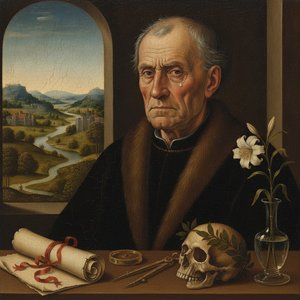
The Northern Renaissance: A Masterclass in Hyper-Realism, Oil Innovation, and Symbolic Depth
Explore the profound mastery of Northern Renaissance art. Discover the technical brilliance of Flemish oil painting, the intricate symbolism of Bosch and Bruegel, and the revolutionary realism that redefined European art history through an expert historical lens.

Giclée Prints: Archival Quality & Aesthetic Nuances for the Discerning Collector
Explore the world of giclée prints with OriginalUniqueArt. Learn about archival quality, aesthetic nuances & investment potential. Expert guidance for discerning art collectors seeking museum-quality reproductions and lasting value.