
 Náhľad v interiéri
 Odoslať ako digitálnu kartu
 Zdieľať
 Podrobnosti o dielo
 Príručka

 Stiahnuť obraz
 Podobné položky
 RTG skúška
 Prehliadanie diapozoje
 Q&A
Q&A Štatistiky
Malá váza


 Zobraziť viac
Giclée / Umenotlač
Giclée tlač alebo plátno múzeálnej kvality s rýchlou výrobou a rôznymi možnosťami povrchovej úpravy. ( Kúpiť ručne maľovaný obraz Prepnúť na digitálny obraz)




P118B €10

P118H €10

P118W €10

P438Z €10

P508JH €12

P508YH €12

P805H €10

P805Z €10

P919BZ €10

P919G €10

P919XJ €10

P959ZH €10

P968JZ €12

W106C €8

W218G €10

W218JH €8

W218Y €10

W307PJ €10

W316G €10

W316PJ €8

W316Y €10

W398PJ €8

W4111J €10

W500HY €15

W500JH €15

W692G €12

W849H €8

W940BG €15

W953PJ €8




Vyberte si z našich preddefinovaných rozmerov, ktoré zodpovedajú pôvodným pomeroḿ diela.

Zadajte šírku a výšku, ktoré potrebujete, aby sa reprodukcia hodila k vášmu rámu alebo stene. Print možno len orezávať, nikdy však nemennú veľkosť zvětšiť oproti pôvodnému obrázku, preto pri inom formáte stráca časť obrazu. Pred samotným vytlačiacím procesom vám pošleme digitálny náhľad na schválenie. Obrázok zobrazený na tejto stránke nezobrazuje reálny rez — len digitálny náhľad ukazuje presný výsledok.
Celosvetová doprava () do 2 týždňov namiesto štandardných 4 až 5 týždňov. (3 november)

Bezplatná expresná doprava po celom svete

Vysokokvalitné lnianske plátno

Kompletné poistenie prepravy

Záruka vrátenia colného poplatku

Záruka presného farebného zhodnutia

100-dená politika vrátenia tovaru (iba pri vadách)

100% záruka vrátenia peňazí

Zľava pri väčšom množstve
 Možnosť skla je dostupná len pri rozmeroch pod 110 cm

Malá váza
Giclée / Umenotlač
Veľkosť reprodukcie
-


Celková cena
€ 71
Výstava umeleckého diela: Malá váza
Táto drobná váza, ktorá pripomína ovocie – pravdepodobne granátový vinič – je zdobená rozvetvenými kvietkami broskyň a zvláštnym plodom známym ako Buddha’s hand citronka. Vysoký kvalitný keramický materiál, tzv. „mäkký čierna škála“, ktorý bol vyvinutý na začiatku XVIII. storočia, predstavuje výrazné zvýšenie nákladov oproti tradičnému tvrdému čierna škála používanému pri výrobke čínskej porcelánovej keramiky. Používala sa pravdepodobne výhradne na drobné a veľmi kvalitné objekty vystavené na stolček šľachtenca.
Zdrojom informácií je Charlotte Vignonová: „Frick Collection Decorative Arts Handbook.“ New York: The Frick Collection/Scala, 2015. Táto váza je výsledkom umeleckého diela čínskej dinastie Qing a jej dekorácia odráža bohatstvo kultúry tej doby.
- Výška vázy: Nieznáma
- Rok výroby: 1700
- Umelecký štýl: Tradície čínskej keramickej výzdoby
- Použitý materiál: Mäkká škála – kvalitná keramika
Technika Výrody
Výroba tejto vázy bola veľmi náročná a vyžadovala odborné znalosti. Používala sa tzv. „mäkká škála“, ktorá bola výrazne drahšia ako tvrdý čierna škála používaný pri výrobke čínskej porcelánovej keramiky. Táto technika zahŕňa aplikáciu oxidu kobaltového pigmentu na vypálenú keramiku ešte pred nanášaním glazúry a následné jej znovu vypálenie pri nižšej teplote, aby sa zabezpečila pevnosť výzdoby.
Symbolizmus Dekorácie
Výzdoba vázy – kvietky broskyň a Buddha’s hand citronka – nesú bohatý symbolický význam v čínskej kultúre. Broskyne predstavujú dlhovekosť, prosperitu a šťastie, čo je potvrdené mnohými tradičnými kresťanskými hodnotami. Buddha’s hand citronka zase symbolizuje čistotu, pokoj a dobré zdravie – prvky, ktoré sú veľmi dôležité v čínskom filozofickom myslení.
Výrazná Farba a Kompozícia
Dominantnými farbami výzdoby vázy sú bielosť a modrá. Celá váza je vyrobená z čistého bielej keramiky, pričom komplexné kvietkové vzory sú vyrezávané intenzívnym kobaltovým azúrovým pigmentom. Táto kombinácia farieb vytvára klasický vzhľad čínskej porcelánovej keramiky a prispieva k celkovému estetickému dojmu diela.
Otázky a odpovede
Akým množstvom svetla sa zdá odrážať farby diela „Malá váza"]?
Dielo „Malá váza“ od Qing Dynasty má luminanciu na úrovni Mäkký tieň. Luminancia určuje, koľko svetla sa farbám podmieňuje odrážať.
Aký emocionálny tón má dielo „Malá váza“ od Qing Dynasty?
„Malá váza“ je spojené s Pokojný pocitom. Emocionálny tón opisuje dojem, ktorý toto dielo vyvoláva.
Patrí dielo „Malá váza“ od Qing Dynasty medzi svetlé alebo tmavé?
Zaznamenané hodnoty pre „Malá váza“ od Qing Dynasty sú: jas vyvážená, luminancia Mäkký tieň.
Biografia umelca
A Legacy of Imperial Art: The Grandeur of the Qing Dynasty
The Qing Dynasty (1644–1912), often referred to as the Great Qing, represents one of the most profound and visually spectacular chapters in the long tapestry of Chinese history. It was an era defined by a complex synthesis of Manchu ambition and the deep-rooted traditions of Han Chinese culture. Emerging from the turbulent collapse of the Ming Dynasty, the Manchus established a new imperial order centered in Beijing, creating a period of unprecedented cultural production that would eventually leave an indelible mark on the global perception of Chinese aesthetics. This was not merely a time of political consolidation but a golden age of artistic innovation, where the boundaries between decorative splendor and fine art often blurred into a single, magnificent expression of imperial power.
The artistic foundations of this era were built upon a meticulous reverence for the past, yet they were simultaneously propelled by a spirit of adaptation. Early Qing painters, many of whom served within the prestigious Imperial Court, drew their strength from the classical techniques perfected during the preceding Ming period. They mastered the delicate balance of brushwork, color palettes, and compositional principles rooted in Daoist philosophy and Confucian ideals of harmony. As the dynasty progressed, the influence of Zen Buddhism introduced a new layer of emotional depth to the canvas, encouraging artists to capture the spontaneous essence of nature through the Xieyi style—a method that prioritized the "spirit" of the subject over mere anatomical or botanical accuracy.
The Mastery of Detail and the Brilliance of Porcelain
One of the most enduring legacies of the Qing era lies in the breathtaking precision of the Gongbi painting style. This meticulous approach to art demanded extraordinary patience and technical skill, as painters employed layered brushstrokes and vibrant pigments to achieve a level of realism that felt almost luminous. Artists such as Tingqua became renowned for these highly detailed works, which often featured delicate flora and fauna rendered with such clarity that they became sought-after treasures in Western collections. This period saw the artist's hand working in perfect concert with nature, capturing every nuance of texture, from the softest petal to the ruggedness of ancient stone.
Beyond the realm of paper and silk, the Qing Dynasty achieved a zenith in the production of ceramics that remains unsurpassed. The imperial porcelain capital of Jingdezhen became a crucible of innovation, producing vessels that were as much sculptural masterpieces as they were functional objects. During the Kangxi reign (1662–1722), the creation of magnificent blue and gold wares showcased a sophisticated palette that evoked both tranquility and luxury. The introduction of "soft paste" techniques around 1700 AD allowed for even more daring and intricate designs, embodying the era's characteristic blend of technical experimentation and refined elegance.
Cultural Synthesis and Historical Significance
The significance of Qing Dynasty art extends far beyond its aesthetic beauty; it serves as a vital historical record of a changing world. The era witnessed a fascinating dialogue between traditional Chinese values and burgeoning Western influences, particularly through the flourishing of export paintings that catered to a global market. This period of intense cultural production reflected the empire's vast territorial reach—stretching from the Sea of Japan to the Pamir Mountains—and its ability to absorb diverse influences into a cohesive imperial identity.
As the dynasty approached its twilight in the early 20th century, the art continued to evolve, reflecting the social shifts and the eventual transition toward the Republic of China. The works produced during this time remain essential for understanding the evolution of East Asian aesthetics. Whether through the monumental landscapes that spoke of eternal order or the delicate porcelain that whispered of imperial grace, the art of the Great Qing remains a testament to a civilization at its most visually opulent and culturally complex.

Qing Dynasty
1644 - 1911 , China
Základné informácie
- Full Name: qing dynasty
- Nationality: Chinese
- Date Of Birth: 1644
- Date Of Death: 1911
- Place Of Birth: China
- Notable Artworks: ['Pheasants and blue magpie']
- Artistic Movement Or Style: Gongbi & Xieyi Painting
- Artists Or Movements Influenced By This Artist: ['Kunqu Opera']
Súvisiace články
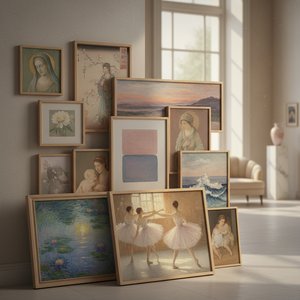
Top 10 diel s jemnou farebnosťou: Umění pre váš domov od OriginalUniqueArt.com
Objavte 10 ikonických diel s jemnou farebnosťou od Monet, Renoir a ďalších majstrov. Prežite príbeh umenia plný pastelových tónov a pokojnej atmosféry. Kvalitné reprodukcie na OriginalUniqueArt.com – pre váš domov!

Soft Minimalism Trend Forecast: Elevating Modern Interiors with High-Impact, Serene Design
Master the Soft Minimalism trend with our expert design forecast. Discover how to elevate your space using textured neutrals, abstract art, and high-impact geometric forms to create a serene, quiet luxury sanctuary that feels both modern and timeless.
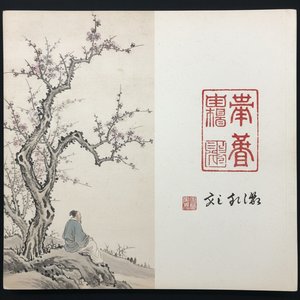
Xie Zhiliu: A Legacy of Ink Wash Painting & Modern Chinese Literati Tradition
Explore the legacy of Xie Zhiliu, a master of Chinese ink wash painting & prominent figure in modern art. Discover his techniques, influences, and contributions to literati tradition. A guide for discerning collectors.

Soft Minimalism: The Art of Serenity, Quiet Luxury, and Timeless Elegance in Interior Design
Discover the profound elegance of Soft Minimalism. Explore how texture, light, and art history converge to create serene, quiet luxury interiors through the lens of masterworks and timeless design principles.
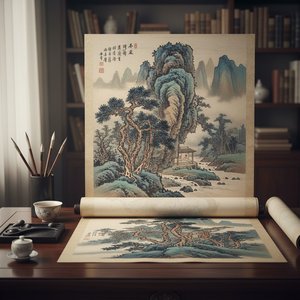
Pu Xinyu's 'Puru': A Legacy of Literati Painting & Emotional Resonance
Explore the captivating world of Pu Xinyu (Puru), the last great literati painter. Discover his imperial heritage, masterful ink wash techniques & enduring legacy – a valuable addition to any discerning art collection.
