
 Náhľad v interiéri
 Odoslať ako digitálnu kartu
 Zdieľať
 Podrobnosti o dielo
 Príručka

 Stiahnuť obraz
 Podobné položky
 RTG skúška
 Prehliadanie diapozoje
 Q&A
Q&A Štatistiky
Achilles and the Centaur Chiron

- 159.0 x 127.0 cm


 Zobraziť viac
Giclée / Umenotlač
Giclée tlač alebo plátno múzeálnej kvality s rýchlou výrobou a rôznymi možnosťami povrchovej úpravy. ( Kúpiť ručne maľovaný obraz Prepnúť na digitálny obraz)




P118B €10

P118H €10

P118W €10

P438Z €10

P508JH €12

P508YH €12

P805H €10

P805Z €10

P919BZ €10

P919G €10

P919XJ €10

P959ZH €10

P968JZ €12

W106C €8

W218G €10

W218JH €8

W218Y €10

W307PJ €10

W316G €10

W316PJ €8

W316Y €10

W398PJ €8

W4111J €10

W500HY €15

W500JH €15

W692G €12

W849H €8

W940BG €15

W953PJ €8




Vyberte si z našich preddefinovaných rozmerov, ktoré zodpovedajú pôvodným pomeroḿ diela.

Zadajte šírku a výšku, ktoré potrebujete, aby sa reprodukcia hodila k vášmu rámu alebo stene. Print možno len orezávať, nikdy však nemennú veľkosť zvětšiť oproti pôvodnému obrázku, preto pri inom formáte stráca časť obrazu. Pred samotným vytlačiacím procesom vám pošleme digitálny náhľad na schválenie. Obrázok zobrazený na tejto stránke nezobrazuje reálny rez — len digitálny náhľad ukazuje presný výsledok.
Celosvetová doprava () do 2 týždňov namiesto štandardných 4 až 5 týždňov. (2 november)

Bezplatná expresná doprava po celom svete

Vysokokvalitné lnianske plátno

Kompletné poistenie prepravy

Záruka vrátenia colného poplatku

Záruka presného farebného zhodnutia

100-dená politika vrátenia tovaru (iba pri vadách)

100% záruka vrátenia peňazí

Zľava pri väčšom množstve
 Možnosť skla je dostupná len pri rozmeroch pod 110 cm

Achilles and the Centaur Chiron
Giclée / Umenotlač
Veľkosť reprodukcie
-


Celková cena
€ 71
Pompeo Batoni’s “Achilles and the Centaur Chiron”: A Masterpiece of Baroque Narrative
Pompeo Batoni's "Achilles and the Centaur Chiron," painted in 1746, is more than just a depiction of a classical myth; it’s a profound meditation on mentorship, transformation, and the delicate balance between savagery and civilization. This monumental canvas, now housed within the Galleria degli Uffizi in Florence, immediately captivates with its dramatic lighting, rich textures, and meticulously rendered figures – hallmarks of Batoni's signature Baroque style. The scene unfolds with a palpable sense of intimacy as the young Achilles, barely a man, receives instruction from Chiron, the renowned centaur tutor, a figure steeped in both wisdom and wildness.
Batoni’s artistic approach is deeply rooted in the traditions of Bolognese Classicism, yet he skillfully infuses it with the dynamism and emotional intensity characteristic of the late Baroque. He draws inspiration from Raphael's balanced compositions and Poussin’s masterful use of light and shadow, but elevates them through a heightened sense of theatricality. The painting isn’t merely illustrating a story; it’s actively *performing* it – a carefully orchestrated tableau designed to evoke both wonder and contemplation.
The Symbolism of the Encounter
The central relationship between Achilles and Chiron is laden with symbolic weight. Chiron represents the crucible of transformation, the place where raw potential is honed into refined skill. The centaur’s role as a teacher—a figure often associated with wilderness and instinct—contrasts sharply with Achilles' burgeoning humanity. Batoni subtly emphasizes this duality through the composition: Chiron, despite his animalistic features, possesses an air of serene authority, while Achilles embodies youthful eagerness and vulnerability. The woman standing between them, shrouded in mystery, is believed to be Thetis, Achilles’ mother, acting as a witness to this pivotal moment.
Notably, the lyre that Chiron plays isn't simply an instrument; it symbolizes Apollo, the god of music and healing—a direct link to Chiron’s divine lineage. The act of teaching through music suggests a deeper connection between knowledge, harmony, and the cultivation of virtue. The arrow visible in the upper right corner could represent both Achilles’ future as a warrior and the potential for violence inherent within him – a reminder that even the most noble heroes are shaped by their experiences.
Technique and Artistic Detail
Batoni's technical mastery is immediately apparent in the painting’s exquisite detail. The fabrics of the figures—Achilles’ tunic, Chiron’s cloak—are rendered with astonishing realism, showcasing a deep understanding of texture and drapery. The artist employs *chiaroscuro* – the dramatic contrast between light and shadow – to create a sense of depth and volume, drawing the viewer's eye into the scene. The warm, golden hues of the lighting bathe the figures in an ethereal glow, enhancing their emotional impact.
Furthermore, Batoni’s use of color is particularly noteworthy. He employs a rich palette of reds, blues, and browns to create a sense of warmth and vitality. The subtle variations in tone contribute to the painting's overall harmony and visual appeal. The meticulous attention to detail extends to the background—the ancient tree, the distant landscape—which serves as a carefully constructed stage for this dramatic encounter.
A Legacy of Grandeur
"Achilles and the Centaur Chiron" stands as a testament to Batoni’s artistic genius and his ability to seamlessly blend classical ideals with Baroque drama. It's a painting that continues to resonate with viewers centuries after its creation, inviting us to contemplate themes of mentorship, transformation, and the enduring power of myth. Reproductions of this masterpiece offer an opportunity to bring this captivating scene into any space, imbuing it with a sense of history, grandeur, and timeless beauty.
Otázky a odpovede
Patrí dielo „Achilles and the Centaur Chiron“ od Pompeo Batoni medzi svetlé alebo tmavé?
Jasnosť diela „Achilles and the Centaur Chiron“ od Pompeo Batoni je zaznamenaná ako deep_shadow pri luminancii Dark.
Akým mierou sú farby diela „Achilles and the Centaur Chiron“ od Pompeo Batoni harmonické?
Farby diela „Achilles and the Centaur Chiron“ od Pompeo Batoni vykazujú Strong Color Unity harmóniu. Harmónia popisuje vzájomný vzťah medzi farbami.
Aká je technika a dátum vytvorenia diela „Achilles and the Centaur Chiron“ od Pompeo Batoni?
Technikou diela „Achilles and the Centaur Chiron“ od Pompeo Batoni je Oil On Canvas a vzniklo v roku 1746.
Biografia umelca
Raný život a vzdelanie
- Narodený: Lucca, Taliansko (1708)
- Zomrel: 1787
- Pompeo Batoni sa v roku 1727 presťahoval do Ríma.
- Učil sa u Agostina Masucciho, Sebastiana Conca a prípadne u Francesca Imperialiho.
- Jeho prvá samostatná objednávka prišla v dôsledku dažďov, ktoré zasiahli Rím v apríli 1732.
- Obraz „Extáza svätej Kataríny Siene“ ilustruje jeho akademickú vyvinutosť neskorobarokového štýlu.
Umenlecký štýl a vplyvy
- Batoniho štýl čerpal inšpiráciu z klasickej antiky, francúzskeho rokoka, bolonského klasicizmu a umelcov ako Nicolas Poussin, Claude Lorrain, a najmä Raphael.
- Je považovaný za predchádzajúceho tvorca neoklasicizmu.
- Jeho diela možno nájsť vo berbagaich múzeách, vrátane Pinacoteca di Brera v Miláne, Taliansko.
Významné diela a mandáty
- Panna mária s dieťaťom a svätými
- Rytier v Ríme: Charles Cecil Roberts – Slávny portrét britského cestovateľa zasadený do pozadia rímskych ruín.
- Triumf Benátok
- Početné oltáre pre talianske kostoly, ako napríklad v Duomo v Siene.
- Mal vysokú dopyt po portrétoch, najmä u britských cestovateľov počas „Grand Tour“, ktorí si nechávali vytvárať portréty v antickom prostredí.
Vývoj a historický význam
- Batoni sa stal veľmi módnym maliarom v Ríme po tom, čo jeho rival, Anton Raphael Mengs, v roku 1761 odišiel do Španielska.
- Nadviazal priateľstvo s Winckelmannom a snažil sa v svojej tvorbe uvozbniť klasicizmus.
- Jeho portréty zachytili ducha éry Grand Tour, odrážajúc fascináciu klasickou antikou medzi európskou elitou.
- Batoniho schopnosť skombinovať barokné techniky s rodiacimi sa neoklasicistickými ideálmi ho umiestnila ako prechodnú postavu v histócii talianskeho umenia.
Odkaz
- Pompeo Batoni zomrel 4. februára 1787 v Ríme.
- Zanechal po sebe odkaz jedného z najslávnejších talianskych maliarov svojej doby.
- Jeho diela sú aj dnes obdivované pre ich technickú zručnosť, elegantné kompozície a hlboké zobrazenie jednotlivcov v ich historickom kontexte.

Pompeo Batoni
1708 - 1787 , Taliansko
Základné informácie
- Artistic Movement Or Style: Neoklasicizmus
- Artists Who Influenced This Artist:
- Nicolas Poussin
- Claude Lorrain
- Raphael
- Date Of Birth: 1708
- Date Of Death: 1787
- Full Name: Pompeo Batoni
- Nationality: Taliansky
- Notable Artworks:
- Panna máti s Dieťaťom a svätými
- Rytier v Ríme
- Triumf Benát
- Mária s Dieťaťom a svätými
- Place Of Birth (City And Country): Lucca, Taliansko
Súvisiace články

Baroková Dráma: Umenie, ktoré prináša nádheru do domova
Objavte nádheru barokového štýlu! Spoznajte jeho históriu, kľúčové prvky a inšpirujte sa tipmi pre váš domov. Kvalitné reprodukcie diel od .

Top 10 majstrovských diel baroka: Umění a dekor pre váš domov
Ponorte sa do sveta baroka! Objavte top 10 majstrovských diel od Caravaggia, Rembrandta a ďalších slávnych maliarov. Reprodukcie obrazov pre luxusný dekor vášho domova na OriginalUniqueArt.com.

The Dramatic Flourish: Exploring the Baroque Movement's Enduring Legacy in Art History
Explore the dramatic world of Baroque art! Discover iconic artists like Caravaggio & Rubens, defining techniques, and its lasting impact on art history. Expert insights for collectors & enthusiasts at OriginalUniqueArt.

The Visceral Stage: Exploring Dramatic Narratives & Emotional Intensity in Baroque Art
Explore the dramatic world of Baroque art! Discover iconic masters like Caravaggio & Rembrandt, their techniques, and the movement's lasting impact. Expert insights for collectors & enthusiasts at OriginalUniqueArt.
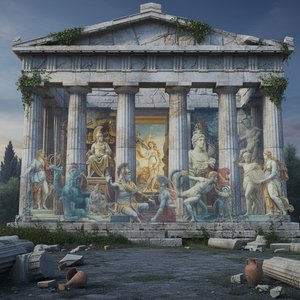
Echoes of Olympus: Mythological Narratives in Western Art Through the Ages
Explore the captivating history of mythological narratives in Western art! From ancient Greece to modern masterpieces, discover iconic artworks & symbolism. Expert analysis and high-quality reproductions at OriginalUniqueArt.
