

 Zobraziť v interiéri
 Odoslať
 Zdieľať
 Podrobnosti
 Príručka

 Stiahnuť
 Podobné položky
 RTG skúška
 Prehliadanie diapo\]
 Štatistiky
Deux Children Sitting,


 Prečítať si viac
Giclée / Umenotlač
Giclée tlač alebo plátno múzeálnej kvality s rýchlou výrobou a rôznymi možnosťami povrchovej úpravy. ( Objednať ručne maľovanú reprodukciu Prepnúť na digitálnu verziu obrazu)




P118B €10

P118H €10

P118W €10

P438Z €10

P508JH €12

P508YH €12

P805H €10

P805Z €10

P919BZ €10

P919G €10

P919XJ €10

P959ZH €10

P968JZ €12

W106C €8

W218G €10

W218JH €8

W218Y €10

W307PJ €10

W316G €10

W316PJ €8

W316Y €10

W398PJ €8

W4111J €10

W500HY €15

W500JH €15

W692G €12

W849H €8

W940BG €15

W953PJ €8




Vyberte si z našich preddefinovaných rozmerov, ktoré zodpovedajú pôvodným pomeroḿ diela.

Zadajte šírku a výšku, ktoré potrebujete, aby sa reprodukcia hodila k vášmu rámu alebo stene. Print možno len orezávať, nikdy však nemennú veľkosť zvětšiť oproti pôvodnému obrázku, preto pri inom formáte stráca časť obrazu. Pred samotným vytlačiacím procesom vám pošleme digitálny náhľad na schválenie. Obrázok zobrazený na tejto stránke nezobrazuje reálny rez — len digitálny náhľad ukazuje presný výsledok.
Celosvetová doprava () do 2 týždňov namiesto štandardných 4 až 5 týždňov. (23 október)

Bezplatná expresná doprava po celom svete

Vysokokvalitné lnianske plátno

Úplné poistenie prepravy

Záruka vrátenia colného poplatku

Záruka presného farebného zhodnutia

100-dená politika vrátenia tovaru (iba pri vadách)

100% záruka vrátenia peňazí

Ponuka množstevnej zľavy
 Možnosť skla je dostupná len pri rozmeroch pod 110 cm

Deux Children Sitting,
Giclée / Umenotlač
Veľkosť reprodukcie
-


Celková cena
€ 70
The Enigmatic Grace of Pinturicchio: A Renaissance Master
Bernardino di Betto, universally known as Pinturicchio – a nickname affectionately bestowed upon him for his diminutive stature – stands as a captivating figure within the vibrant tapestry of 15th-century Italian art. Born in Perugia in 1454, Pinturicchio’s life unfolded during a period of profound artistic transformation, the High Renaissance blossoming across Italy while he carved out a unique and enduring legacy. Unlike the monumental ambition of giants like Leonardo da Vinci or the dramatic realism of Michelangelo, Pinturicchio cultivated a style defined by refined grace, intricate detail, and a luminous, decorative sensibility – a testament to his exceptional skill in transforming established forms into something uniquely captivating.
His early training remains somewhat shrouded in mystery, likely nurtured within the workshops of lesser-known Perugian painters. However, it’s clear that Pinturicchio absorbed the essence of the Umbrian School of Painting, inheriting its characteristic elegance and a deep appreciation for color. This foundation would later inform his work across various commissions, from the opulent Borgia Apartments in Rome to the serene beauty of the Piccolomini Library in Siena. His career wasn’t one of revolutionary upheaval, but rather a meticulous refinement – a testament to his mastery of technique and his ability to imbue even seemingly simple subjects with profound emotional resonance.
“Deux Children Sitting”: A Study in Innocence and Connection
"Deux Children Sitting" is a captivating depiction of two young children nestled together on the ground, their hands clasped in a gesture of quiet contemplation. Painted in 1513 by Pinturicchio, this work transcends mere representation; it’s an exploration of innocence, vulnerability, and the profound connection between human beings. The scene unfolds with remarkable intimacy – the children are positioned close to one another, bathed in soft light that suggests a timeless serenity. Their nakedness is not presented as provocative but rather as a symbol of purity and unburdened joy, highlighting their inherent beauty and innocence.
The composition itself is remarkably balanced, with the figures occupying the central space and creating a sense of harmonious unity. The surrounding details – the scattered smaller figures, the suggestion of a landscape beyond – contribute to a feeling of quiet contemplation and invite the viewer to share in the children’s peaceful moment. Pinturicchio's masterful use of color—muted earth tones punctuated by subtle highlights—further enhances the work’s sense of tranquility and understated beauty.
A Master at Work: Technique and Context
Pinturicchio was renowned for his meticulous technique, a hallmark of his style. He employed tempera on panel, a medium that allowed him to achieve remarkable detail and luminosity. His brushwork is incredibly delicate, with subtle gradations of color creating a sense of depth and texture. The artist’s attention to anatomical accuracy is evident in the children's forms, yet he avoids the rigid formality often associated with Renaissance portraiture, instead favoring a more fluid and expressive approach.
Furthermore, understanding Pinturicchio requires acknowledging his historical context. He worked during a period of immense artistic innovation, influenced by Perugino, Luca Signorelli, and other masters of the Umbrian School. Yet, he maintained a distinct voice, prioritizing grace and decorative elegance over dramatic grandeur. His work reflects the humanist ideals of the Renaissance, celebrating human beauty and fostering a sense of connection between individuals and the natural world.
Rediscovering Pinturicchio: Reproductions for Today
Today, “Deux Children Sitting” is available as a stunning hand-painted reproduction by OriginalUniqueArt.com, offering art lovers the opportunity to bring this timeless masterpiece into their homes or offices. The meticulous attention to detail and vibrant colors of the original are faithfully reproduced using traditional techniques, ensuring that every piece captures the essence of Pinturicchio’s artistic vision. Whether you're an admirer of Renaissance art, a collector seeking unique pieces, or simply someone who appreciates beauty and tranquility, this reproduction offers a captivating glimpse into the world of one of Italy’s most enigmatic masters.
Otázky a odpovede
Patrí dielo „Deux Children Sitting,“ od Pinturicchio do verejnej vlastnícky sféry a prečo?
Autorské práva k dielu „Deux Children Sitting,“ – v verejnom vlastníctve – autorské práva vypršali – vyplývajú zo smrti umelca v roku 1513.
Akú veľkosť by som mal pre svoju miestnosť vytlačiť pri diele "Deux Children Sitting,"?
V miestnosti typu Living Room sa pre dielo „Deux Children Sitting,“ odporúča veľkosť tlače Medium.
Akú luminanciu má „Deux Children Sitting,“ od Pinturicchio?
Dielo „Deux Children Sitting,“ od Pinturicchio má luminanciu na úrovni Gentle Luminance. Luminancia popisuje, koľko svetla sa zdá byť odrážané farebnými tónmi.
Biografia umelca
Bernardino di Betto, Known as Pinturicchio
Bernardino di Betto, known to the world as Pinturicchio – a nickname affectionately bestowed upon him for his diminutive stature – emerged from the artistic heartland of Perugia in 1454. His life unfolded during a period of immense cultural ferment, the High Renaissance blossoming across Italy, yet Pinturicchio carved out a unique path, one that blended the lingering elegance of Gothic traditions with the burgeoning innovations of the era. While giants like Leonardo da Vinci and Michelangelo strove for anatomical perfection and dramatic realism, Pinturicchio cultivated a style characterized by refined grace, intricate detail, and a vibrant, decorative sensibility. His journey wasn’t one of revolutionary upheaval, but rather of exquisite refinement – a testament to his skill in transforming established forms into something uniquely captivating.From Umbrian Workshops to Papal Commissions
Pinturicchio's early training remains somewhat shrouded in mystery, though it is believed he honed his skills under the guidance of lesser-known Perugian masters like Bonfigli and Fiorenzo di Lorenzo. A pivotal moment arrived when he entered the orbit of Pietro Perugino, a leading figure of the Umbrian school. According to Giorgio Vasari, Pinturicchio served as an assistant to Perugino, a collaboration that undoubtedly shaped his artistic development. This connection proved crucial in securing a commission for the Sistine Chapel in Rome during the early 16th century. Working alongside some of the most celebrated artists of the time – Botticelli, Ghirlandaio, and Signorelli among them – Pinturicchio contributed to this monumental project, though sadly his frescoes were later destroyed to make way for Michelangelo’s *Last Judgement*. This experience, however, served as a crucial stepping stone, exposing him to new influences and solidifying his reputation.A Prolific Period: Rome and the Borgia Apartments
The years between 1484 and 1492 marked a period of intense productivity for Pinturicchio, primarily centered in Rome. He received commissions from prominent families like the Della Rovere, adorning chapels within the church of Santa Maria del Popolo with his distinctive style. These works showcased his mastery of fresco technique, characterized by delicate figures, richly ornamented backgrounds, and a penchant for intricate decorative motifs. However, it was his work for Pope Alexander VI – Rodrigo Borgia – that truly cemented his place in art history. Commissioned to decorate the Borgia Apartments within the Vatican Palace between 1492 and 1494, Pinturicchio created a suite of rooms lavishly adorned with frescoes depicting mythological scenes, portraits, and allegorical representations. These apartments, though controversial due to their association with the infamous Borgia family, stand as a remarkable example of Renaissance decorative art, revealing Pinturicchio’s ability to blend classical motifs with his own unique aesthetic sensibility. The use of gold leaf, vibrant colors, and illusionistic techniques created an atmosphere of opulent splendor, reflecting the power and ambition of the papal court.Legacy and Enduring Influence
Pinturicchio's artistic legacy is one of refined elegance and meticulous craftsmanship. While he may not have possessed the same level of fame as some of his contemporaries, his influence on subsequent generations of artists is undeniable. His unique style – a harmonious blend of Gothic grace and Renaissance innovation – resonated with those who appreciated subtlety and detail. He demonstrated an exceptional ability to create visually stunning compositions that were both aesthetically pleasing and intellectually stimulating. His work in the Piccolomini Library in Siena, completed shortly before his death in 1513, stands as a testament to his enduring talent. The frescoes depicting scenes from the life of Pope Pius II showcase a clarity of form and color that foreshadows the High Renaissance style. Pinturicchio’s art continues to captivate viewers today, offering a glimpse into a world of beauty, refinement, and artistic mastery – a world where the delicate touch of a “little painter” left an indelible mark on the landscape of Italian Renaissance art.- Notable Works: Frescoes in the Sistine Chapel (destroyed), Borgia Apartments in the Vatican, Piccolomini Library in Siena.
- Influences: Perugino, Umbrian School of Painting, Gothic traditions.
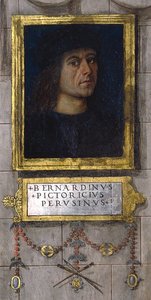
Pinturicchio
1454 - 1513 , Taliansko
Rýchle fakty
- Artistic Movement Or Style: Renaissance
- Artists Or Movements Influenced By This Artist: ['Raphael']
- Artists Who Influenced This Artist:
- Perugino
- Bonfigli
- Fiorenzo di Lorenzo
- Date Of Birth: 1454 Perugia
- Date Of Death: 1513 Siena
- Full Name: Bernardino di Betto
- Nationality: Italian
- Notable Artworks:
- Sistine Chapel frescoes
- Borgia Apartments decor.
- Saint Augustine
- Place Of Birth: Perugia Italy
Súvisiace články

Freska ako rodinné dedičstvo: Zachovajte svoj pôvod v obrazoch na stenách
Objavte silu fresiek ako rodinného dedičstva! Ponúkame kvalitné reprodukcie a originálne maľby na mieru. Prepojte svoju históriu s umením a vytvorte jedinečný interiér.

The Enduring Legacy of Fresco: Technique, History & Artistic Expression Across Cultures
Explore the rich history & enduring legacy of fresco painting! Discover ancient techniques, Giotto's masterpieces, and modern applications. Expert insights for art lovers & professionals.

The Enduring Legacy of Fresco Painting: Techniques, History & Contemporary Relevance
Explore the rich history & enduring artistry of fresco painting – from Giotto to Michelangelo! Discover techniques, conservation efforts, & modern applications. Learn how OriginalUniqueArt brings this timeless art form to your home.

The Enduring Legacy of Fresco: Technique, History & Artistic Expression
Explore the rich history & enduring artistry of fresco painting. Discover techniques from Giotto to Michelangelo, conservation efforts, & modern applications. Learn how OriginalUniqueArt brings this timeless art form to your home.
Art That Lives With You: The Emotional Power of a Custom Interior Fresco
Discover the emotional power & timeless beauty of custom interior frescoes. Explore history, design tips & expert guidance from – creating lasting legacies.