

 Zobraziť v interiéri
 Odoslať
 Zdieľať
 Podrobnosti
 Príručka

 Stiahnuť
 Podobné položky
 RTG skúška
 Prehliadanie diapo\]
 Štatistiky
The Soothsayer
 Oil
Oil- WallArt
- Rococo
 1750
1750- Early Modern
 60.0 x 48.0 cm
 Galérie dell’Accademia
 Prečítať si viac
Ručne maľovaná olejová reprodukcia
Ručne maľovaný olej na plátne vo vašej zvolenej veľkosti a v ráme, vyrobený na mieru našimi umelcami. ( Prepnúť na tlač Prepnúť na digitálnu verziu obrazu)




P118B €10

P118H €10

P118W €10

P438Z €10

P508JH €12

P508YH €12

P805H €10

P805Z €10

P919BZ €10

P919G €10

P919XJ €10

P959ZH €10

P968JZ €12

W106C €8

W218G €10

W218JH €8

W218Y €10

W307PJ €10

W316G €10

W316PJ €8

W316Y €10

W398PJ €8

W4111J €10

W500HY €15

W500JH €15

W692G €12

W849H €8

W940BG €15

W953PJ €8




Vyberte si z našich preddefinovaných rozmerov, ktoré zodpovedajú pôvodným pomeroḿ diela.

Zadajte šírku a výšku, ktoré potrebujete, aby sa dielo hodilo k vášmu rámu alebo stene. Keďže ide o ručnú maľbu, pri rozmeroch s odlišným pomerom strán môže umelec namalovať o niečo viac okolo obrázka alebo ho mierne orezatú — výber patrí vám. Pred začatím maľovania vám pošleme digitálnu ukážku na schválenie. Obrázok zobrazený na tejto stránke nenahrádza reálny výsledok — ten zobrazuje iba digitálna ukážka.
Po odoslaní objednávky vám tím OriginalUniqueArt.com pošle e-mail s pokynmi a poskytne náhľad na návrh
Celosvetová doprava () za 3 až 4 týždne namiesto štandardných 5 týždňov. (25 október). Bez kompromisov v kvalite.

Bezplatná expresná doprava po celom svete

Vysokokvalitné lnianske plátno

Úplné poistenie prepravy

Záruka vrátenia colného poplatku

Záruka presného farebného zhodnutia

100-dená politika vrátenia tovaru (iba pri vadách)

100% záruka vrátenia peňazí

Ponuka množstevnej zľavy
 Možnosť skla je dostupná len pri rozmeroch pod 110 cm

The Soothsayer
Spôsob reprodukcie
Veľkosť reprodukcie
-


Celková cena
€ 263
A Glimpse into Venetian Intrigue
In the heart of eighteenth-century Venice, where the mist of the canals meets the gilded splendor of aristocratic salons, Pietro Longhi captured the fleeting moments of human connection. His masterpiece, The Soothsayer, serves as a captivating window into a world of mystery and social performance. The painting presents us with a central figure, a man commanding the attention of a gathered crowd, his hand gripping a microphone—a curious, anachronistic element that invites the viewer to contemplate the intersection of prophecy and public spectacle. As he stands upon a stage, the energy of the room vibrates around him, pulling the observer into a lively gathering where every face tells a story of curiosity, skepticism, or quiet anticipation.
Longhi, often celebrated as the chronicler of Venetian daily life, eschews the grandiosity of mythological epics to focus on the intimate and the anecdotal. In this work, the composition is masterfully balanced, with nine figures scattered across the scene like notes in a visual symphony. Some lean in, drawn by the magnetism of the speaker, while others linger at the periphery, creating a sense of depth and movement. Even the presence of a small dog near the base of the frame adds a touch of domestic realism, grounding the theatricality of the event in the tangible reality of 1750s life.
Technique and the Art of Observation
The brilliance of Longhi’s technique lies in his ability to render light and texture with a subtle, painterly grace. Through delicate brushwork, he captures the sheen of silk, the soft glow of candlelight, and the varied expressions of his subjects. The artist utilizes a palette that reflects the sophisticated atmosphere of the era, employing warm tones that evoke the intimacy of an indoor salon. His mastery of genre painting allows him to transform a simple social gathering into a complex psychological study, where the interplay of light and shadow heightens the drama of the central performance.
For the discerning collector or interior designer, this piece offers more than mere decoration; it provides a narrative anchor for a room. The painting’s ability to evoke a sense of historical nostalgia makes it an exquisite choice for spaces that value elegance and conversation. Whether placed in a formal study or as a focal point in a contemporary living area, The Soothsayer brings with it the sophisticated spirit of Venice, inviting guests to linger on its details and lose themselves in the whispered secrets of the past.
A Legacy of Intimate Storytelling
To possess a reproduction of this work is to hold a fragment of history. Longhi’s departure from the traditional religious and historical themes of his contemporaries allowed him to pioneer a style that feels remarkably modern in its focus on human behavior. He understood that the true drama of life is found not in the battles of gods, but in the glances exchanged between strangers and the tension held in a silent room. This painting remains a testament to his unique vision—a blend of wit, observation, and an unparalleled ability to freeze time.
Otázky a odpovede
Ako môžem objaviť diela podobné „The Soothsayer“ od Pietro Longhi?
Diela podobné dielu „The Soothsayer“ sú uvedené na stránke Podobné diela daného diela.
Zobrazuje "The Soothsayer" silné svetlo-tmavé kontrasty?
Úroveň kontrastu diela „The Soothsayer“ od Pietro Longhi je Gentle.
Kedy a v akom štýle vzniklo dielo „The Soothsayer“ od Pietro Longhi?
Dielo „The Soothsayer“ vzniklo v roku 1750 v rámci smeru Rococo. Časové určenie a umelecký smer zakotvujú toto dielo v dejinách umenia.
Biografia umelca
Pietro Longhi – Pietro Falca
Pietro Longhi, born Pietro Falca in Venice on November 5th, 1701, wasn’t painting grand historical narratives or mythological scenes; he was capturing the quiet dramas unfolding within the city's elegant homes and bustling streets. He became renowned for his witty genre paintings – intimate glimpses into the lives of 18th-century Venetians, a departure from the prevailing artistic trends of his time. The son of Alessandro Falca, a silversmith, Longhi’s early training began under the Veronese painter Antonio Balestra, who recognized and nurtured the young artist's talent. This foundation in traditional technique would later serve as a subtle counterpoint to the innovative spirit he brought to his chosen subject matter. He adopted the surname “Longhi” upon beginning his artistic career, a symbolic shedding of his father’s trade for the pursuit of painting.Early Life and Artistic Beginnings
Pietro Longhi's formative years were marked by a grounding in classical art principles. His father, Alessandro Falca, was a respected silversmith, instilling in him an appreciation for craftsmanship and meticulous detail – qualities that would permeate his artistic endeavors throughout his life. Recognizing Longhi’s innate aptitude for drawing and painting, Balestra took on the role of mentor, guiding him through the fundamentals of Venetian art tradition. This apprenticeship with Balestra proved invaluable, shaping Longhi's stylistic sensibilities and establishing a connection to the broader artistic landscape of Venice during his time. He diligently studied the works of Giuseppe Maria Crespi, another influential Bolognese painter who championed a more informal approach to composition and color—a deliberate divergence from the prevailing academic conventions.Religious Commissions and Initial Technique
Longhi’s early career was largely devoted to religious painting, reflecting the dominant artistic ethos of Venice during his era. His 1732 altarpiece for the church of San Pellegrino exemplifies Balestra's influence—characterized by broken brushwork and luminous color glazes—a hallmark of Venetian painting technique. These works demonstrate Longhi’s mastery of traditional methods, prioritizing accuracy and emotional resonance over stylistic experimentation. However, it was in the late 1730s that Longhi embarked on a transformative journey toward genre painting, responding to the burgeoning social consciousness of the time. This pivotal shift wasn't merely about altering subject matter; it represented a conscious embrace of the evolving artistic sensibilities of his contemporaries.The Birth of Venetian Genre Painting
The 18th century witnessed an unprecedented fascination with the domestic sphere and everyday life—a trend that profoundly impacted artistic production. Longhi skillfully captured this cultural preoccupation, offering viewers perspectives on Venetian society that were both charming and subtly satirical. His paintings depict scenes of aristocratic salons, bustling marketplaces, and intimate interiors—often populated by masked figures—reflecting the Carnival celebrations that captivated Venice’s elite. Unlike many of his peers who adhered to rigid academic formulas, Longhi prioritized observation and psychological insight—qualities that distinguished him as a pioneer of Venetian genre painting. His canvases are imbued with a remarkable sensitivity to nuance and detail, capturing fleeting expressions and subtle gestures—elements that convey the essence of human experience.“The Venetian Hogarth” – Observation and Social Commentary
Pietro Longhi earned the moniker “the Venetian Hogarth,” acknowledging his stylistic kinship with William Hogarth—a British painter who championed realism and social critique. Like Hogarth, Longhi eschewed grand historical narratives in favor of portraying human behavior within familiar contexts—a bold decision that challenged artistic conventions of his time. However, while Hogarth’s satire often carried moralistic undertones, Longhi's approach was more understated—characterized by gentle irony and a keen awareness of social contradictions. His paintings are populated with characters engaged in seemingly trivial activities—gambling, flirtation, clandestine meetings—yet these scenes reveal profound truths about human nature and societal dynamics. Longhi’s ability to convey these complexities is what elevates his genre paintings beyond mere visual representation into insightful explorations of the human condition. ## Notable Works and Legacy Longhi's oeuvre comprises a diverse collection of paintings that showcase his artistic versatility—ranging from monumental altarpieces to intimate portraits and captivating landscapes. Among his most celebrated works are “The Tailor,” “The Baptism,” “Painter in His Studio,” “The Concert,” “The Charlatan” and “Exhibition of a Rhinoceros.” These canvases exemplify Longhi’s meticulous technique—characterized by soft brushwork, luminous color glazes, and an unwavering commitment to capturing the subtleties of human emotion. Furthermore, Longhi served as Director of the Academy of Drawing and Carving from 1763, shaping the artistic education of future generations in Venice. His influence extended beyond his own lifetime, inspiring artists who followed him—solidifying his position as a pivotal figure in Venetian art history. Pietro Longhi died on May 8th, 1785, leaving behind a legacy that continues to resonate with admiration for its stylistic innovation and profound engagement with the human experience.
Pietro Longhi
1701 - 1785 , Taliansko
Rýchle fakty
- Artistic Movement Or Style: Venetian painting, Rococo
- Artists Or Movements Influenced By This Artist: ['William Hogarth']
- Artists Who Influenced This Artist:
- Antonio Balestra
- Giuseppe Maria Crespi
- Date Of Birth: November 5th, 1701
- Date Of Death: May 8th, 1785
- Full Name: Pietro Longhi
- Nationality: Italian
- Notable Artworks:
- The Tailor
- The Baptism
- Painter in his studio
- Place Of Birth: Venice, Italy
Súvisiace články

Pietro Longhi's Venetian Scenes: A Study of Rococo Society & Domestic Life
Explore the captivating world of Pietro Longhi's Venetian scenes! Discover insightful analysis of his Rococo masterpieces & social commentary on 18th-century life. Learn about this 'Venetian Hogarth' and his lasting artistic legacy.
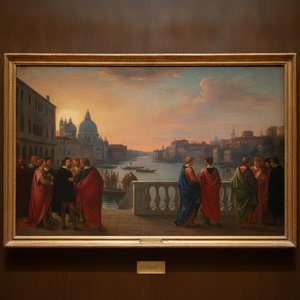
The Venetian Renaissance: A Masterclass in Colorito, Light, and the Birth of Atmospheric Brilliance
Explore the breathtaking mastery of the Venetian Renaissance. Discover how legends like Titian revolutionized art through Colorito, capturing the luminous light and vibrant pigments of the Venetian lagoon in a visual journey of unparalleled color and texture.
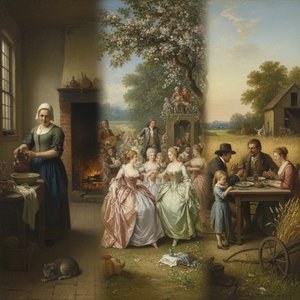
Scenes of Daily Life: A Comprehensive Exploration of Genre Painting Through History
Explore the rich history of genre painting! Discover Dutch Masters & European artists who captured everyday life with stunning realism. Learn about symbolism, techniques & lasting influence.
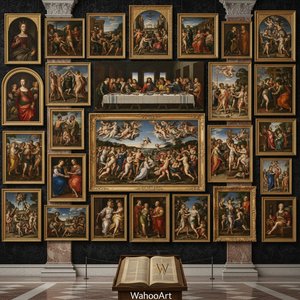
Jacopo Tintoretto: Top 25 majstrovských diel pre váš domov | OriginalUniqueArt.sk
Ponorte sa do sveta Jacopa Tintoretta a objavte jeho 25 najvýznamnejších diel. Benátska renesancia, barokové majstrovstvá a dramatické kompozície – nájdite perfektný obraz pre váš interiér na OriginalUniqueArt.com.

Venetian Renaissance: The Mastery of Color, Light, and the Art of Colorito
Explore the luminous mastery of the Venetian Renaissance. Discover how masters like Titian and Giorgione revolutionized art through colorito, light, and atmosphere. An expert guide to the golden age of Italian painting for collectors and enthusiasts.