

 Zobraziť v interiéri
 Odoslať
 Zdieľať
 Podrobnosti
 Príručka

 Stiahnuť
 Podobné položky
 RTG skúška
 Prehliadanie diapo\]
 Štatistiky
The Sagredo Family
 Oil On Canvas
- WallArt
- Rococo Painting
 1752
1752 62.0 x 51.0 cm
 Fondazione Querini Stampalia
 Prečítať si viac
Giclée / Umenotlač
Giclée tlač alebo plátno múzeálnej kvality s rýchlou výrobou a rôznymi možnosťami povrchovej úpravy. ( Objednať ručne maľovanú reprodukciu Prepnúť na digitálnu verziu obrazu)




P118B $10

P118H $10

P118W $10

P438Z $10

P508JH $12

P508YH $12

P805H $10

P805Z $10

P919BZ $10

P919G $10

P919XJ $10

P959ZH $10

P968JZ $12

W106C $8

W218G $10

W218JH $8

W218Y $10

W307PJ $10

W316G $10

W316PJ $8

W316Y $10

W398PJ $8

W4111J $10

W500HY $15

W500JH $15

W692G $12

W849H $8

W940BG $15

W953PJ $8




Vyberte si z našich preddefinovaných rozmerov, ktoré zodpovedajú pôvodným pomeroḿ diela.

Môžete zadať vlastné rozmery, aby sa reprodukcia prispôsobila konkrétnemu rámu alebo priestoru. Ak zvolená veľkosť nebude zodpovedať proporciám originálu, dielo buď orežeme, alebo obraz rozšírime pomocou zrkadlenia či farebného doplnenia okrajov. Pred začatím výroby vám pošleme digitálnu ukážku na schválenie.
Máte na vedomí, že náhľad na obrazovke neodzrkadľuje skutočné orezanie alebo rozšírenie. Len digitálna ukážka presne zobrazí finálnu kompozíciu.
Hoci sú k dispozícii vlastné rozmery, pre zachovanie pôvodných proporcií odporúčame vybrať si rozmer z vopred definovaného zoznamu.
Celosvetová doprava () do 2 týždňov namiesto štandardných 4 až 5 týždňov. (26 september)

Bezplatná expresná doprava po celom svete

Vysokokvalitné lnianske plátno

Úplné poistenie prepravy

Záruka vrátenia colného poplatku

Záruka presného farebného zhodnutia

100-dená politika vrátenia tovaru (iba pri vadách)

100% záruka vrátenia peňazí

Ponuka množstevnej zľavy
 Možnosť skla je dostupná len pri rozmeroch pod 110 cm

The Sagredo Family
Giclée / Umenotlač
Veľkosť reprodukcie
-


Celková cena
$ 80
The Sagredo Family: A Venetian Portrait of Grace and Status
Pietro Longhi’s “The Sagredo Family,” painted in 1752, is more than just a portrait; it's a meticulously crafted tableau vivant—a snapshot of aristocratic life within the opulent heart of Venice. This captivating work offers a rare glimpse into the refined world of the Sagredos, a prominent Venetian family who commissioned this intimate gathering to commemorate a significant occasion, likely a family celebration or perhaps even a milestone birthday. Longhi’s skill lies not merely in his technical mastery but in his ability to imbue the scene with an atmosphere of understated elegance and quiet dignity, hallmarks of the Rococo style that flourished during the mid-18th century.
The composition itself is remarkably balanced, drawing the eye towards the central group seated within a richly decorated interior. The family—a mother, father, children, and servants—are arranged with careful consideration, each figure contributing to the overall sense of order and formality. Notice how Longhi subtly guides our gaze through the room – from the intricately carved furniture and draped fabrics to the delicate details of the clothing, all rendered with a remarkable level of precision. The inclusion of a male servant presenting a tray adds a touch of domesticity, grounding the scene in everyday life while simultaneously reinforcing the family’s status.
A Symphony of Color and Light
Longhi's palette is deliberately restrained, leaning towards muted blues, creamy whites, and warm browns—a characteristic of Venetian painting at this time. These cool tones are expertly blended to create a sense of depth and atmosphere, while the subtle gradations in color suggest the luxurious textures of silk, velvet, and brocade. The diffused lighting, carefully considered by Longhi, eliminates harsh shadows, bathing the scene in an even glow that enhances the figures’ features and highlights the richness of their attire. The artist masterfully employs light to create a sense of intimacy and warmth within the formal setting.
Technically, “The Sagredo Family” is a testament to Longhi's skill as a portraitist. His brushwork is smooth and refined, particularly evident in the rendering of fabrics—the folds of the dresses, the sheen of the velvet cushions, and the delicate embroidery on the clothing are all depicted with exquisite detail. The artist’s meticulous attention to surface texture adds a remarkable tactile quality to the painting, inviting the viewer to almost reach out and touch the luxurious materials.
Historical Context: Venetian Rococo at its Finest
“The Sagredo Family” is firmly rooted in the Venetian Rococo style, a movement that emerged from the Baroque tradition and embraced themes of elegance, grace, and intimacy. Venice during this period was experiencing a golden age of artistic innovation, fueled by wealth generated from trade and maritime power. The city’s aristocratic families—such as the Sagredos—were eager to display their status through lavish interiors and commissioned works of art that reflected their refined tastes. Longhi's work perfectly captures this spirit of the era, offering a window into the social customs and artistic sensibilities of 18th-century Venice.
It’s important to note that Longhi’s approach differed from some of his contemporaries. While other Venetian painters often depicted grand historical scenes or mythological narratives, Longhi focused on capturing the everyday lives of Venetians—a departure that earned him the moniker “Venetian Hogarth.” His genre paintings offer a remarkably intimate and honest portrayal of bourgeois society, revealing both its beauty and its complexities.
Symbolism and Emotional Resonance
Beyond its technical brilliance, “The Sagredo Family” is rich in symbolism. The formal attire worn by the family members—particularly the elaborate gowns and richly embroidered jackets—serves as a clear indicator of their wealth and status. The carefully posed arrangement of figures conveys a sense of familial unity and harmony, while the inclusion of the servant subtly reinforces the social hierarchy within the household. The painting’s overall mood is one of quiet dignity and understated elegance, reflecting the values prized by Venetian aristocracy.
Ultimately, “The Sagredo Family” is more than just a portrait; it's a celebration of family, status, and the refined beauty of Venetian life. It invites us to step back in time and experience the world through the eyes of a wealthy Venetian family, offering a poignant reminder of the enduring power of art to capture both the outward appearance and the inner spirit of a bygone era.
Biografia umelca
Pietro Longhi – Pietro Falca
Pietro Longhi, born Pietro Falca in Venice on November 5th, 1701, wasn’t painting grand historical narratives or mythological scenes; he was capturing the quiet dramas unfolding within the city's elegant homes and bustling streets. He became renowned for his witty genre paintings – intimate glimpses into the lives of 18th-century Venetians, a departure from the prevailing artistic trends of his time. The son of Alessandro Falca, a silversmith, Longhi’s early training began under the Veronese painter Antonio Balestra, who recognized and nurtured the young artist's talent. This foundation in traditional technique would later serve as a subtle counterpoint to the innovative spirit he brought to his chosen subject matter. He adopted the surname “Longhi” upon beginning his artistic career, a symbolic shedding of his father’s trade for the pursuit of painting.Early Life and Artistic Beginnings
Pietro Longhi's formative years were marked by a grounding in classical art principles. His father, Alessandro Falca, was a respected silversmith, instilling in him an appreciation for craftsmanship and meticulous detail – qualities that would permeate his artistic endeavors throughout his life. Recognizing Longhi’s innate aptitude for drawing and painting, Balestra took on the role of mentor, guiding him through the fundamentals of Venetian art tradition. This apprenticeship with Balestra proved invaluable, shaping Longhi's stylistic sensibilities and establishing a connection to the broader artistic landscape of Venice during his time. He diligently studied the works of Giuseppe Maria Crespi, another influential Bolognese painter who championed a more informal approach to composition and color—a deliberate divergence from the prevailing academic conventions.Religious Commissions and Initial Technique
Longhi’s early career was largely devoted to religious painting, reflecting the dominant artistic ethos of Venice during his era. His 1732 altarpiece for the church of San Pellegrino exemplifies Balestra's influence—characterized by broken brushwork and luminous color glazes—a hallmark of Venetian painting technique. These works demonstrate Longhi’s mastery of traditional methods, prioritizing accuracy and emotional resonance over stylistic experimentation. However, it was in the late 1730s that Longhi embarked on a transformative journey toward genre painting, responding to the burgeoning social consciousness of the time. This pivotal shift wasn't merely about altering subject matter; it represented a conscious embrace of the evolving artistic sensibilities of his contemporaries.The Birth of Venetian Genre Painting
The 18th century witnessed an unprecedented fascination with the domestic sphere and everyday life—a trend that profoundly impacted artistic production. Longhi skillfully captured this cultural preoccupation, offering viewers perspectives on Venetian society that were both charming and subtly satirical. His paintings depict scenes of aristocratic salons, bustling marketplaces, and intimate interiors—often populated by masked figures—reflecting the Carnival celebrations that captivated Venice’s elite. Unlike many of his peers who adhered to rigid academic formulas, Longhi prioritized observation and psychological insight—qualities that distinguished him as a pioneer of Venetian genre painting. His canvases are imbued with a remarkable sensitivity to nuance and detail, capturing fleeting expressions and subtle gestures—elements that convey the essence of human experience.“The Venetian Hogarth” – Observation and Social Commentary
Pietro Longhi earned the moniker “the Venetian Hogarth,” acknowledging his stylistic kinship with William Hogarth—a British painter who championed realism and social critique. Like Hogarth, Longhi eschewed grand historical narratives in favor of portraying human behavior within familiar contexts—a bold decision that challenged artistic conventions of his time. However, while Hogarth’s satire often carried moralistic undertones, Longhi's approach was more understated—characterized by gentle irony and a keen awareness of social contradictions. His paintings are populated with characters engaged in seemingly trivial activities—gambling, flirtation, clandestine meetings—yet these scenes reveal profound truths about human nature and societal dynamics. Longhi’s ability to convey these complexities is what elevates his genre paintings beyond mere visual representation into insightful explorations of the human condition. ## Notable Works and Legacy Longhi's oeuvre comprises a diverse collection of paintings that showcase his artistic versatility—ranging from monumental altarpieces to intimate portraits and captivating landscapes. Among his most celebrated works are “The Tailor,” “The Baptism,” “Painter in His Studio,” “The Concert,” “The Charlatan” and “Exhibition of a Rhinoceros.” These canvases exemplify Longhi’s meticulous technique—characterized by soft brushwork, luminous color glazes, and an unwavering commitment to capturing the subtleties of human emotion. Furthermore, Longhi served as Director of the Academy of Drawing and Carving from 1763, shaping the artistic education of future generations in Venice. His influence extended beyond his own lifetime, inspiring artists who followed him—solidifying his position as a pivotal figure in Venetian art history. Pietro Longhi died on May 8th, 1785, leaving behind a legacy that continues to resonate with admiration for its stylistic innovation and profound engagement with the human experience.
Pietro Longhi
1701 - 1785 , Taliansko
Rýchle fakty
- Artistic Movement Or Style: Venetian painting, Rococo
- Artists Or Movements Influenced By This Artist: ['William Hogarth']
- Artists Who Influenced This Artist:
- Antonio Balestra
- Giuseppe Maria Crespi
- Date Of Birth: November 5th, 1701
- Date Of Death: May 8th, 1785
- Full Name: Pietro Longhi
- Nationality: Italian
- Notable Artworks:
- The Tailor
- The Baptism
- Painter in his studio
- Place Of Birth: Venice, Italy
Súvisiace články
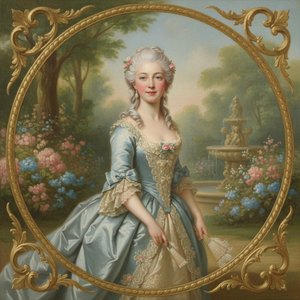
The Elegance of Rococo Portraiture: A Journey Through Grace, Soft Light, and Pastel Dreams
Discover the exquisite world of Rococo portraiture. Explore the delicate beauty of 18th-century French art, from pastel light to graceful asymmetry, and learn how to bring this era of elegance into your home through masterfully hand-painted oil reproductions.

The Enduring Legacy of Family Portraiture: A Historical & Artistic Exploration
Explore the rich history of family portraiture with OriginalUniqueArt. Discover artistic styles, symbolism & collecting insights. Commission a custom oil painting or appraise your existing artwork today!

Top 10 majstrovských diel rokokového umenia pre váš domov | OriginalUniqueArt.com
Ponorte sa do sveta rokokového umenia! Objavte top 10 majstrovských diel od Watteaua, Bouchera a ďalších. Luxusné reprodukcie obrazov pre váš domov na OriginalUniqueArt.com – inšpirujte sa pastelovými farbami a elegantnou výzdobou.

The Rococo Aesthetic: Opulence, Rebellion & the Pursuit of Pleasure in 18th-Century Art
Explore the opulent world of Rococo art! Discover its origins, key artists like Watteau & Boucher, and lasting influence on design. Expert insights for collectors & enthusiasts.

Pietro Longhi's Venetian Scenes: A Study of Rococo Society & Domestic Life
Explore the captivating world of Pietro Longhi's Venetian scenes! Discover insightful analysis of his Rococo masterpieces & social commentary on 18th-century life. Learn about this 'Venetian Hogarth' and his lasting artistic legacy.