

 Zobraziť v interiéri
 Odoslať
 Zdieľať
 Podrobnosti
 Príručka

 Stiahnuť
 Podobné položky
 RTG skúška
 Prehliadanie diapo\]
 Štatistiky
Interior with a Young Couple
 Oil On Panel
- WallArt
- Dutch Golden Age
 1662
1662- Early Modern
 55.0 x 63.0 cm
 Metropolitné múzeum umenia
 Prečítať si viac
Giclée / Umenotlač
Giclée tlač alebo plátno múzeálnej kvality s rýchlou výrobou a rôznymi možnosťami povrchovej úpravy. ( Objednať ručne maľovanú reprodukciu Prepnúť na digitálnu verziu obrazu)




P118B €10

P118H €10

P118W €10

P438Z €10

P508JH €12

P508YH €12

P805H €10

P805Z €10

P919BZ €10

P919G €10

P919XJ €10

P959ZH €10

P968JZ €12

W106C €8

W218G €10

W218JH €8

W218Y €10

W307PJ €10

W316G €10

W316PJ €8

W316Y €10

W398PJ €8

W4111J €10

W500HY €15

W500JH €15

W692G €12

W849H €8

W940BG €15

W953PJ €8




Vyberte si z našich preddefinovaných rozmerov, ktoré zodpovedajú pôvodným pomeroḿ diela.

Zadajte šírku a výšku, ktoré potrebujete, aby sa reprodukcia hodila k vášmu rámu alebo stene. Print možno len orezávať, nikdy však nemennú veľkosť zvětšiť oproti pôvodnému obrázku, preto pri inom formáte stráca časť obrazu. Pred samotným vytlačiacím procesom vám pošleme digitálny náhľad na schválenie. Obrázok zobrazený na tejto stránke nezobrazuje reálny rez — len digitálny náhľad ukazuje presný výsledok.
Celosvetová doprava () do 2 týždňov namiesto štandardných 4 až 5 týždňov. (25 október)

Bezplatná expresná doprava po celom svete

Vysokokvalitné lnianske plátno

Úplné poistenie prepravy

Záruka vrátenia colného poplatku

Záruka presného farebného zhodnutia

100-dená politika vrátenia tovaru (iba pri vadách)

100% záruka vrátenia peňazí

Ponuka množstevnej zľavy
 Možnosť skla je dostupná len pri rozmeroch pod 110 cm

Interior with a Young Couple
Giclée / Umenotlač
Veľkosť reprodukcie
-


Celková cena
€ 70
A Window into Dutch Domestic Tranquility
In the quiet corners of the seventeenth century, amidst the burgeoning prosperity of the Dutch Golden Age, Pieter de Hooch captured something far more profound than mere domesticity. His masterpiece, “Interior with a Young Couple,” painted in 1662, serves as an exquisite portal into a world defined by peace, intimacy, and the subtle dance of light. As one gazes upon this oil-on-panel treasure, currently held in the prestigious Metropolitan Museum of Art, there is an immediate sense of being invited into a private sanctuary. The scene is not merely a depiction of a room, but a carefully orchestrated meditation on the beauty found within the mundane rituals of middle-class life.
The composition draws the viewer inward through a masterful use of perspective and light. De Hooch, a luminary of his era, possessed an unparalleled ability to manipulate natural illumination to create depth and atmosphere. In this work, light pours through a window, casting soft glows upon the figures and highlighting the textures of the domestic setting. This technique does more than just illuminate the room; it breathes life into the very air, creating a palpable warmth that makes the space feel inhabited and eternally present. The interplay between sunlit surfaces and velvety shadows lends a rhythmic quality to the architecture, guiding the eye from the foreground figures toward the receding planes of the interior.
The Poetry of Human Connection
At the heart of this painting lies a tender narrative of companionship. The central figures—a young man and woman—are caught in a moment of quiet, shared existence. While the woman gazes thoughtfully, perhaps lost in reflection or observing her own image in a mirror, the man engages playfully with a canine companion. This interaction introduces a layer of gentle movement and warmth to the stillness of the room. The presence of the dog, a common motif in Dutch genre painting, often symbolizes fidelity and the comforts of a well-ordered home, reinforcing the themes of love and familial contentment that permeate the canvas.
Beyond the human subjects, the meticulous details of the room speak to the aspirations of the Dutch bourgeoisie. Every element, from the placement of the chairs to the soft light hitting the furniture, suggests a life of stability and refined taste. For the modern collector or interior designer, this painting offers more than just aesthetic beauty; it provides a blueprint for creating spaces that feel both sophisticated and deeply soulful. The artwork transcends its historical era, offering a timeless reminder that true luxury is often found in the quiet, luminous moments of togetherness and the serene atmosphere of a well-loved home.
To possess a high-quality reproduction of this work is to bring a piece of history’s most tranquil light into one's own environment. It serves as an anchor of calm, a conversation piece that invites contemplation, and a testament to the enduring power of the Dutch masters to find the extraordinary within the ordinary.
Otázky a odpovede
Akú atmosféru by do miestnosti priniesla reprodukcia diela „Interior with a Young Couple“ od Pieter de Hooch?
Serene atmosféra diela „Interior with a Young Couple“ od Pieter de Hooch dokonale ladí s jeho odporúčaným priestorom: Living Room.
K akému štýlu patrí „Interior with a Young Couple“?
„Interior with a Young Couple“ je dielo smeru Dutch Golden Age. Toto smerovanie určuje umeleckú tradíciu, ktorej je toto dielo súčasťou.
Môžem si „Interior with a Young Couple“ od Pieter de Hooch pozrieť pod iným osvetlením?
Dielo „Interior with a Young Couple“ je možné skúmať vrstvu po vrstve na stránke RTG skenovanie, ktorá slúži ako interaktívny prehliadač inšpirovaný konzervačným svetelným stolom a ponúka jednaásť optických náhľadov na obraz.
Biografia umelca
rané život a vzdelanie
Pieter de Hooch, významná postava holandského zlatého veku, sa narodil 20. decembra 1629 v Rotterdam v Holandsku. Bol najstarším z päťorčatstva Hendrika Hendricksza de Hoocha, murárosa, a Annetge Pieters, pôrodníš handskej. O jeho raných rokoch sa vie veľmi málo, no domnieva sa, že pôsobil v mestách Rotterdam, Delft a Amsterdam. De Hoochovo umelecké vzdelávanie sa odohrávalo v Haarleme pod vedením krajinárskeho maľara Nicolaesa Berchema, spolu s Jacobom Ochterveltom. Práve toto obdobie položilo základy jeho budúceho úspechu ako majstra tichých domácich scén s charakteristickým otvoreným dverovým otvorom.umelecký štýl a témy
De Hoochova tvorba je definovaná nesmiernou pozornosťou k detailu, naturalizmom a magistálnym použitím svetla. Jeho maľby často zachytávali bežný život, čím odrážali hodnoty a ambície rodiacej sa strednej vrstvy spoločnosti. Výrazným príkladom tohto štýlu je dielo "Dvor v dome v Delfte" (1658), ktoré demonštruje jeho schopnosť zachytiť obyčajné detaily každodennosti. Hoci de Hoochova práca zdieľa určité témy a kompozície s dielom Emanuela de Witteho, jeho sústredenie na ľudí a ich vzájomné väzby ho od ostatných odlišuje. Tento cit je zrejomy v maľbách ako "Kŕmenie dieťaťa" (1658) či "Žena s dieťaťom na lome" (1658), ktoré svedčia o jeho hlbokom záujme o intímne domácie scény.významné diela a odkaz
Medzi najvýznamnejšie diela de Hoocha patrí:- "Veselý pitier" (cca 1650)
- "Kartári v slnečnej miestnosti" (1658)
- "Žena pripravujúca chlieb a maslo pre chlapca" (1661)
múzeá a kolekcie
Diela de Hoocha možno nájsť vo viacerých múzeách, vrátane Koninklijk Museum voor Schone Kunsten v Antverpách v Belgiku, ktoré vlastní bohatú zbierku európskeho umenia od 15. do 20. storočia. Objavte viac o Pieterovi de Hoochovi a jeho dielach na OriginalUniqueArt: [https://OriginalUniqueArt.com/@/pieter-de-hooch](https://OriginalUniqueArt.com/@/pieter-de-hooch) /sk/art/show/art-d3b4kt-sk/ (objavte majstrovské diela múzea Koninklijk Museum voor Schone Kunsten v Belgiku)
Pieter de Hooch
1629 - 1694 , Nízky Holandsko
Rýchle fakty
- Artistic Movement Or Style: Štúdia Delftská
- Artists Or Movements Influenced By This Artist: ['Jan Vermeer']
- Artists Who Influenced This Artist:
- Nicolaes Berchem
- Hendrik van der Burgh
- Date Of Birth: 20. december 1629
- Date Of Death: po roku 1683
- Full Name: Pieter Hendricksz. de Hooch
- Nationality: Holanďanský
- Notable Artworks:
- Výkladisko domu v Delfte
- Žena kojíca dieťa
- Place Of Birth: Rotterdam, Holandsko
Súvisiace články

Golden Light & Dutch Skies: The Timeless Magic of Dutch Golden Age Landscapes
Discover the breathtaking beauty of Dutch Golden Age landscapes. Explore the mastery of light, chiaroscuro, and 17th-century realism through an expert art history lens, celebrating the enduring legacy of the Dutch Masters for discerning collectors and art lovers.
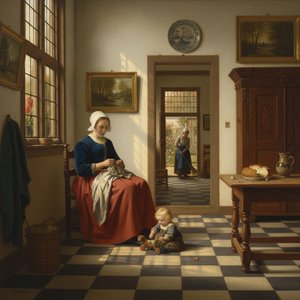
Pieter de Hooch: Illuminating Dutch Domestic Life & Golden Age Charm
Explore the captivating world of Pieter de Hooch, a master of Dutch Golden Age painting. Discover his innovative use of light, intimate domestic scenes, and lasting influence on art history. Learn more at OriginalUniqueArt.
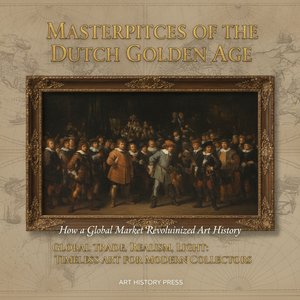
Masterpieces of the Dutch Golden Age: How a Global Market Revolutionized Art History
Explore the profound impact of the Dutch Golden Age. Discover how a global trade revolution transformed art history through breathtaking realism, masterful light, and the elevation of everyday life into timeless masterpieces for the modern collector.

Top 10 majstrovských diel holandskej Zlatej éry: Umění pre váš domov s OriginalUniqueArt.com
Ponorte sa do sveta holandskej Zlatej éry s OriginalUniqueArt.com! Objavte príbehy Rembrandta, Vermeera a ďalších majstrov baroka. Reprodukcie obrazov pre váš domov – inšpirujte sa nadčasnými dielami. Preskúmajte kolekciu online!

Mastering Light & Shadow: A Journey Through the Dutch Golden Age's Luminous Legacy
Embark on a cultural journey through the Dutch Golden Age. Explore the masterful interplay of light and shadow in 17th-century masterpieces, from Rembrandt to Vermeer, and discover how this era of profound realism continues to inspire fine art collectors today.


