
 Zobraziť v interiéri
 Odoslať
 Zdieľať
 Podrobnosti
 Príručka

 Stiahnuť
 Podobné položky
 RTG skúška
 Prehliadanie diapo\]
 Štatistiky
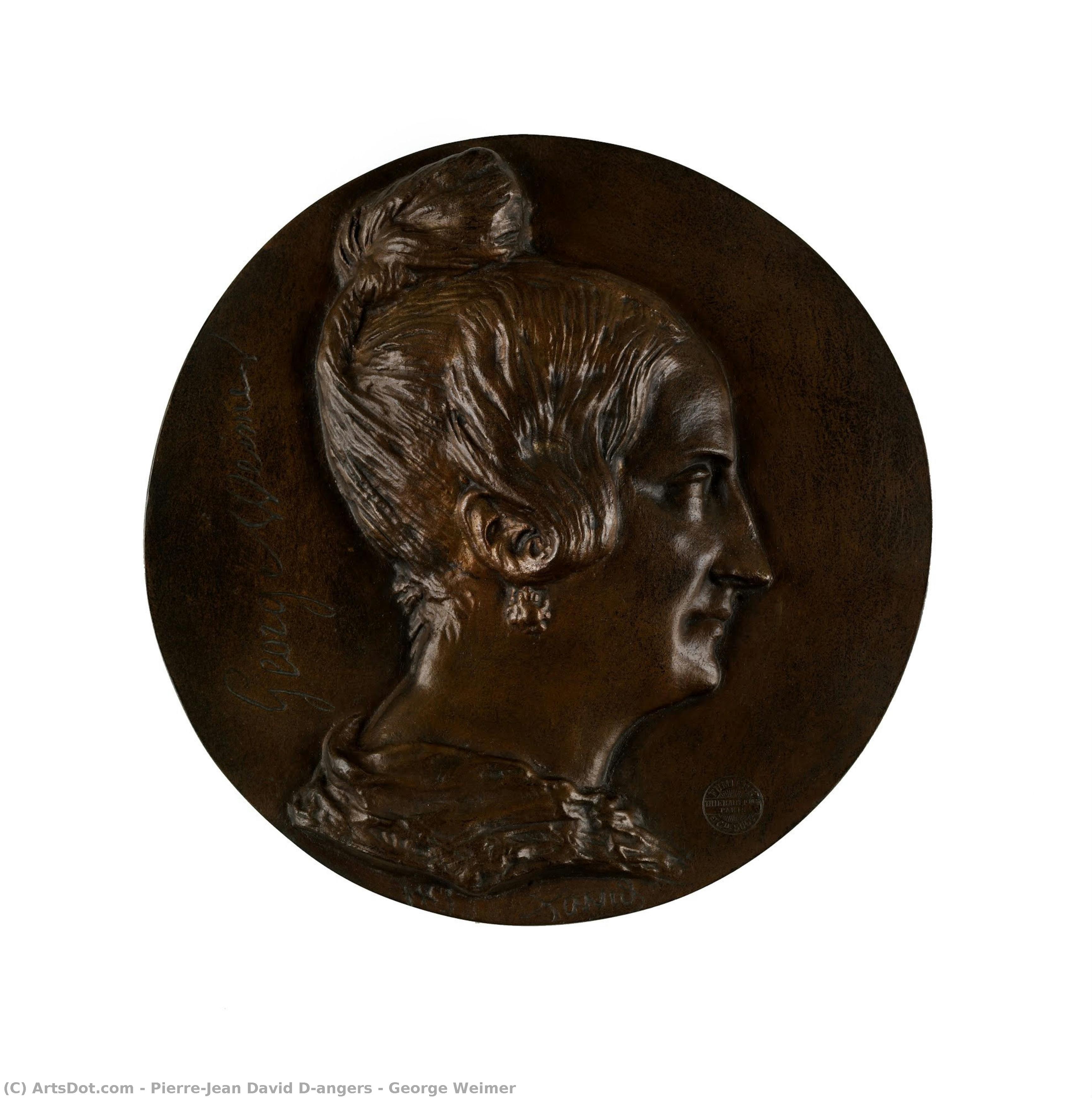
George Weimer


 Prečítať si viac
Giclée / Umenotlač
Giclée tlač alebo plátno múzeálnej kvality s rýchlou výrobou a rôznymi možnosťami povrchovej úpravy. ( Objednať ručne maľovanú reprodukciu Prepnúť na digitálnu verziu obrazu)




P118B €10

P118H €10

P118W €10

P438Z €10

P508JH €12

P508YH €12

P805H €10

P805Z €10

P919BZ €10

P919G €10

P919XJ €10

P959ZH €10

P968JZ €12

W106C €8

W218G €10

W218JH €8

W218Y €10

W307PJ €10

W316G €10

W316PJ €8

W316Y €10

W398PJ €8

W4111J €10

W500HY €15

W500JH €15

W692G €12

W849H €8

W940BG €15

W953PJ €8




Vyberte si z našich preddefinovaných rozmerov, ktoré zodpovedajú pôvodným pomeroḿ diela.

Zadajte šírku a výšku, ktoré potrebujete, aby sa reprodukcia hodila k vášmu rámu alebo stene. Print možno len orezávať, nikdy však nemennú veľkosť zvětšiť oproti pôvodnému obrázku, preto pri inom formáte stráca časť obrazu. Pred samotným vytlačiacím procesom vám pošleme digitálny náhľad na schválenie. Obrázok zobrazený na tejto stránke nezobrazuje reálny rez — len digitálny náhľad ukazuje presný výsledok.
Celosvetová doprava () do 2 týždňov namiesto štandardných 4 až 5 týždňov. (25 október)

Bezplatná expresná doprava po celom svete

Vysokokvalitné lnianske plátno

Úplné poistenie prepravy

Záruka vrátenia colného poplatku

Záruka presného farebného zhodnutia

100-dená politika vrátenia tovaru (iba pri vadách)

100% záruka vrátenia peňazí

Ponuka množstevnej zľavy
 Možnosť skla je dostupná len pri rozmeroch pod 110 cm

George Weimer
Giclée / Umenotlač
Veľkosť reprodukcie
-


Celková cena
€ 70
A Portrait of Romanticism: George Weimer by Pierre-Jean David d'Angers
The image before you isn’t merely a depiction of a man; it’s a window into the heart of 19th-century France, a poignant study in melancholy and quiet dignity. This captivating portrait of Marguerite-Josephine Weimer, known as Mademoiselle George, is a masterful work by Pierre-Jean David d'Angers, executed around 1833, and now meticulously reproduced for discerning collectors and admirers of Romantic art. David’s skill lies not just in capturing likeness, but in imbuing his subject with an almost palpable sense of introspection – a quiet sorrow that resonates deeply even across the centuries.
The composition itself is deceptively simple. A close-up view focuses on Weimer's face, rendered with exquisite detail. The bronze coin serves as a compelling backdrop, its smooth surface and intricate design offering a subtle contrast to the softness of her features. Her gaze, directed downward, speaks volumes – it’s not a look of defiance or anger, but rather one of quiet resignation, perhaps reflecting the challenges faced by a woman navigating the demanding world of Parisian theatre in an era where female performers often struggled for recognition and respect. The pearl necklace, a symbol of elegance and status, hints at her past successes, while the hat adds a touch of formality, suggesting a life lived within the constraints of societal expectations.
The Artist and His Time
Pierre-Jean David d'Angers (1788-1856) was a pivotal figure in French art during a period of dramatic social and political change. Born in Angers, he initially trained as a woodcarver before being drawn to the burgeoning world of sculpture. His early apprenticeship with Jacques-Louis David, the celebrated neoclassical painter, provided him with a rigorous foundation in artistic technique and a deep understanding of classical ideals. However, David d’Angers quickly developed his own distinctive style, embracing the emotional intensity and dramatic narratives characteristic of the Romantic movement. His work frequently explored themes of heroism, tragedy, and the human condition – subjects that mirrored the turbulent times he inhabited.
The portrait itself was created during a period of intense artistic experimentation and social upheaval. The Napoleonic era had left France profoundly changed, and artists were grappling with questions of identity, national pride, and the role of art in shaping public opinion. David d’Angers's decision to adopt the name “David d’Angers” – a deliberate homage to his master while asserting his own artistic lineage – reflects this complex interplay between tradition and innovation.
Symbolism and Emotional Resonance
Beyond its technical brilliance, the portrait is rich in symbolic meaning. The downward gaze of Weimer suggests introspection and perhaps a sense of isolation—a common theme within Romantic art. The coin, with its intricate details, could represent fleeting beauty or the ephemeral nature of fame. It’s a subtle reminder that even the most celebrated figures are ultimately subject to time and decay. The choice of bronze as the medium further enhances this sense of permanence and timelessness – a material chosen for its durability and ability to capture both form and texture with remarkable fidelity.
The portrait's emotional impact is undeniable. It’s not a celebratory depiction of beauty, but rather a poignant exploration of human vulnerability. Weimer’s expression invites the viewer to contemplate her story – her struggles, her triumphs, and ultimately, her enduring legacy as a captivating performer in a world that often failed to recognize her worth.
A Legacy Reimagined
This meticulously crafted reproduction captures not only the visual details of David d’Angers's original masterpiece but also its profound emotional resonance. Whether adorning a grand salon or a more intimate space, this artwork offers a captivating glimpse into the heart of Romanticism – a testament to the enduring power of art to illuminate the human experience. The quality of the reproduction ensures that every nuance of the original is faithfully preserved, allowing you to appreciate the artist’s skill and the subject's story with unparalleled clarity.
Consider this piece as more than just decoration; it’s an investment in a timeless work of art—a conversation starter, a source of inspiration, and a beautiful addition to any collection.
Otázky a odpovede
Aký predmet a atmosféru spája „George Weimer“ od Pierre-Jean David D’Angers?
„George Weimer“ od Pierre-Jean David D’Angers spája french actress, romanticism, bronze coin, portrait, historical figure, 19th century, weimer s Romantic atmosférou.
Do akého priestoru sa odporúča „George Weimer“ od Pierre-Jean David D’Angers?
Reprodukcia diela „George Weimer“ sa skvele hodí do Living Room.
Možno voľne reprodukovať obraz diela „George Weimer“ od Pierre-Jean David D’Angers?
„George Weimer“ od Pierre-Jean David D’Angers je v v verejnom vlastníctve – autorské práva vypršali. Tento stav určuje pravidlá pre reprodukciu obrazu tohto diela.
Biografia umelca
A Legacy Forged in Stone: The Life and Art of Pierre-Jean David d’Angers
Pierre-Jean David d’Angers (1788–1856) bol francúzsky sochár a medenýcista, ktorý získal uznanie svojím výrazným prínosom k európskej umeleckej kultúre. Jeho tvorba je charakteristika kombináciou klasických princípov s romantickou emocionálnosťou – spojenie, ktoré sa stále dnes šírí medzi odborníkmi a milovníkom umenia. Davidovo životné cestovanie začalo v Angerse, kde bol narodený, a jeho umelecká kariéra bola ovplyvnená republikanským duchom doby svojho vzniku. Už ako mladý človek získal základné znalosti z drevoskdeľárskeho remesla – jeho otca –, čo ho rýchlo poháňalo k väčším ambíciám. Jeho vstup do Parížskej akadémie Beaux-Arts v roku 1808 znamenal začiatok nového obdobia, ktoré bolo poznačené klasickou tradíciou a zároveň revolučnými ideami – prostredím, ktoré David veľmi dobre osvojil.Early Years and Artistic Training
Davidovo štúdium začalo pod vedením Philippe-Laurenta Rolanda na École des Beaux-Arts v Paríži, kde získal základné znalosti klasickej estetiky a filozofie. Tento obdobie bolo zásadné pre jeho ďalší umelecký rozvoj – David sa naučil vyjadrovať svoje myšlienky prostredníctvom obrazu a sochy, čo ho pripravovalo na úspech v budúcnosti. Jeho talent bol okamžite rozpoznaný a získal si pozornosť odborníkov svojho času. Už v roku 1810 vytvoril monumentálny obraz "Othryades", ktorý predstavoval oslavu Gréckej demokracie a vojenskej odvahy – diel, ktorý vykazoval prvky klasickej krásy a dramatického vyjadrenia. Jeho úspech pokračoval až do získania ceny Rómovej akadémie v roku 1811 za svoju sochárske dielo "Epaminondas", ktoré bolo oslavou Gréckeho vojaka a jeho odvahy. Tento titul mu otvoril cestu k ďalším významným projektom a potvrdil jeho miesto medzi najväčšími sochármi svojho času.Roman Reverie and Neoclassical Influence
Davidova päťročná púť v Římě (1811–1816) bola zásadná pre jeho umelecké zreniavanie. Jeho ponor do sveta klasickej antikvity pod vedením majstrov ako Antonia Canovy ho naučil vyjadrovať svoje hodnoty prostredníctvom sochy – hlavne oslavu ľudského tela a pohybov. David absorboval ideály Gréckej escultury – jeho dôraz na ideálne telo, hrdinský príbeh a emocionálnu kontrolu –, no zároveň začal tieto princípy kombinovať s osobným citlivým zmyslom pre krásu. Tento čas však nebol len akademickým štúdiom; bol tiež obdobím politického osvojeného – David sledoval vývoj talianskych udalostí a stretol sa s podporou republikánskej filozofie. Jeho návrat do Francúzska nastal v období obnovy monarchie, čo ho prinútilo krátko cestovať Veľkým Británijom, kde získal uznanie odborníkov svojho času – hlavne za jeho spoluprácu s Jacques-Louisom Davidom, ktorý bol spojený s revolucionárnym režimom.Monumental Achievements and Artistic Recognition
Davidovo umelecké dielo bolo nesmierne rozmanité – zahŕňalo sochy, reliéfy, krypty a najmä portrétové medenýciny. Jeho talent spočíval v schopnosti vyjadrovať ľudské emócie prostredníctvom hmotného materiálu – hlavne zlata a striebra – čo bolo znakom umeleckého pokroku svojho času. Jeho práce boli oslavované odborníkmi a širokou verejnosťou, čo ho zabezpečilo miesto medzi najväčšími sochármi svojho obdobia. Najvýznamnejším projektom jeho života bol návrh monumentálneho obrazu "Pantheon" v Paríži – diel, ktorý predstavoval oslavu francúzskej histórie a kultúry. Jeho umelecká tvorba získala uznanie odborníkov aj širokej verejnosti a zabezpečila mu miesto medzi najväčšími sochármi svojho času. Jeho ďalšie významné diela zahŕňajú obraz "La Douleur" (Bol), ktorý vyjadruje ľudskú úzkosť a bolest, a monumentálny obraz "Wounded Philopoemen", ktorý oslavuje Gréckeho vojaka Epaminonda – diel, ktorý získal uznanie odborníkov svojich časov. Jeho práce sú dnes vystavené v najväčších múzeách sveta, ako napríklad Musée d’Orsay a Metropolitan Museum of Art v New Yorku. Pierre-Jean David d’Angers zostáva fascinujúcou postavou – sochár, ktorý dokázal vyjadrovať ľudské hodnoty prostredníctvom klasickej krásy a romantického emocionálneho vyjadrenia. Jeho umelecká činnosť bude mať pozitívny dopad na budúce generácie umelcov.
Pierre-Jean David D’Angers
1788 - 1856 , Francúzsko
Rýchle fakty
- Artistic Movement Or Style: Neoklasicizmus
- Artists Who Influenced This Artist:
- Jacques-Louis David
- Philippe-Laurent Roland
- Date Of Birth: 1788
- Date Of Death: 1856
- Full Name: Pierre-Jean David d’Angers
- Nationality: Francúzsky
- Notable Artworks:
- Wounded Philopoemen
- La Douleur
- Epaminondas
- Place Of Birth: Angers, Francúzsko
Súvisiace články
Top 25 diel Musée d'Orsay: Majstri impresionizmu a postimpresionizmu pre váš domov
Objavte top 25 diel Musée d'Orsay! Ponorte sa do sveta impresionizmu a postimpresionizmu s Monetom, Renoirom, Van Goghom a ďalšími majstrami. Reprodukcie obrazov pre váš domov na OriginalUniqueArt.com – múzejná kvalita a inšpirácia pre interiér.

Jacques-Louis David: Neoclassical Ideals & Revolutionary Witness
Explore the life & art of Jacques-Louis David, leading Neoclassical painter of the French Revolution. Discover iconic works like 'The Death of Marat' and his lasting impact on art history. Expert analysis & high-quality reproductions at OriginalUniqueArt.

Georges Braque: Top 25 diel pre milovníkov umenia a luxusného interiéru
Ponorte sa do sveta Georges Braquea a jeho 25 ikonických diel! Objavte príbehy za kubistickými majstrovskými dielmi, impresionistické odtiene a revolučné techniky. Luxusné reprodukcie obrazov pre váš interiér na OriginalUniqueArt.com.
Gerard David: Bridging Late Medieval Tradition with Early Renaissance Humanism
Explore the captivating world of Gerard David, a pivotal figure bridging late medieval artistry with the Early Renaissance. Discover his innovative techniques, religious masterpieces, and enduring legacy – a must-read for discerning art collectors.

Georges Seurat: Top 25 Majstrovských Diel pre Váš Domov | OriginalUniqueArt.com
Objavte top 25 diel Georges Seurata – majstra impresionizmu a pointilizmu. Prežite príbeh farieb, svetla a revolučného umenia s OriginalUniqueArt.com. Reprodukcie obrazov pre váš domov. Preskúmajte celú kolekciu online!
