

 Náhľad
 Odoslať
 Zdieľať
 Podrobnosti o dielo

 Stiahnuť
 Podobné diela
 RTG skúška
 Prezentácia
The bathing

 Zobraziť viac
Ručne maľovaná olejová reprodukcia
Ručne maľovaný olej na plátne vo vašej zvolenej veľkosti a v ráme, vyrobený na mieru našimi umelcami. ( Kúpiť tlač Kúpiť obrázok)




































Vyberte si z našich preddefinovaných rozmerov, ktoré zodpovedajú pôvodným pomeroḿ diela.

Môžete zadať vlastné rozmery tak, aby sa hodili do konkrétneho rámu alebo priestoru. Ak sa váš zvolený rozmer nezhoduje s pôvodnými proporciami obrazu, dielo buď orezáme, alebo ho doplníme ručne maľovanými prvkami. Pred začiatkom výroby vám zašleme digitálny náhľad na schválenie.
Upozorňujeme, že ukážka na obrazovke neodráža skutočné orezanie alebo doplnenie. Skutočnú finálnu kompozíciu zobrazuje iba digitálny náhľad.
Hoci sú k dispozícii vlastné rozmery, odporúčame vybrať rozmer z preddefinovaného zoznamu, aby sme zachovali pôvodné proporcie.
Po odoslaní objednávky vám tím OriginalUniqueArt.com pošle e-mail s pokynmi a poskytne náhľad na návrh.
Celosvetová doprava () za 3 až 4 týždne namiesto štandardných 5 týždňov. (2 september). Bez kompromisov v kvalite.

Bezplatná expresná doprava po celom svete

Prémiové lnianske plátno

Kompletné poistenie prepravy

Záruka vrátenia colného poplatku

Záruka presného farebného zhodnutia

60-dňá politika vrátenia (iba pri defektoch)

100% záruka vrátenia peňazí

Výhodná množstevná zľava
 Možnosť skla je dostupná len pri rozmeroch pod 110 cm

The bathing
Technika reprodukcie
Veľkosť reprodukcie
-


Celková cena za vybrané možnosti
$ 475
Biografia umelca
The Luminous Vision of Pierre Eugène Montézin
Born in the heart of Paris on October 16th, 1874, Pierre Eugène Montézin emerged as a profound voice within the Impressionist movement, a painter whose soul was deeply tethered to the rhythms of the natural world. His early life was shaped by a unique duality of influence; while his father, a meticulous lace designer, imparted an appreciation for precision and the delicate intricacies of pattern, it was the expansive landscapes of the French countryside that truly captured his heart. These formative excursions through the verdant landscapes of France instilled in him a lifelong reverence for the panorama, a devotion that would eventually transform him into what many call a landscape poet.
The trajectory of Montézin’s artistry took a decisive turn when he entered the studio of Ernest Quost around 1903. Under Quost’s mentorship, the seeds of Impressionist philosophy began to bloom within him. He learned to look beyond mere representation, seeking instead to capture the ephemeral dance of light and the shifting moods of the atmosphere. His training in mural painting further enriched his repertoire, providing him with a sophisticated understanding of how color and scale could evoke deep emotional responses. This technical foundation allowed him to master the art of spontaneity, using loose, expressive brushstrokes to breathe life into scenes of rural tranquility.
A Mastery of Light and Rural Serenity
Montézin’s body of work is characterized by an unwavering commitment to the authentic portrayal of nature and the quiet dignity of country life. Eschewing the grand, often heavy-handed allegories prevalent in the academic art of his era, he found his greatest inspiration in the subtle transitions of a season or the soft glow of dawn over a riverbank. His paintings, such as Landscape with Two Fishermen, serve as windows into a world where time seems to slow, inviting the viewer to experience the serene stillness of the outdoors.
His technical approach was a masterful blend of his inherited precision and his acquired Impressionistic fluidity. One can observe this in works like Alley in the Forest, where the warmth of autumnal colors is balanced by a structured sense of depth. His ability to manipulate light—whether it be the crisp, biting chill of a winter scene in Bineau Boulevard under the Snow or the shimmering reflections on water—demonstrates a profound sensitivity to the fleeting moments that define our perception of reality. Through his palette, Montézin did not merely paint landscapes; he captured the very breath of the earth.
Legacy and Artistic Triumph
The path to recognition was not without its challenges. In the early years of his career, Montézin faced the formidable gatekeepers of the Salon des Artistes Français, where the traditional preference for portraiture and historical subjects often cast landscape painting into a secondary light. However, his persistence was rewarded when he gained acceptance in 1903, eventually earning accolades that solidified his standing within the French art community. His ability to navigate the tension between meticulous observation and Impressionistic freedom allowed him to create a body of work that felt both grounded and ethereal.
Today, the significance of Pierre Eugène Montézin lies in his ability to have elevated the humble landscape to a level of poetic importance. His legacy is found in:
- The Emotional Resonance of Nature: His capacity to translate the physical world into an emotional experience through color and light.
- Technical Versatility: The seamless integration of mural-scale atmospheric depth with the delicate touch of a naturalist.
- Authentic Representation: A dedication to portraying rural life with a sincerity that avoids sentimentality, focusing instead on the raw beauty of the environment.
Through his eyes, we continue to rediscover the quiet majesty of the landscapes he so dearly loved, ensuring that his place as a master of Impressionistic landscape remains etched in the annals of art history.

pierre-eugène montézin
1874 - 1946
Základné informácie
- Artistic Movement Or Style: Impressionism
- Artists Or Movements Influenced By This Artist: ['Post-Impressionism']
- Artists Who Influenced This Artist: ['Claude Monet']
- Date Of Birth: 1874
- Full Name: Pierre Eugène Montézin
- Nationality: French
- Notable Artworks:
- Le Quai De La Croix Blanche
- Pont sur la Riviere Loing
- Place Of Birth: Paris, France
Súvisiace články

Top 10 impresionistických krajín: Majstrovské diela, ktoré zmenili umenie a dekoráciu interiéru
Ponorte sa do sveta impresionizmu! Objavte top 10 majstrovských diel krajinárstva od Monet, Renoir a ďalších. Inšpirujte sa farebnými plátnami a dekorujte svoj dom s OriginalUniqueArt.com – múzejnou kvalitou pre váš interiér. Preskúmajte kolekciu online!

Top 10 impresionistických krajín: Majstrovské diela, ktoré zmenili umenie
Ponorte sa do sveta impresionizmu! Objavte top 10 majstrovských diel krajinárskej maľby od Monet, Renoir a ďalších. Inšpirujte sa farebnými plátnami a prineste si kúsok francúzskeho umenia do vášho interiéru s OriginalUniqueArt.com. Preskúmajte rozsiahlu kolekciu online!
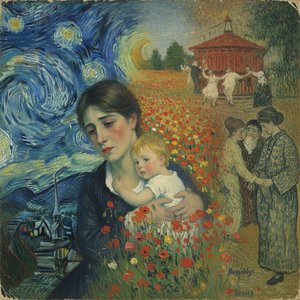
Capturing the Soul: The Most Emotionally Moving Impressionist and Post-Impressionist Masterpieces
Discover the profound emotional depth of Impressionist and Post-Impressionist masterpieces. Explore how legends like Monet, Van Gogh, and Gauguin captured light and soul through evocative landscapes and vibrant brushwork for a timeless connection to art history.

Top 10 Majstrov Romantickej Krajinomaľby: Obrazy, ktoré zmenili svet umenia
Ponorte sa do sveta romantickej krajinomaľby! Objavte top 10 majstrovských diel od Friedricha, Turnera a ďalších. Historické obrazy prírody s nádychom emócií. Reprodukcie obrazov pre váš interiér na OriginalUniqueArt.com.

Beyond the Horizon: A Curated Guide to Integrating Post-Impressionist Landscapes into Modern Interiors
Transform your home with the emotive power of Post-Impressionist landscapes. Discover expert tips on selecting hand-painted oil reproductions to create a soulful, vibrant interior that reflects your unique style and connection to nature.

