

 Náhľad
 Odoslať
 Zdieľať
 Podrobnosti o dielo

 Stiahnuť
 Podobné diela
 RTG skúška
 Prezentácia
 Štatistiky
Červený Wanderer
 Olej na plátne
- WallArt
- American Impressionism
 1908
1908- 19. storočie
 64.0 x 77.0 cm
 Zobraziť viac
Giclée / Umenotlač
Giclée tlač alebo plátno múzeálnej kvality s rýchlou výrobou a flexibilnými možnosťami povrchovej úpravy. ( Kúpiť ručne maľovaný obraz Prepnúť na digitálny obraz)




P118B $10

P118H $10

P118W $10

P438Z $10

P508JH $12

P508YH $12

P805H $10

P805Z $10

P919BZ $10

P919G $10

P919XJ $10

P959ZH $10

P968JZ $12

W106C $8

W218G $10

W218JH $8

W218Y $10

W307PJ $10

W316G $10

W316PJ $8

W316Y $10

W398PJ $8

W4111J $10

W500HY $15

W500JH $15

W692G $12

W849H $8

W940BG $15

W953PJ $8




Vyberte si z našich preddefinovaných rozmerov, ktoré zodpovedajú pôvodným pomeroḿ diela.

Môžete zadať vlastné rozmery, aby sa reprodukcia prispôsobila konkrétnemu rámu alebo priestoru. Ak zvolená veľkosť nebude zodpovedať proporciám originálu, dielo buď orežeme, alebo obraz rozšírime pomocou zrkadlenia či farebného doplnenia okrajov. Pred začatím výroby vám pošleme digitálnu ukážku na schválenie.
Máte na vedomí, že náhľad na obrazovke neodzrkadľuje skutočné orezanie alebo rozšírenie. Len digitálna ukážka presne zobrazí finálnu kompozíciu.
Hoci sú k dispozícii vlastné rozmery, pre zachovanie pôvodných proporcií odporúčame vybrať si rozmer z vopred definovaného zoznamu.
Celosvetová doprava () do 2 týždňov namiesto štandardných 4/5 týždňov. (18 september)

Bezplatná expresná doprava po celom svete

Prémiové lnianske plátno

Kompletné poistenie prepravy

Záruka vrátenia colného poplatku

Záruka presného farebného zhodnutia

100-dená politika vrátenia tovaru (iba pri vadách)

100% záruka vrátenia peňazí

Výhodná množstevná zľava
 Možnosť skla je dostupná len pri rozmeroch pod 110 cm

Červený Wanderer
Giclée / Umenotlač
Veľkosť reprodukcie
-


Celková cena za vybrané možnosti
$ 80
The Crimson Rambler: An American Impressionist Reverie
Phillip Leslie Hale’s “The Crimson Rambler” is more than just a painting; it's a captured moment of serene beauty, a testament to the fleeting magic of light and color that defined the American Impressionist movement. Completed in 1908, this artwork transports us to a tranquil veranda, where a young woman finds solace amidst a riot of red blossoms. Hale masterfully blends architectural grace with the untamed allure of nature, creating an image brimming with both elegance and quiet contemplation. The painting’s enduring appeal lies not just in its visual splendor but also in the subtle narrative it evokes – a story whispered between the roses, the porch, and the woman herself.
At first glance, “The Crimson Rambler” appears deceptively simple. However, a closer examination reveals Hale's meticulous approach to capturing an impression rather than adhering to photographic realism. The brushstrokes are loose yet purposeful, dancing across the canvas with a vibrant energy that immediately draws the viewer in. Notice how he uses horizontal lines to define the porch and background, grounding the composition while simultaneously employing diagonal strokes to emphasize the dynamism of the rose trellis and the woman’s posture. This interplay creates a sense of movement and depth, preventing the scene from feeling static or overly formal. The color palette is dominated by rich reds – the heart of the roses – contrasted with softer greens and muted browns, lending an air of warmth and nostalgia.
A Painter's Journey: Hale’s Artistic Roots
Phillip Leslie Hale’s artistic journey was deeply influenced by his time spent studying in Europe. Born in Boston in 1865, he initially trained under Edmund Tarbell at the School of the Museum of Fine Arts, absorbing the tenets of academic painting. However, a pivotal period in Paris and Giverny – where he encountered the revolutionary techniques of Claude Monet – fundamentally shifted his artistic perspective. Hale’s exposure to Monet's exploration of light and color ignited within him a passion for capturing fleeting moments and atmospheric effects. This influence is strikingly evident in “The Crimson Rambler,” where Hale skillfully employs broken brushstrokes and subtle gradations of color to create an illusion of shimmering light and air.
His time at the Art Students League in New York further honed his skills, introducing him to a diverse range of artistic styles. Hale’s travels to Boston and New York were also crucial for his development as an artist. He was influenced by the work of Kenyon Cox and J. Alden Weir, who taught at the Art Students League. Hale's ability to synthesize these varied influences – academic training combined with Impressionist innovation – is what truly sets “The Crimson Rambler” apart. It’s a testament to his artistic versatility and his willingness to embrace new approaches while retaining a strong foundation in traditional techniques.
Symbolism and Emotional Resonance
Beyond its aesthetic qualities, "The Crimson Rambler" resonates with layers of symbolic meaning. The vibrant red roses, the dominant feature of the composition, traditionally represent love, passion, or even remembrance – evoking feelings of romance and beauty. The porch itself serves as a symbol of domesticity and refuge, suggesting a place of peace and tranquility. The woman’s posture—relaxed yet engaged—hints at a moment of quiet contemplation, inviting the viewer to share in her serenity. Hale doesn't simply depict a scene; he creates an atmosphere, prompting us to consider themes of beauty, solitude, and the connection between humanity and nature.
This painting is more than just a beautiful image; it’s a window into the artistic sensibilities of early 20th-century America. “The Crimson Rambler” remains a captivating masterpiece, offering a glimpse into the world of American Impressionism and demonstrating Hale's remarkable ability to capture the essence of beauty in a single, evocative moment. A hand-painted reproduction allows you to bring this timeless artwork into your home, transforming any space into a sanctuary of elegance and tranquility.
Biografia umelca
Philip Leslie Hale: Bridging Academia and Monet’s Vision
Phillip Leslie Hale (1865-1931) stands as a pivotal figure in American Impressionism, an artist who skillfully blended rigorous academic training with the revolutionary aesthetic principles championed by Claude Monet. Born in Boston, Massachusetts, on September 22nd, 1865, Hale’s artistic journey began amidst a family steeped in intellectual pursuits – his father, Edward Everett Hale, was a reverend and prominent writer, and his sister, Ellen Day Hale, herself an accomplished artist. This familial environment undoubtedly fostered a passion for creativity and observation that would define his lifelong career.- Early Education & Training: Hale’s formative years were spent at the School of the Museum of Fine Arts in Boston under the tutelage of Edmund Tarbell, establishing a foundation in traditional painting techniques. However, he quickly sought expansion beyond these boundaries, enrolling at New York’s Art Students League where influential mentors like Kenyon Cox and J. Alden Weir honed his artistic sensibilities.
- Parisian Influence: Recognizing the transformative potential of European art movements, Hale embarked on a pivotal expedition to Paris in 1887, immersing himself in the vibrant artistic milieu of Impressionism. Spending five formative years abroad, he particularly absorbed Monet’s groundbreaking approach to capturing fleeting moments of light and color – an influence that would permeate his subsequent works.
A Painter's Palette: Style and Technique
Hale’s distinctive style is characterized by a luminous quality—a hallmark of Impressionism—where light dominates the canvas, shaping colors and creating atmospheric depth. He meticulously employed brushstrokes to convey texture and movement, mirroring the dynamism of nature itself. Unlike many of his contemporaries who adhered strictly to academic conventions, Hale embraced Monet's innovative techniques, prioritizing subjective perception over precise representation. This approach is vividly evident in paintings such as “Garden Party” (1913), a masterful depiction of a leisurely afternoon gathering bathed in dappled sunlight—a testament to Hale’s ability to translate Impressionist ideals into compelling visual narratives.- Monet's Legacy: Hale’s dedication to Monet’s method is palpable, particularly in his use of broken color and layering techniques. These innovations allowed him to capture the ephemeral beauty of landscapes and interiors with unparalleled sensitivity.
- Notable Works: Among Hale’s celebrated compositions are “The Crimson Rambler” (1908), an expansive landscape brimming with rich hues and textural nuances, showcased at the Pennsylvania Academy of Fine Arts in Philadelphia. This painting exemplifies Hale's commitment to portraying natural grandeur while simultaneously conveying a profound emotional resonance.
Academic Roots & Artistic Mentorship
Despite his embrace of Impressionism’s expressive freedom, Hale maintained connections with academic traditions through his teaching positions at the Museum School of Boston and the Metropolitan Museum of Art. He nurtured the talents of aspiring artists like Mary Bradish Titcomb, fostering a legacy of artistic excellence. His influence extended beyond the classroom; he championed innovative approaches to art education, emphasizing observation and experimentation alongside foundational skills.- Publications & Scholarship: Hale’s intellectual curiosity manifested in his scholarly pursuits, culminating in “Jan Vermeer of Delft” (1913)—the inaugural monograph dedicated to Vermeer published in the United States—a pioneering effort that solidified his reputation as a respected Vermeer scholar and contributed significantly to the dissemination of Vermeer's artistic vision.
Legacy & Recognition
Phillip Leslie Hale’s contributions to American Impressionism are recognized through exhibitions at institutions like the Pennsylvania Academy of Fine Arts, the Metropolitan Museum of Art, and Somerville College. His enduring influence continues to inspire artists today, cementing his place as a significant figure in the history of art—a painter who successfully reconciled artistic innovation with intellectual rigor, leaving behind a body of work that embodies both beauty and profound insight.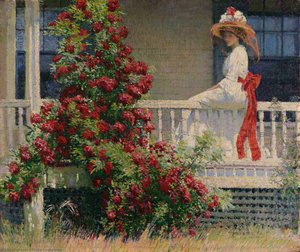
phillip leslie hale
1865 - 1931
Základné informácie
- Artistic Movement Or Style: Impressionism
- Artists Or Movements Influenced By This Artist: ['Boston School painting']
- Artists Who Influenced This Artist:
- Claude Monet
- Edmund Tarbell
- Date Of Birth: 1865
- Date Of Death: 1931
- Full Name: Phillip Leslie Hale
- Nationality: American
- Notable Artworks:
- The Crimson Rambler
- Garden Party
- Place Of Birth: Boston, Massachusetts
Súvisiace články

Crimson Threads of Narrative: Exploring Symbolism & Representation in Artworks Featuring the Red Dress
Explore the rich symbolism of the red dress in art history! From ancient power displays to iconic portraits like Cézanne’s 'Madame Cezanne', discover the cultural and artistic significance behind this captivating color. Expert analysis & insights.

Frederick Childe Hassam: American Impressionism's Chronicler of Light & Modern Life
Explore the captivating world of Frederick Childe Hassam, a pioneer of American Impressionism. Discover his iconic paintings capturing light, urban life & coastal beauty. Learn about his legacy and influence on American art history.
Capturing a Nation's Light: Exploring the American Impressionist Movement
Explore the captivating world of American Impressionism! Discover key artists, techniques & its lasting impact on art history. Find museum-quality reproductions and expert guidance at OriginalUniqueArt.

Herman Armour Webster: Capturing Atmospheric Light in American Impressionism
Explore the captivating world of Herman Armour Webster, an American Impressionist master. Discover his Parisian influences, unique style, and lasting legacy with OriginalUniqueArt.

Grant Wood & American Regionalism: Identity, Myth & the Rural Landscape
Explore the world of Grant Wood & American Regionalism with OriginalUniqueArt. Discover the symbolism behind 'American Gothic', recurring themes, and the movement's lasting impact on art history. High-quality reproductions available.
