
 Náhľad v interiéri
 Odoslať ako digitálnu kartu
 Zdieľať
 Podrobnosti o dielo
 Príručka

 Stiahnuť obraz
 Podobné položky
 RTG skúška
 Prehliadanie diapozoje
 Otázky a odpovede
 Štatistiky
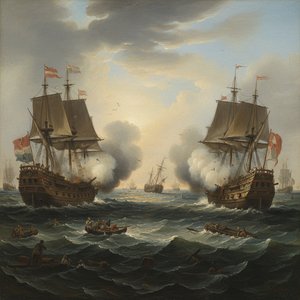
Shipwreck

- 58.0 x 81.0 cm


 Zobraziť viac
Giclée / Umenotlač
Giclée tlač alebo plátno múzeálnej kvality s rýchlou výrobou a rôznymi možnosťami povrchovej úpravy. ( Kúpiť ručne maľovaný obraz Prepnúť na digitálny obraz)




P118B €10

P118H €10

P118W €10

P438Z €10

P508JH €12

P508YH €12

P805H €10

P805Z €10

P919BZ €10

P919G €10

P919XJ €10

P959ZH €10

P968JZ €12

W106C €8

W218G €10

W218JH €8

W218Y €10

W307PJ €10

W316G €10

W316PJ €8

W316Y €10

W398PJ €8

W4111J €10

W500HY €15

W500JH €15

W692G €12

W849H €8

W940BG €15

W953PJ €8




Vyberte si z našich preddefinovaných rozmerov, ktoré zodpovedajú pôvodným pomeroḿ diela.

Zadajte šírku a výšku, ktoré potrebujete, aby sa reprodukcia hodila k vášmu rámu alebo stene. Print možno len orezávať, nikdy však nemennú veľkosť zvětšiť oproti pôvodnému obrázku, preto pri inom formáte stráca časť obrazu. Pred samotným vytlačiacím procesom vám pošleme digitálny náhľad na schválenie. Obrázok zobrazený na tejto stránke nezobrazuje reálny rez — len digitálny náhľad ukazuje presný výsledok.
Celosvetová doprava () do 2 týždňov namiesto štandardných 4 až 5 týždňov. (6 november)

Bezplatná expresná doprava po celom svete

Vysokokvalitné lnianske plátno

Kompletné poistenie prepravy

Záruka vrátenia colného poplatku

Záruka presného farebného zhodnutia

100-dená politika vrátenia tovaru (iba pri vadách)

100% záruka vrátenia peňazí

Zľava pri väčšom množstve
 Možnosť skla je dostupná len pri rozmeroch pod 110 cm

Shipwreck
Giclée / Umenotlač
Veľkosť reprodukcie
-


Celková cena
€ 72
A Tempestuous Vision: Philip James de Loutherbourg’s “Shipwreck”
Philip James de Loutherbourg's "Shipwreck," painted in 1793, isn’t merely a depiction of maritime disaster; it’s a visceral exploration of human vulnerability against the overwhelming power of nature. This dramatic landscape, now housed within the Southampton City Art Gallery, transcends simple realism to become a potent allegory for survival, desperation, and the precariousness of existence – themes that resonated deeply with the burgeoning Romantic movement of the late 18th century.
The painting immediately commands attention through its turbulent composition. A colossal wave, rendered in thick, swirling brushstrokes of indigo, ochre, and grey, dominates the scene, threatening to engulf a shattered vessel – the remnants of a once-proud ship now reduced to splintered wood and clinging figures. Loutherbourg masterfully employs chiaroscuro, utilizing stark contrasts between light and shadow to heighten the drama and emphasize the immediate threat. The dark, brooding sky, pregnant with impending storm, mirrors the despair etched on the faces of those struggling for survival amidst the wreckage.
The Baroque Influence & Dramatic Lighting
While firmly rooted in the Romantic sensibility, "Shipwreck" reveals a clear debt to the Baroque tradition, particularly in its theatrical use of light and shadow. Loutherbourg, who had trained under Charles-André van Loo, inherited a penchant for dramatic effects – a skill he honed not only as a painter but also as a stage designer for London’s Drury Lane Theatre. This influence is evident in the painting's heightened emotional intensity and its carefully orchestrated composition, designed to draw the viewer directly into the heart of the scene.
The figures themselves are illuminated from the left, casting long, dramatic shadows that accentuate their vulnerability and heighten the sense of urgency. Loutherbourg’s technique is particularly noteworthy in his rendering of water – not as a smooth, reflective surface, but as a chaotic, dynamic force, teeming with movement and energy. The artist's attention to detail extends to the depiction of the ship itself, meticulously rendered with a sense of both grandeur and impending doom. The use of layered textures—the rough splintered wood, the slickness of the waves, the ragged clothing of the survivors—adds considerable depth and realism to the scene.
Symbolism & The Romantic Spirit
Beyond its immediate depiction of a shipwreck, “Shipwreck” is rich in symbolic meaning. The storm represents not just a natural event but also the unpredictable forces that govern human life – fate, adversity, and the limitations of control. The survivors, huddled together on the rocks, embody the resilience of the human spirit in the face of overwhelming odds. Their desperate struggle for survival speaks to our shared vulnerability and our innate desire to endure.
The inclusion of bandits attacking the lifeboat adds another layer of complexity, suggesting a broader theme of exploitation and injustice. It’s a subtle but powerful commentary on the darker aspects of human nature – the willingness to prey upon the weak in times of crisis. This painting perfectly encapsulates the Romantic spirit's fascination with both the sublime beauty and terrifying power of the natural world, alongside its exploration of profound emotional experiences.
A Legacy of Dramatic Art
Philip James de Loutherbourg’s “Shipwreck” stands as a testament to his artistic versatility and his ability to capture the drama and intensity of human experience. It's a work that continues to resonate with viewers today, prompting reflection on our own vulnerabilities and our capacity for both despair and resilience. The painting’s enduring appeal lies in its masterful composition, its evocative use of light and shadow, and its profound exploration of timeless themes – all rendered with the skill and passion characteristic of a true Romantic artist.
Otázky a odpovede
Ako "Shipwreck" vyvažuje svetlo a tieň?
Zaznamenané hodnoty pre „Shipwreck“ od Filipe James De Loutherbourg sú: jas deep_shadow, luminancia Dark.
Aké sú rozmery originálu „Shipwreck"?
Pôvodné rozmery diela "Shipwreck" sú 58 x 81 cm. Pôvodné rozmery sú užitočným vodidlom pri výbere veľkosti reprodukcie.
Do ktorej fázy kariéry Filipe James De Loutherbourg spadá dielo „Shipwreck“, vzhľadom na jeho dátum vytvorenia?
"Shipwreck", vytvorené v roku 1767, patrí do obdobia Mature Period v tvorbe umelca Filipe James De Loutherbourg.
Biografia umelca
Philip James de Loutherbourg: Život plný umenia, divadla a intríg
- Narodený: Štrasburg, Francúzsko (1740)
- Zomrel: 1812
Philip James de Loutherbourg, známy aj pod menom Philip Jacques de Loutherbourg, bol francúzsko-britský maliar, ktorý si získal slávu svojimi dramatickými zobrazeniami námorných bitiev, rozľahlými krajinami a inovatívnym prínosom k návrhu divadelných scen."); Jeho kariéra trvala niekoľko desiatok rokov a bola poznačená umeleckou všestrannosťou, krátkym výletom do sveta okultizmu a významným vplyvom na nasledujúci generácie umelcov.
Raný život a umelecká príprava
Narodený v Štrasburgu v roku 1740, Loutherbourgov raný život formoval jeho otec, ktorý bol ryťšík a miniaturista. Hoci bol pôvodne určený na štátnu službu, túto cestu opustil, aby sa venoval umeleckej kariére. Jeho formálne vzdelávanie začalo v Paríži pod vedením Charlesa-André van Loo a Francesca Giuseppe Casanova. Loutherbourg rýchlo preukázal výnimočný talent a získal uznanie na Salóne v roku 1763 svojou krajinou s postavami a zvieratami. Na ďalších Salónoch úspešne pokračoval vo výstavách, pričom si získal pochvalu od vplyvných kritikov, ako bol Denis Diderot. V roku 1767 bol zvolený do Francúzskej akadémie, čo bolo dôkazom jeho rastúcej reputácie.
Kariéra v Anglicku: Morské scény, krajiny a divadlo
V roku 1771 sa Loutherbourg presťahoval do Londýna, kde si rýchlo vybudoval pozíciu významného umelca. Kľúčové predstavovanie od Davida Garricka mu otvorilo dvere k dôležitým zakázkam na návrhy scén v divadle Drury Lane. Jeho divadelné inovácie boli revolučné, vrátane vytvorenia Eidophusikonu v roku 1781 – mechanického divadla, ktoré využívalo perspektívu a ilúzne efekty na vytváranie pohlcujúcich scén. Tento vynález preukázal jeho vynikavosť a označil ho za pioniera v oblasti divadelnej technológie.
Súčasne si Loutherbourg získal slávu svojimi historickými maľbami, najmä zobrazeniami námorných bitiev. Jeho najznámejšie dielo, Lord Howe's Action, or the Glorious First of June (1795), oslavovalo významné britské víťazstvo a upevnilo ho v roli hlavného kronikára námorných udalostí. Jeho krajiny, hoci boli niekedy kritizované za určitú mieru teatrality, zachytávali pitoresnú krásu anglického vidieka a odrážali vtedajšie estetické ideály.
- Významné diela: Lord Howe's Action, or the Glorious First of June, The Destruction of the Armada, Coalbrookdale by Night
Obdobie okultných záujmov a neskoré roky
V prekvapivom zvrate v roku 1789 Loutherbourg dočasne opustil maľbu, aby sa venoval záujmu o alchymiu a nadprirodzené javy. Spojil sa s Alessandro di Cagliostrom, notoricky známou postavou, známu svojimi podvodnými tvrdeniami o nesmrteľnosti a okultných silách. Loutherbourg cestoval s Cagliostrom predtým, než bol odsúdený na smrť, hoci detaily tohto obdobia zostávajú v mnohých aspektoch nejasné. Po verejnom odporu voči jeho praktikám liečenia prostredníctvom viery sa však vrátil k maľbe, pričom sa sústredil na historické témy a pokračoval v tvorbe krajín a portrétov.
Odkaz a vplyv
Philip James de Loutherbourg zanechal trvalý odkaz všestranného umelca, ktorý prepojil historickú maľbu, krajinársku umeleckú tvorbu a divadelný dizajn. Jeho inovatívny Eidophusikon ovplyvnil neskorší vývoj scenografie, zatiaľ čo jeho dramatické morské scény zachytili ducha éry definovanej námornou mocou. Jeho diela možno nájsť v mnohých múzeách po celom svete, vrátane Národného námorného múzea a Britského múzea. Je tiež uznávaný za to, že ovplyvňoval umelcov ako J.M.W. Turner, čo dokazuje jeho významný prínos k rozvoju romantickej umeleckej tvorby v Británii.

Filipe James De Loutherbourg
1740 - 1812 , Francúzsko
Základné informácie
- Artistic Movement Or Style: Romantizmus
- Artists Or Movements Influenced By This Artist: ['Turner']
- Date Of Birth: 1740-10-31
- Date Of Death: 1812-03-11
- Full Name: Philip James de Loutherbourg
- Nationality: Francúzsko
- Notable Artworks:
- Lord Howe's Action, alebo Gloriouci prvý júna
- Zničenie Armada
- Coalbrookdale večer
- Place Of Birth: Strasbourg, Francúzsko
Súvisiace články
Masterpieces of Maritime Warfare: The Artistry and Intensity of Naval Combat in Historical Painting
Explore the dramatic intensity of naval combat through art history. From Romanticism to classical maritime masterpieces, discover how legendary painters captured the chaos, light, and heroism of sea battles in breathtaking oil paintings.

O nás
Objavte náš príbeh! Prinášame svetové umenie do vášho života prostredníctvom odbornej selekcie, zákazkových diel a bezplatných ukážok. Osvedčené jednotlivcami aj firmami od roku 2000.

Willem van de Velde the Elder: Master of Maritime Painting & Chronicler of the Dutch Golden Age
Discover the captivating maritime paintings of Willem van de Velde the Elder, a master chronicler of the Dutch Golden Age. Explore his unparalleled realism and lasting influence on naval art history.

Philip James de Loutherbourg: Romantic Visions of Maritime Life & the Sublime
Explore the dramatic naval scenes & landscapes of Philip James de Loutherbourg (1740-1812), a key figure in Romantic painting. Discover his legacy, theatrical innovations & iconic works like 'The Battle of the Nile' at OriginalUniqueArt.

Francisco Goya: Top 25 Majstrovských Diel pre Váš Domov | OriginalUniqueArt.com
Ponorte sa do sveta Francisca Goya a jeho 25 najvýznamnejších diel. Objavte príbehy za ikonickými obrazmi romantizmu, portrétmi a Čiernymi maľbami. Reprodukcie obrazov pre váš interiér na OriginalUniqueArt.com – luxusné dekorácie s umením.
