

 Náhľad
 Odoslať
 Zdieľať
 Podrobnosti o dielo

 Stiahnuť
 Podobné diela
 RTG skúška
 Prezentácia
St Eligius in His Workshop


 Zobraziť viac
Giclée / Umenotlač
Giclée tlač alebo plátno múzeálnej kvality s rýchlou výrobou a flexibilnými možnosťami povrchovej úpravy. ( Kúpiť ručne maľovaný obraz Kúpiť obrázok)




P118B $10

P118H $10

P118W $10

P438Z $10

P508JH $12

P508YH $12

P805H $10

P805Z $10

P919BZ $10

P919G $10

P919XJ $10

P959ZH $10

P968JZ $12

W106C $8

W218G $10

W218JH $8

W218Y $10

W307PJ $10

W316G $10

W316PJ $8

W316Y $10

W398PJ $8

W4111J $10

W500HY $15

W500JH $15

W692G $12

W849H $8

W940BG $15

W953PJ $8




Vyberte si z našich preddefinovaných rozmerov, ktoré zodpovedajú pôvodným pomeroḿ diela.

Môžete zadať vlastné rozmery, aby sa reprodukcia prispôsobila konkrétnemu rámu alebo priestoru. Ak zvolená veľkosť nebude zodpovedať proporciám originálu, dielo buď orežeme, alebo obraz rozšírime pomocou zrkadlenia či farebného doplnenia okrajov. Pred začatím výroby vám pošleme digitálnu ukážku na schválenie.
Máte na vedomí, že náhľad na obrazovke neodzrkadľuje skutočné orezanie alebo rozšírenie. Len digitálna ukážka presne zobrazí finálnu kompozíciu.
Hoci sú k dispozícii vlastné rozmery, pre zachovanie pôvodných proporcií odporúčame vybrať si rozmer z vopred definovaného zoznamu.
Celosvetová doprava () do 2 týždňov namiesto štandardných 4/5 týždňov. (21 august)

Bezplatná expresná doprava po celom svete

Prémiové lnianske plátno

Kompletné poistenie prepravy

Záruka vrátenia colného poplatku

Záruka presného farebného zhodnutia

60-dňá politika vrátenia (iba pri defektoch)

100% záruka vrátenia peňazí

Výhodná množstevná zľava
 Možnosť skla je dostupná len pri rozmeroch pod 110 cm

St Eligius in His Workshop
Giclée / Umenotlač
Veľkosť reprodukcie
-


Celková cena za vybrané možnosti
$ 80
Popis predmetu
A Window Into Sorrow: Petrus Christus’s “Man of Sorrows”
Petrus Christus's "Man of Sorrows," painted around 1450, isn’t merely a depiction of Christ; it’s an intimate invitation into the heart of his suffering. This small panel, now residing in the Birmingham Museum and Art Gallery, transcends its modest size to deliver a profoundly moving experience – a testament to the artist's mastery of detail and his ability to imbue a single figure with immense emotional weight. It stands as a pivotal work, bridging the gap between the meticulous realism of Jan van Eyck and the burgeoning expressiveness of the Northern Renaissance, marking a significant step in Christus’s own artistic evolution.
The painting immediately draws the viewer into a scene of quiet contemplation. Christ, stripped bare save for his flowing garments, is presented not as a triumphant savior, but as a vulnerable figure caught in the throes of agony. His face, rendered with an almost unnerving realism – pale, etched with lines of pain, and framed by the thorns of the crown – conveys a palpable sense of anguish. The wounds inflicted during his Passion are starkly visible, a brutal reminder of the sacrifice he endured. Christ’s posture, slumped slightly forward, suggests both exhaustion and a profound acceptance of his fate. It's a far cry from the idealized depictions common in earlier religious art; here, Christ is undeniably human, burdened by the weight of humanity’s sins.
The Language of Grief: Symbolism and Composition
Christus masterfully employs symbolism to deepen the painting’s emotional resonance. The dark green curtain, held open by two solemn angels, acts as a veil, hinting at the mysteries surrounding death and resurrection. The angel on the left brandishes a sword – a potent symbol of judgment and sacrifice, while his counterpart holds a bunch of lilies, representing purity, innocence, and mourning. This carefully orchestrated pairing underscores the duality of Christ’s suffering: both a punishment for sin and a pathway to redemption. The composition itself is remarkably restrained, focusing entirely on Christ's figure and the immediate surroundings. The limited palette – primarily muted browns, greens, and blues – contributes to the painting’s somber mood, amplifying the sense of grief and vulnerability.
Interestingly, Christus draws upon a long artistic tradition represented by earlier depictions of the “Man of Sorrows,” particularly those found in medieval miniatures. However, he elevates this familiar motif through his meticulous attention to detail and his subtle use of light and shadow. The way the blood streams from Christ’s wounds, the delicate texture of his garments, and the expressive quality of his face all speak to Christus's exceptional technical skill. The inclusion of the mirror in the background is a clever device, reflecting two figures – likely Mary of Guelders and James II – adding another layer of narrative complexity and suggesting that Christ’s suffering extends beyond himself.
A Masterclass in Technique: The Christus Touch
Christus's style is characterized by an extraordinary level of detail and a remarkable ability to render textures with astonishing accuracy. His use of oil paint, a relatively new medium at the time, allowed him to achieve subtle gradations of color and create a luminous quality that was previously unattainable with tempera or fresco. The painting’s surface is remarkably smooth, reflecting Christus's painstaking application of layers upon layers of thin glazes. This technique not only creates a sense of depth and realism but also contributes to the overall feeling of intimacy – as if the viewer is standing face-to-face with Christ himself.
Furthermore, Christus’s approach to perspective—a key innovation in Northern Renaissance art—is evident in the subtle distortions of the figures reflected in the mirror. This demonstrates a sophisticated understanding of spatial relationships and adds another layer of visual interest to the composition. The painting is a remarkable example of how Christus seamlessly integrated technical mastery with artistic expression, creating a work that is both visually stunning and emotionally profound.
A Timeless Reflection: Emotional Impact and Legacy
"Man of Sorrows" continues to resonate with viewers centuries after its creation. Its power lies not in grand gestures or dramatic scenes, but in its quiet contemplation of suffering and sacrifice. It’s a painting that invites reflection on themes of mortality, redemption, and the enduring nature of faith. The image is profoundly moving, prompting viewers to consider their own relationship to pain, loss, and hope.
Christus's work stands as a cornerstone in the development of Northern Renaissance art, influencing generations of painters who followed. “Man of Sorrows” serves as a poignant reminder of the artist’s genius – his ability to capture not just the outward appearance of reality but also the deepest emotions within the human heart. It remains a powerful and enduring testament to the transformative power of art.
Biografia umelca
Majster z Brugu: Život a umenie Pietra Christusa
Petrus Christus, meno možno menej okamžite rozpoznateľné ako mená jeho súčasníkov Jana van Eycka či Rogiera van der Weydena, však nezastupuje len tak prostú pozíciu, ale kľúčovú úlohu v rozvoji ranonederlandskej maľby. Narodil sa okolo roku 1465 v Baarle-Hertog, malom kniežstve na hraniciach medzi Belg Buckom a Holandskom, a Christus sa vyvinul ako jeden z popredných umelcov pôsobiacich v Brugu počas obdobia bezprecedentných umeleckých inovácií. Hoci biografické detaily zostávajú vzácne – čo bol bežný osud mnohým maliarom tej doby – jeho pretrvávajúce diela hovoria veľmi veľa o jeho technickej zdatnosti, intelektuálnej zvídavosti a hlbokom porozumení nielen náboženskému symbolizmu, ale aj čoraz širším možnostiam olejových farieb. Nebol len sledovateľom Van Eyckových stop; bol inovátorom, ktorý jemne, no významne posúval hranice realismu a perspektívy, čím zanechal nezmazateľnú stopu v umeleckej krajine 15. storočia.Raná kariéra a umelecké základy
Christus sa prvýkrát objavuje v historických záznamoch v roku 1444 ako majster maliar v Brugu, čo naznačuje, že absolvoval dôsledné učňovstvo – hoci identita jeho učiteľa zostáva neznáma. Je však jasné, že sa rýchlo ugruntoval v prosperujúcej umeleckej komunite mesta. Po smrti Jana van Eycka v roku apo 1441 Christus zaplnil vzniknutú medzeru a stal sa jedným z najžiadanejších umelcov v Brugu. Jeho raná práca demonštruje ostrú vedomosť Van Eyckových techník – dôsledný detail, luminóznu kvalitu olejnej farby a symbolickú bohatosť ukrytú v zd Isto obyčajných predmetoch. Nebol však len imitátorom svojho predchádzajúceho majstra. Christus začal vyvíjať vlastný, odlišný štýl, ktorý sa vyznačoval väčším dôrazom na jasnosť, architektonické prostredie a čoraz sofistikovanejšie pochopenie lineárnej perspektívy. Absorboval vplyvy aj od Rogiera van der Weydena, najmä v schopnosti vyjadriť emocionálnu hĺbku a duchovnú intenzitu.Inovácie v perspektíve a realizme
Najvýznamnejší prínos Christusa spočíva v jeho majstrovskom uplatňovaní lineárnej perspektívy. Zatiaľ čo Van Eyck používal vo svojej práci určitú mieru priestorového ustupovania, Christus to posunul ešte ďalej a vytváral obrazy s mimoriadne presvedčivým pocitom hĺbky a trojrozmernosti. To je obzvlášť zrejmé v dielach ako Panna Mária s dieťaťom, ktoré sa dnes nachádzajú v National Gallery, kde sa architektonické pozadie s matematickou presnosťou vzdaluje do hĺbky. Ne vytváral len realistické priestory; používal perspektívu na to, aby diváka vtiahol priamo *do* scény, čím podporil intímnejšie spojenie s predmetom obrazu. Nebolo to len technické cvičenie; slúžilo to na zvýšenie duchovného dopadu maľby a pozvalo k kontemplácii a oddanosti. Jeho dôsledná technika – vrstvenie tenkých glazúr olejovej farby na dosiahnutie bezprecedentnej svetlosti a detailu – ešte viac posilila tento pocit realismu. Každá textúra, od záhybov látky až po lesk kovu, je vykreslená s ohromujúcou presnosťou.Odkaz a historický význam
Petrus Christus zomrel v Brugu v roku 1476 a zanechal po sebe relatívne malé, ale hlboko vplyvné dielo. Jeho inovácie v oblasti lineárnej perspektívy a dôsledná technika mali trvalý dopad na nasledujúce generácie maliarov. Hoci nezaložil veľkú dielňu ani nnezískal početných následovníkov, jeho štýl bol prisávaný inými umelcami pôsobiacimi v regióne, čo prispel k širšiemu rozvoju severnej renesančnej maľby. Premostil medzu medzi medzinárodným gotickým štýlom a prirodzenejšími tendenciami 15. storočia a tým otvoril cestu umelcom ako Hans Memling či Hugo van der Goes. Dnes je Petrus Christus uznávaný ako kľúčová postava ranonederlandskej umeleckého prejavu – majster remeselník, ktorého maľby naďalej očarujú divákov svojou krásou, realizmom a intelektuálnou hĺbkou. Jeho práca ponúka jedinečné okno do umeleckého a náboženského sveta burgského 15. storočia a pripomína nám silu maľby, ktorá dokáže zrkadliť aj formovať naše chápanie reality.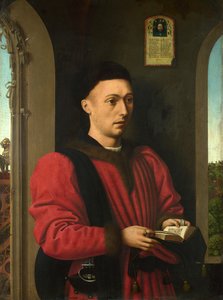
Petrus Christus
1465 - 1476 , Belgsko
Základné informácie
- Artistic Movement Or Style: Vranonederlandské umenie
- Artists Or Movements Influenced By This Artist:
- Jan van Eyck
- Rogier van der Weyden
- Artists Who Influenced This Artist:
- Jan van Eyck
- Rogier van der Weyden
- Date Of Birth: 1465
- Date Of Death: 1476
- Full Name: Petrus Christus
- Nationality: Belgický
- Notable Artworks:
- Panna Mária s dieťaťom
- Portrét mladého muža
- Place Of Birth: Baarle-Hertog, Belgia
Súvisiace články

El Greco: Top 25 Majstrovských Diel pre Váš Domov - OriginalUniqueArt.com
Ponorte sa do sveta El Greca s OriginalUniqueArt.com! Objavte top 25 majstrovských diel španielskeho renesančného maliara – od duchovných náboženských obrazov po ikonické manieristické kompozície. Kúpiť reprodukcie online a inšpirujte sa pre váš interiér.

Illuminating Realism: A Comprehensive Exploration of the Early Netherlandish Renaissance Movement
Explore the captivating world of Early Netherlandish painting! Discover Jan van Eyck & other Flemish masters, their revolutionary techniques, hidden symbolism, and lasting legacy. A comprehensive guide for art enthusiasts.
Hieronymus Bosch: Top 25 Majstrovských Diel pre Váš Domov - OriginalUniqueArt.com
Ponorte sa do sveta Hieronymusa Boscha s OriginalUniqueArt.com! Objavte top 25 diel majstra stredovekého umenia, symbolizmu a fantastických motívov. Reprodukcie obrazov pre váš domov – luxusné dekorácie a umelecké plagáty online. Preskúmajte celú kolekciu na OriginalUniqueArt.com

Jan Gossart: Bridging Netherlandish Realism & Renaissance Humanism – A Comprehensive Exploration
Explore the captivating world of Jan Gossart, a pivotal figure bridging Netherlandish realism & Renaissance humanism. Discover his masterpieces, patronage, and lasting influence – an essential guide for discerning art collectors.

Top 10 majstrov ranej holandskej renesancie: Obrazy, ktoré zmenili umenie | OriginalUniqueArt
Objavte 10 ikonických majstrov raného holandskej renesancie – Jan van Eyck, Rogier van der Weyden a ďalší. Prežite príbehy umenia, techniky a symbolizmu. Reprodukcie obrazov pre váš interiér na OriginalUniqueArt.com.

