Zobraziť v interiéri
 Odoslať
 Zdieľať
 Podrobnosti
 Príručka

 Stiahnuť
 Podobné položky
 RTG skúška
 Prehliadanie diapo\]
 Štatistiky
The Grammar


 Prečítať si viac
Giclée / Umenotlač
Giclée tlač alebo plátno múzeálnej kvality s rýchlou výrobou a rôznymi možnosťami povrchovej úpravy. ( Objednať ručne maľovanú reprodukciu Prepnúť na digitálnu verziu obrazu)




P118B €10

P118H €10

P118W €10

P438Z €10

P508JH €12

P508YH €12

P805H €10

P805Z €10

P919BZ €10

P919G €10

P919XJ €10

P959ZH €10

P968JZ €12

W106C €8

W218G €10

W218JH €8

W218Y €10

W307PJ €10

W316G €10

W316PJ €8

W316Y €10

W398PJ €8

W4111J €10

W500HY €15

W500JH €15

W692G €12

W849H €8

W940BG €15

W953PJ €8




Vyberte si z našich preddefinovaných rozmerov, ktoré zodpovedajú pôvodným pomeroḿ diela.

Zadajte šírku a výšku, ktoré potrebujete, aby sa reprodukcia hodila k vášmu rámu alebo stene. Print možno len orezávať, nikdy však nemennú veľkosť zvětšiť oproti pôvodnému obrázku, preto pri inom formáte stráca časť obrazu. Pred samotným vytlačiacím procesom vám pošleme digitálny náhľad na schválenie. Obrázok zobrazený na tejto stránke nezobrazuje reálny rez — len digitálny náhľad ukazuje presný výsledok.
Celosvetová doprava () do 2 týždňov namiesto štandardných 4 až 5 týždňov. (26 október)

Bezplatná expresná doprava po celom svete

Vysokokvalitné lnianske plátno

Úplné poistenie prepravy

Záruka vrátenia colného poplatku

Záruka presného farebného zhodnutia

100-dená politika vrátenia tovaru (iba pri vadách)

100% záruka vrátenia peňazí

Ponuka množstevnej zľavy
 Možnosť skla je dostupná len pri rozmeroch pod 110 cm

The Grammar
Giclée / Umenotlač
Veľkosť reprodukcie
-


Celková cena
€ 70
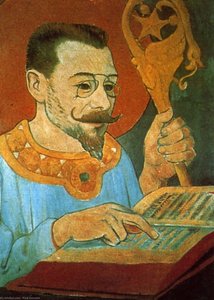
The Grammar: A Pioneering Exploration of Abstraction
Paul Sérusier’s “Grammar,” painted in 1892, stands as a pivotal work not just within the artist's oeuvre but also as a foundational piece in the development of modern art. More than simply a portrait, it’s an intensely personal and experimental exploration of color, form, and the very nature of representation – a bold step towards abstraction that profoundly influenced generations of artists to come. The painting depicts a woman seated on the ground, absorbed in reading a book, a scene rendered with remarkable intimacy and a deliberate departure from traditional academic styles.
Sérusier’s artistic journey was deeply intertwined with the burgeoning Nabis movement, a group of Symbolist painters who sought to move beyond mere imitation of nature towards expressing inner emotions and spiritual truths. He initially studied at the Académie Julian, but it was his summer sojourn in Pont-Aven, Brittany, that proved transformative. There, under the tutelage of Paul Gauguin – a figure whose influence extended far beyond technique – Sérusier encountered the revolutionary approach of Cloisonnism, championed by Gauguin himself. This style, characterized by sharply defined outlines and areas of flat color applied in small, separate strokes, aimed to mimic the appearance of stained glass, creating a sense of luminous clarity and symbolic resonance.
Cloisonnism and the Language of Color
“Grammar” exemplifies this Cloisonnism technique with striking precision. The woman’s figure is not rendered through subtle gradations of tone but rather defined by bold, distinct outlines – a deliberate simplification that prioritizes color and form over meticulous detail. Sérusier employs a vibrant palette, dominated by deep blues, greens, and ochres, creating an atmosphere both serene and slightly melancholic. The colors aren’t blended; instead, they are applied in small, separate strokes, building up layers of hue and texture. This technique, combined with the flattened perspective, creates a sense of immediacy and directness, as if the painting is capturing a fleeting moment of contemplation.
Crucially, Sérusier’s use of color isn't merely descriptive; it carries symbolic weight. The blues evoke a sense of introspection and mystery, while the greens suggest connection to nature – a key theme in Symbolist art. The muted ochres contribute to the painting’s overall feeling of quietude and contemplation. The deliberate choice of colors, rather than realistic representation, is central to the work's expressive power.
A Study in Form and Abstraction
Beyond its technical mastery, “Grammar” represents a significant shift towards abstraction. While not entirely devoid of recognizable forms – the woman’s figure, the book, the surrounding objects – the painting prioritizes the exploration of color and form over strict representation. The simplified shapes, flattened perspective, and emphasis on pure color anticipate later developments in abstract art, foreshadowing the work of artists like Kandinsky and Mondrian. It's a deliberate move away from photographic realism towards a more subjective and expressive approach to visual language.
The painting’s title, “Grammar,” is particularly intriguing. It suggests that Sérusier was not simply depicting a scene but rather exploring the fundamental building blocks of artistic expression – the elements of color, line, and form – in a way that transcends traditional representation. The book itself becomes a symbol of knowledge and contemplation, inviting the viewer to engage with the painting on a deeper level.
Legacy and Inspiration
“Grammar” remains a vital work in the history of modern art, demonstrating Sérusier’s pioneering spirit and his profound influence on subsequent generations. It's a testament to the power of abstraction to convey emotion, ideas, and spiritual truths. Reproductions of this evocative painting continue to inspire artists and collectors alike, offering a glimpse into the heart of artistic innovation and the enduring quest for new forms of visual expression.
Otázky a odpovede
Kedy a v akom štýle vzniklo dielo „The Grammar“ od Paul Sérusier?
Dielo „The Grammar“ od Paul Sérusier pochádza z roku 1892 a patrí do smeru Cloisonnism / Nabis.
K ktorému umeleckému smeru patrí „The Grammar“ od Paul Sérusier?
Uvedené smer v kontexte diela „The Grammar“ od Paul Sérusier je Cloisonnism / Nabis. Táto klasifikácia umiestňuje toto dielo medzi súvisiace umelcov a umelecké diela.
Ako možno využiť „The Grammar“ od Paul Sérusier pri dekorovaní domácnosti?
„The Grammar“ sa odporúča pre Reflective, ideálnym priestorom je však Living Room.
Biografia umelca
Paul Sérusier: Pionír Abstraktnej Malby a Inšpirátor Nabis
Paul Sérusier, narodený 9. novembra 1864 v Paríži, bol francúzsky maľiar, ktorý sa stal kľúčovou figúrou v rozvoji abstraktnej malby a významným inšpičným zdrojom pre hnutie Nabis. Jeho dielo, charakterizované výraznými farbami, jednoduchými tvarmi a experimentálnym prístupom, zmenilo krajinu francúzskej avantgardy konca 19. storočia. Sérusierova cesta k umeniu začala štúdiom na akadémii Julian, kde získal monitorstvo v polovici 80-tych rokov. Táto skúsenosť mu poskytla pevné základy v tradičných technikách, no zároveň ho pripravila na prelomové zmeny, ktoré bol pripravený urobiť.Pont-Aven a Vznik Cloisonnismu
V lete roku 1888 sa Sérusier vydal do Pont-Avena, malebnej dedinky v Bretani, kde sa usadil v spoločnosti skupiny umelcov pod vedením Paula Gauguina. Pod Gauguinovým dohľadom začal Sérusier experimentovať s novými technikami a štýlmi. Najvýznamnejším výsledkom tohto obdobia je obraz *Bois d’Amour* (1888), ktorý sa stáva prelomovou prácou v dejinách umenia. Tento obraz, vytvorený na základe Gauguinových radení, predstavuje revolučný prístup k farbe a kompozícii – Sérusier odmietol tradičné techniky modelovania a perspektívy a namiesto toho použil jednoduché, ploché tvary oddelené tmavými obryskami. Tento štýl, ktorý naznačuje možnosť prechod k čistému abstraktnému umeniu, sa neskôr označil ako cloisonnizmus.Vplyv Nabis a Experimentovanie s Farbou
Sérusier bol aktívnym členom skupiny Les Nabis („The Prophets”), ktorá vznikla v Paríži na prelome 19. a 20. storočia. Hnutie Nabis, ktoré sa vyznačovalo výrazným využívaním farby a symboliky, predstavovalo prelom oproti impresionizmu a jeho zameraniu na zachytávanie svetla a prírody. Sérusier spolupracoval s ďalšími významnými predstaviteľmi Nabis, ako sú Pierre Bonnard, Édouard Vuillard a Maurice Denis, a ich vzájomné vplyvy sa prejavili v rozvoji ich osobných štýlov. Sérusierovo dielo bolo ovplyvnené tiež myšlienkami symbolistov, ktorí zdôrazňovali význam symboliky a podvedomia v umení.Kľúčové Diálogy a Dielo
Sérusier vytvoril rozsiahlu zbierku diel, ktoré odrážajú jeho experimentálny prístup k farbe, kompozícii a technike. Medzi najvýznamnejšie patria: *L’Averse* (1893), známy svojím dynamickým využívaním farieb a abstraktných tvarov; portrét Paula Ransona (1890) – obraz, ktorý ukazuje jeho schopnosť zachytiť charakter a emócie subjektu prostredníctvom jednoduchých geometrických tvarov; melancholické *Melancholy* (1890), ktoré vyjadruje hlboké pocity a vnútornú reflexiu; a známe dielo *The Snake Eaters* (1894), ktoré sa nachádza v múzeu narodnom v Varšave. Jeho posledné diela, vytvorené v období po roku 1900, ukazujú jeho pokračujúci záujem o experimentovanie s farbou a kompozíciou.Dielo a Dedicação
Sérusierova dedication sa rozpresterala aj mimo tvorby, kde bol učiteľom na Académie Ranson v Paríži a vydal v roku 1921 knihu *ABC de la peinture*, ktorá predstavovala jeho teoretické úvahy o umení. Paul Sérusier zomrel 7. októbra 1927 v Morlaix, ale jeho dielo a inšpirácia pre budúce generácie umelcov zostali trvalo zakorenené v dejinách francúzskeho umenia. Jeho prínos k rozvoju abstraktnej malby a hnutia Nabis je nepopierateľný a jeho diela sa dodnes považujú za významné reprezentanty avantgardy konca 19. storočia.
Paul Sérusier
1864 - 1927 , Francúzsko
Rýchle fakty
- Artistic Movement Or Style: Post-Impressionizmus
- Artists Or Movements Influenced By This Artist: ['Les Nabis']
- Artists Who Influenced This Artist:
- Paul Gauguin
- Maurice Denis
- Date Of Birth: 9. november 1864
- Date Of Death: 7. októbra 1927
- Full Name: Louis-Paul-Henri Sérusier
- Nationality: Francúzsky
- Notable Artworks:
- L'Averse
- Portrét Paula Ranson
- Melanchólia
- Plazy
- Place Of Birth: Paríž, Francúzsko
Súvisiace články

Top 10 majstrovských diel abstraktného expresionizmu pre váš domov | OriginalUniqueArt.com
Ponorte sa do sveta abstraktného expresionizmu s Pollockom, Rothkom a ďalšími majstrami. Objavte príbehy za 10 ikonických diel, techniky a farby, ktoré definovali toto revolučné umenie. Kvalitné reprodukcie na OriginalUniqueArt.com.

Top 10 majstrov geometrickej abstrakcie: Umění pre váš domov s OriginalUniqueArt.com
Ponorte sa do sveta geometrickej abstrakcie! Objavte 10 majstrovských diel od Mondriana, Kandinského a ďalších. História umenia, techniky a farebné kompozície na OriginalUniqueArt.com – reprodukcie obrazov pre váš domov.

Paul Cézanne: Top 25 Majstrovských Diel pre Váš Domov – Kolekcia OriginalUniqueArt
Objavte top 25 diel Paula Cézanna – impresionistické krajinomaľby, zátišia a portréty. Prežite príbeh umelca a jeho majstrovských techník. Reprodukcie obrazov pre luxusný domov na OriginalUniqueArt.com
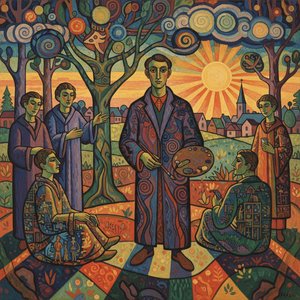
Paul Sérusier: Pioneering Synthetism & The Nabis’ Symbolic Revolution
Discover Paul Sérusier's pivotal role in the Nabis movement & the birth of Synthetism. Explore 'The Talisman,' his influence on modern art, and a deeper understanding of this symbolic revolution. Expert analysis & insights.
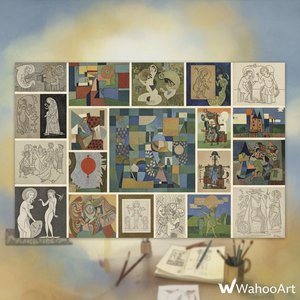
Paul Klee: Top 25 diel pre milovníkov umenia a dokonalú dekoráciu interiéru
Objavte top 25 diel Paula Kleeho – od expresionistických kompozícií po abstraktné farebné svety. Prežite príbeh umelca, techniky a nadčasovej krásy. Kvalitné reprodukcie obrazov pre váš interiér na OriginalUniqueArt.com.