

 Náhľad
 Odoslať
 Zdieľať
 Podrobnosti o dielo

 Stiahnuť
 Podobné diela
 RTG skúška
 Prezentácia
Morphine Addicts
 Acrylic On Canvas
- WallArt
- Impressionism
 1887
1887 24.0 x 37.0 cm
 Metropolitné múzeum umenia
 Zobraziť viac
Ručne maľovaná olejová reprodukcia
Ručne maľovaný olej na plátne vo vašej zvolenej veľkosti a v ráme, vyrobený na mieru našimi umelcami. ( Kúpiť tlač Kúpiť obrázok)




P118B $10

P118H $10

P118W $10

P438Z $10

P508JH $12

P508YH $12

P805H $10

P805Z $10

P919BZ $10

P919G $10

P919XJ $10

P959ZH $10

P968JZ $12

W106C $8

W218G $10

W218JH $8

W218Y $10

W307PJ $10

W316G $10

W316PJ $8

W316Y $10

W398PJ $8

W4111J $10

W500HY $15

W500JH $15

W692G $12

W849H $8

W940BG $15

W953PJ $8




Vyberte si z našich preddefinovaných rozmerov, ktoré zodpovedajú pôvodným pomeroḿ diela.

Môžete zadať vlastné rozmery tak, aby sa hodili do konkrétneho rámu alebo priestoru. Ak sa váš zvolený rozmer nezhoduje s pôvodnými proporciami obrazu, dielo buď orezáme, alebo ho doplníme ručne maľovanými prvkami. Pred začiatkom výroby vám zašleme digitálny náhľad na schválenie.
Upozorňujeme, že ukážka na obrazovke neodráža skutočné orezanie alebo doplnenie. Skutočnú finálnu kompozíciu zobrazuje iba digitálny náhľad.
Hoci sú k dispozícii vlastné rozmery, odporúčame vybrať rozmer z preddefinovaného zoznamu, aby sme zachovali pôvodné proporcie.
Po odoslaní objednávky vám tím OriginalUniqueArt.com pošle e-mail s pokynmi a poskytne náhľad na návrh.
Celosvetová doprava () za 3 až 4 týždne namiesto štandardných 5 týždňov. (7 september). Bez kompromisov v kvalite.

Bezplatná expresná doprava po celom svete

Prémiové lnianske plátno

Kompletné poistenie prepravy

Záruka vrátenia colného poplatku

Záruka presného farebného zhodnutia

100-dená politika vrátenia tovaru (iba pri vadách)

100% záruka vrátenia peňazí

Výhodná množstevná zľava
 Možnosť skla je dostupná len pri rozmeroch pod 110 cm

Morphine Addicts
Technika reprodukcie
Veľkosť reprodukcie
-


Celková cena za vybrané možnosti
$ 325
Paul Albert Besnard - Morphine Addicts
Paul Albert Besnard (1849-1934) stands as a singular figure in French art of the late nineteenth and early twentieth centuries—a painter who stubbornly resisted categorization while simultaneously achieving remarkable success across diverse artistic mediums. Born in Paris, he possessed an innate talent nurtured by formal training at the École des Beaux-Arts under Jean Bremond and profoundly shaped by the pioneering spirit of Alexandre Cabanel, whose meticulous realism served as a cornerstone for Besnard’s initial artistic explorations. His academic grounding provided a disciplined foundation upon which he would later forge his own distinctive path, one characterized by an unwavering fascination with color and light—concepts championed by the Impressionists. Despite eschewing the overtly dramatic aesthetic favored by his contemporaries, Besnard skillfully adapted Impressionistic techniques to monumental decorative pro Besnard’s oeuvre is marked by a profound sensitivity to human emotion and psychological nuance, particularly evident in his portraits of women – figures rendered with exquisite detail and imbued with an aura of melancholy. “Morphine Addicts,” completed in 1887, exemplifies this artistic approach, presenting two women presented in a starkly lit laboratory setting—a juxtaposition that immediately invites contemplation on themes of illness, addiction, and the complexities of human experience. The artist’s masterful command of etching technique contributes significantly to the artwork's expressive power, capturing subtle tonal variations and textural nuances with remarkable precision. The composition itself is deliberately restrained, focusing intently on the faces and upper bodies of the subjects—a stylistic choice that underscores Besnard’s commitment to realism while simultaneously conveying a sense of intimacy. The figures are positioned slightly off-center, creating visual balance and drawing the viewer's gaze towards their expressive eyes. A table laden with scientific glassware serves as a grounding element, anchoring the scene within its clinical context and subtly hinting at the underlying narrative. Besnard’s meticulous hatching and crosshatching techniques—inherited from Cabanel’s influence—are employed to build up areas of shadow, enhancing depth and creating an atmosphere of quiet contemplation. Color plays a crucial role in conveying emotion, though Besnard eschews vibrant hues characteristic of Impressionism, opting instead for a monochrome palette dominated by shades of grey and white. This tonal scheme amplifies the artwork’s melancholic mood, emphasizing the vulnerability of the subjects and fostering a connection with the viewer on an emotional level. The artist skillfully utilizes light and shadow to sculpt the forms of the women's faces, highlighting their expressions and conveying subtle nuances of emotion—a testament to Besnard’s artistic prowess. Ultimately, “Morphine Addicts” transcends mere visual representation; it functions as a poignant meditation on human suffering and resilience. Besnard’s stylistic blend of academic realism with Impressionistic sensibilities captures the essence of his era—a period marked by intellectual curiosity and an exploration of psychological states. The artwork's enduring appeal lies in its ability to provoke reflection on themes of addiction, vulnerability, and the profound beauty found within moments of quiet introspection. It remains a compelling example of Besnard’s artistic vision and a testament to the power of art to communicate complex emotions with grace and subtlety.Biografia umelca
Luminózny odkaz Paula Alberta Besnarda
Paul Albert Besnard (1849-1934) predstavuje jedinečnú postać v tapisérii francúzskeho umenia, maliara, ktorý kráčal cez meniace sa vlny konca devätnásteho a začiatku dvadnásteho storočia s unikátnou, neklasifikovateľnou gráciou. Narodený v Paríži, začal svoju umeleckú cestu v prísnych rámci École des Beaux-Arts, kde študoval pod vedením Jeana Bremonda. Jeho raný rozvoj hlboko formoval dôsledný realizmus Alexandre Cabanela, čo Besnardovi poskytlo disciplinovanú akademickú základňu. Avšak pod touto klasickou výučbou veril srdcom modernizátora, ktorý by sa nakoniec dokázal presunúť za rigidné hranice tradície, aby prihral éterické krásy svetla a atmosféry.
S dozretím jeho kariéry začal Besnard premostzovať priepast medzi štruktúrovaným svetom akademickej maľby a živými, zmyslovými skúsenosťami impresionizmu. Hoci úplne neopustil formu v prospech čistej abstrakcie, stal sa majstrom farby, využívajúc paletu, ktorá pôsobila zároveň luminózno aj hlboko emotívne. Jeho dielo je charakteristické neochvebnou fascináciou tým, ako svetlo interaguje s povrchmi, či už ide o jemnú pokožku v portréte alebo o rozľahlé architektonické plochy jeho najväčších zakázok. Táto schopnosť spojiť monumentálne s intímne mu umožnila prekonať nálepky svojej éry a vytvoriť štýl, ktorý pôsobí nadčasovo aj striking vysoko súčasne.
Majster mierky a ducha
Besnardov skutočný génius bol možno najviditeľnejší v jeho schopnosti preložiť moderné citenie do veľkolepej, dekoratívnej miery. On nemal len maľovať obrazy; on transformoval priestory. Jeho ambiciózny fresky, ktoré zdobia niektoré z najprestížnejších francúzskych inštitúcií, slúžia ako dôkaz jeho vízie umenia ako verejného, imerzívneho zážitku. Tieto diela možno nájsť v miestach ako:
- Sorbonne, kde jeho ťahy štetcom vduchujú život akademickej veľkolepejnosti.
- École de Pharmacie, demonštrujúca jeho schopnosť integrovať umenie do funkčnej architektúry.
- Salle des Sciences v Comédie Française, čo je triumf dekoratívneho rozprávania príbehov.
- Hôtel de Ville, odrážajúci občiansku hrdosť a estetickú sofistikovanosť Paríža.
- Kaplnka nemocnice v Berck, kde jeho Stations of the Cross (Cesta kríža) prebudila náboženskú ikonografiu prostredníctvom moderného, humanistického pohľadu.
V týchto masívnych projektoch Besnard vyhladil príliš dramatickú alebo teátrovú estetiku, ktorej uprednostňovali mnohí jeho súčasníci. Namiesto toho využil jemnejší, atmosférický prístup, ktorý dovolil svetlu viesť oko diváka a zabezpečil, že aj tie najmasívnejšie kompozície si zachovajú pocit poetickej intimity a duchovnej hĺbky.
Portrétne umenie a intimita formy
Okrem rozľahlých výhere jeho fresiek bol Besnard prolificným tvorcom oveľa osobnejších diel. Ovládal mimoriadne schopnosť zachytiť psychologickú podstatu svojich subjektov prostredníctvom oleja, akvarelu, pastely a akvatiny. Jeho portréty sú oslavované nielen pre svoju technickú presnosť, ale aj pre ich hlboký emocionálny rezonanciu. V jeho zobrazení Madame Georges Rodenbach nachádzame odvážne skúmanie krásy, ktoré spochybňuje konvenčné normy a demonštruje jeho schopnosť vykresliť textúru a charakter s rovnakým vášňou.
Jeho všestrannosť ako ryteľa a kresliara mu umožnila experimentovať s hrou tieňa a svetla v oveľa jemnejšej mierke. Či už zachytával kráľovskú prítomnosť Kráľa a Kráľovnej Belgie alebo ticho krajiny, Besnardovo dielo zostáva ukotvené vplyvom pripomínajúcim Thomas Gainsborough — určitou eleganciou a rytmickým tokom, ktorý pozdvzdvihuje samotnú tému. V konečnom dôsledku spočíva význam Paula Alberta Besnarda práve v tejto dualite: bol umencom, ktorý dokázal ovládať najväčšie sály Francúzska a zároveň zachytiť tie najulotčivejšie, jemné šepoty svetla.
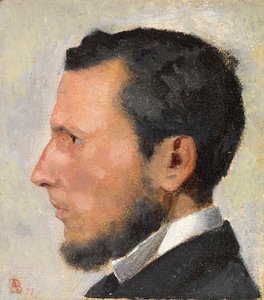
Paul Albert Besnard
1849 - 1934 , Francúzsko
Základné informácie
- Artistic Movement Or Style: Impresionizmus
- Artists Or Movements Influenced By This Artist: ['Akademická maľba']
- Artists Who Influenced This Artist:
- Alexandre Cabanel
- Thomas Gainsborough
- Date Of Birth: Paríž, Francúzsko (1849)
- Date Of Death: 1934
- Full Name: Paul Albert Besnard
- Nationality: Francúz
- Notable Artworks:
- Smrť Timofana
- Mier prostredníctvom arbitráže
- Portrét Madame Georges Rodenbach
- Place Of Birth: Paríž
Súvisiace články

Paul Klee: Top 25 diel pre milovníkov umenia a dokonalú dekoráciu interiéru
Objavte top 25 diel Paula Kleeho – od expresionistických kompozícií po abstraktné farebné svety. Prežite príbeh umelca, techniky a nadčasovej krásy. Kvalitné reprodukcie obrazov pre váš interiér na OriginalUniqueArt.com.

Paul Cézanne: Top 25 Majstrovských Diel pre Váš Domov – Kolekcia OriginalUniqueArt
Objavte top 25 diel Paula Cézanna – impresionistické krajinomaľby, zátišia a portréty. Prežite príbeh umelca a jeho majstrovských techník. Reprodukcie obrazov pre luxusný domov na OriginalUniqueArt.com
Top 10 legendárnych leptov, ktoré zmenili umenie navždy | OriginalUniqueArt
Objavte 10 legendárnych leptov od Rembrandta, Goya a ďalších majstrov. Prežite príbehy umenia, techniky a nadčasovej krásy. Reprodukcie obrazov pre váš interiér na OriginalUniqueArt.com – múzejná kvalita a inšpirácia!

Romantic Realism's Finest: 10 Masterpieces for Your Home | OriginalUniqueArt
Explore 10 defining masterpieces of Romantic Realism! Discover Courbet, Millet & Daumier's powerful paintings—capturing emotion and social realities. Find museum-quality reproductions for your home at OriginalUniqueArt.com.

Etching: A Historical Survey of Technique, Aesthetic Qualities & Enduring Artistic Significance
Explore the rich history of etching, from its origins to Rembrandt's masterful innovations. Discover the technique, aesthetic qualities & enduring legacy of this captivating art form. Expert insights for collectors and enthusiasts.