- Domov

- Tlač na plátno
- Paul Albert Besnard
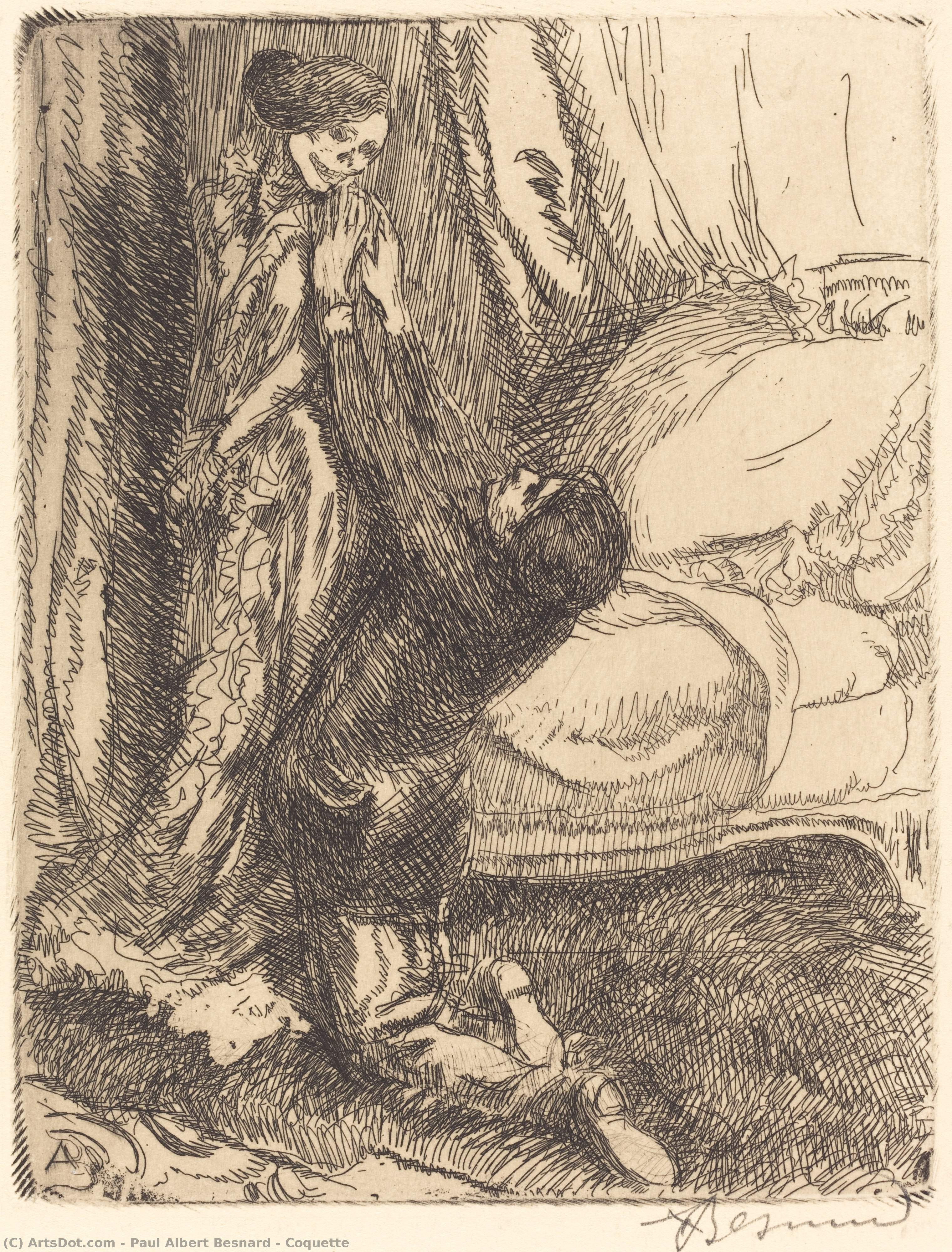
- Coquette
 Objednať reprodukciu Kúpiť digitálnu verziu
 Odoslať
 Zdieľať
 Podrobnosti o dielo
 Pridať do obľúbených

 Stiahnuť
 Podobné diela
 RTG skúška
 Prezentácia
Coquette


 Zobraziť viac
Giclée / Umenotlač
Giclée tlač alebo plátno múzeálnej kvality s rýchlou výrobou a flexibilnými možnosťami povrchovej úpravy.




































Vyberte si z našich preddefinovaných rozmerov, ktoré zodpovedajú pôvodným pomeroḿ diela.

Môžete zadať vlastné rozmery, aby sa reprodukcia prispôsobila konkrétnemu rámu alebo priestoru. Ak zvolená veľkosť nebude zodpovedať proporciám originálu, dielo buď orežeme, alebo obraz rozšírime pomocou zrkadlenia či farebného doplnenia okrajov. Pred začatím výroby vám pošleme digitálnu ukážku na schválenie.
Máte na vedomí, že náhľad na obrazovke neodzrkadľuje skutočné orezanie alebo rozšírenie. Len digitálna ukážka presne zobrazí finálnu kompozíciu.
Hoci sú k dispozícii vlastné rozmery, pre zachovanie pôvodných proporcií odporúčame vybrať si rozmer z vopred definovaného zoznamu.
Celosvetová doprava () do 2 týždňov namiesto štandardných 4/5 týždňov. (22 júl)

Bezplatná expresná doprava po celom svete

Prémiové lnianske plátno

Kompletné poistenie prepravy

Záruka vrátenia colného poplatku

Záruka presného farebného zhodnutia

60-dňá politika vrátenia (iba pri defektoch)

100% záruka vrátenia peňazí

Výhodná množstevná zľava
 Možnosť skla je dostupná len pri rozmeroch pod 110 cm

Coquette
Giclée / Umenotlač
Veľkosť reprodukcie
-


Celková cena za vybrané možnosti
-
Biografia umelca
The Luminous Legacy of Paul Albert Besnard
Paul Albert Besnard (1849-1934) stands as a singular figure in the tapestry of French art, a painter who navigated the shifting tides of the late nineteenth and early twentieth centuries with a unique, unclassifiable grace. Born in Paris, his artistic journey began within the rigorous confines of the École des Beaux-Arts, where he studied under Jean Bremond. His early development was profoundly shaped by the meticulous realism of Alexandre Cabanel, an influence that provided Besnard with a disciplined academic foundation. Yet, beneath this classical training beat the heart of a modernizer, one who would eventually move beyond the rigid boundaries of tradition to embrace the ephemeral beauty of light and atmosphere.
As his career matured, Besnard began to bridge the gap between the structured world of academic painting and the vibrant, sensory explorations of Impressionism. While he did not fully abandon form for the sake of pure abstraction, he became a master of color, utilizing a palette that felt both luminous and deeply emotive. His work is characterized by an unwavering fascination with how light interacts with surfaces, whether it be the delicate skin in a portrait or the sweeping architectural expanses of his grandest commissions. This ability to marry the monumental with the intimate allowed him to transcend the labels of his era, creating a style that felt both timeless and strikingly contemporary.
A Master of Scale and Spirit
Besnard’s true genius was perhaps most visible in his ability to translate modern sensibilities onto a grand, decorative scale. He did not merely paint pictures; he transformed spaces. His ambitious frescoes, which adorn some of France's most prestigious institutions, serve as a testament to his vision of art as a public, immersive experience. These works can be found in locations such as:
- The Sorbonne, where his brushwork breathes life into academic grandeur.
- The École de Pharmacie, showcasing his ability to integrate art with functional architecture.
- The Comédie Française’s Salle des Sciences, a triumph of decorative storytelling.
- Hôtel de Ville, reflecting the civic pride and aesthetic sophistication of Paris.
- Berck Hospital's chapel, where his Stations of the Cross reimagined religious iconography through a modern, humanistic lens.
In these massive undertakings, Besnard eschewed the overtly dramatic or theatrical aesthetics favored by many of his contemporaries. Instead, he utilized a more subtle, atmospheric approach that allowed the light to guide the viewer's eye, ensuring that even the most massive compositions retained a sense of poetic intimacy and spiritual depth.
Portraiture and the Intimacy of Form
Beyond the sweeping vistas of his frescoes, Besnard was a prolific creator of much more personal works. He possessed an extraordinary ability to capture the psychological essence of his subjects through oil, watercolor, pastel, and etching. His portraits are celebrated not just for their technical precision, but for their profound emotional resonance. In his depiction of Madame Georges Rodenbach, one finds a daring exploration of beauty that challenges conventional norms, showcasing his skill in rendering texture and character with equal fervor.
His versatility as a printmaker and draftsman allowed him to experiment with the interplay of shadow and light on a much more delicate scale. Whether capturing the regal presence of The King and Queen of Belgium or the quietude of a landscape, Besnard’s work remains anchored by an influence reminiscent of Thomas Gainsborough—a certain elegance and rhythmic flow that elevates the subject matter. Ultimately, Paul Albert Besnard’s significance lies in this very duality: he was an artist who could command the largest halls of France while simultaneously capturing the most fleeting, delicate whispers of light.
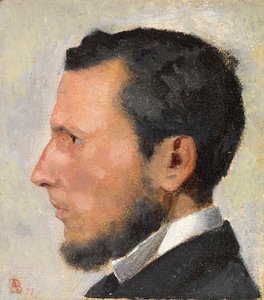
Paul Albert Besnard
1849 - 1934 , France
Základné informácie
- Artistic Movement Or Style: Impressionism
- Artists Or Movements Influenced By This Artist: ['Academic Painting']
- Artists Who Influenced This Artist:
- Alexandre Cabanel
- Thomas Gainsborough
- Date Of Birth: Paris, France (1849)
- Date Of Death: 1934
- Full Name: Paul Albert Besnard
- Nationality: French
- Notable Artworks:
- Death of Timophanes
- Peace by arbitration
- Portrait de Madame Georges Rodenbach
- Place Of Birth: Paris

