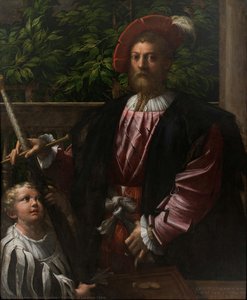
Náhľad v interiéri
 Odoslať ako digitálnu kartu
 Zdieľať
 Podrobnosti o dielo
 Príručka

 Stiahnuť obraz
 Podobné položky
 RTG skúška
 Prehliadanie diapozoje
 Otázky a odpovede
 Štatistiky
Venus Disarming Cupid

- 18.0 x 14.0 cm


 Zobraziť viac
Giclée / Umenotlač
Giclée tlač alebo plátno múzeálnej kvality s rýchlou výrobou a rôznymi možnosťami povrchovej úpravy. ( Kúpiť ručne maľovaný obraz Prepnúť na digitálny obraz)




P118B €10

P118H €10

P118W €10

P438Z €10

P508JH €12

P508YH €12

P805H €10

P805Z €10

P919BZ €10

P919G €10

P919XJ €10

P959ZH €10

P968JZ €12

W106C €8

W218G €10

W218JH €8

W218Y €10

W307PJ €10

W316G €10

W316PJ €8

W316Y €10

W398PJ €8

W4111J €10

W500HY €15

W500JH €15

W692G €12

W849H €8

W940BG €15

W953PJ €8




Vyberte si z našich preddefinovaných rozmerov, ktoré zodpovedajú pôvodným pomeroḿ diela.

Zadajte šírku a výšku, ktoré potrebujete, aby sa reprodukcia hodila k vášmu rámu alebo stene. Print možno len orezávať, nikdy však nemennú veľkosť zvětšiť oproti pôvodnému obrázku, preto pri inom formáte stráca časť obrazu. Pred samotným vytlačiacím procesom vám pošleme digitálny náhľad na schválenie. Obrázok zobrazený na tejto stránke nezobrazuje reálny rez — len digitálny náhľad ukazuje presný výsledok.
Celosvetová doprava () do 2 týždňov namiesto štandardných 4 až 5 týždňov. (7 november)

Bezplatná expresná doprava po celom svete

Vysokokvalitné lnianske plátno

Kompletné poistenie prepravy

Záruka vrátenia colného poplatku

Záruka presného farebného zhodnutia

100-dená politika vrátenia tovaru (iba pri vadách)

100% záruka vrátenia peňazí

Zľava pri väčšom množstve
 Možnosť skla je dostupná len pri rozmeroch pod 110 cm

Venus Disarming Cupid
Giclée / Umenotlač
Veľkosť reprodukcie
-


Celková cena
€ 72
The Enigmatic Dance of Desire: Parmigianino’s Venus Disarming Cupid
Parmigianino's "Venus Disarming Cupid," a drawing executed between 1527 and 1530, isn’t merely a depiction of a mythological scene; it’s a profound meditation on love, power, and the very nature of desire. Created during his formative years in Florence and Rome, this work encapsulates the burgeoning Mannerist style – a deliberate departure from the idealized harmony of the High Renaissance, favoring instead an exquisite tension, a heightened drama, and a captivating sense of ambiguity. The sheet itself, a pale pink prepared paper reminiscent of a chiaroscuro woodcut, immediately establishes a mood of restrained elegance, hinting at the intricate layers of meaning concealed within the composition.
At its heart lies Venus, rendered with an almost unsettling sensuality. She’s not the serene goddess of classical sculpture; instead, she's caught in a moment of fierce, volatile emotion. Her pose – a masterful example of the *figura serpentinata*, that sinuous, twisting form so beloved by Mannerist artists – is both arresting and subtly unsettling. The exaggerated curve of her spine, the languid drape of her gown, all contribute to an image brimming with contained energy. Her hand, poised mid-gesture, holds the bow and arrow, a symbol of Cupid’s destructive power, yet she wields it not with aggression, but with a deliberate, almost playful control.
- The Myth Unveiled: The scene draws directly from Ovid's *Metamorphoses*, recounting the moment when Venus, wounded by Cupid’s arrow, retaliates by disarming her son. This isn’t a tale of simple maternal affection; it’s a complex narrative of reciprocal pain and fury – a testament to the consuming nature of love itself.
- A Study in Movement: Parmigianino meticulously explored various poses for Venus's arm, evident in the numerous preparatory sketches that accompanied this drawing. Each iteration reveals his painstaking process of achieving the perfect balance between dynamism and grace, capturing the fleeting quality of emotion.
- The Woodcutter’s Influence: The Budapest sheet’s origin is intriguing; it was likely intended for woodcuts, a technique favored by Parmigianino during his time working with Antonio da Trento. This suggests an awareness of the limitations of drawing as a medium and a desire to translate the image into a more widely accessible format.
Mannerist Sensibilities: A Departure from Tradition
“Venus Disarming Cupid” is a quintessential example of Mannerism’s distinctive aesthetic. Unlike the balanced compositions and harmonious colors of the High Renaissance, Parmigianino embraces distortion, exaggeration, and an unsettling sense of artificiality. The figures are elongated, their proportions subtly skewed, creating a visual tension that mirrors the emotional turmoil depicted. The use of pale pink as a dominant color further contributes to this atmosphere of restrained intensity – it’s not a vibrant, celebratory hue, but rather one imbued with a subtle melancholy.
This departure from classical ideals wasn't simply stylistic; it reflected a broader cultural shift. The Sack of Rome in 1527 had profoundly impacted the Italian Renaissance, shattering the confidence and stability that had characterized the era. Mannerism emerged as a response to this upheaval – a style characterized by uncertainty, anxiety, and a fascination with the grotesque. Parmigianino’s drawing embodies these anxieties, capturing the sense of disorientation and emotional instability that permeated the period.
Symbolic Layers: Beyond the Myth
Beyond its mythological narrative, “Venus Disarming Cupid” is rich in symbolic meaning. The bow and arrow represent not just Cupid's destructive power but also the vulnerability inherent in love – a force capable of inflicting both pleasure and pain. Venus’s act of disarming her son can be interpreted as a rejection of passive acceptance, a declaration of agency in the face of overwhelming emotion. The two Cupids flanking her are themselves symbolic: one appears subdued, perhaps representing the wounded innocence of youth, while the other seems to mirror Venus's defiant stance.
Furthermore, the drawing’s preparatory nature—the numerous sketches and studies—suggest a deeper exploration of the theme. It’s not simply a finished artwork but a testament to Parmigianino’s intellectual engagement with the subject matter, reflecting his meticulous approach to artistic creation.
A Legacy of Grace: Reproduction and Interpretation
Reproductions of “Venus Disarming Cupid” offer a remarkable opportunity to appreciate the nuances of Parmigianino's artistry. The delicate washes, the subtle gradations of tone, and the masterful rendering of form are all best appreciated through high-quality reproductions. This drawing remains a powerful testament to the enduring appeal of Mannerist art – a style that continues to captivate viewers with its exquisite beauty, unsettling intensity, and profound exploration of human emotion. It’s a work that invites contemplation, prompting us to consider the complexities of love, desire, and the ever-shifting boundaries between power and vulnerability.
Otázky a odpovede
Aká je luminancia diela „Venus Disarming Cupid“ od Parmigianino?
Dielo „Venus Disarming Cupid“ od Parmigianino má luminanciu na úrovni Soft Shadow. Luminancia určuje, koľko svetla sa farbám podmieňuje odrážať.
Pod akými ďalšími menami je známy/á Parmigianino?
Parmigianino je známy aj pod menom Girolamo Francesco Maria Mazzola, Francesco Mazzola, Le Parmesan.
Aké sú reálne rozmery diela „Venus Disarming Cupid“ od Parmigianino?
Zaznamenané rozmery diela „Venus Disarming Cupid“ od Parmigianino sú 18 x 14 cm. Reprodukcie je možné objednať aj v iných rozmeroch pri zachovaní rovnakých pomerov.
Biografia umelca
Očarujúca zmyselnosť: Život a umenie Parmigianina
Girolamo Francesco Maria Mazzola, známy histórii ako Parmigianino – „malý z Parma“ – sa vynoril počas vrcholného renesančného obdobia, no rýchlo sa stal definujúcim predstaviteľom vzostupujúceho manieristického štýlu. Narodil sa v Parme 11. januára 1503 a jeho skoré roky boli poznačené rodinnou stratou; jeho otec, Filippo Mazzola, zomrel, keď mal Girolamo len dva roky. Vyrastal pod opatrovníctvom svojich strýkov Micheleho a Pier Ilaria, ktorí boli sami sebe skromne zruční umelci, a mladý Parmigianino od nich prijal svoje prvé umelecké vzdelanie. Tento základ však slúžil len ako odrazový mostík pre výnimočný talent, ktorý čoskoro prekonal aj jeho mentorov. Už v úctyhodnom veku osemnásť rokov dokončil Bardi oltár, dielo demonštrujúce zrelosť a sofistikovanosť ďaleko presahujúcu jeho roky, čo signalizovalo príchod skutočne výnimočného umelca.Cesta od Florencie cez Rím k Zhmotneniu Manieristickej Vízii
Parmigianinova umelecká cesta ho zaviedla do Florencie okolo roku 1524, kde sa ponoril do vplyvu majstrov ako Rafael a Leonardo da Vinci. Čoskoro však začal vytvárať vlastnú, odlišnú cestu. Predložil pápežovi Clementovi VII tri obrazy, vrátane pôsobivého seba portrétu v konvexnom zrkadle – svedectva jeho technickej zručnosti a rastúceho sebapoznania. Tento čin mu zaistil povolenie pracovať v Ríme, no umelecká scéna tohto mesta bola čoskoro narušená búrlivým pádom roku 1527. Donútený utiecť, Parmigianino našiel útočisko v Bologni, kde namaľoval jedno z jeho najslávnejších diel, *Sväтую rodinu*. Bolo to práve počas tejto doby, keď sa skutočne vykrystalizoval jeho charakteristický štýl: predĺžené formy, pôvabné pózy a rafinovaná zmyselnosť sa stali znakmi jeho umenia. Neobrážal len realitu; reimaginoval ju cez prizmu elegancie a idealizovanej krásy. Tento odklon od renesančného dôrazu na naturalizmus ho označil ako kľúčového inovátora manierizmu, umeleckého hnutia charakteristického svojou umelosťou, sofistikovanosťou a úmyselným skreslením klasických foriem.Majstrovské diela predĺženia a pôvabu
Parmigianinova dedičstvo spočíva na relatívne malom, no hlboko vplyvnom zbore diel. *Madona s dlhým krkom* (1534) zostáva možno jeho najikonickejšou kreáciou. Jej znepokojujúca, a napriek tomu očarujúca kompozícia, zobrazujúca postavy s predĺženými krkmi a končatinami, spochybňuje tradičné vnímanie krásy a proporcií. Toto úmyselné skreslenie nie je len štýlové; vyjadruje zmysel duchovnej túžby a nebeskej grácie. Podobne *Vízia svätého Jeremiáša* (1527), vytvorená počas jeho pobytu v Ríme, ukazuje jeho majstrovstvo anatómie a perspektívy, pričom zároveň prijíma manieristickú náklonnosť k dramatickým kompozíciám a emocionálnej intenzite. Okrem týchto slávnych obrazov odhaľujú Parmigianinove kresby mimoriadnu úroveň zručnosti a citlivosti. Jeho štúdie postáv, záster a architektonických prvkov demonštrujú starostlivú pozornosť venovanú detailom a hlboké porozumenie forme. Dokonca aj jeho menej známe diela, ako *Bow-carving Amor*, vykazujú rovnakú rafinovanú zmyselnosť a technickú virtuozitu, ktoré definujú jeho tvorbu.Život prerušený: Posledné roky Parmigianina
Tragicky bola sľubná kariéra Parmigianina predčasne ukončená jeho náhlou smrťou v Casalmaggiore v roku 1540 vo veku tridsaťsedem rokov. Okolnosti, ktoré viedli k jeho úmrtiu, zostávajú čiastočne záhadné; niektoré správy hovoria o podľahnutí horúčke, zatiaľ čo iné naznačujú komplikácie po páde. Napriek svojmu krátkemu životu zanechal Parmigianino nezmazateľnú stopu v talianskom renesančnom umení. Stojí ako jeden z najdôležitejších predstaviteľov manierizmu a ovplyvňoval generácie umelcov svojim elegantným štýlom a inovatívnym prístupom k forme a kompozícii. Jeho dielo naďalej očarúva divákov dodnes, ponúka pohľad do sveta, kde krása nie je len pozorovaná, ale aktívne vytváraná – svedectvo trvalej moci umeleckej vízie. Fresky, ktoré nechal nedokončené v Parme a Fontanellato, slúžia ako dojímavé pripomienky toho, čo by mohlo byť, no dokonca aj v ich nekompletnom stave odhaľujú brilantnosť majstra, ktorého dedičstvo rezonuje stáročiami.
Parmigianino
1503 - 1540 , Taliansko
Základné informácie
- Celé Meno: Girolamo Francesco Maria Mazzola
- Dátum Narodenia: 11. január 1503
- Miesto Narodenia (Mesto A Krajina): Parma, Taliansko
- Národnosť: Talian
- Umelci, Ktorí Ovplyvnili Tohto Umelca:
- Correggio
- Raphael
- Umelci/Pohyby Ovplyvnené Týmto Umelcom: ['Talianske renesančné umenie']
- Umelecký Štýl/Pohyb: Manierizmus
- Významné Diela:
- Madona s dlhou krkom
- Videnie sv. Jeremiáša
- Sebaprílik Portrét
Súvisiace články
Top 10 majstrovských diel manierizmu: Krása, elegancia a revolúcia v umení pre váš domov
Ponorte sa do sveta manierizmu s 10 ikonickými dielmi od Pontorma, El Greca a ďalších majstrov. Objavte príbehy, techniky a eleganciu tohto revolučného umeleckého štýlu. Reprodukcie obrazov pre váš domov na OriginalUniqueArt.com.

Mannerism: Bridging Renaissance Harmony & Baroque Drama – A Study of Style & Affectation
Explore the fascinating world of Mannerism! Discover its key characteristics, pioneering artists like Pontormo & Bronzino, and its pivotal role in bridging Renaissance harmony to Baroque drama. A comprehensive guide for art enthusiasts.

Mastering the Line: A Comprehensive Expert Guide to Technical Precision and Expressive Depth in Drawing
Elevate your artistic practice with this expert guide to mastering the line. Discover advanced techniques in graphite, charcoal, and contour drawing designed for art students seeking technical precision and expressive depth in their fine art studies.
The Nuances of Graphite: Exploring Emotional Depth & Technical Mastery in Pencil Drawing
Explore the captivating world of graphite drawing! Discover its rich history, master essential techniques like chiaroscuro, and learn how artists evoke emotion through this timeless medium. Expert insights for art enthusiasts.

Sandro Botticelli: Top 25 Majstrovských Diel pre Krásu a Inšpiráciu | OriginalUniqueArt.sk
Ponorte sa do sveta Sandro Botticelliho s OriginalUniqueArt.sk! Objavte top 25 majstrovských diel renesancie – Primavera, Narodenie Venuše a ďalšie ikonické obrazy. Luxusné reprodukcie pre váš interiér. Preskúmajte celú kolekciu online!