
 Náhľad
 Odoslať
 Zdieľať
 Podrobnosti o dielo

 Stiahnuť
 Podobné diela
 RTG skúška
 Prezentácia
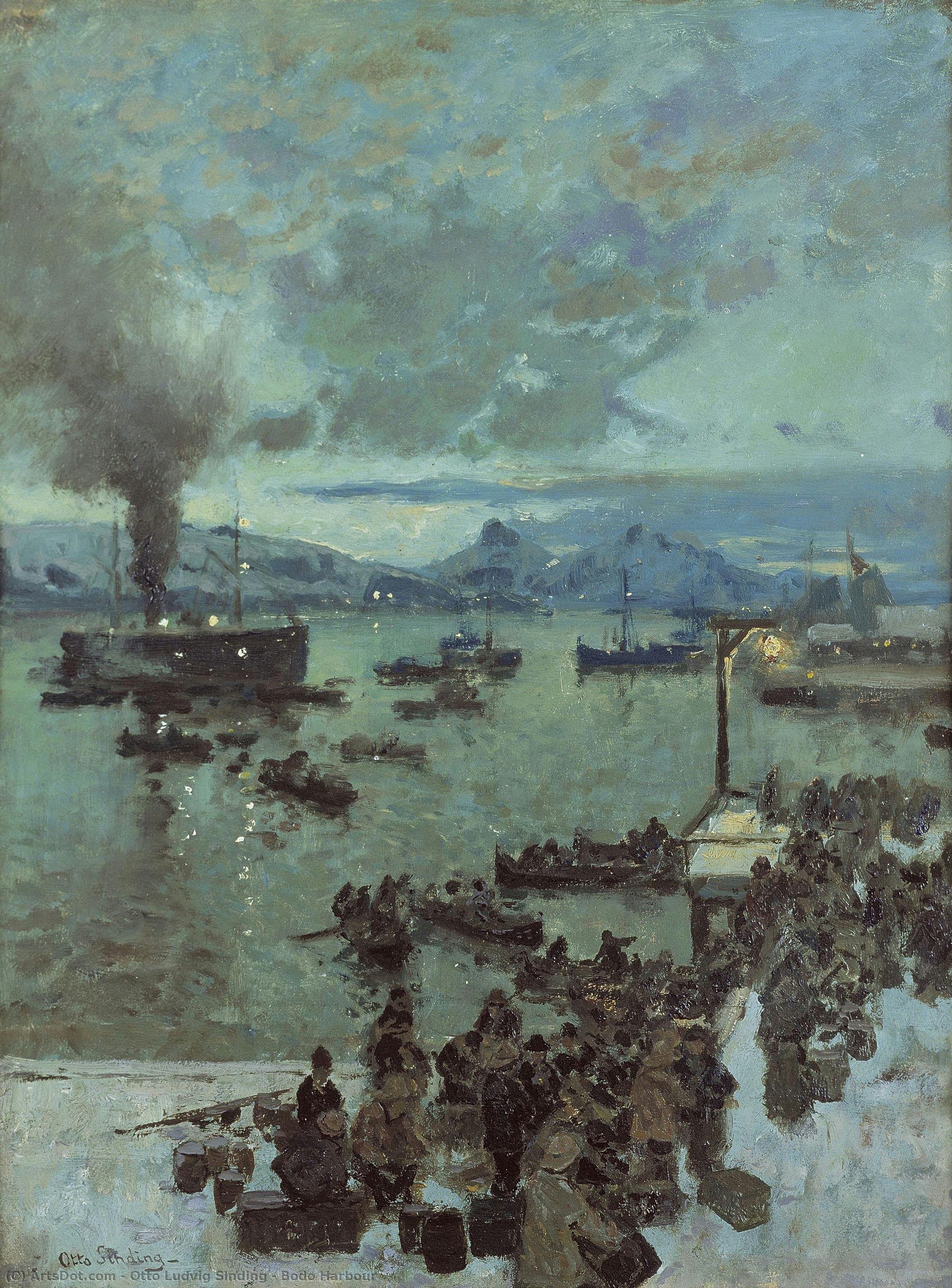
Bodø Harbour
 1899
1899 50.0 x 38.0 cm
 Nordnorsk Kunstmuseum
 Zobraziť viac
Ručne maľovaná olejová reprodukcia
Ručne maľovaný olej na plátne vo vašej zvolenej veľkosti a v ráme, vyrobený na mieru našimi umelcami. ( Kúpiť tlač Kúpiť obrázok)




































Vyberte si z našich preddefinovaných rozmerov, ktoré zodpovedajú pôvodným pomeroḿ diela.

Môžete zadať vlastné rozmery tak, aby sa hodili do konkrétneho rámu alebo priestoru. Ak sa váš zvolený rozmer nezhoduje s pôvodnými proporciami obrazu, dielo buď orezáme, alebo ho doplníme ručne maľovanými prvkami. Pred začiatkom výroby vám zašleme digitálny náhľad na schválenie.
Upozorňujeme, že ukážka na obrazovke neodráža skutočné orezanie alebo doplnenie. Skutočnú finálnu kompozíciu zobrazuje iba digitálny náhľad.
Hoci sú k dispozícii vlastné rozmery, odporúčame vybrať rozmer z preddefinovaného zoznamu, aby sme zachovali pôvodné proporcie.
Po odoslaní objednávky vám tím OriginalUniqueArt.com pošle e-mail s pokynmi a poskytne náhľad na návrh.
Celosvetová doprava () za 3 až 4 týždne namiesto štandardných 5 týždňov. (18 august). Bez kompromisov v kvalite.

Bezplatná expresná doprava po celom svete

Prémiové lnianske plátno

Kompletné poistenie prepravy

Záruka vrátenia colného poplatku

Záruka presného farebného zhodnutia

60-dňá politika vrátenia (iba pri defektoch)

100% záruka vrátenia peňazí

Výhodná množstevná zľava
 Možnosť skla je dostupná len pri rozmeroch pod 110 cm

Bodø Harbour
Technika reprodukcie
Veľkosť reprodukcie
-


Celková cena za vybrané možnosti
$ 300
Popis diela
Biografia umelca
Élisabeth Vigée Le Brun: A Portraitist of the Ancien Régime
Élisabeth Louise Vigée Le Brun, born in Paris in 1755 and passing away in 1842, stands as a pivotal figure in the history of French art. More than simply a painter, she was a shrewd observer of her time, a master of portraiture, and a woman who navigated the complex social landscape of the late 18th and early 19th centuries with remarkable skill and resilience. Her life story is intertwined with the dramatic shifts occurring in European society – from the opulence of the Ancien Régime to the revolutionary fervor that would ultimately reshape France. Vigée Le Brun’s legacy rests primarily on her captivating portraits, which offer intimate glimpses into the lives of royalty, aristocracy, and prominent figures of her era.
Her early life was marked by a somewhat unconventional education. Sent to boarding school in Paris at the age of twelve, she supplemented her formal schooling with visits to museums, immersing herself in the works of the Old Masters – particularly those of Rembrandt and Velázquez. This exposure proved formative, shaping her understanding of light, composition, and the art of capturing human character. Returning to France after a period spent in Caracas, Venezuela, she began her artistic training under Louis-François Carol, a student of Boucher, laying the foundation for her future success.
The Rise to Prominence: Patronage and Artistic Style
Vigée Le Brun’s career truly took off when she secured the patronage of Marie Antoinette in 1778. This royal commission catapulted her into the highest echelons of Parisian society, providing her with access to a wealthy clientele eager for portraits. She quickly established herself as one of the most sought-after portraitists of the time, catering to a diverse range of subjects – from members of the French court and nobility to actors, writers, and even foreign dignitaries. Her style evolved over time, initially influenced by the Rococo traditions of Boucher and Watteau, but gradually incorporating elements of Neoclassicism as it gained prominence.
Her portraits are characterized by a remarkable ability to capture not only physical likeness but also the personality and inner life of her subjects. She employed subtle gestures, carefully observed expressions, and an exquisite use of color to convey mood and emotion. Notably, she was known for her attention to detail, particularly in rendering fabrics and jewelry – elements that were crucial to conveying status and wealth within the context of the Ancien Régime. Her work is often described as elegant, refined, and imbued with a sense of aristocratic grace.
A Turbulent Era: Revolution and Exile
The French Revolution dramatically altered Vigée Le Brun’s life and career. Following Marie Antoinette's execution in 1793, she faced increasing hostility from the revolutionary government, which viewed her as an emblem of the old order. Despite attempts to maintain her position, she was eventually dismissed from the royal court and forced into exile. Undeterred, she continued to paint, establishing a studio in Caux, Normandy, where she catered to a new clientele – primarily wealthy landowners and merchants.
During this period of upheaval, Vigée Le Brun’s artistic style underwent a subtle transformation. Her portraits became more introspective and melancholic, reflecting the anxieties and uncertainties of the time. She also turned increasingly to landscape painting, capturing the beauty of the Normandy countryside – a refuge from the turmoil of Paris.
Legacy and Influence
Following the restoration of the monarchy in 1814, Vigée Le Brun returned to Paris and regained her position as a respected portraitist. She continued to paint until her death in 1842, leaving behind an impressive body of work that offers invaluable insights into the lives and times of the Ancien Régime and the early years of the monarchy. Her influence on subsequent generations of artists is considerable, particularly for women painters who faced significant obstacles in pursuing a career in the male-dominated art world.
Vigée Le Brun’s story is one of ambition, resilience, and artistic genius. She navigated a period of profound social and political change with remarkable grace and determination, leaving behind a legacy that continues to captivate and inspire today. Her portraits remain treasured works of art, offering intimate glimpses into the lives of those who shaped French history.

otto ludvig sinding
1842 - 1909 , Norway
Základné informácie
- Artistic Movement Or Style: Portrait painting
- Artists Or Movements Influenced By This Artist:
- Rococo
- Neoclassicism
- Artists Who Influenced This Artist:
- Daubigny
- Reynolds
- Date Of Birth: 16 April 1755
- Date Of Death: 30 March 1842
- Full Name: Élisabeth Vigée Le Brun
- Nationality: French
- Notable Artworks:
- Marie Antoinette
- Self-portrait Straw Hat
- Lady Hamilton
- Place Of Birth: Paris, France

